

Overview
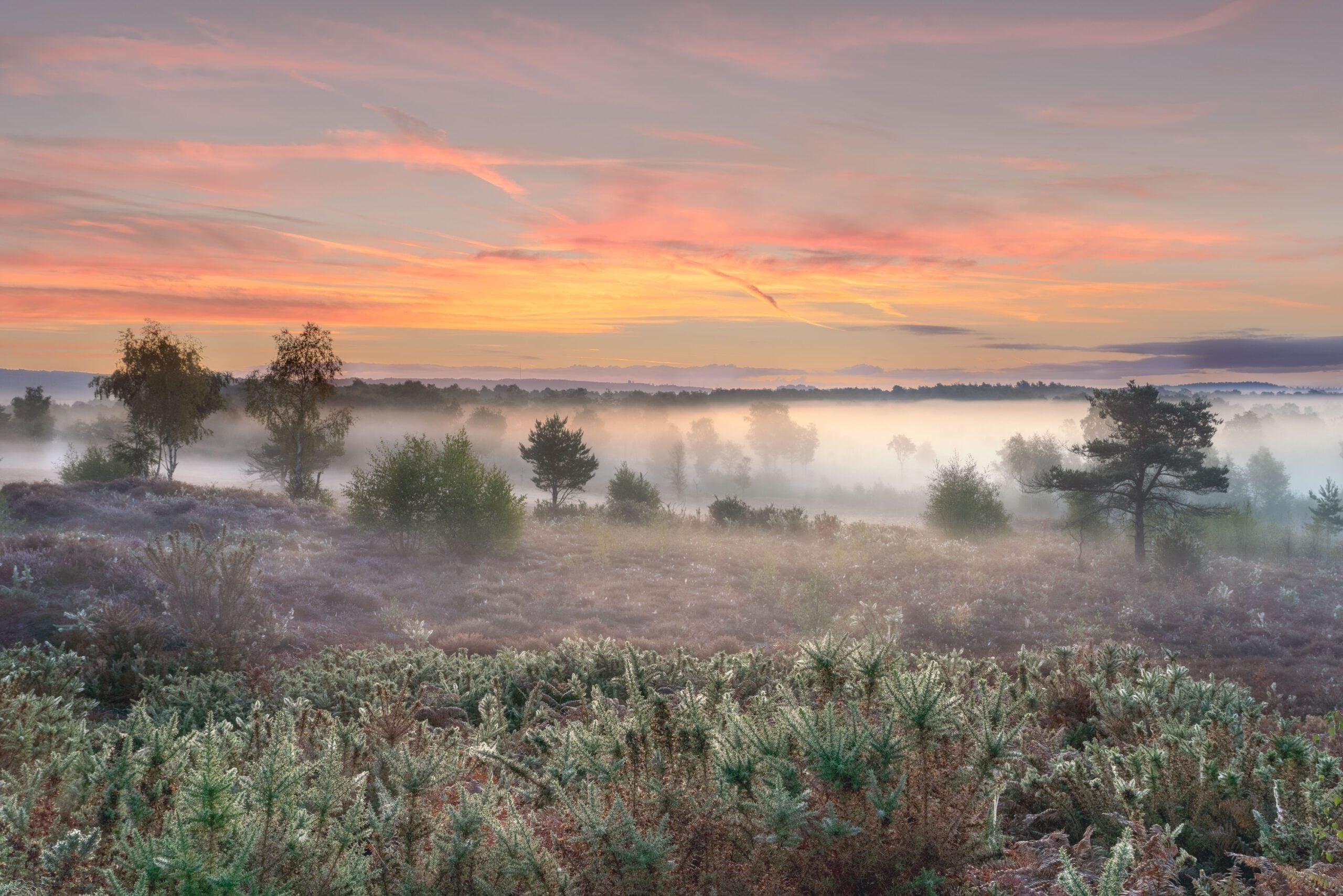
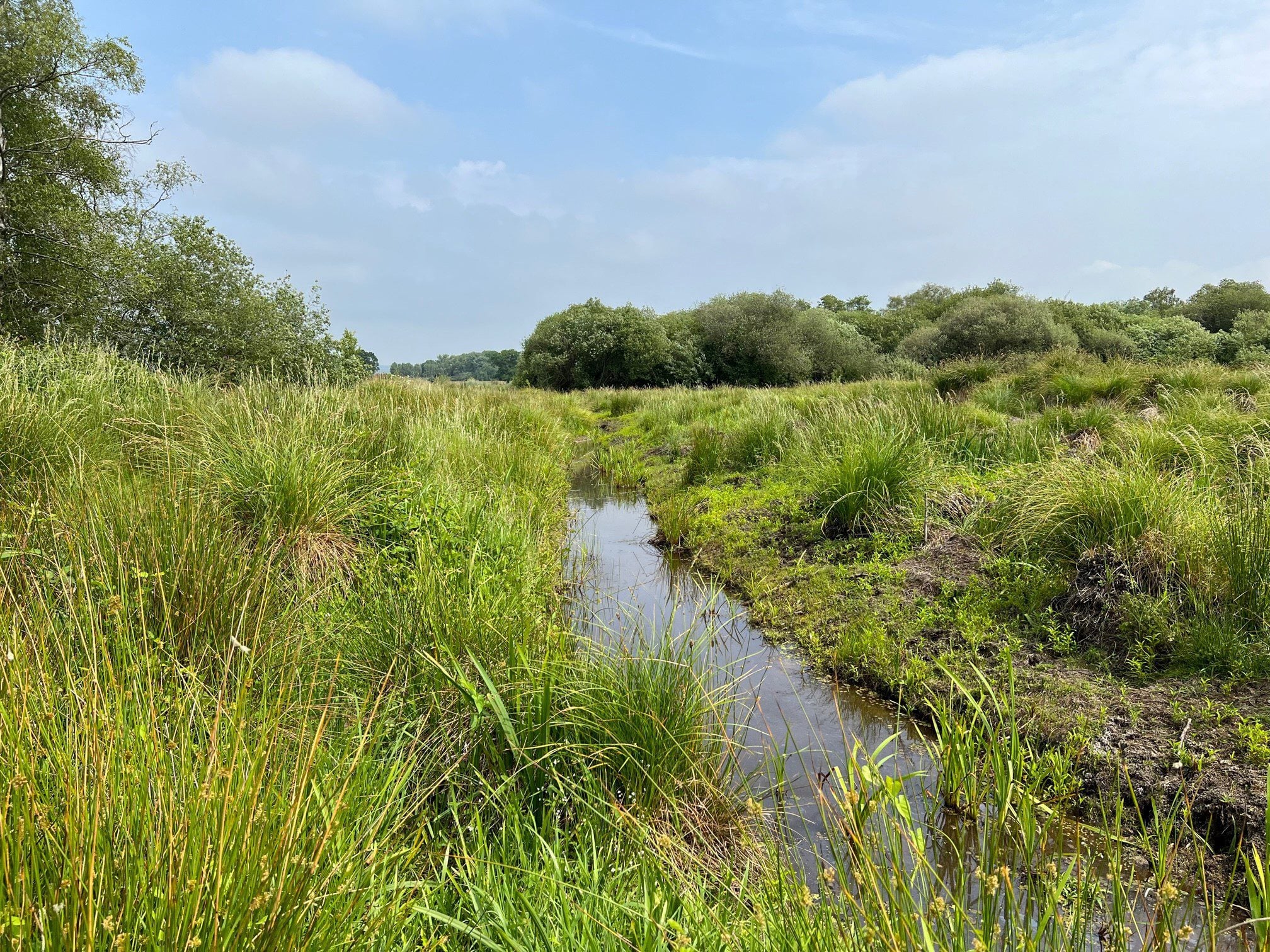
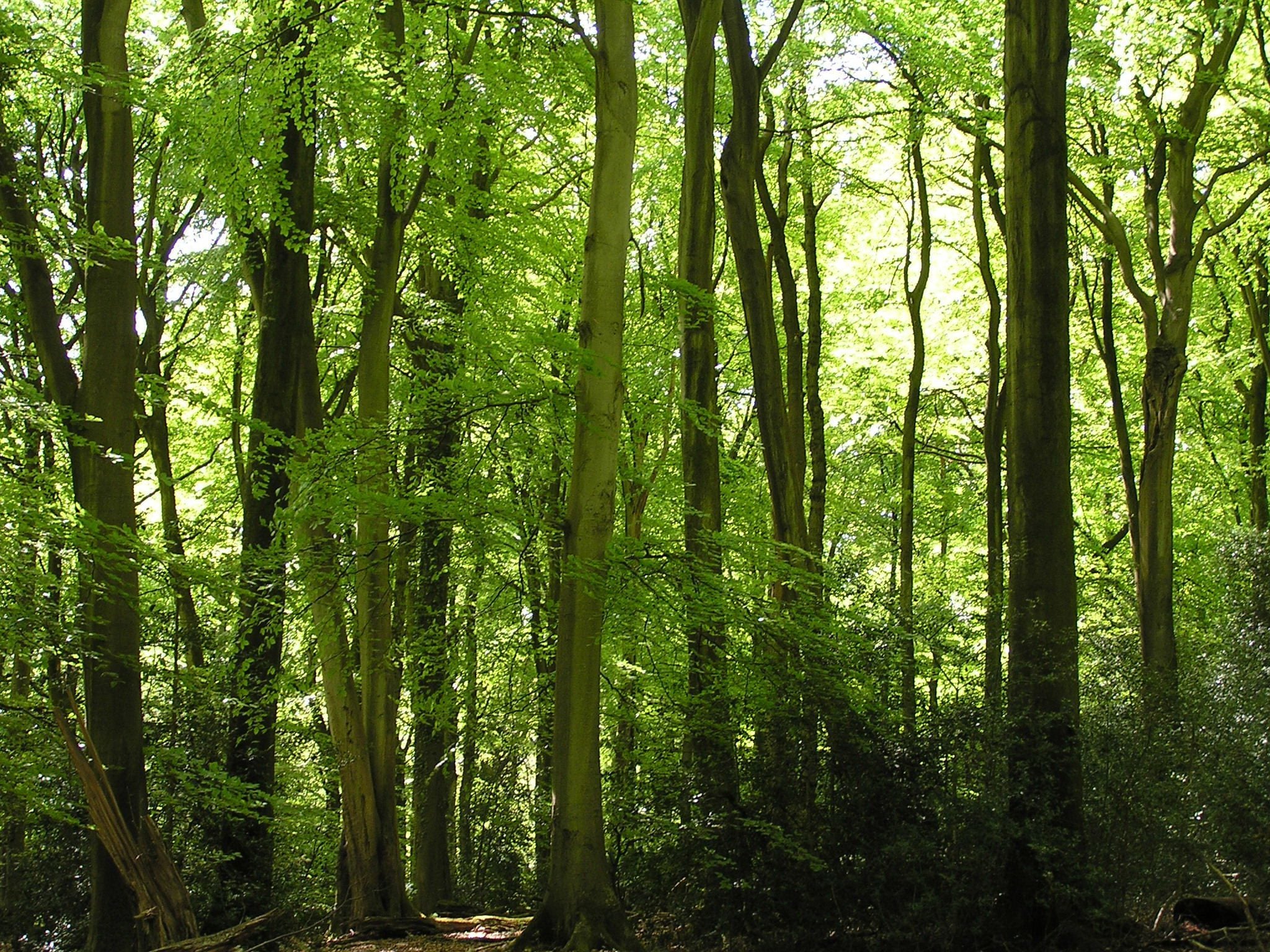
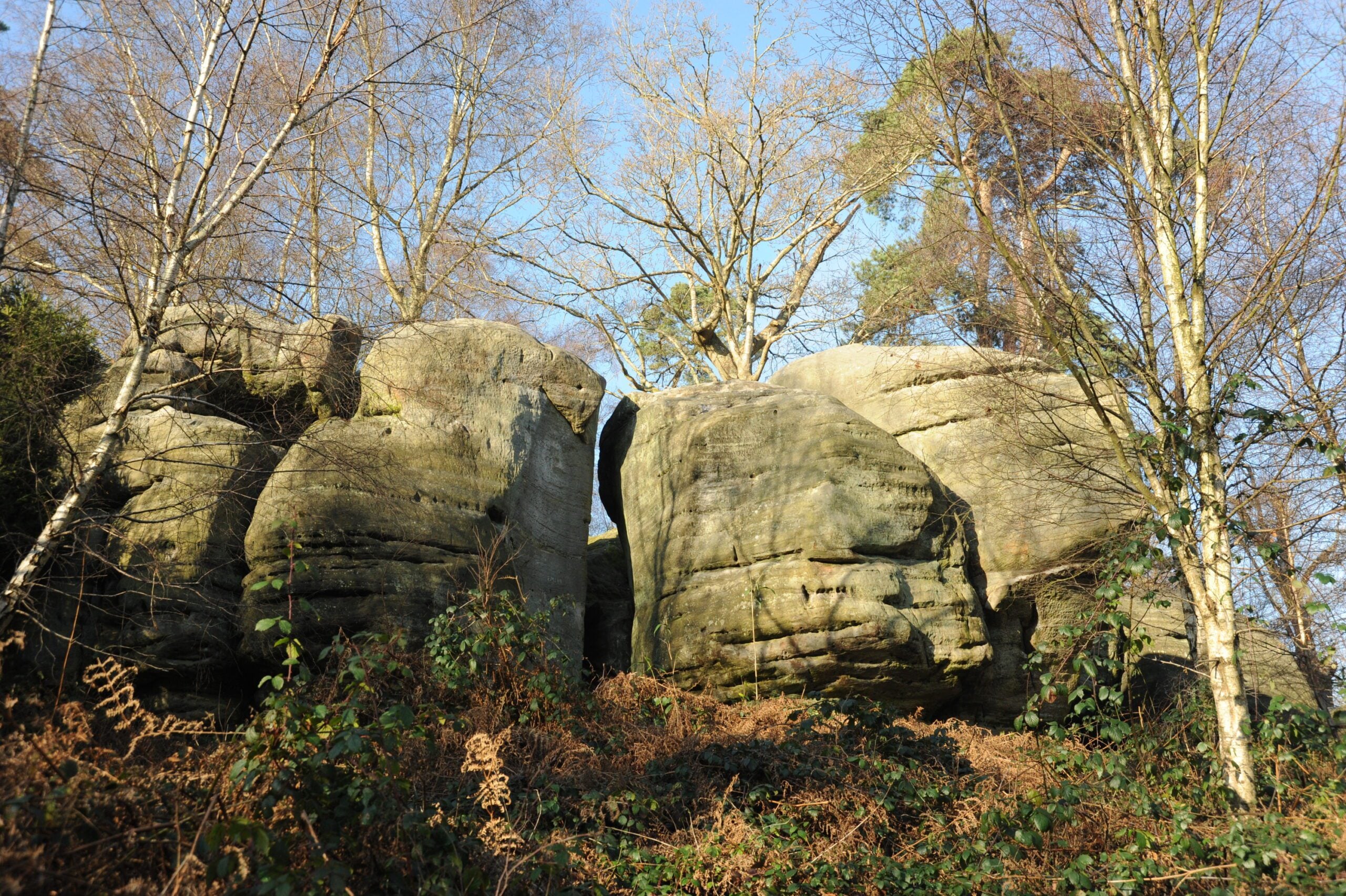
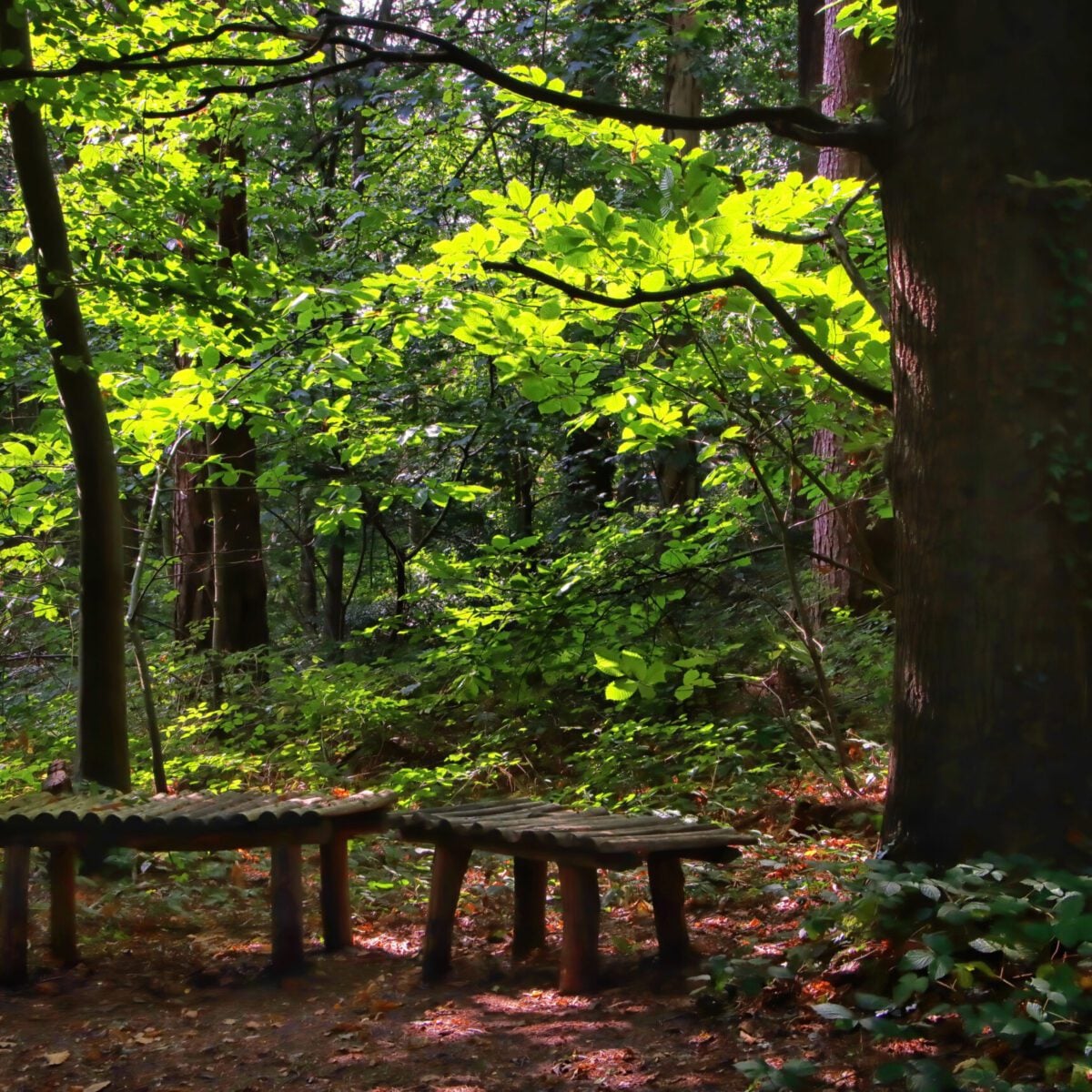
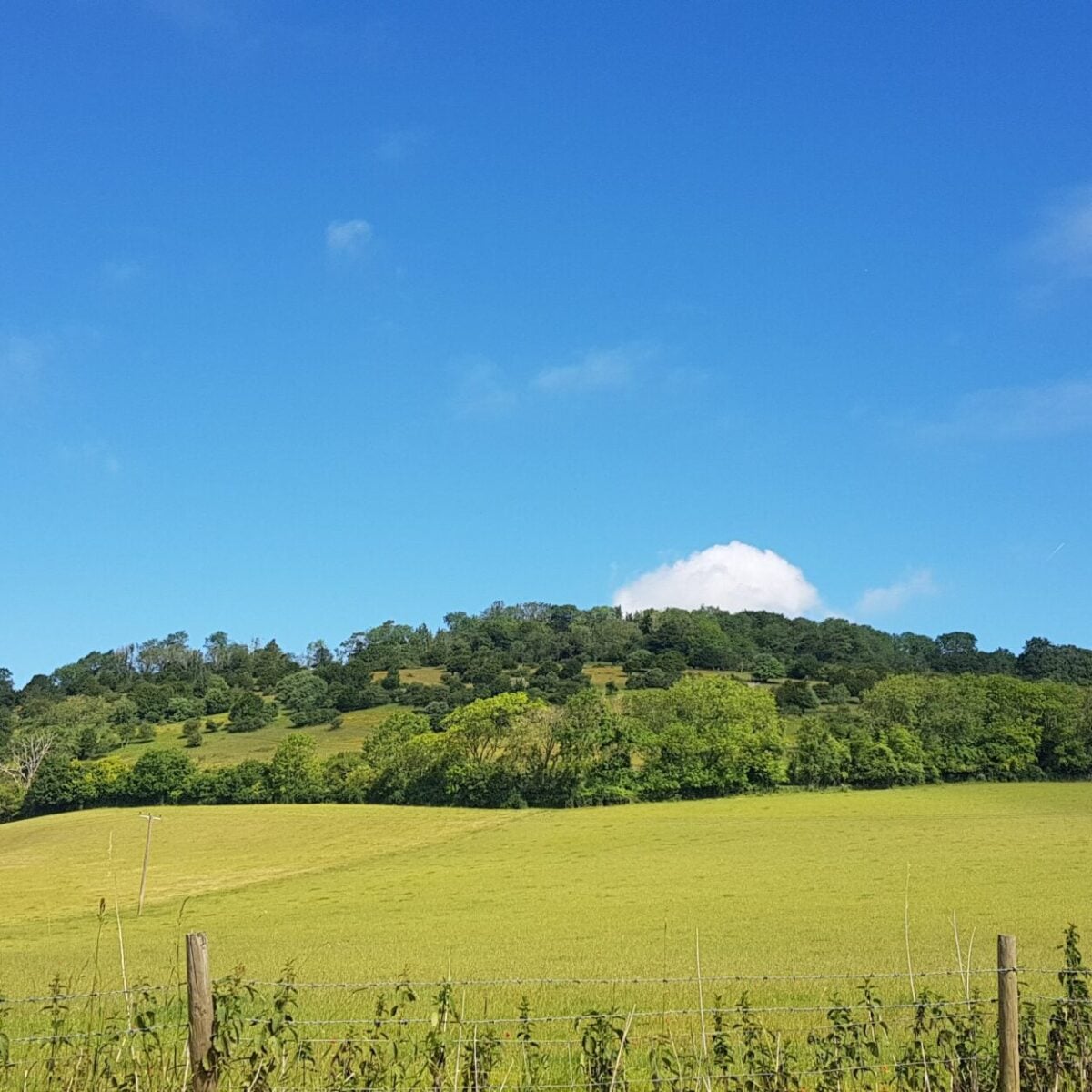
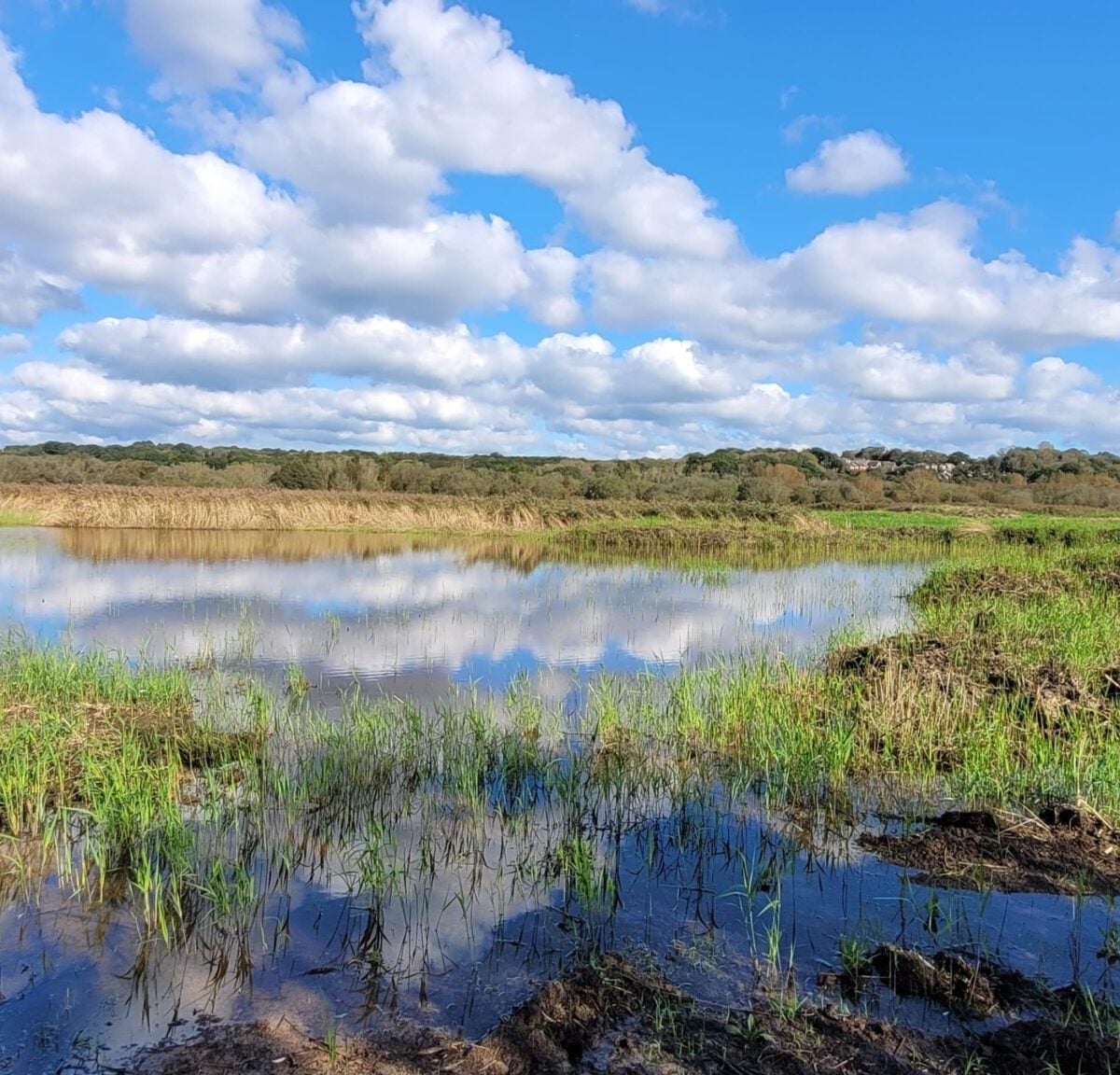
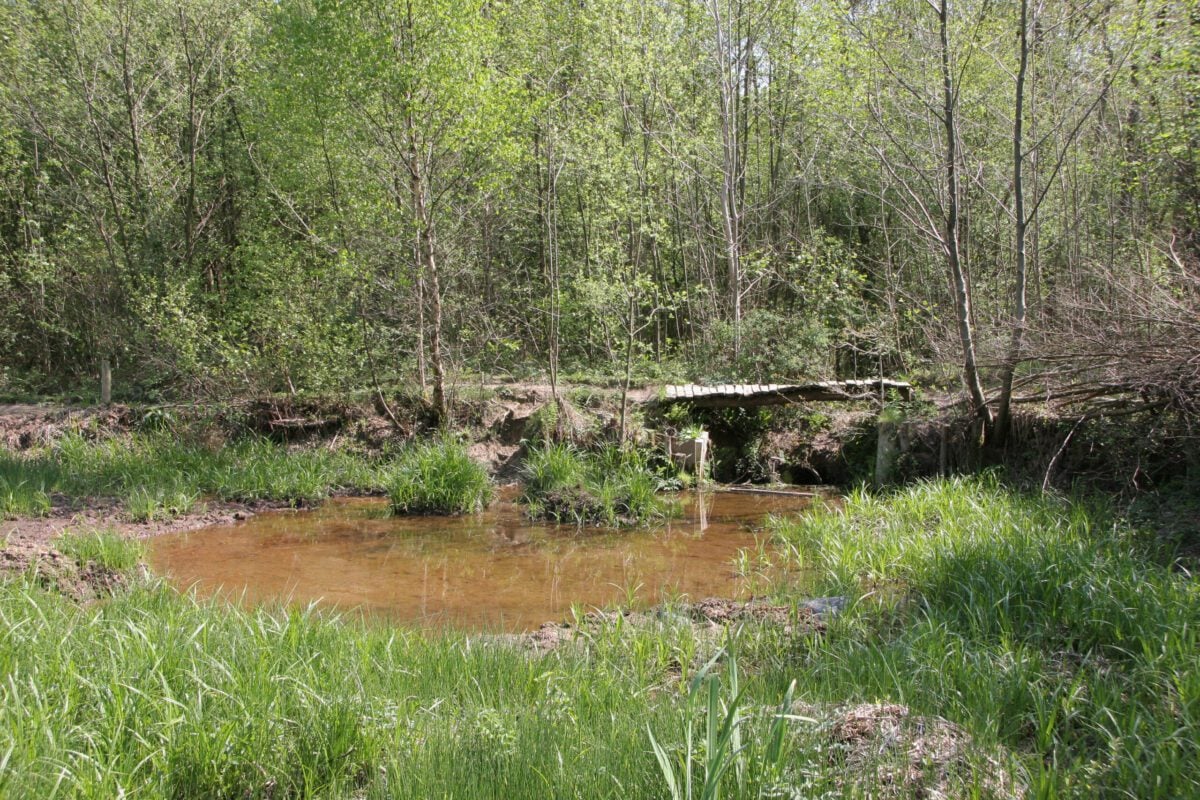
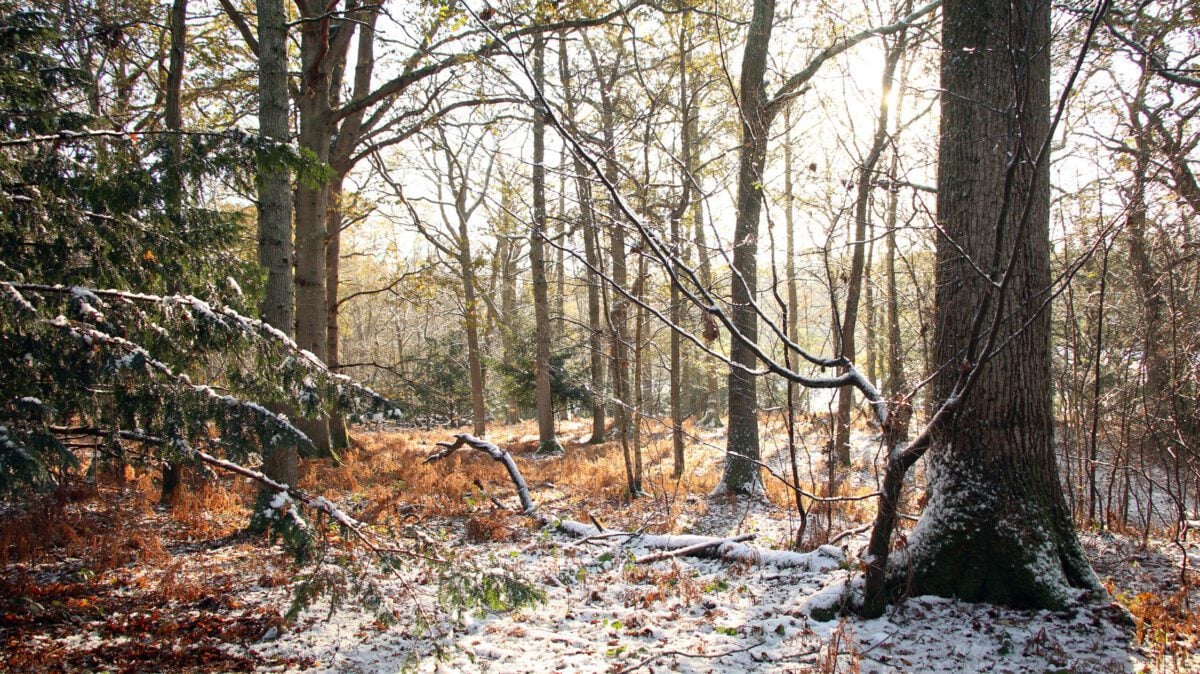
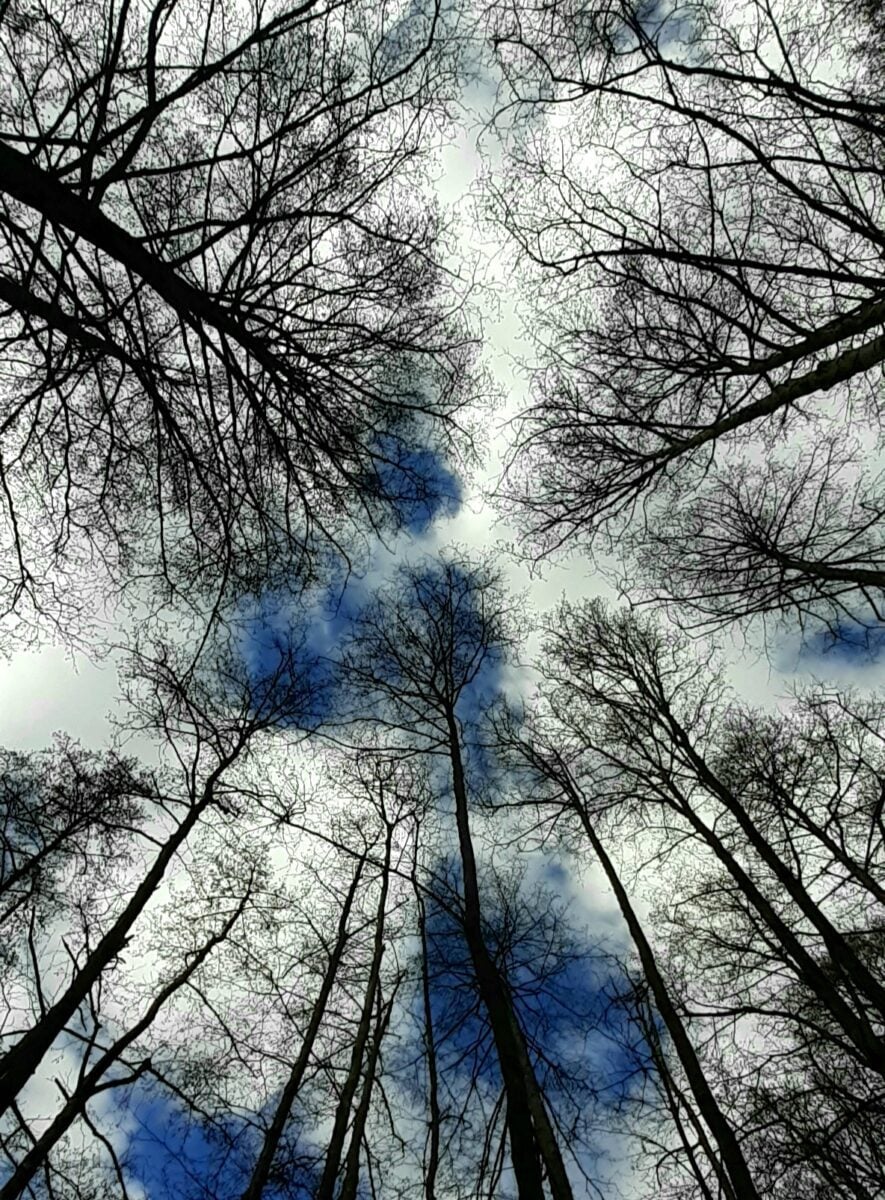
In the quiet, well-wooded far east of Sussex, just outside the village of Beckley, you will find a peaceful woodland full of surprises. Flatropers Wood covers 38 hectares of Oak and Birch woodland, sunny rides, open heathy areas, ponds and streams.
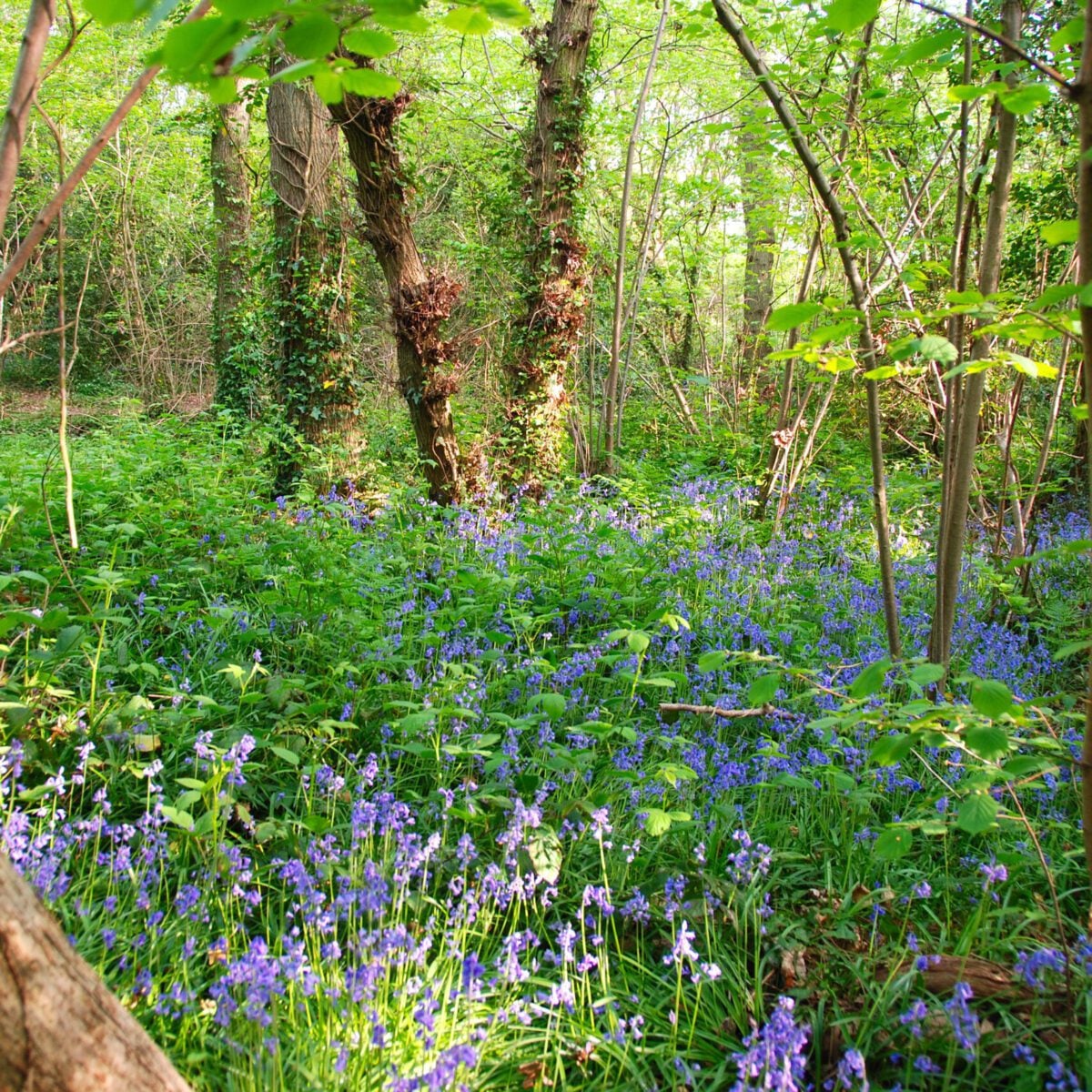
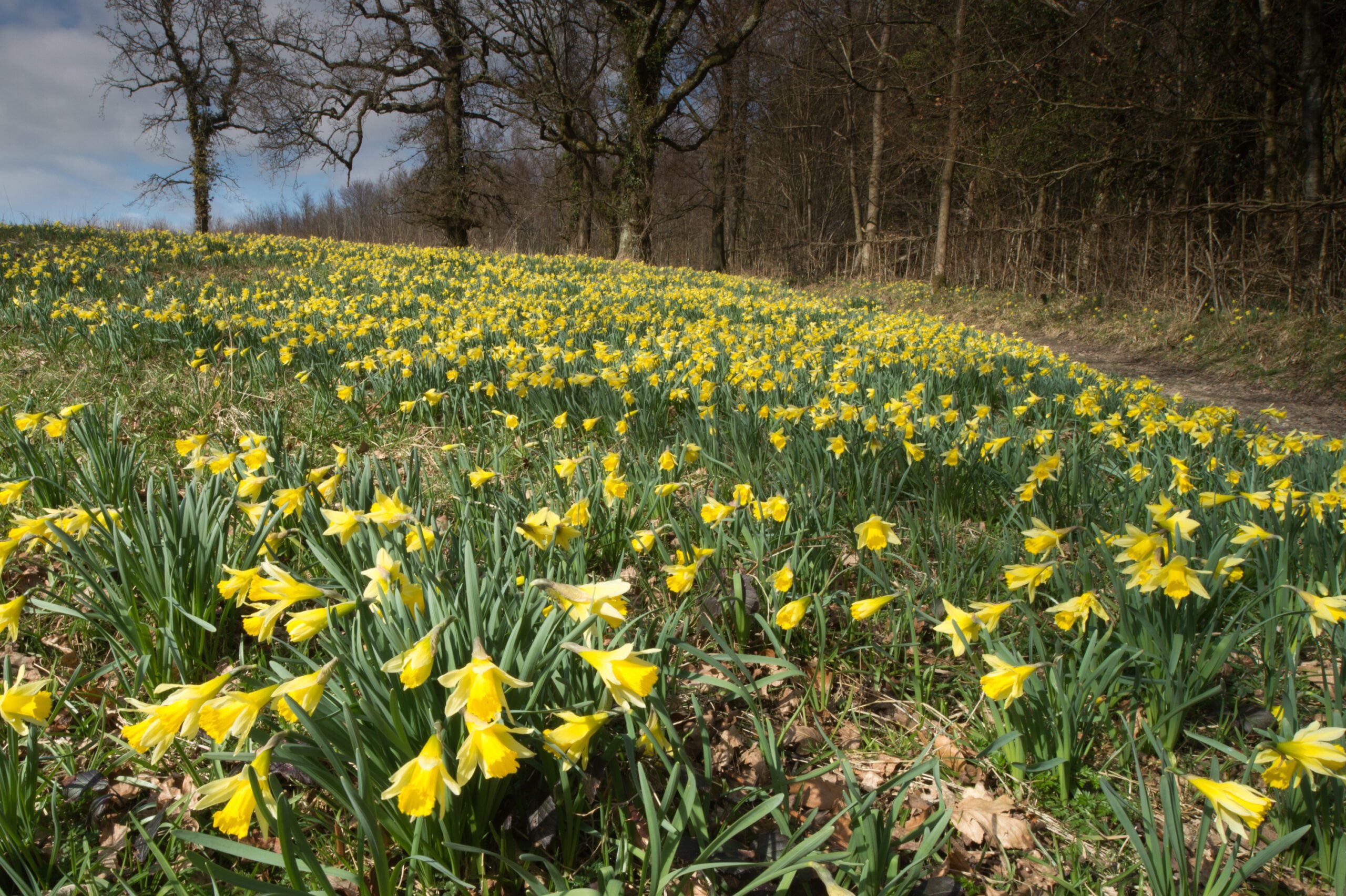
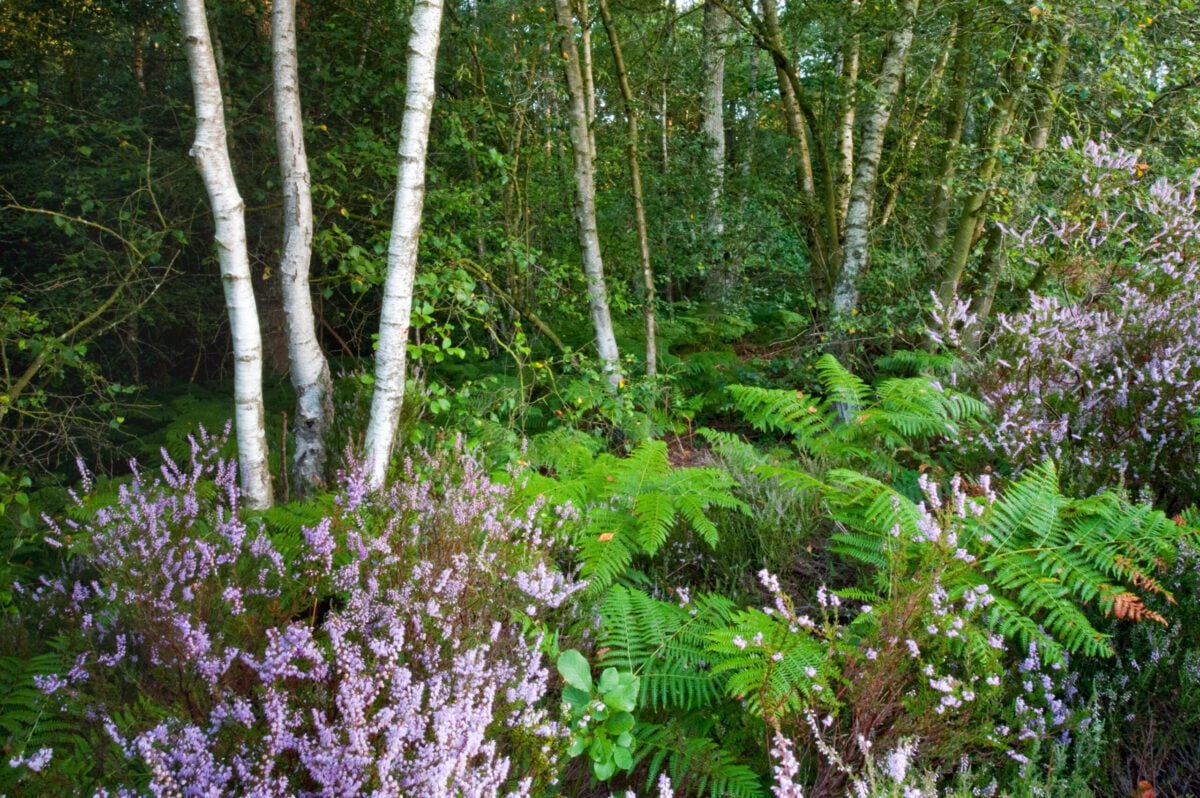
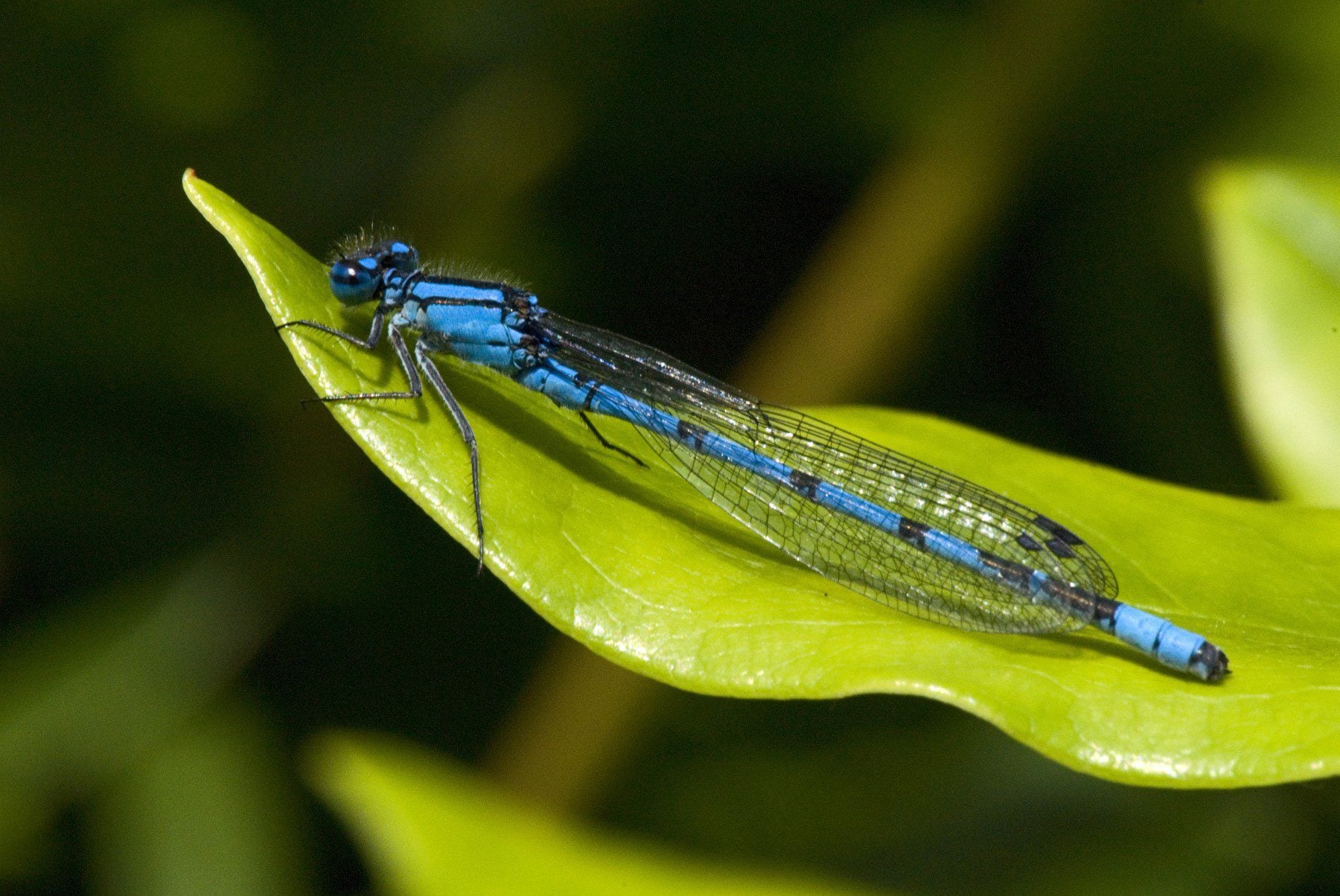
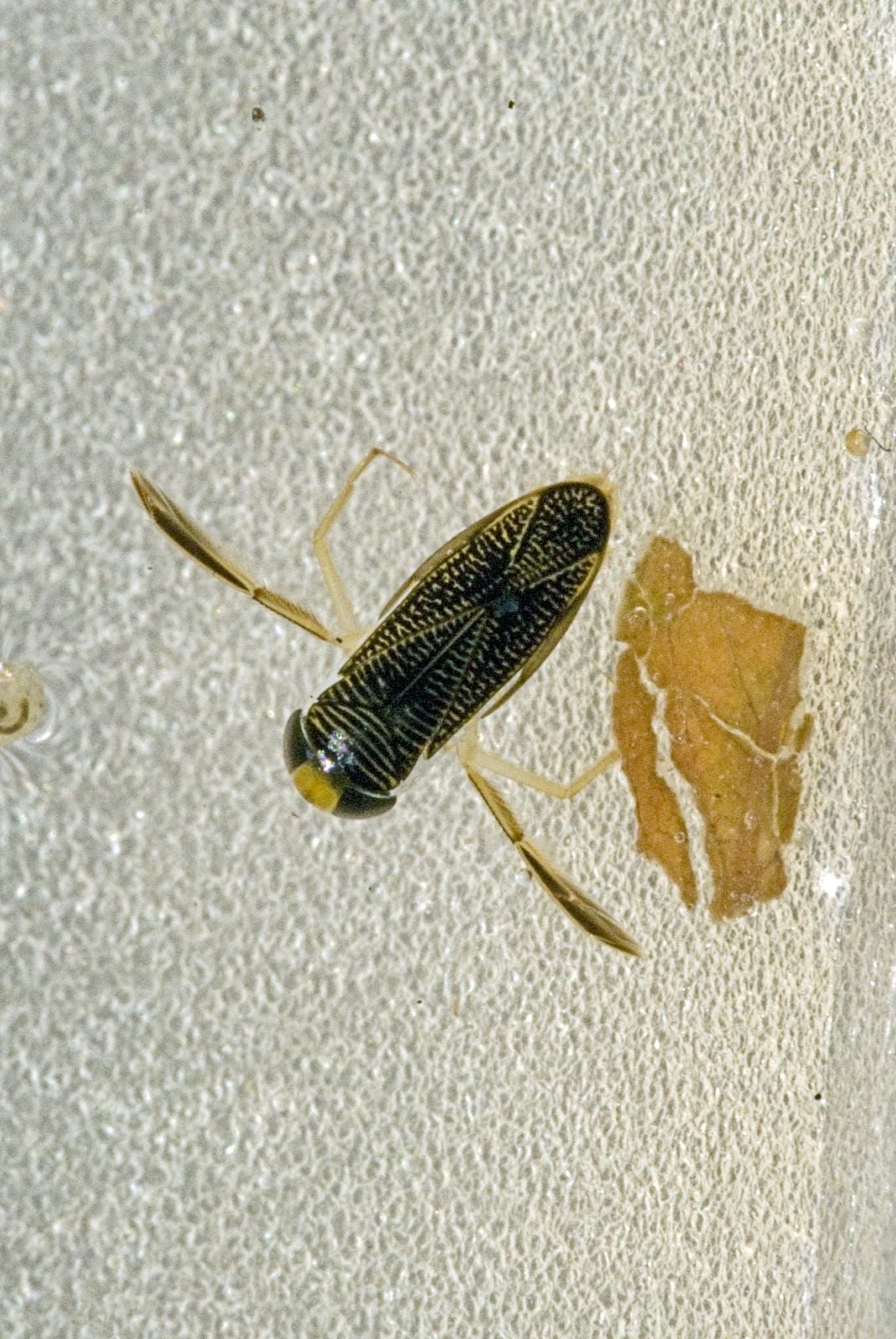
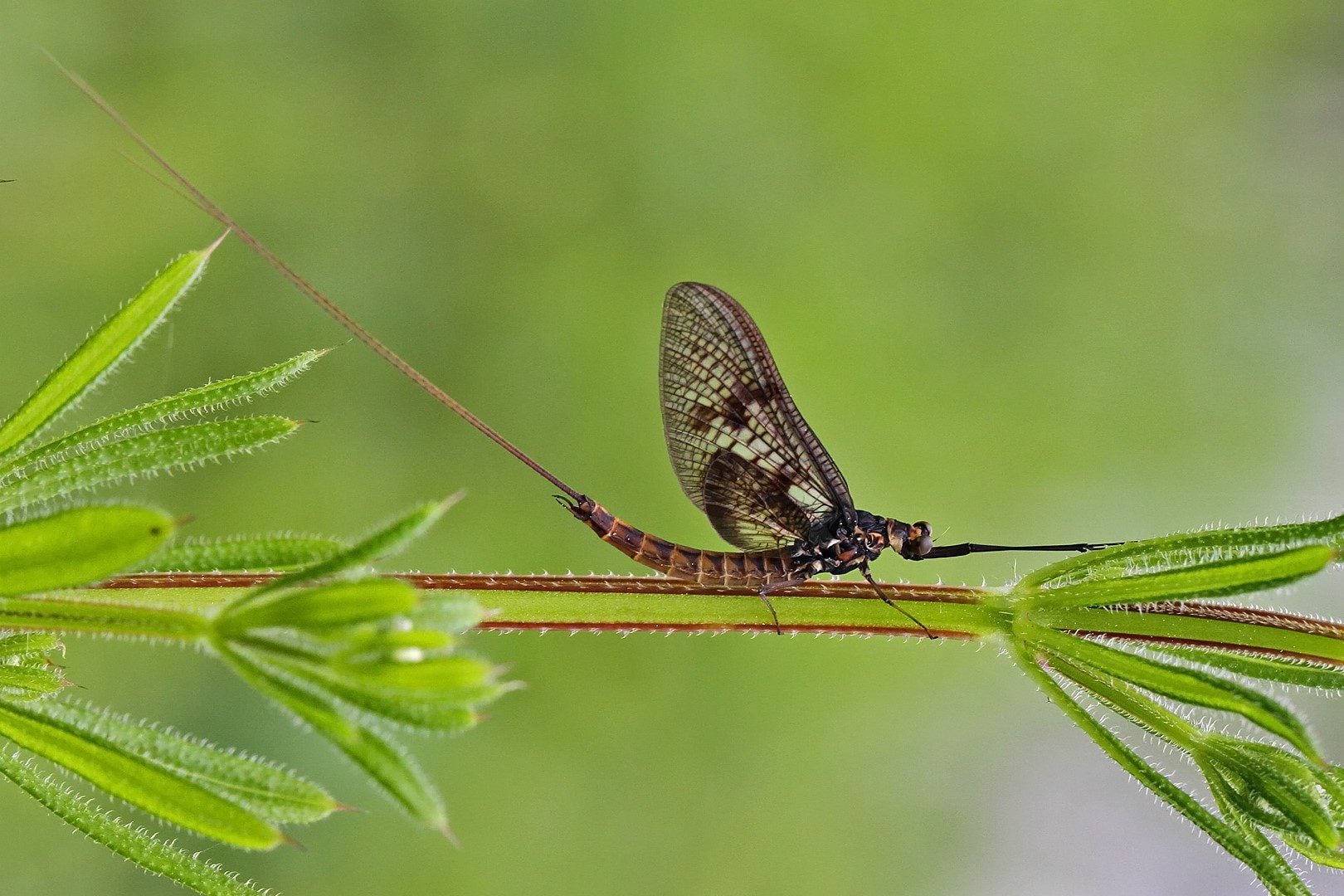
The wood has been worked for centuries and its mix of habitats reflects that long history: ancient Sweet Chestnut coppice, pollarded Hornbeam along old boundary banks, Heather-filled clearings and Alder-lined streams. In spring the woodland floor is thick with Bluebells and Wood Anemones. By summer the rides are warm and busy with insects, including some genuinely rare species such as Scarce 7-spot Ladybird and Oak Mining-bee, that have made Flatropers Wood a place of national significance for invertebrate recording.


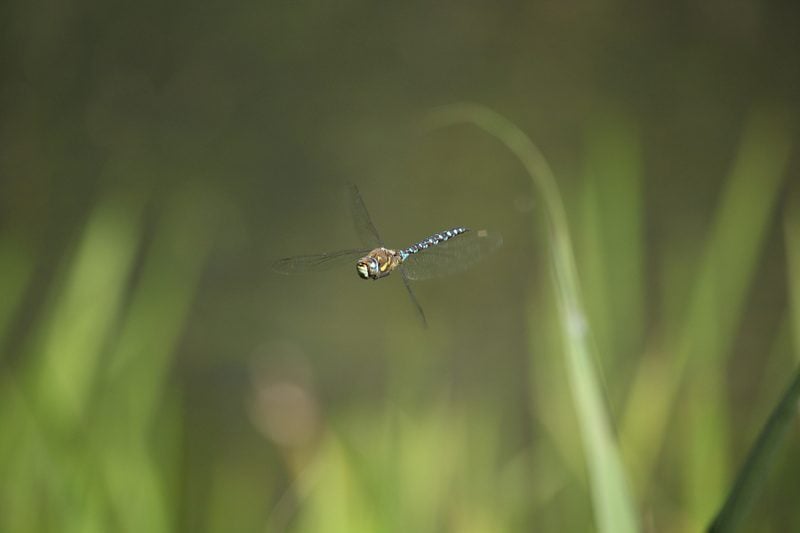
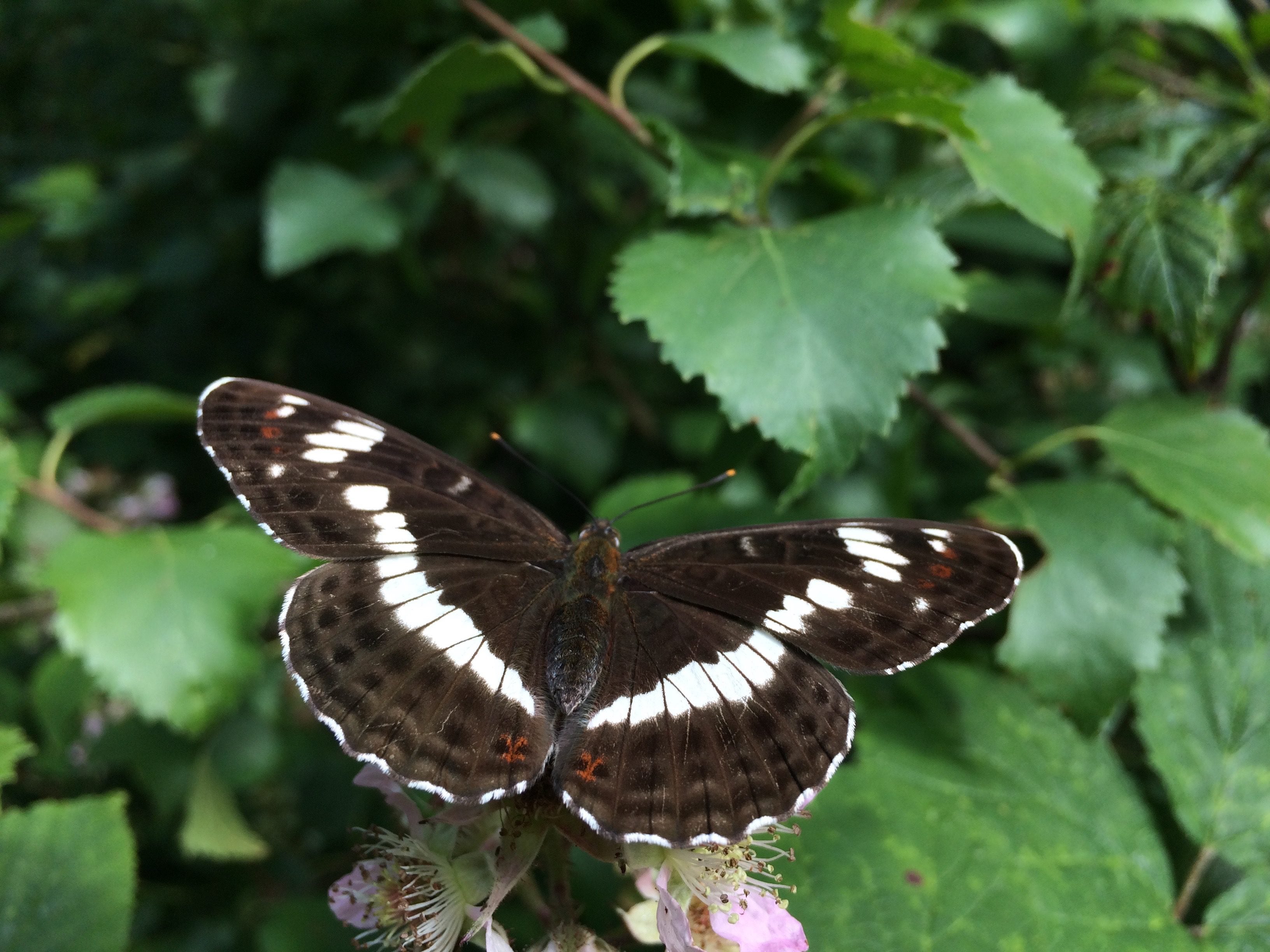
Owen Johnson Volunteer Reserve ManagerIn one of the quietest and least-known corners of Sussex, Flatropers Wood is unlike anywhere else I know. Everywhere, wood-ants build their giant nests, and whenever we open rides and glades, unusual heathland flowers bloom in abundance. It’s great for butterflies and dragonflies, plus many rarer insects.
Know before you go
Opening times
The reserve is open at all times
Free to visit
All our open reserves our free to visit, but if you enjoy your visit please consider donating to Sussex Wildlife Trust to help us manage these special places
Reserve size – 38 hectares
How to get here
Postcode: TN31 6TH
Access from Bixley Lane, a small unsurfaced road joining the A268 approximately two kilometres west of Peasmarsh.
One or two lay-bys are available for parking on Bixley Lane.
Please ensure you park safely and do not block access gates.
Getting around
Gates at the entrance. Paths throughout the wood are fairly flat.
Paths can become muddy in winter, boots are recommended.
Dogs welcome on leads
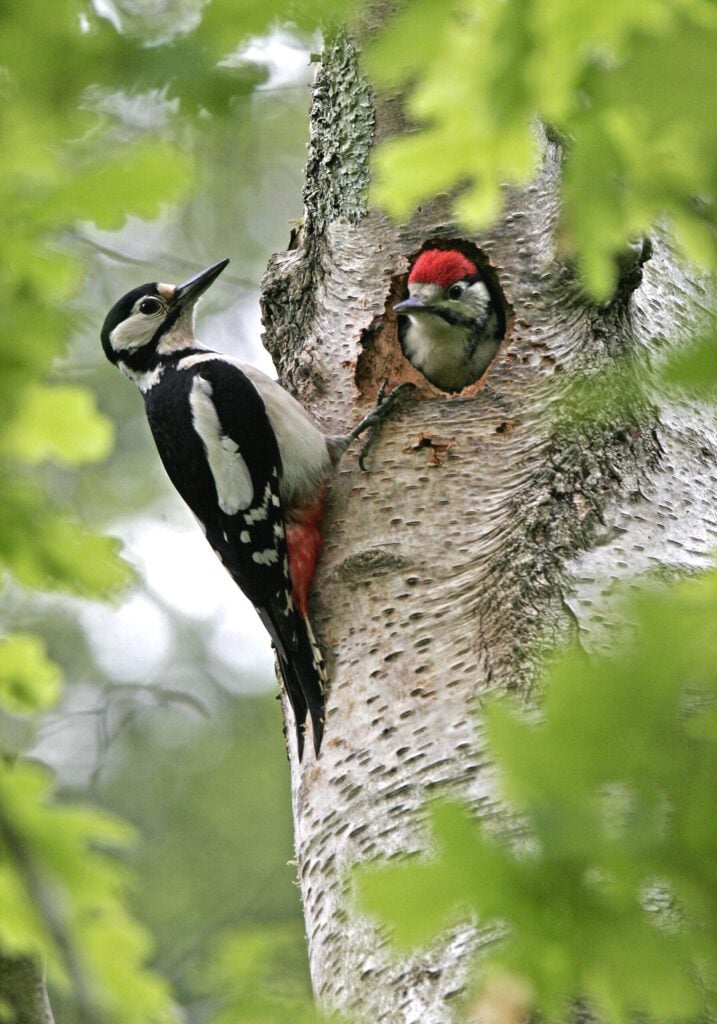
Dogs are welcome, but please keep them under close control to protect ground-nesting birds.
Toilets
Toilets are available in Rye and at the Rye Harbour Discovery Centre.
Check Toilet Map for a range of options.
Dos and don’ts
- Keep your dog on a lead
- No fires or barbecues
- Take your litter home
- Don’t pick flowers or forage
- No camping
- Tell us what nature you’ve seen via iRecord


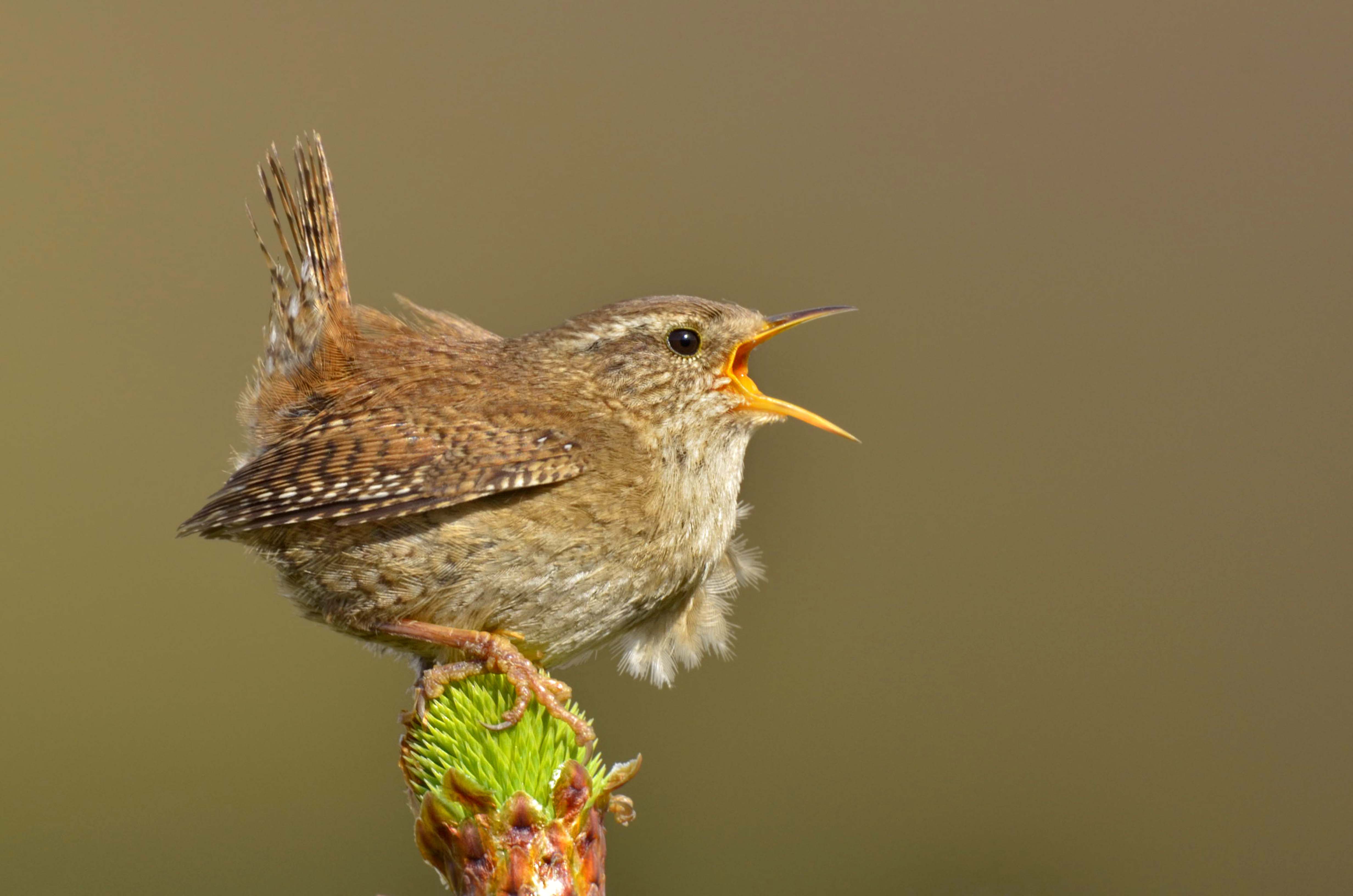
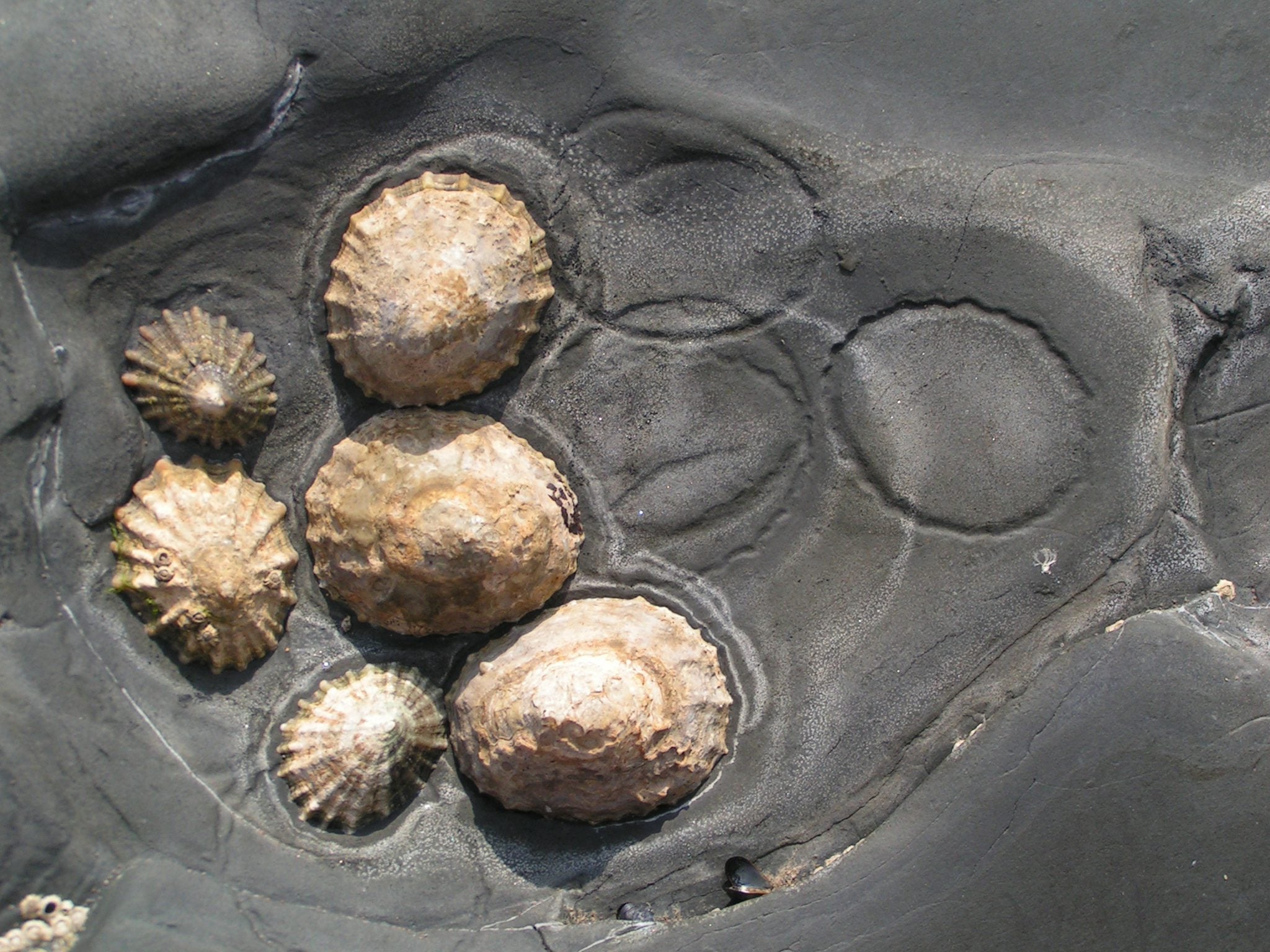

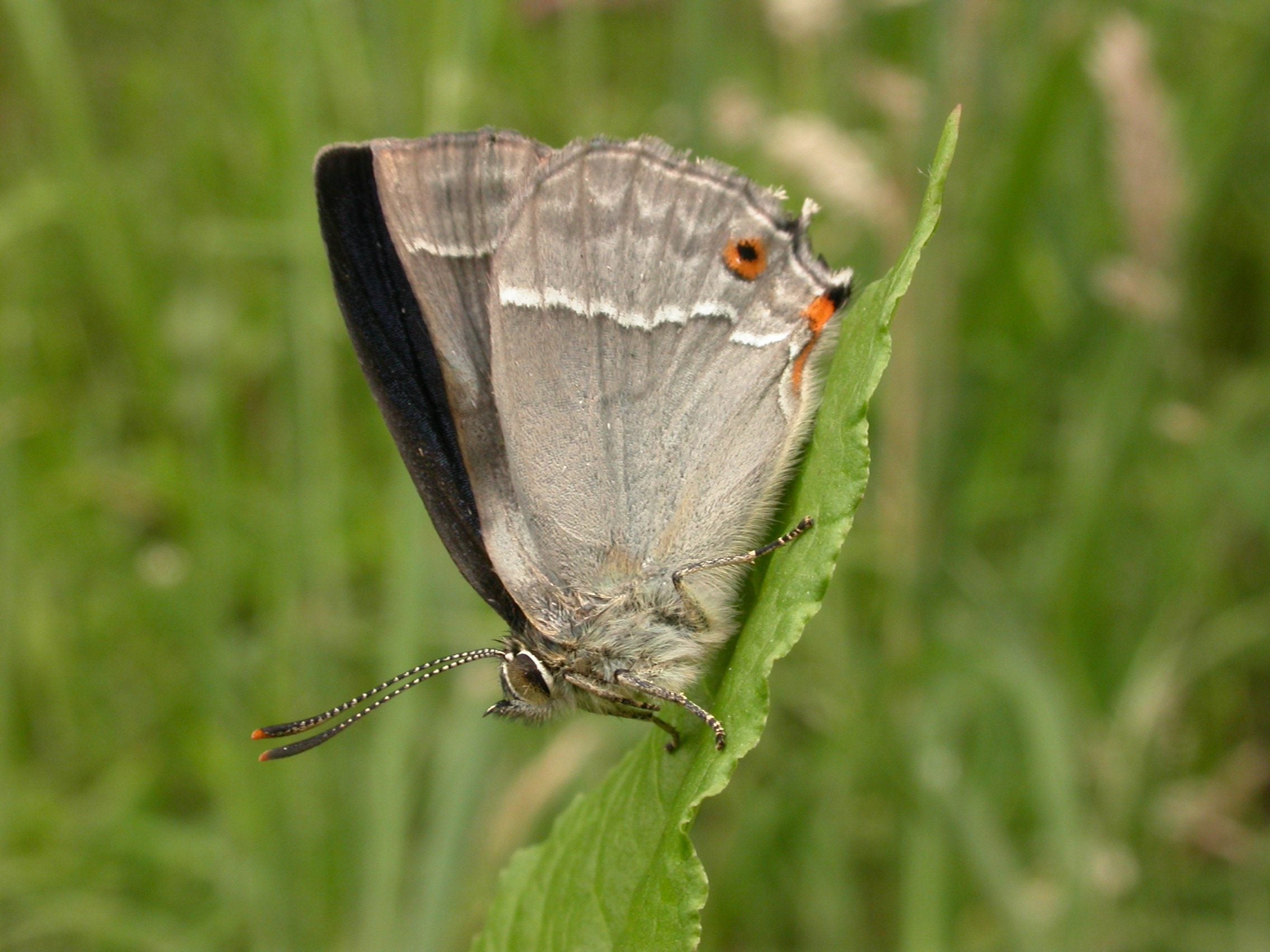
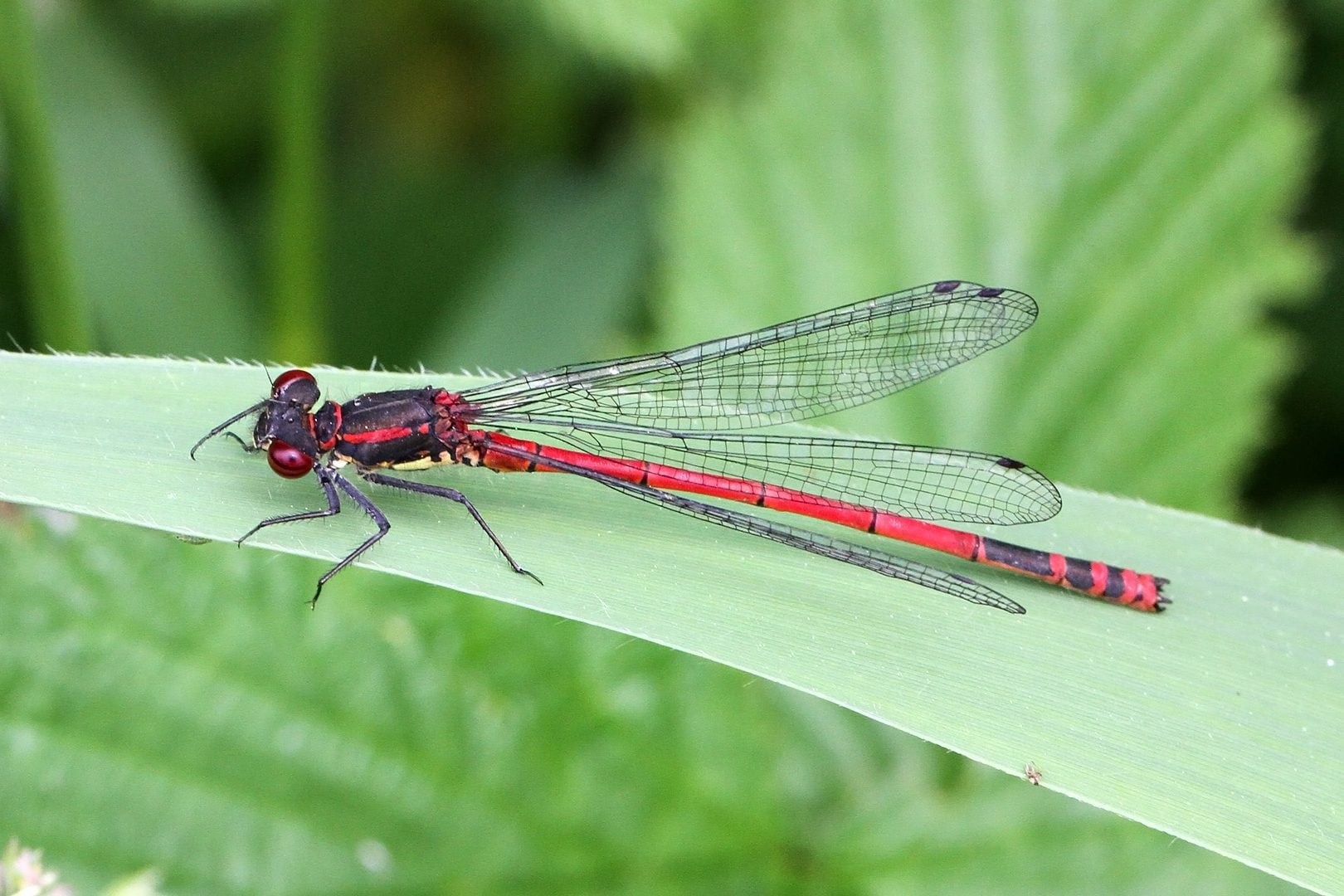
 © Roger Wilmshurst
The story of the reserve
Flatropers Wood has been worked for a very long time. Many of the oaks were planted in the 1700s for the shipbuilding industry; the Sweet Chestnut was coppiced for timber; Hornbeam was pollarded along old boundary banks. The open heathy clearings beneath the power lines reflect the acid sandy soils that underlie this part of Sussex.
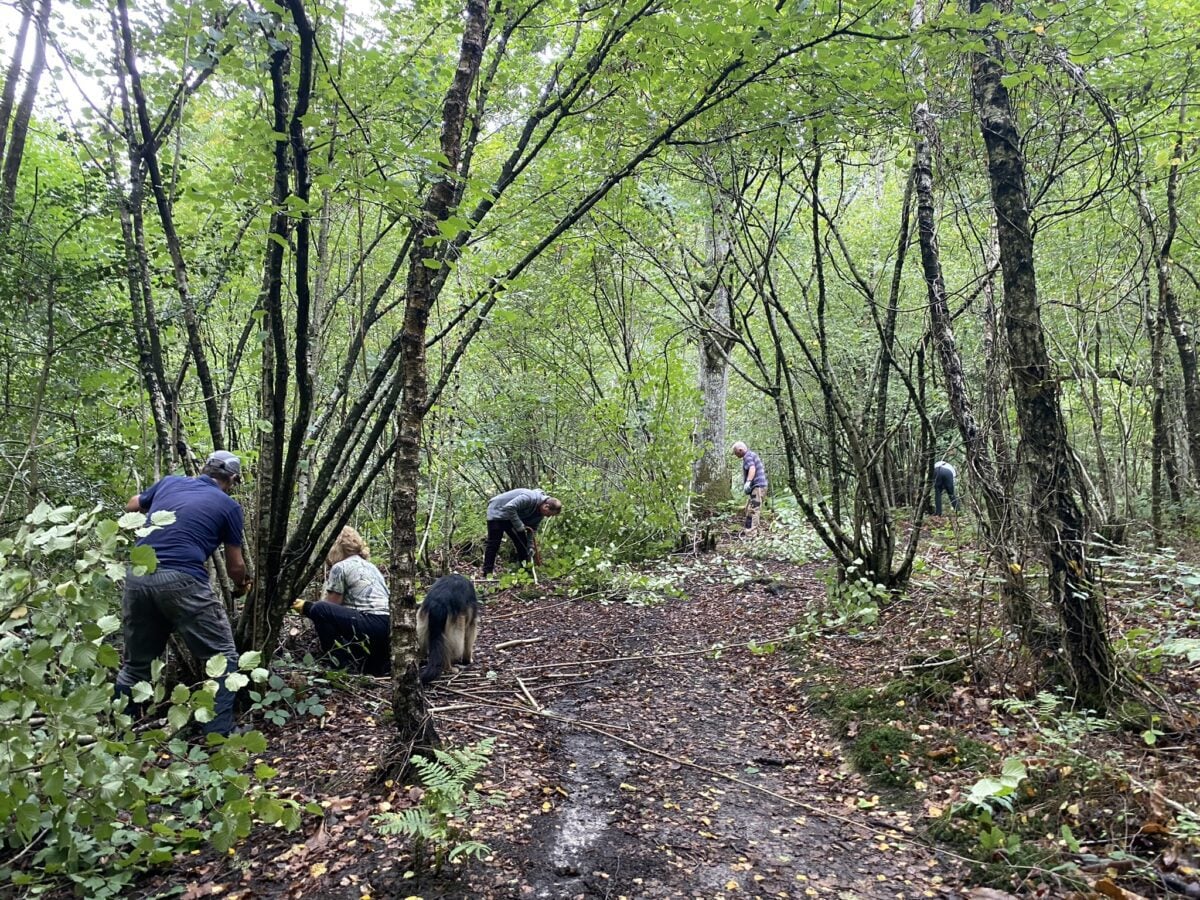
Today the reserve is managed through careful maintenance of open areas and coppicing along the rides to keep the structure varied. Much of the woodland though, is left to look after itself and the wildlife that has found its way here is the result.
Did you know?
Welcome return
The Oak Mining-bee was found here in 2014 – it’s only Sussex record in over 70 years!
Can spot it?
The Scarce 7-spot Ladybird is found in only a handful of Sussex sites and lives exclusively close to Red Wood Ant nests.
Shiver me timbers
Many of the Oaks were planted in the 18th century to supply timber for the British shipbuilding industry.