Take action
Become a member
Memberships build our community and give us a predictable income, which lets us plan and sustain longer projects that can have a greater impact. The more members we have, the more we can do to protect the Sussex countryside and coast.
Make a donation
Nature in Sussex is struggling right now. Every pound counts when it comes to the critical work needed to help nature recover. No matter how big or small, your donation will help us make a difference together.
Overview
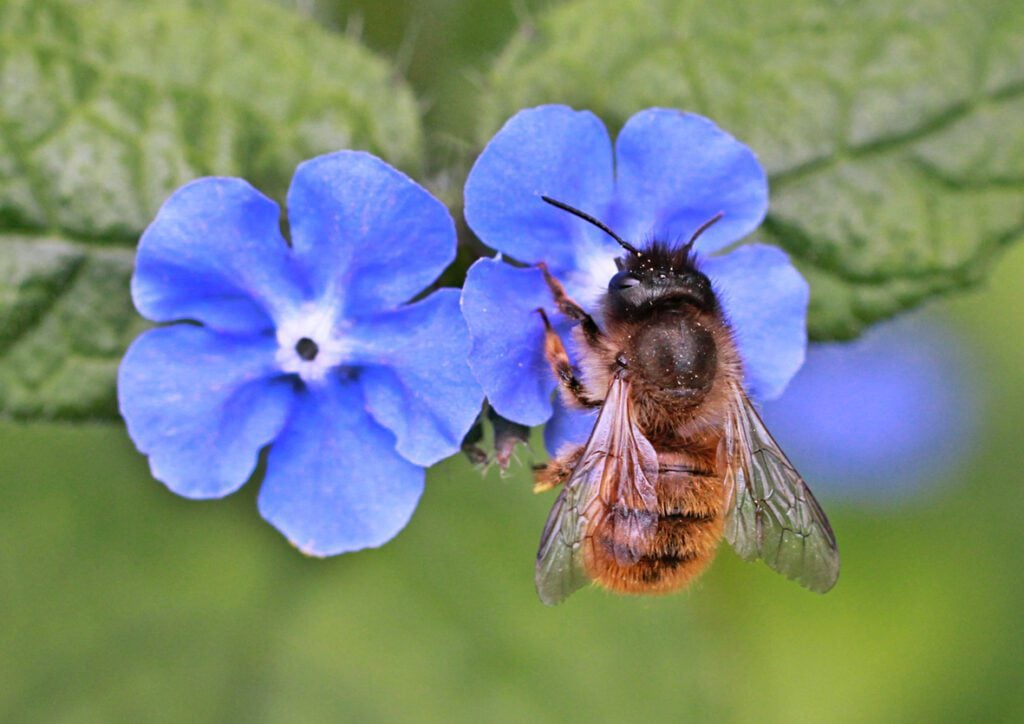
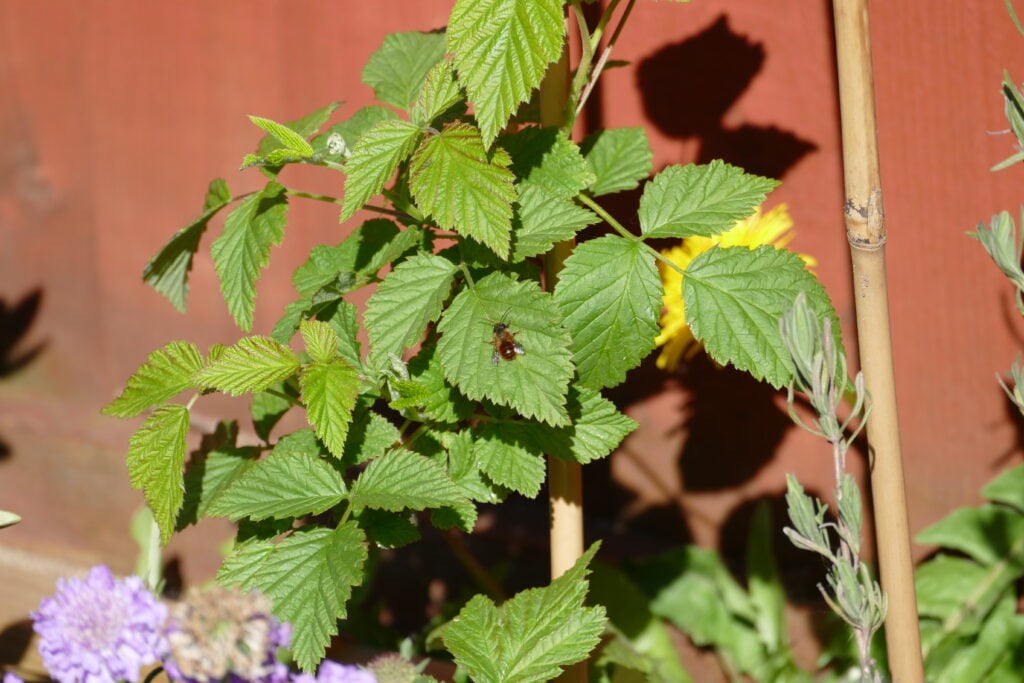
The Red Mason Bee is a solitary bee so, after mating, each female builds her own nest; she lines each ‘cell’ with mud and pollen and lays a single egg in each until the cavity is full. The larvae hatch and develop, pupating in autumn and hibernating over winter.
The Red Mason Bee is on the wing from late March, and feeds solely on pollen and nectar. They can be found nesting in hollow plant stems, in holes in cliffs, and in the crumbling mortar of old buildings.
Key Facts
- The Red Mason Bee is covered in dense gingery hair; the males are smaller than the females and sport a white tuft of hair on the face. There are many similar species of masonry bee that can be difficult to identify.
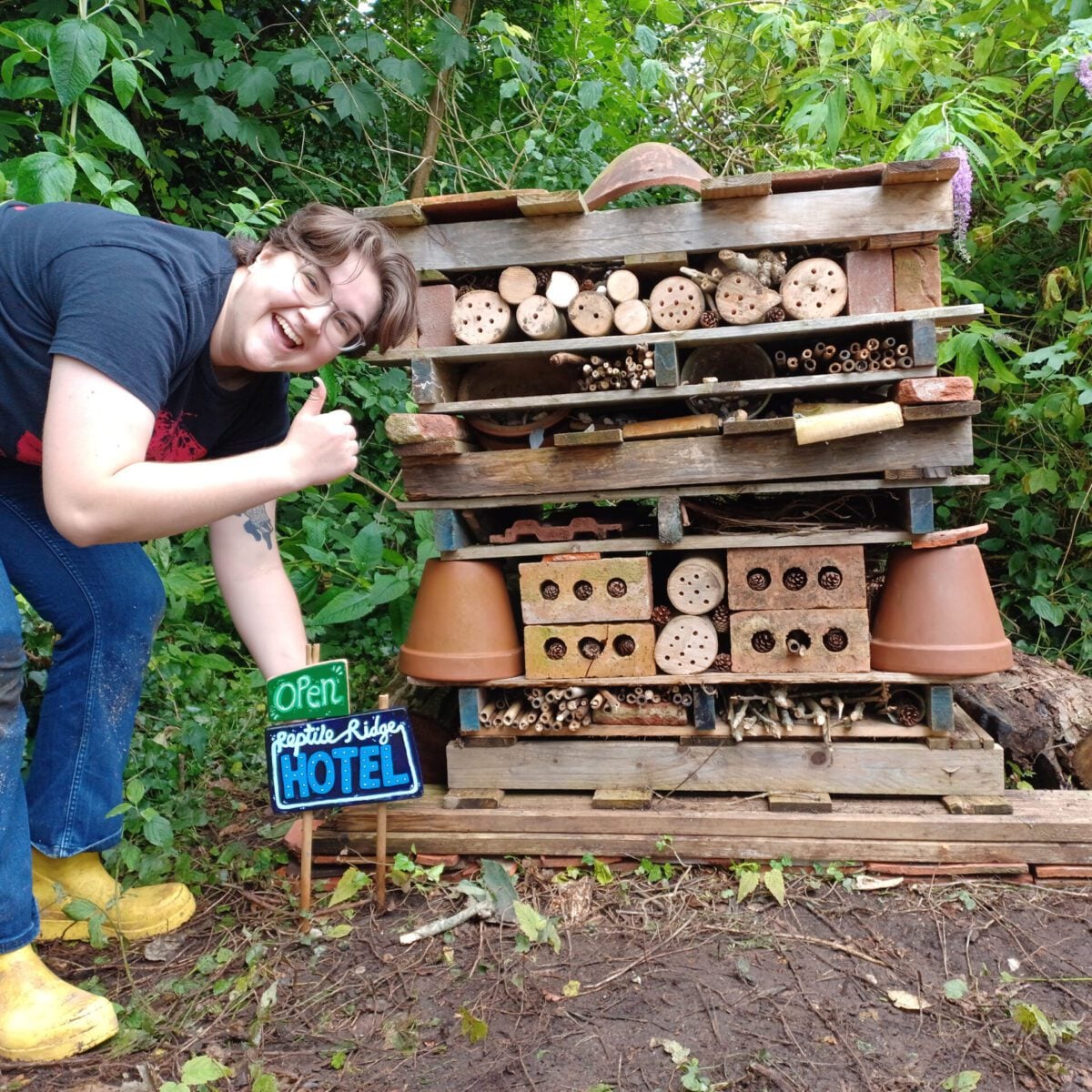
- You can provide a home in your garden for solitary bees by putting some dry grass in an upturned flowerpot and partly burying it. Alternatively, you can make an insect home by filling an old tin can with short lengths of cane, placing them vertically inside the can so that their hollow insides are visible.
- Length: 0.6-1.1cm
Status
Common.
Seasonality
March to June