Take action
Become a member
Memberships builds our community and gives us a predictable income, which lets us plan and sustain longer projects that can have a greater impact. The more members we have, the more we can do to protect the Sussex countryside and coast.
Make a donation
Membership builds our community and gives us a predictable income, which lets us plan and sustain longer projects that can have a greater impact. The more members we have, the more we can do to protect the Sussex countryside and coast.
Overview
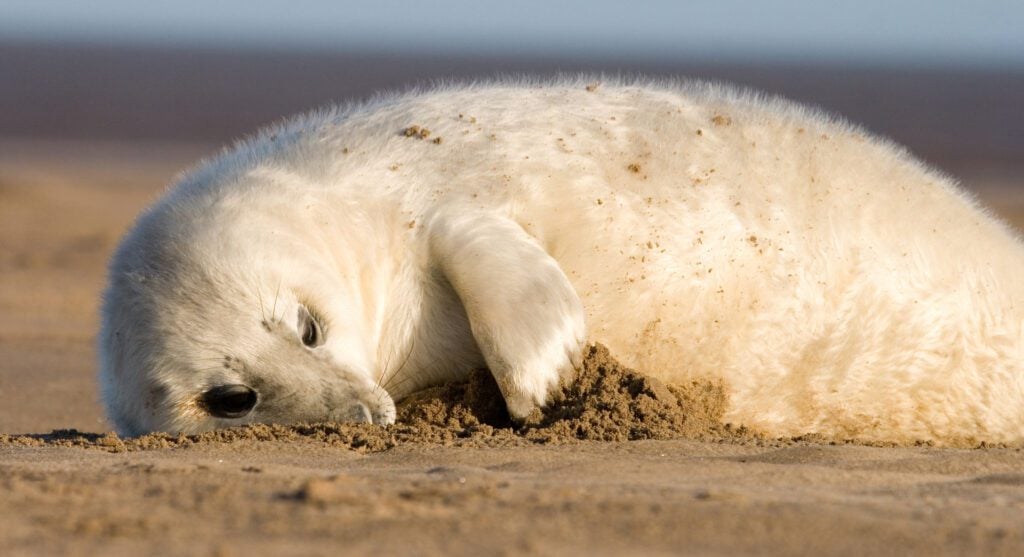
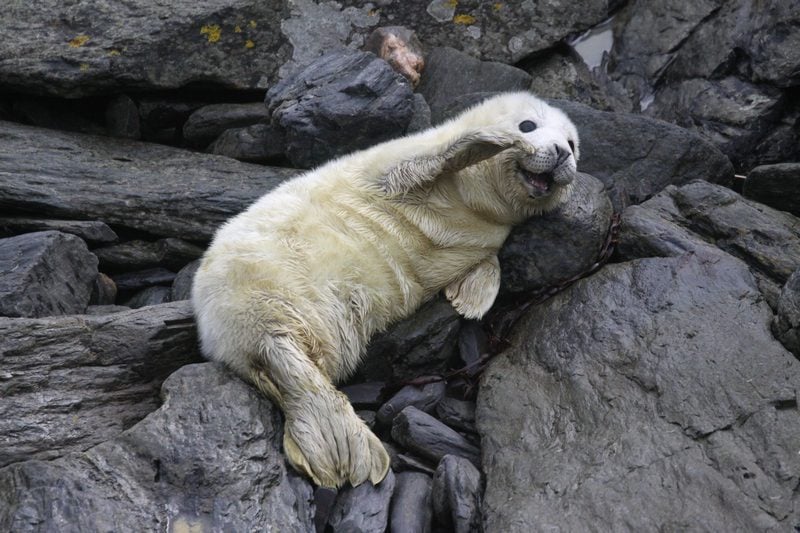
The Grey Seal is the larger of the two UK seal species. If you catch a good look at them you’ll see how they got their scientific name Halichoerus grypus – it means hook-nosed sea pig!
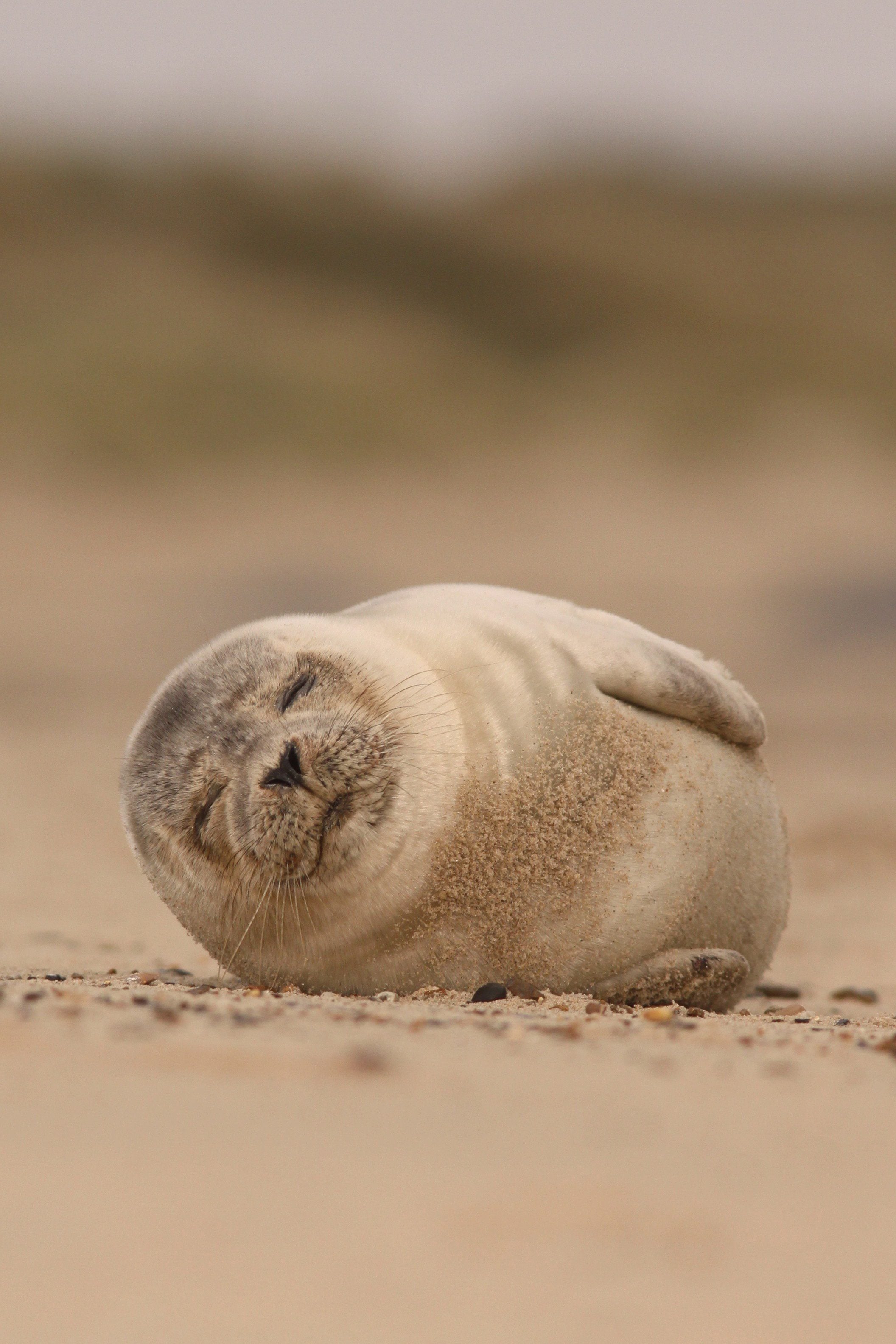
These mammals spend most of their time out at sea feeding on fish. They return to land to rest and can often be seen ‘hauled out’, lying on British beaches. Grey Seals give birth to fluffy white pups in the autumn. These adorable pups stay on land until they have lost their white coats and trebled their body weight.
Key Facts
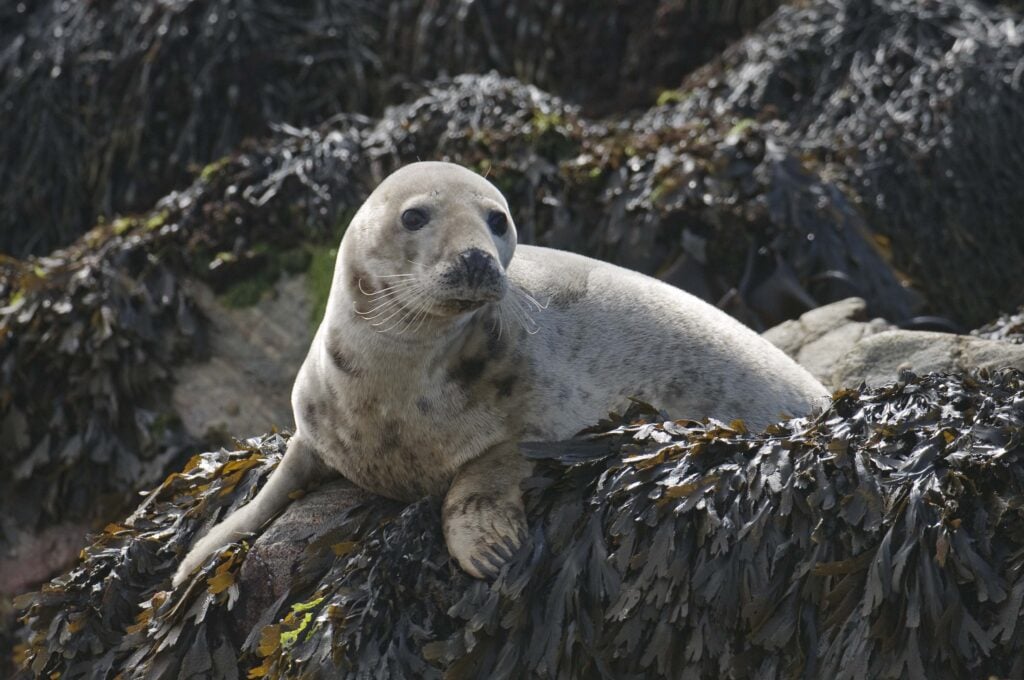
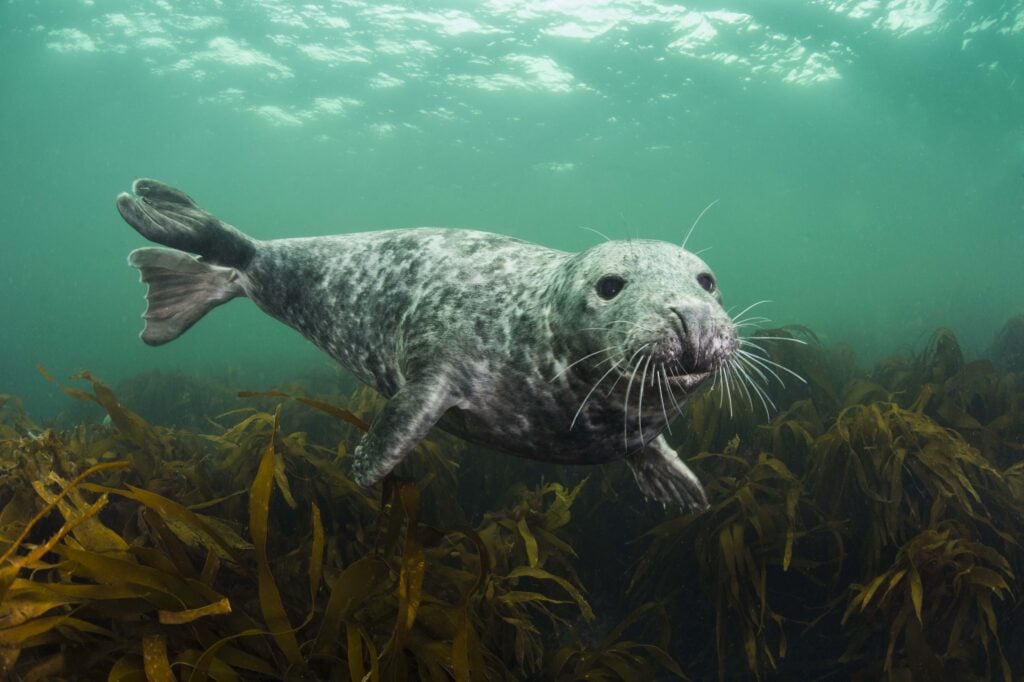
- The Grey Seal can be distinguished from the Common Seal by its larger size and longer head with a sloping ‘roman nose’ profile. Looking straight on, their nostrils are parallel, rather than v-shaped as in Common Seals. Mainly grey in colour, the unique pattern of darker blotches and spots can be used to identify individuals.
- Despite numbers dropping to only 500 in the early 20th century, it’s estimated that there are now more than 120,000 grey seals in Britain, representing 40% of the world’s population and 95% of the European population.
- Length: up to 2.6m Weight: Males up to 300kg, females up to 200kg. Average Lifespan: 30-40 years
Status
Protected in Britain under the Conservation of Seals Act 1970. Also protected under the Wildlife (Northern Ireland) Order 1985 and the Marine (Scotland) Act 2010.
Seasonality
All year round