Take action
Become a member
Memberships build our community and give us a predictable income, which lets us plan and sustain longer projects that can have a greater impact. The more members we have, the more we can do to protect the Sussex countryside and coast.
Make a donation
Membership builds our community and gives us a predictable income, which lets us plan and sustain longer projects that can have a greater impact. The more members we have, the more we can do to protect the Sussex countryside and coast.
Overview
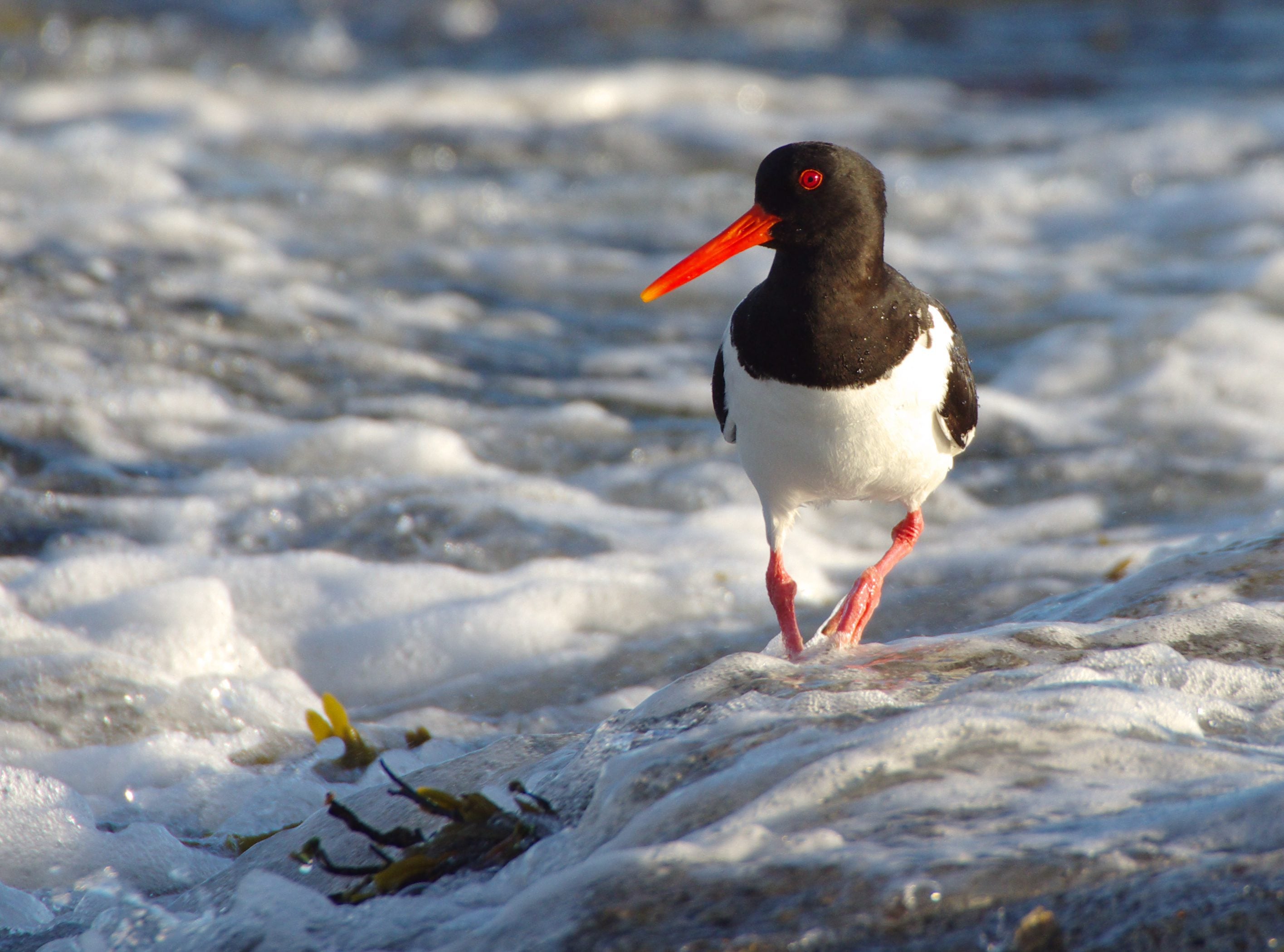
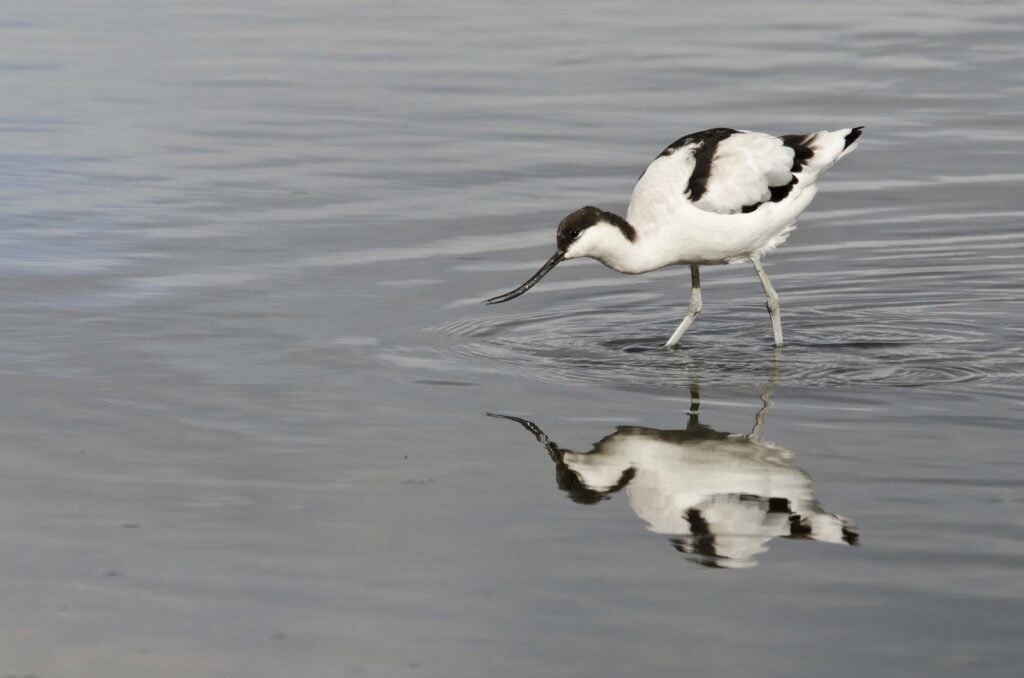
A scarce wader, the Avocet is about the same size as an Oystercatcher, but much more slender. They are often seen on estuaries and mudflats at the coast where they breed on exposed mud in a dug-out scrape.
Avocets feed on aquatic insects, worms and crustaceans, which they find by sweeping their bill from side-to-side in shallow water.
Key Facts
- Avocets are mainly white, with black patches on the back and wings, and a black cap stretching down the back of the neck. They have long, blue legs, but are most easily recognised by their long, black, upturned bills.
- Avocets, or ‘Pied Avocets’ as they are known globally, are a great conservation success story: extinct in the UK during the 19th century, this beautiful bird was given a lifeline during the Second World War when it was able to recolonise the beaches of East Anglia which were closed and flooded as a defence against invasion.
- Length: 42-46cm Wingspan: 78cm Weight: 280g Average lifespan: 7 years
Status
Classified in the UK as Amber under the Birds of Conservation Concern 5: the Red List for Birds (2021). Protected in the UK under the Wildlife and Countryside Act, 1981.
Seasonality
All year round