Take action
Become a member
Memberships build our community and give us a predictable income, which lets us plan and sustain longer projects that can have a greater impact. The more members we have, the more we can do to protect the Sussex countryside and coast.
Make a donation
Nature in Sussex is struggling right now. Every pound counts when it comes to the critical work needed to help nature recover. No matter how big or small, your donation will help us make a difference together.
Overview
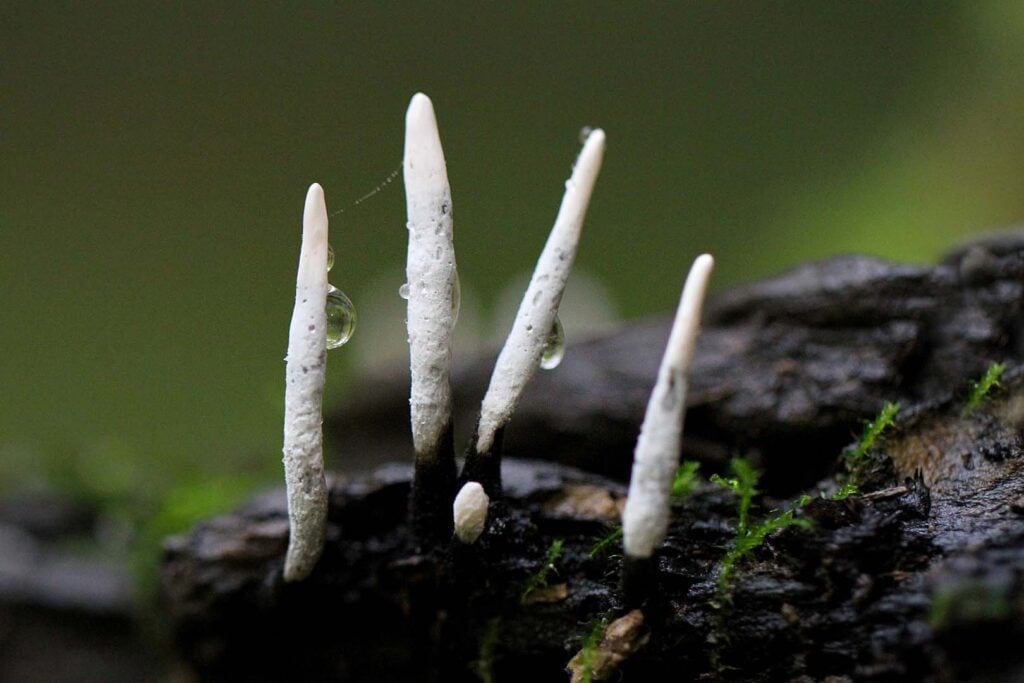
The Candlesnuff Fungus, also known as the ‘Stag’s Horn’, has an erect, simple or forked fruiting body with a downy stalk. It grows in groups on dead and rotting wood, and can be found on stumps and branches of all sorts of trees.
Key Facts
- The fruiting body of the Candlesnuff Fungus is simple, erect and stick-like. It is black and hairy at the base of the stem and powdery white at the tip. The stem can become flattened and branched in a fork like an antler, hence the other name of ‘Stag’s Horn’.
- The Candlesnuff Fungus relies on dead wood, but the importance of this habitat for wildlife is often overlooked: to keep a place ‘neat’, mature and ageing trees may be removed and fallen dead wood cleared away. By keeping deadwood in your garden, you can encourage all kinds of fungi to grow, in turn, attracting the wildlife that depends upon it.
- Stem height: 1-6cm
Amazing mycelium
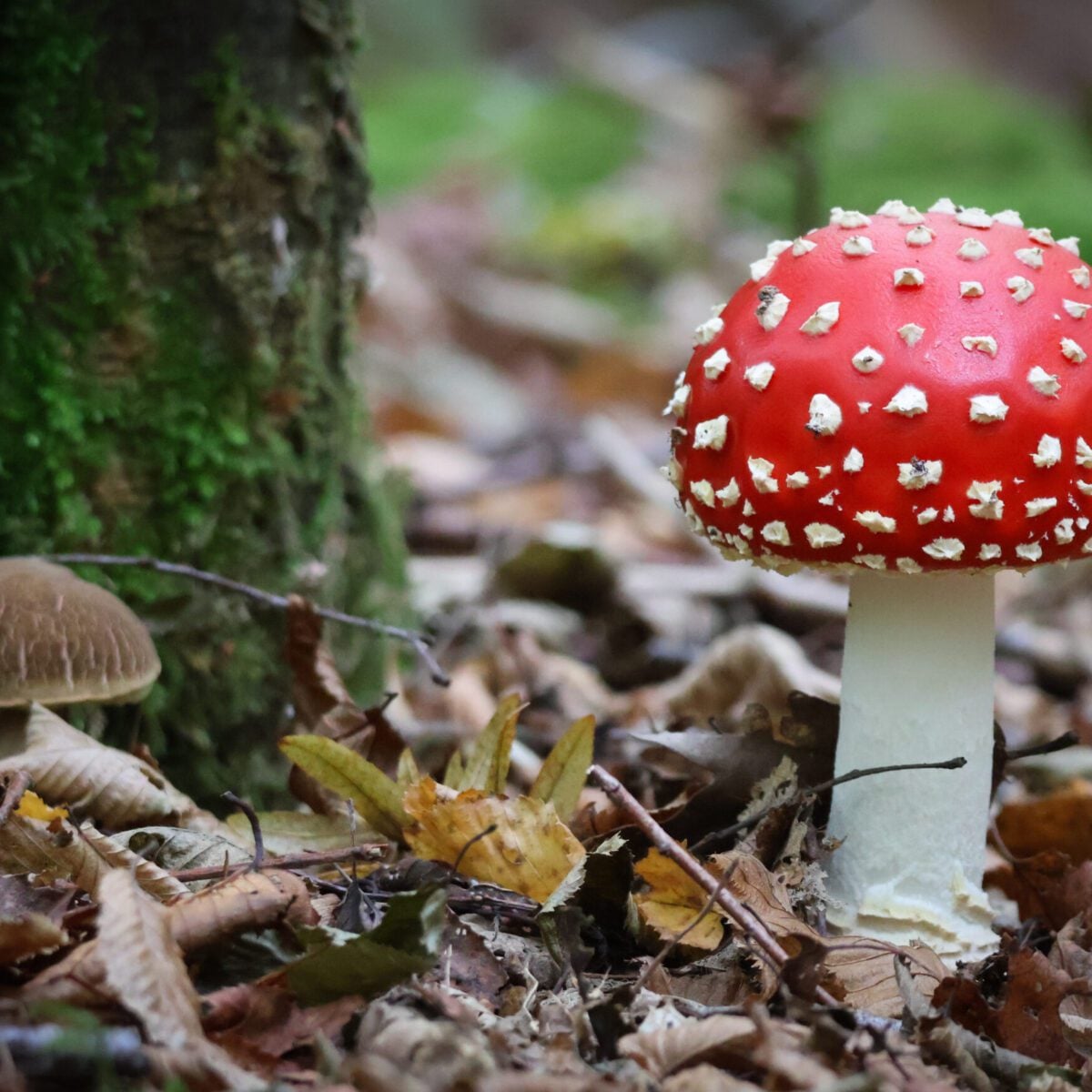
Mushrooms, the colourful fruiting bodies of fungi, can usually be seen between late summer and early winter. These grow up from an unseen network of tiny filaments called hyphae, which together form a structure known as the mycelium. The fruiting bodies produce spores for reproduction, although fungi can also reproduce asexually by fragmentation. The mycelium of many fungi often forms a symbiotic relationship with the trees around it, wrapping around the roots and supplying them with nutrients taken from the soil. In exchange, the fungus receives sugars produced by the trees.
Status
Common.
Seasonality
All year round