Take action
Become a member
Memberships builds our community and gives us a predictable income, which lets us plan and sustain longer projects that can have a greater impact. The more members we have, the more we can do to protect the Sussex countryside and coast.
Make a donation
Membership builds our community and gives us a predictable income, which lets us plan and sustain longer projects that can have a greater impact. The more members we have, the more we can do to protect the Sussex countryside and coast.
Overview
A medium-sized butterfly, the Speckled Wood is on the wing in two or three broods between the end of March and October.
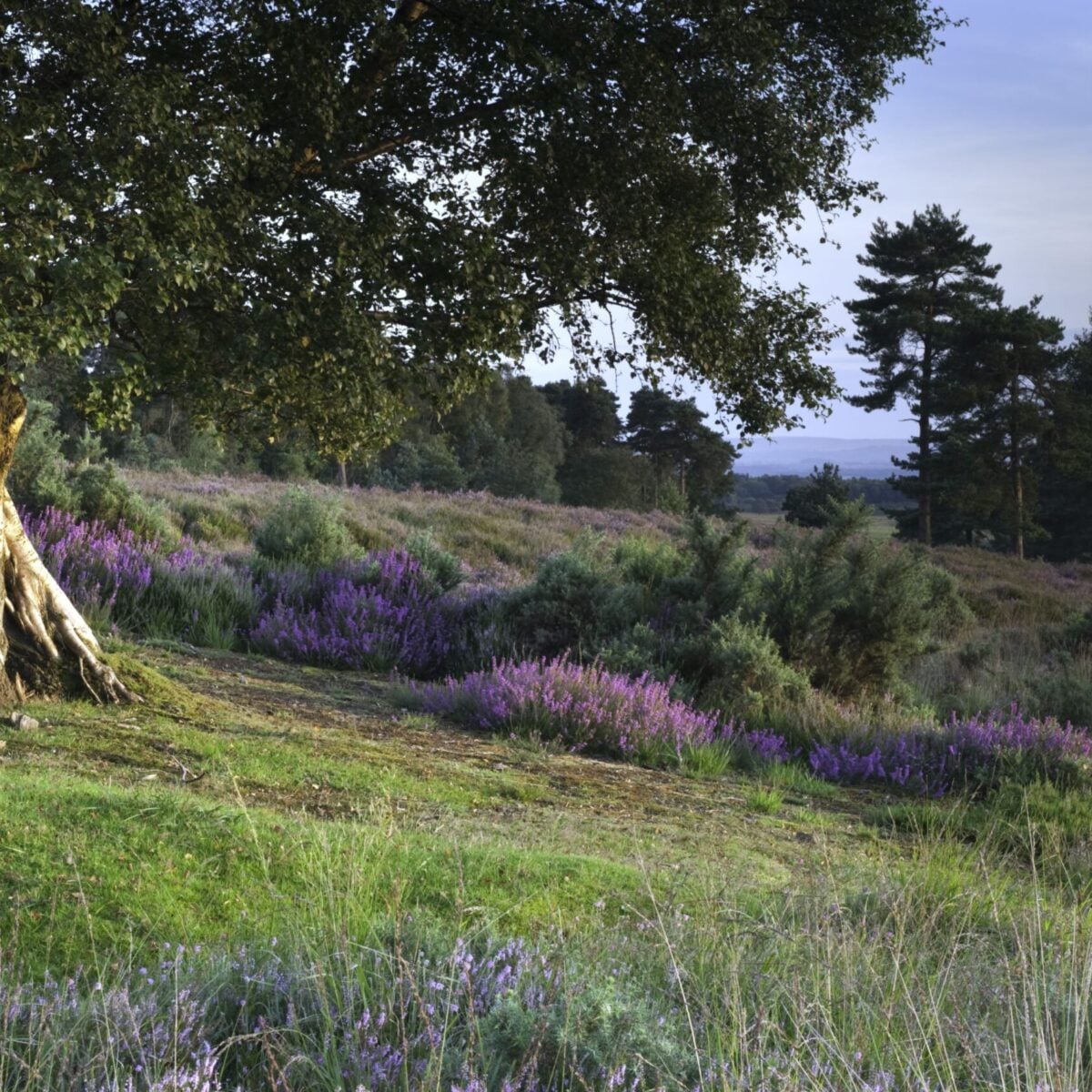
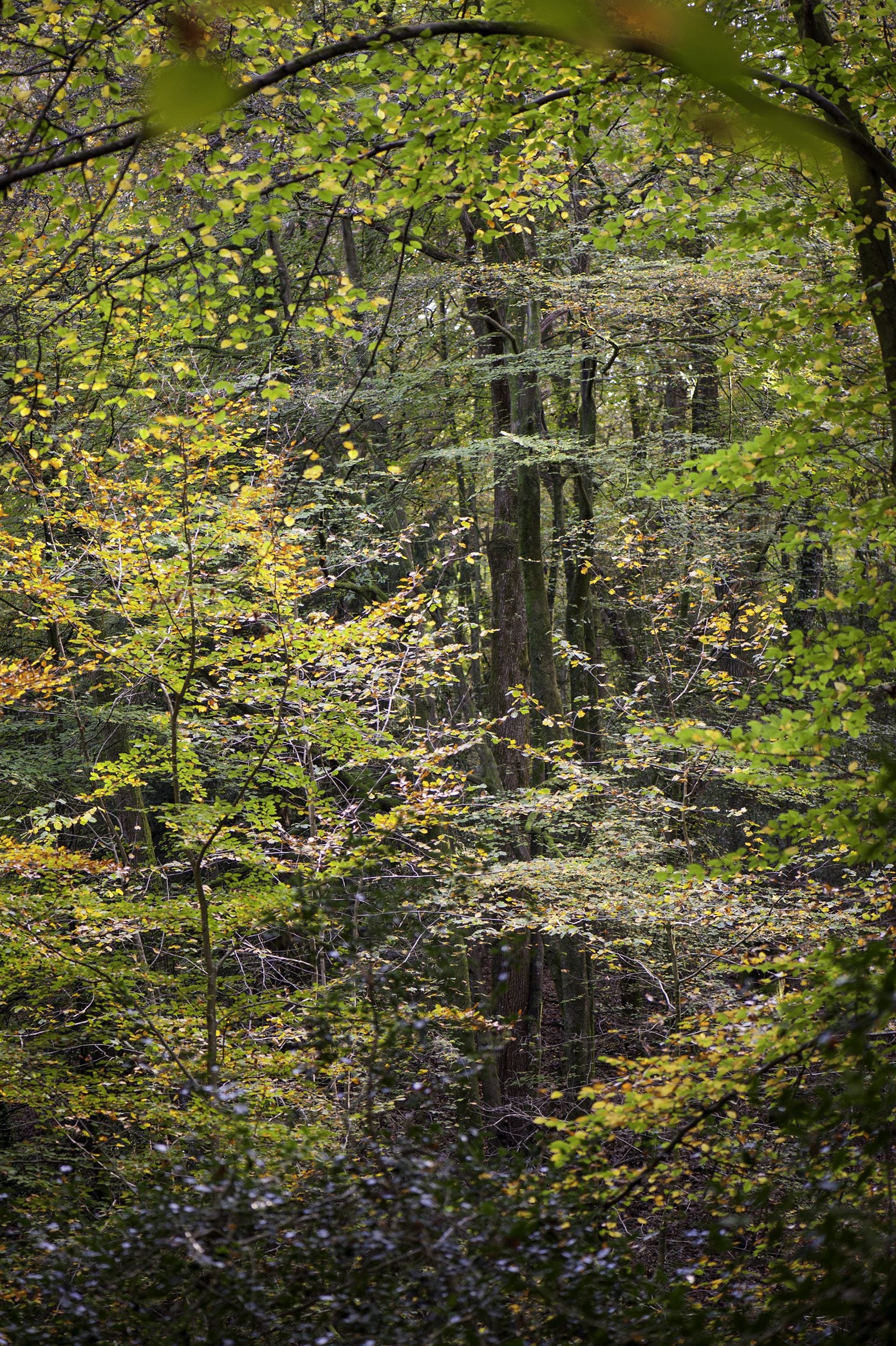
A common and widespread butterfly of woodland edges and rides, the Speckled Wood flies in the dappled sunlight, and can also be seen in hedgerows and gardens. Adults feed on Honeydew, while the caterpillars feed on a variety of grasses, including False Broom and Cock’s-foot.
Key Facts
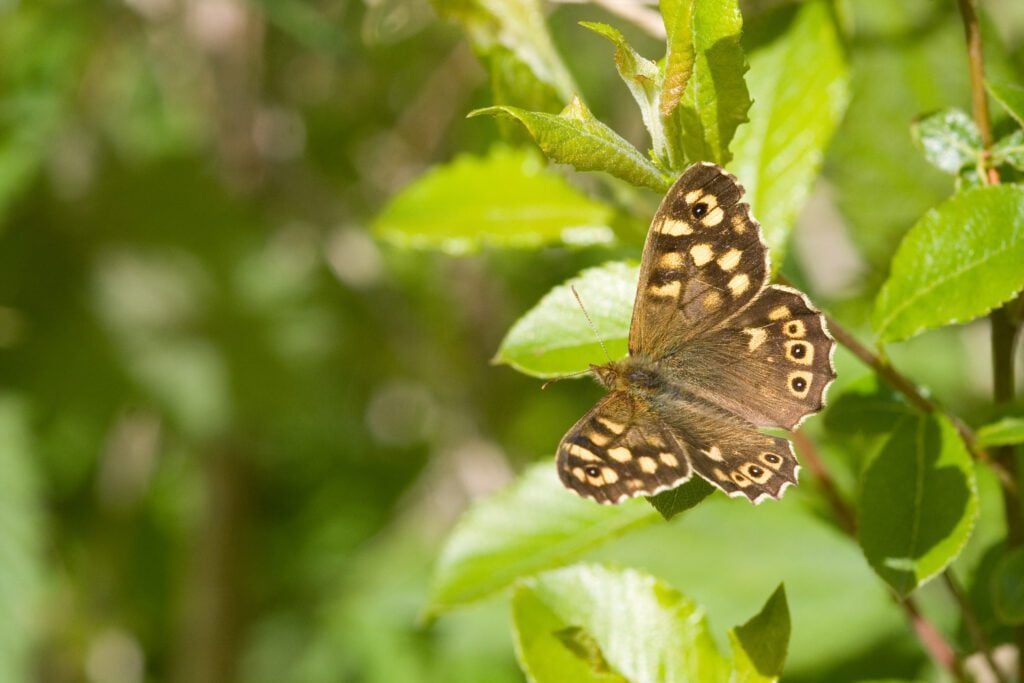
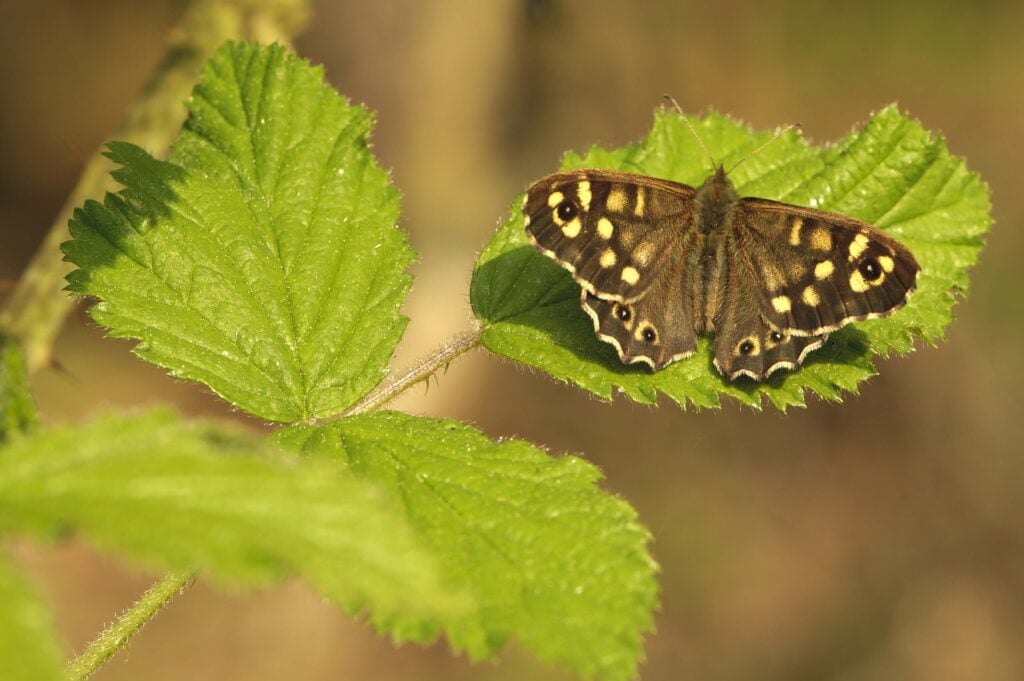
- The Speckled Wood is dark brown with creamy yellow spots. The best way to identify the ‘brown’ butterflies is by looking at the eyespots on their wings. The Speckled Wood is the only brown butterfly with three small, cream-ringed eyespots on each hindwing and one on each forewing.
- There are a number of subspecies of Speckled Woods. Those in the north are dark brown with white spots, while those further south are dark brown with orange spots.
- Wingspan: 4.6-5.6cm
Status
Common.
Seasonality
March to October