Take action
Become a member
Memberships builds our community and gives us a predictable income, which lets us plan and sustain longer projects that can have a greater impact. The more members we have, the more we can do to protect the Sussex countryside and coast.
Make a donation
Membership builds our community and gives us a predictable income, which lets us plan and sustain longer projects that can have a greater impact. The more members we have, the more we can do to protect the Sussex countryside and coast.
Overview
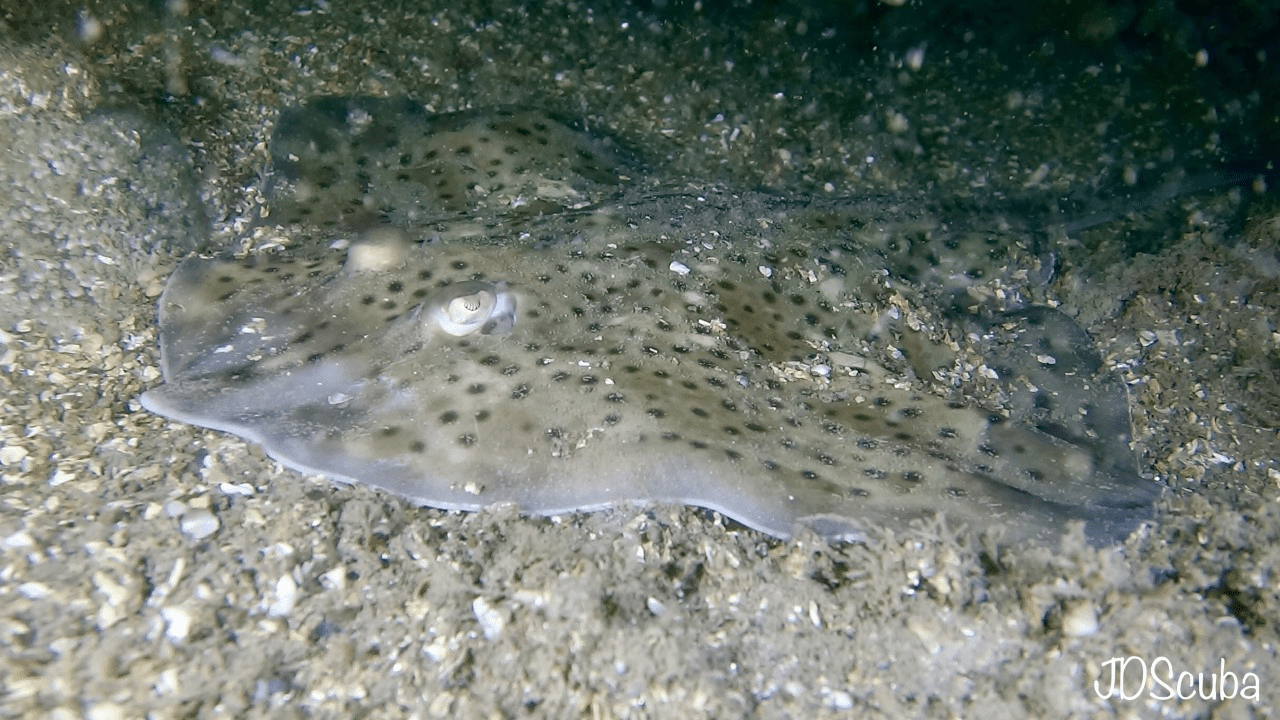
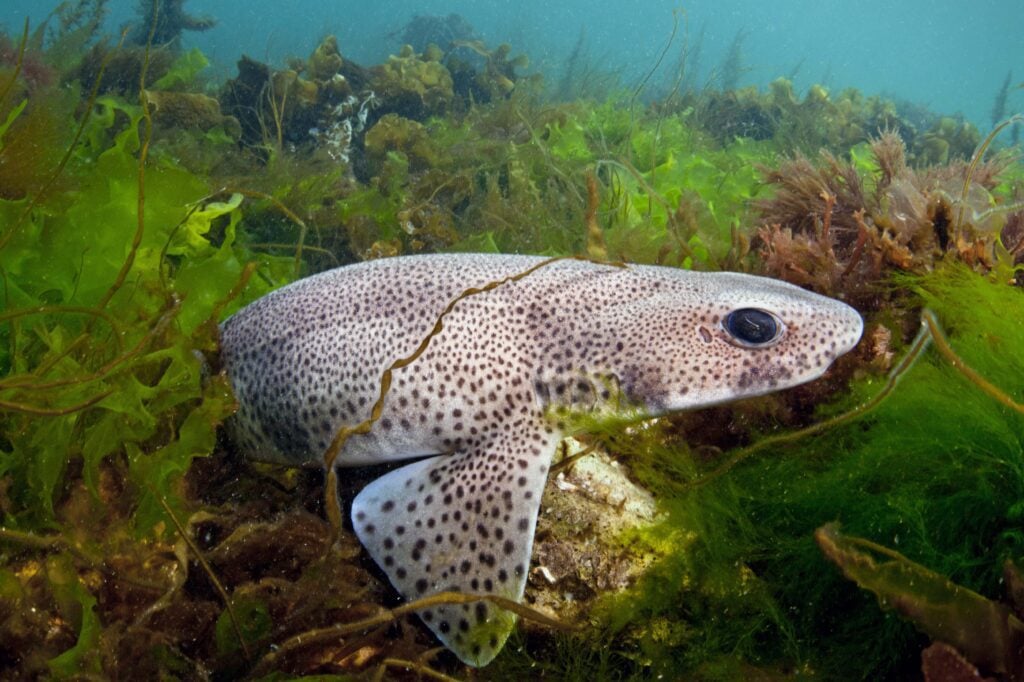
Catsharks are predators and feed on crabs, molluscs and other small fish. When threatened, they curl up into a donut shape – probably to look bigger and harder to eat! They are highly common around the UK and live close to the seabed in shallow waters down to 100m deep.
Sharks sometimes wash up dead on our beaches after storms, but you’re most likely to come across one of their egg cases. Known as mermaid’s purses, shark (and ray and skate) egg cases are a good indicator of what species are breeding nearby. The Small-spotted Catshark has a small eggcase (5-7cm) with curly tendrils at each corner.
Key Facts
- The most common shark in UK seas. It is smaller and more spotty than the scarcer Nursehound (also known as Large-spotted Dogfish or Bull Huss). The Small-spotted Catshark has very rough, pale cream skin, large dark cat-like eyes and a small mouth. The eggs cases or ‘mermaid’s purses’ are often found washed up onshore. They are 5-7cm long with curly tendrils coming from the corners.
- This catshark has other common names such as ‘Rough Hound’, ‘Lesser-spotted Dogfish’. It has also been called ‘Rock Salmon’, if appearing on menus.
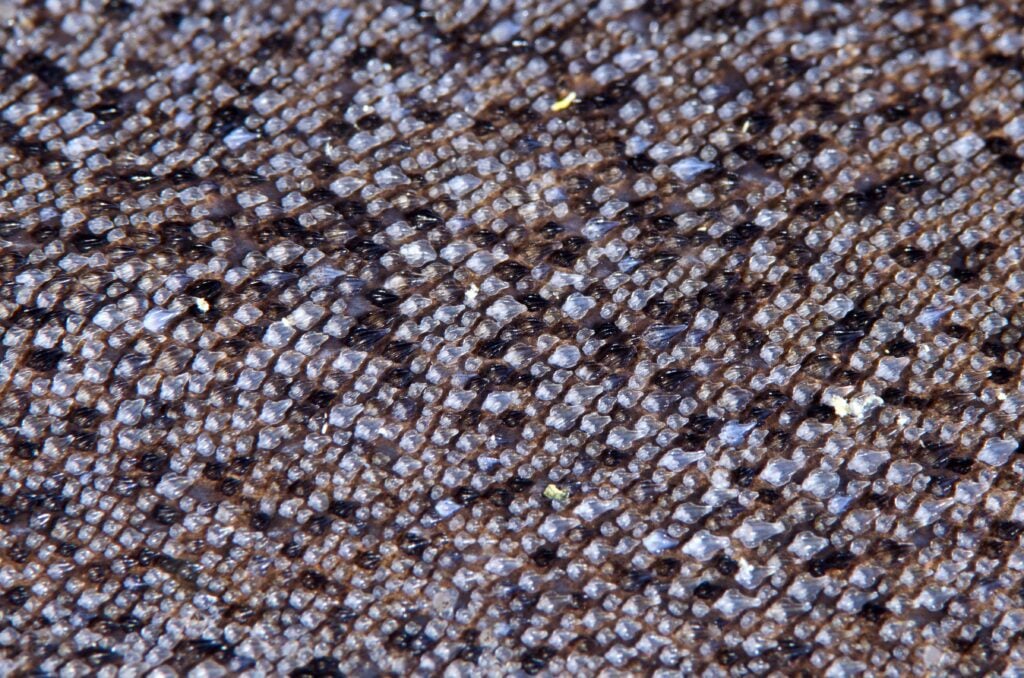
- All sharks have rough skin, covered in hard “dermal denticles” – which literally means “tiny skin teeth”. If rubbed the wrong way, they are coarse like sandpaper, providing the shark with an effective chain-mail like protection.
- Length: 100cm
Status
Common and listed as of Least Concern on the IUCN Red List.
Seasonality
All year round