Take action
Become a member
Memberships build our community and give us a predictable income, which lets us plan and sustain longer projects that can have a greater impact. The more members we have, the more we can do to protect the Sussex countryside and coast.
Make a donation
Membership builds our community and gives us a predictable income, which lets us plan and sustain longer projects that can have a greater impact. The more members we have, the more we can do to protect the Sussex countryside and coast.
Overview
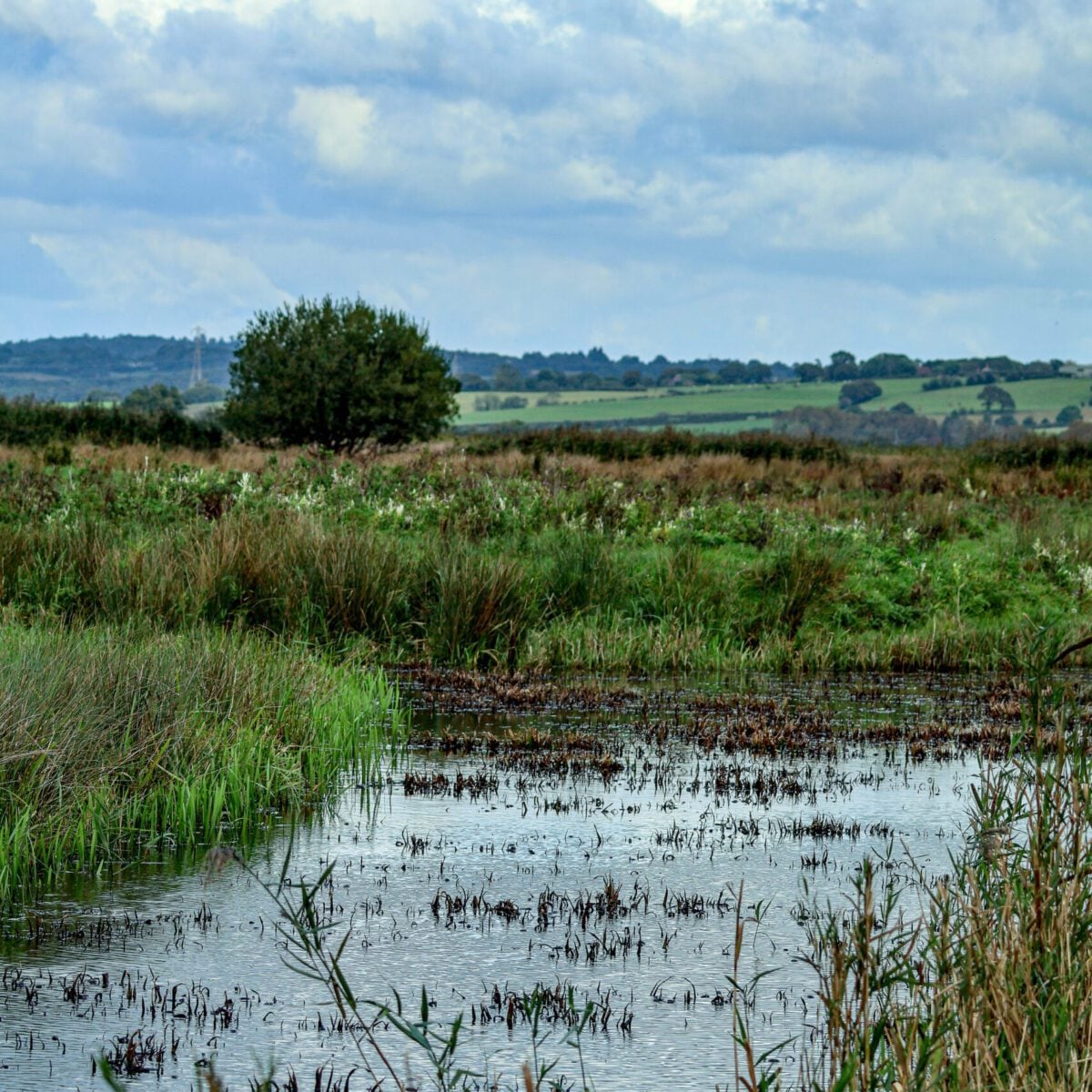
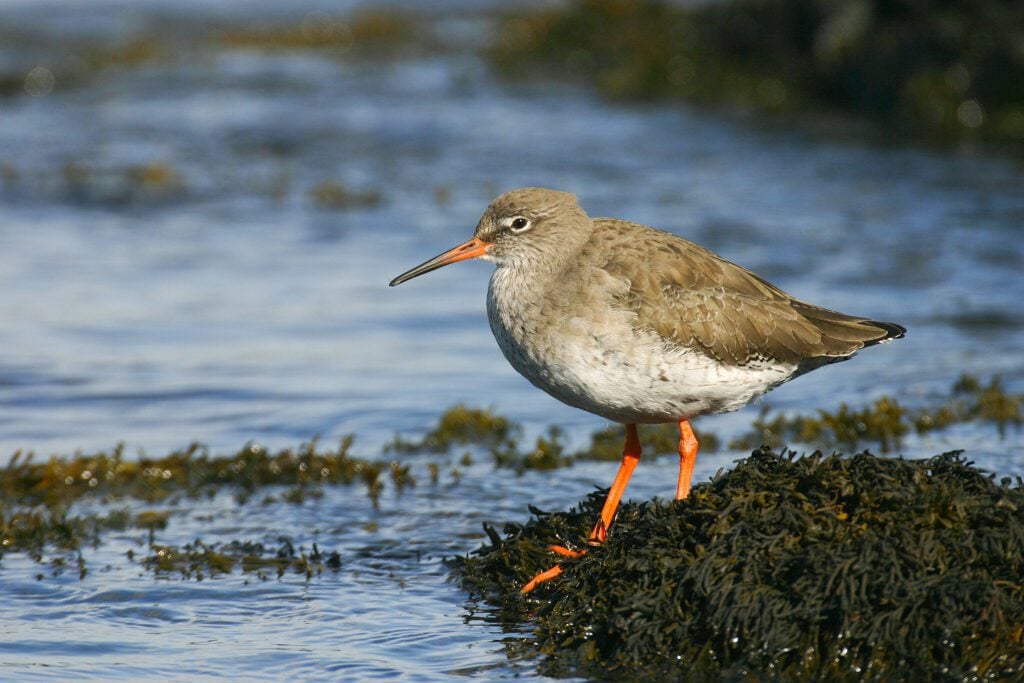
The Redshank is a large sandpiper with long, bright orange-red legs. They are typical waders, feeding in shallow water around lakes, marshes, mudflats and coastal wetlands.
They breed on open marshes, mires and saltmarshes. Look for them typically posed on top of a post, fence or rock in wet grassland areas.
Key Facts
- Brownish all over, with a paler belly, the Redshank is one of only two waders that has bright red legs; the Spotted Redshank also has red legs, but is slightly larger, with longer legs and a longer bill. The Redshank has a straight bill, which is red at the base and black at the end. When it flies, it shows a white triangular wedge up its back and a wide, white triangle on its rear.
- Large numbers of Redshank fly to the UK from Iceland to spend the winter around our coasts.
- Redshanks were once a common breeding bird of Sussex’s river valleys and grazing marshes. Their numbers have declined sharply in recent decades.
- Length: 27-29cm
Wingspan: 62cm
Weight: 110-130g
Average lifespan: 4 years
Status
Classified in the UK as Amber under the Birds of Conservation Concern 5: the Red List for Birds (2021).
Seasonality
All year round