Wildlife at Rye Harbour
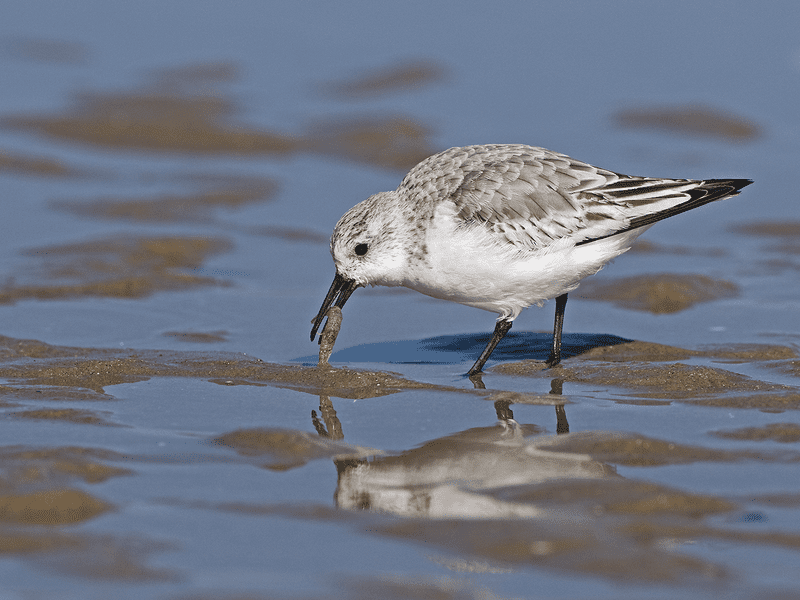
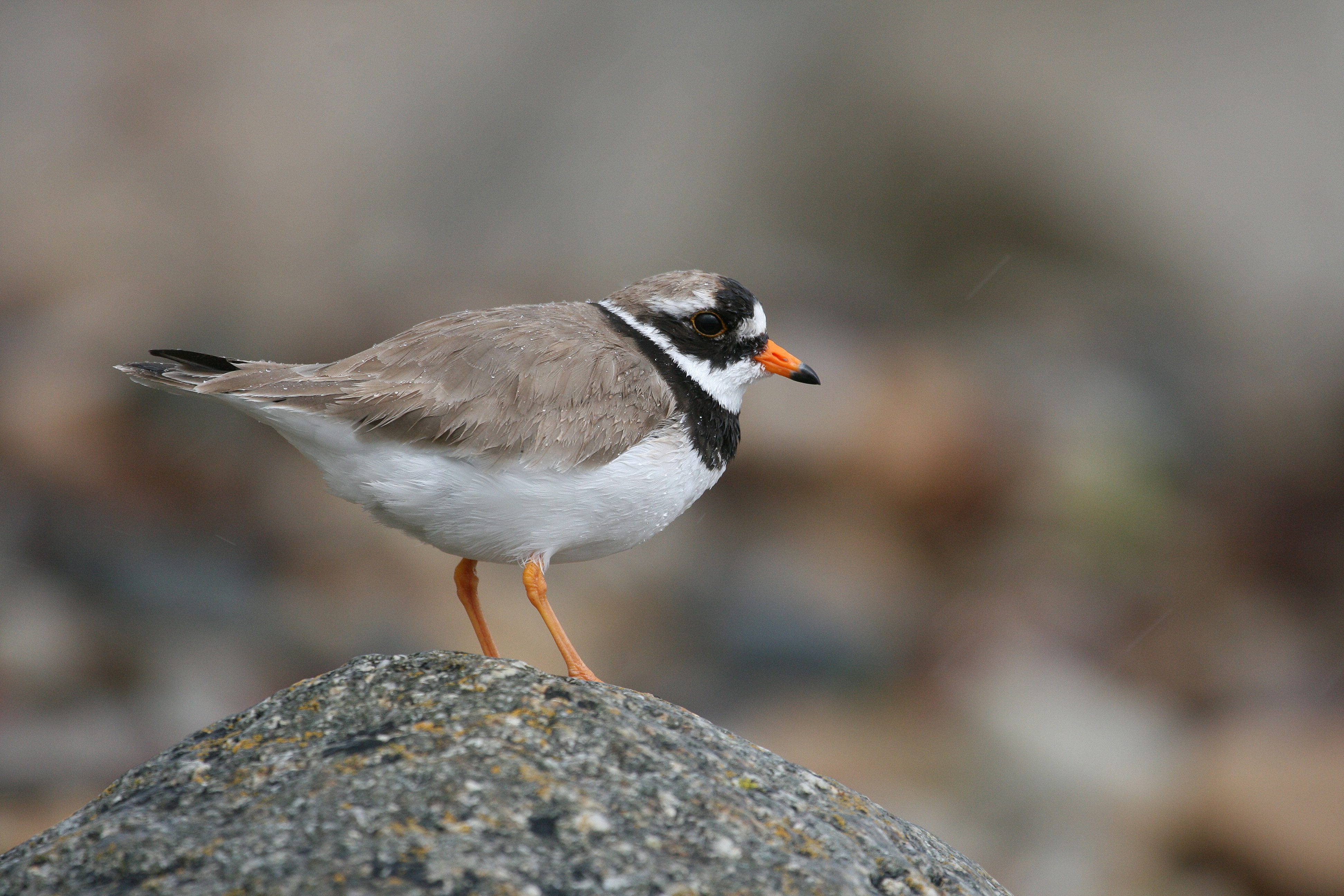
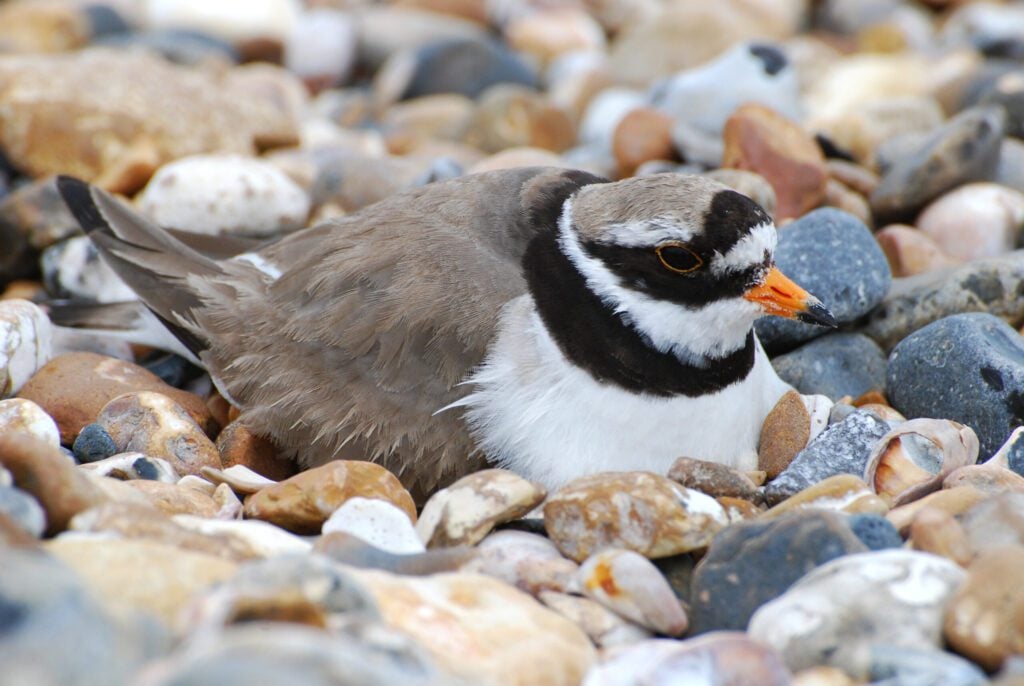 Ringed Plover © Vanda Pellins
Wildlife
Birds
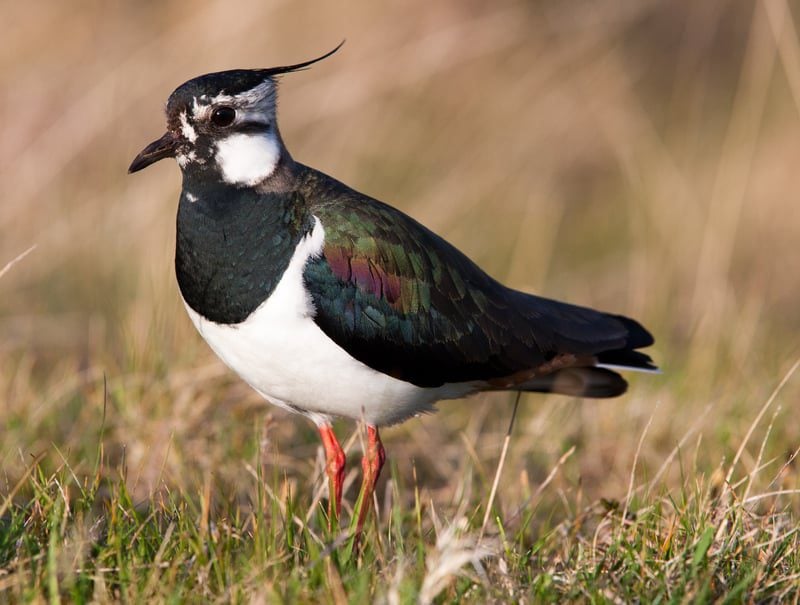
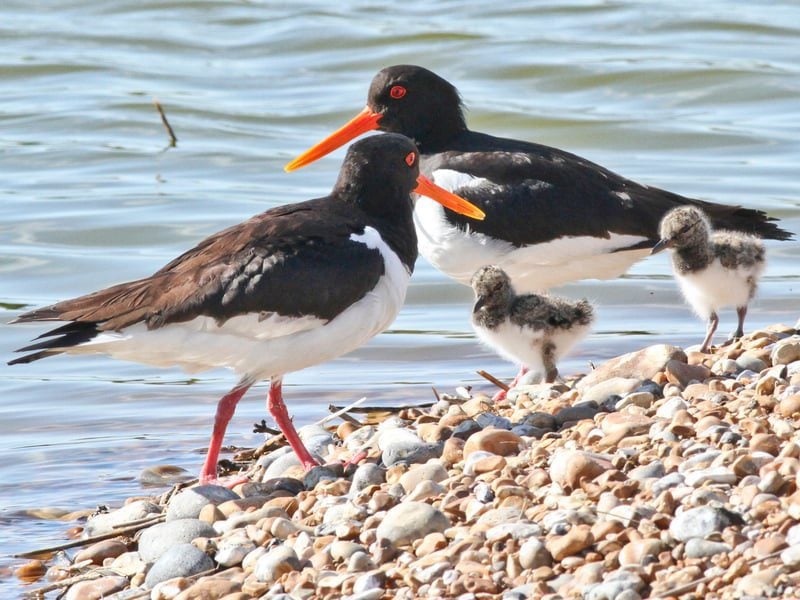
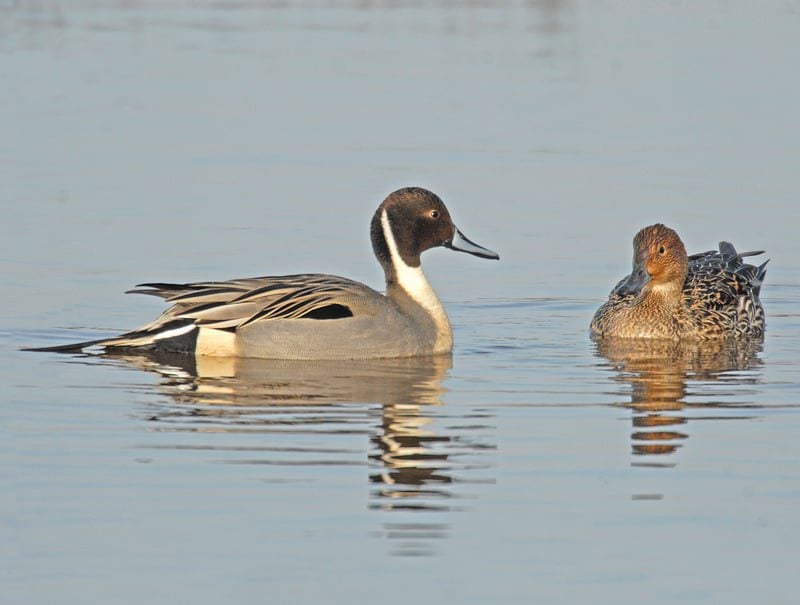
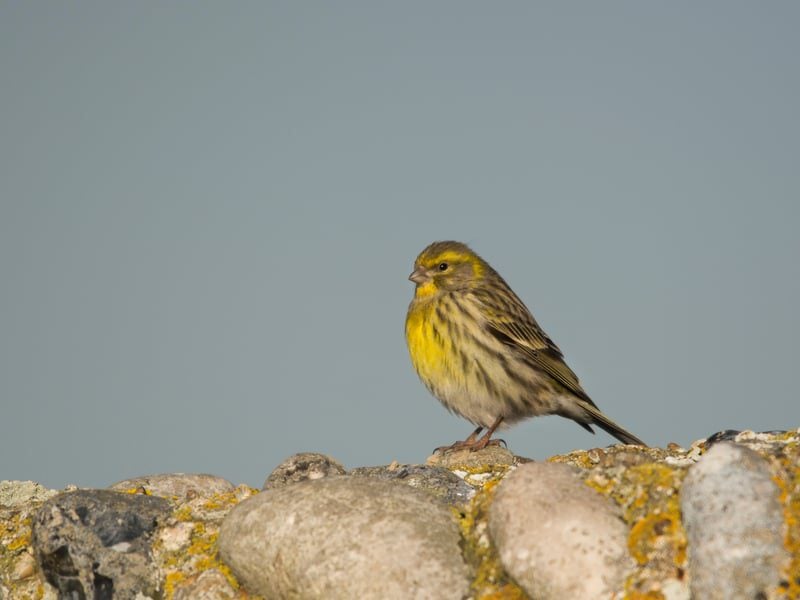
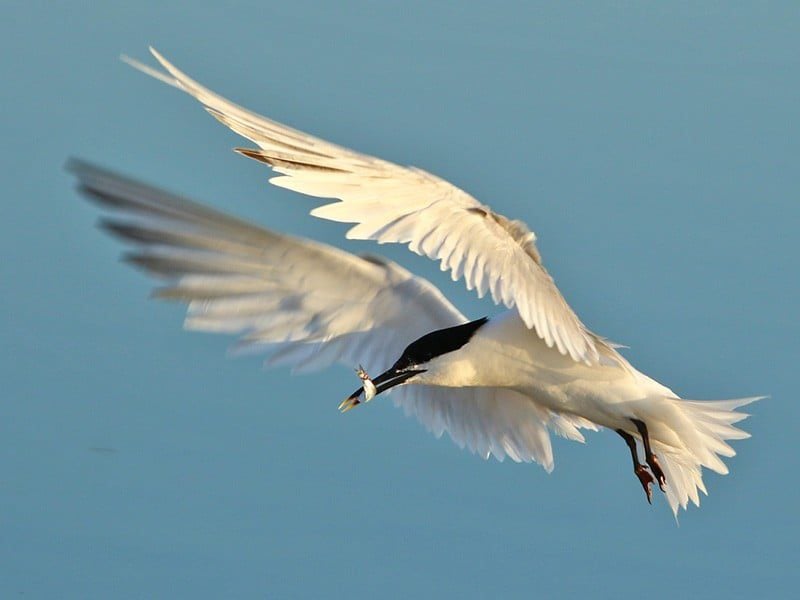
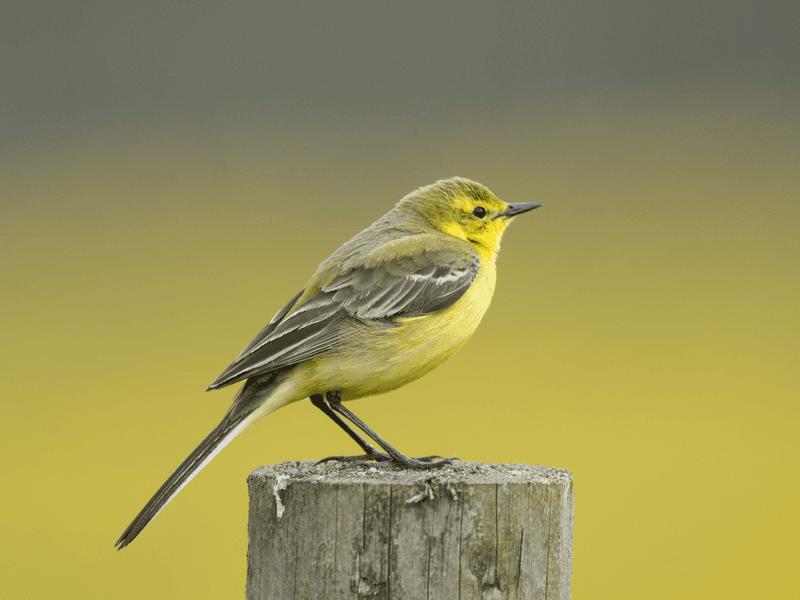
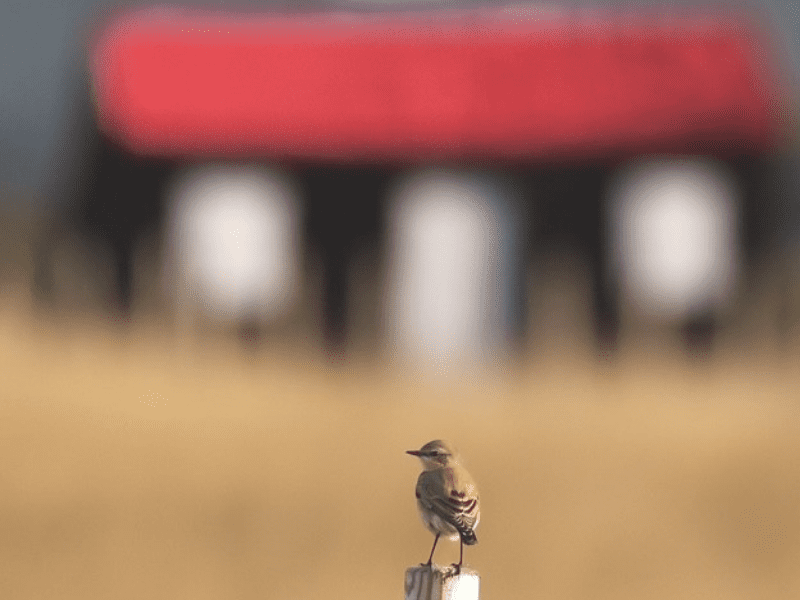
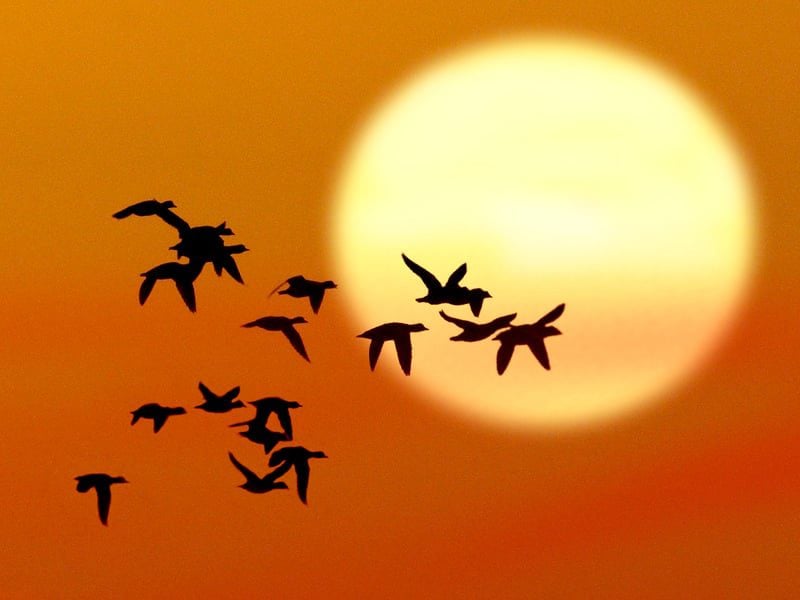
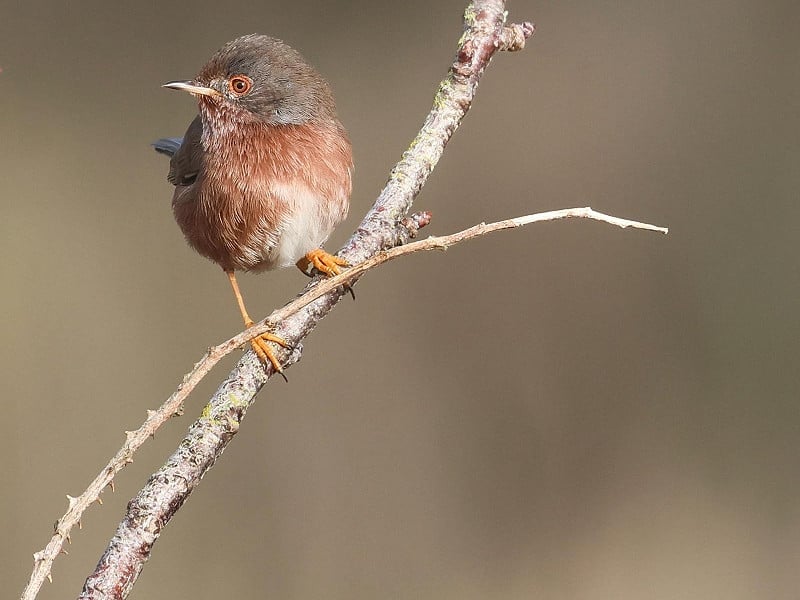
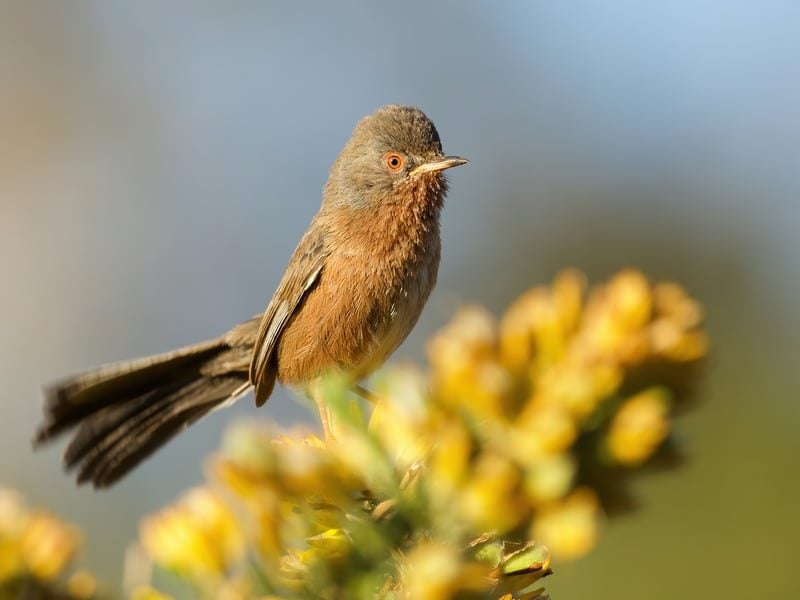
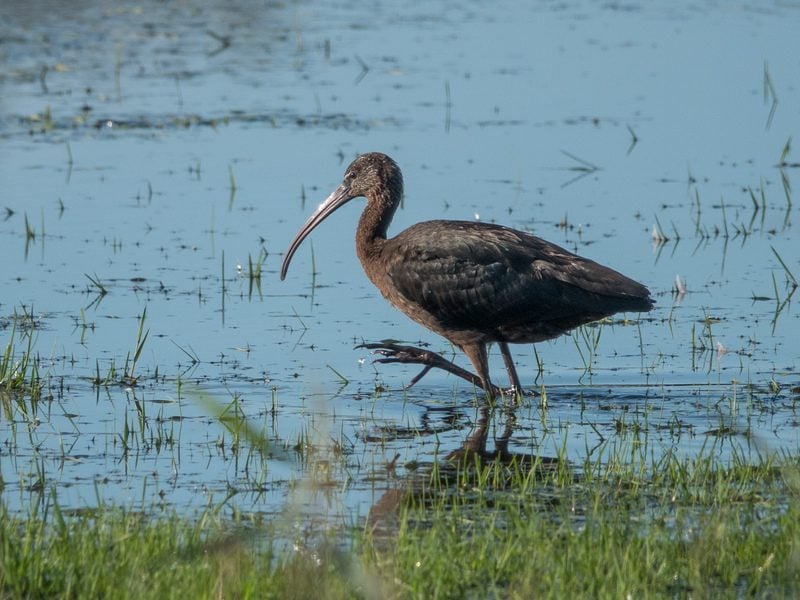
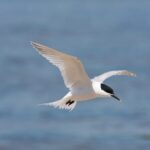
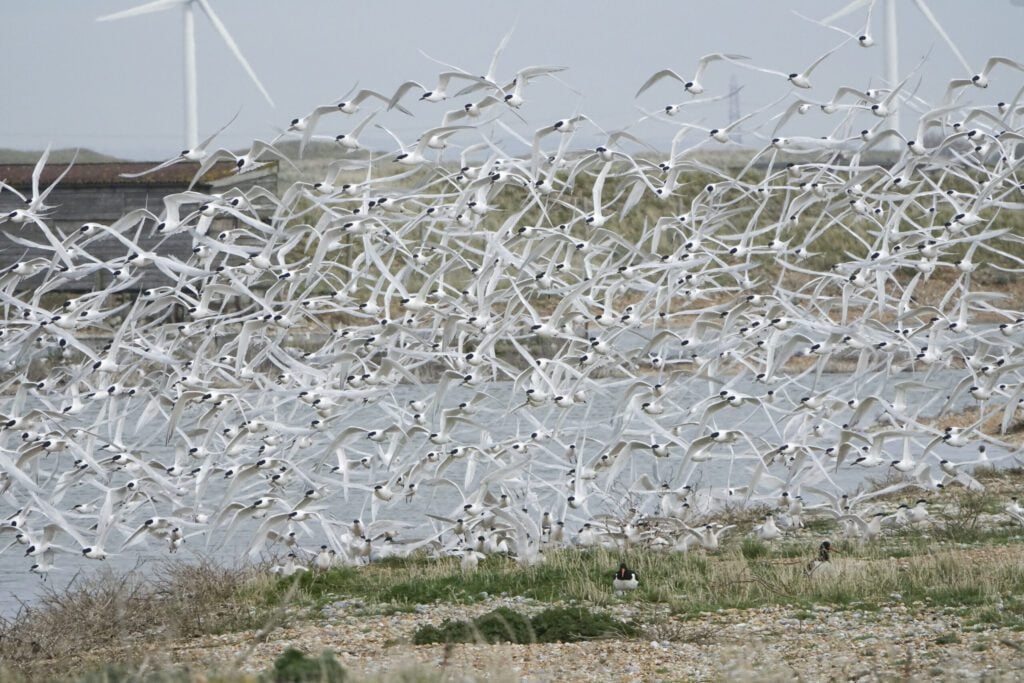
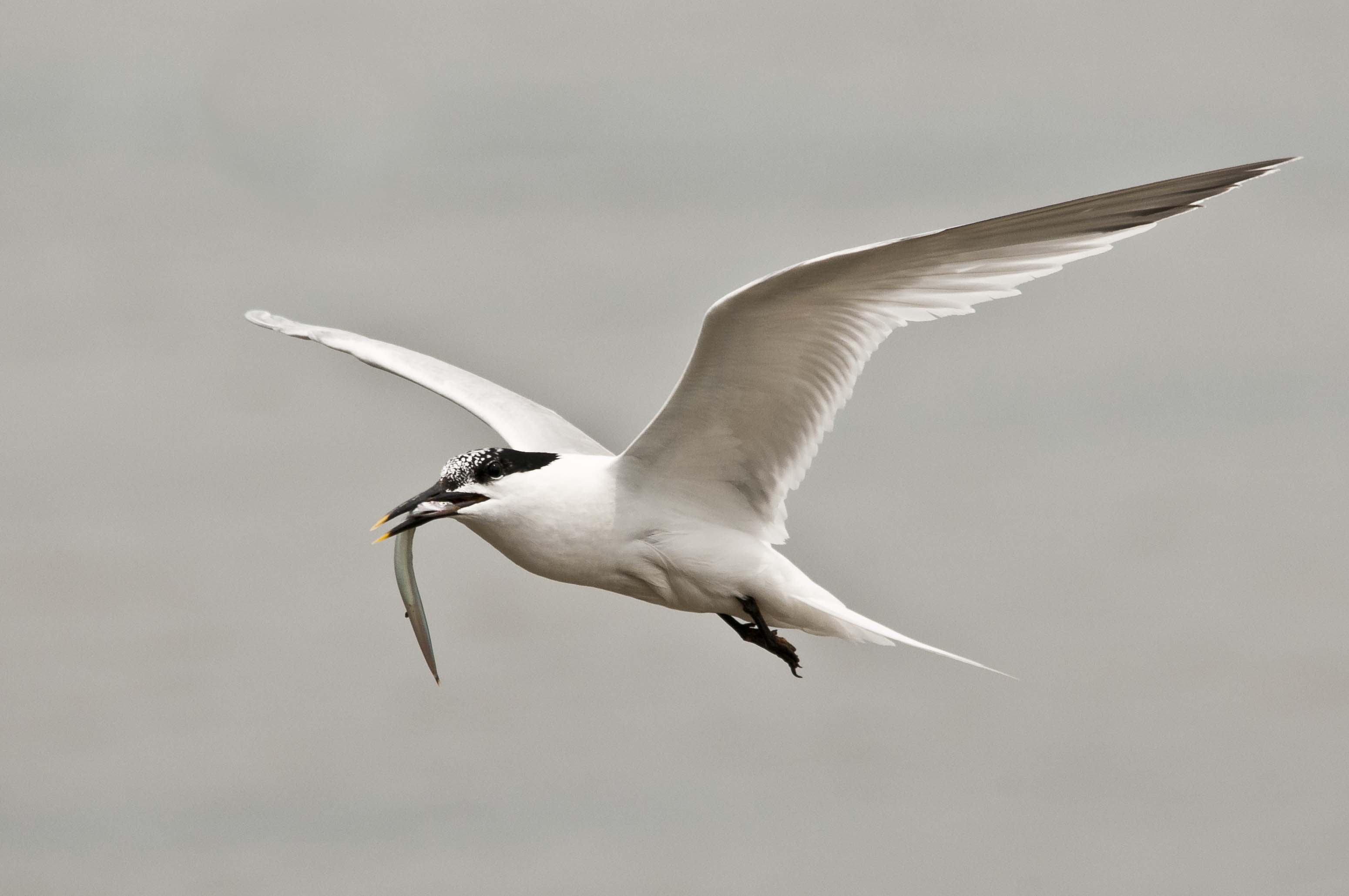
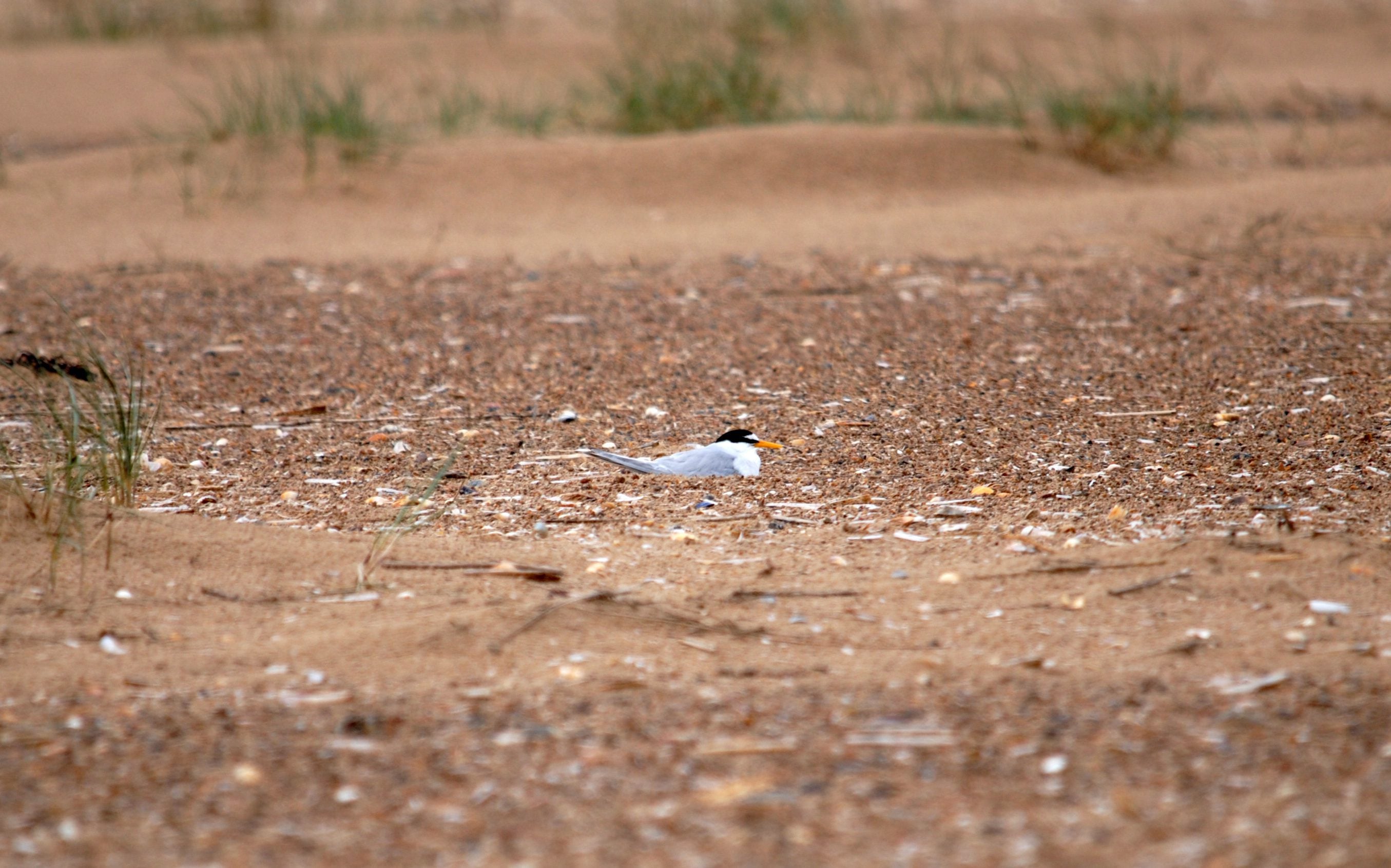
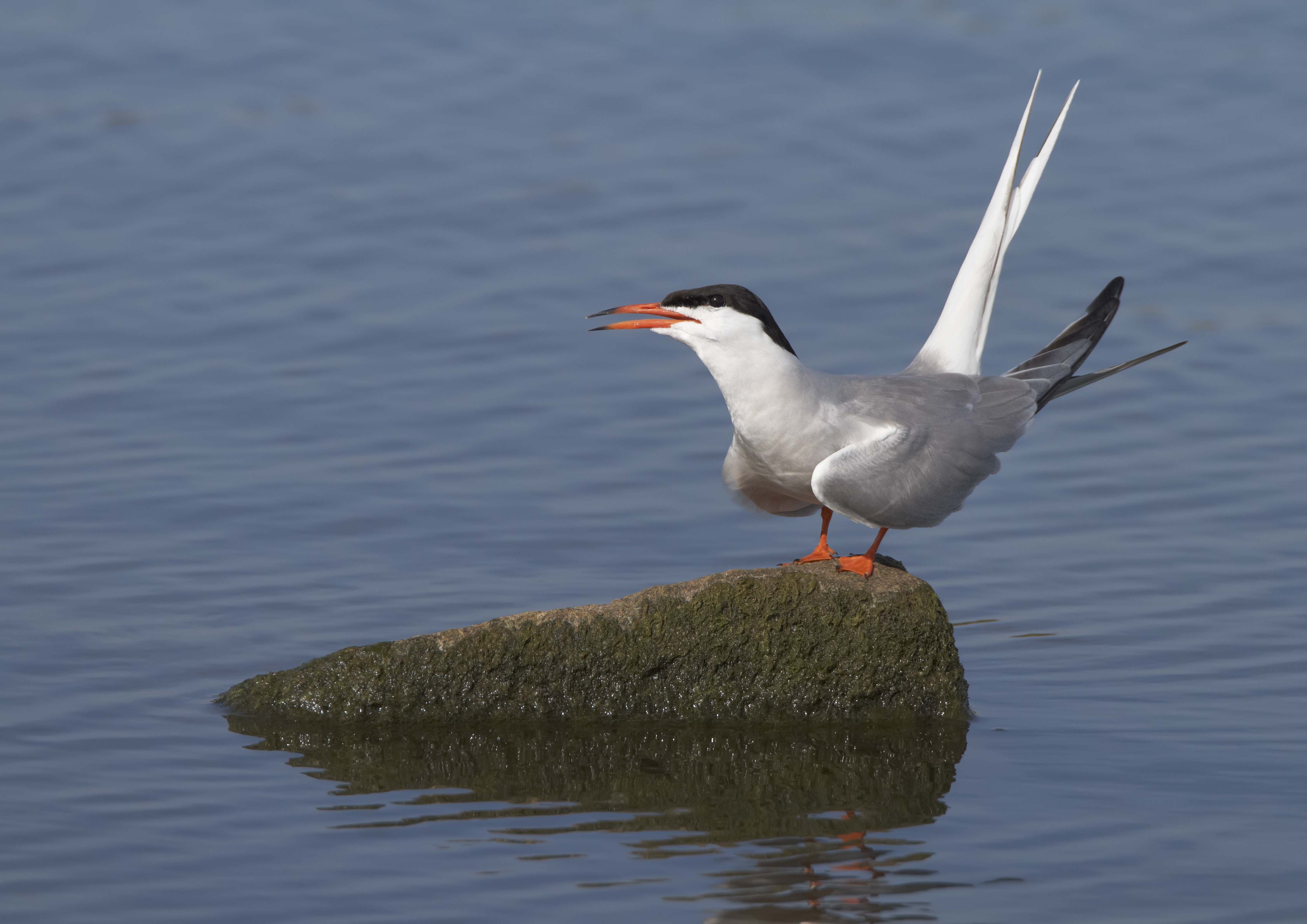
Rye Harbour is most famous for its bird life and in particular its breeding colonies of Little, Common and Sandwich Terns.
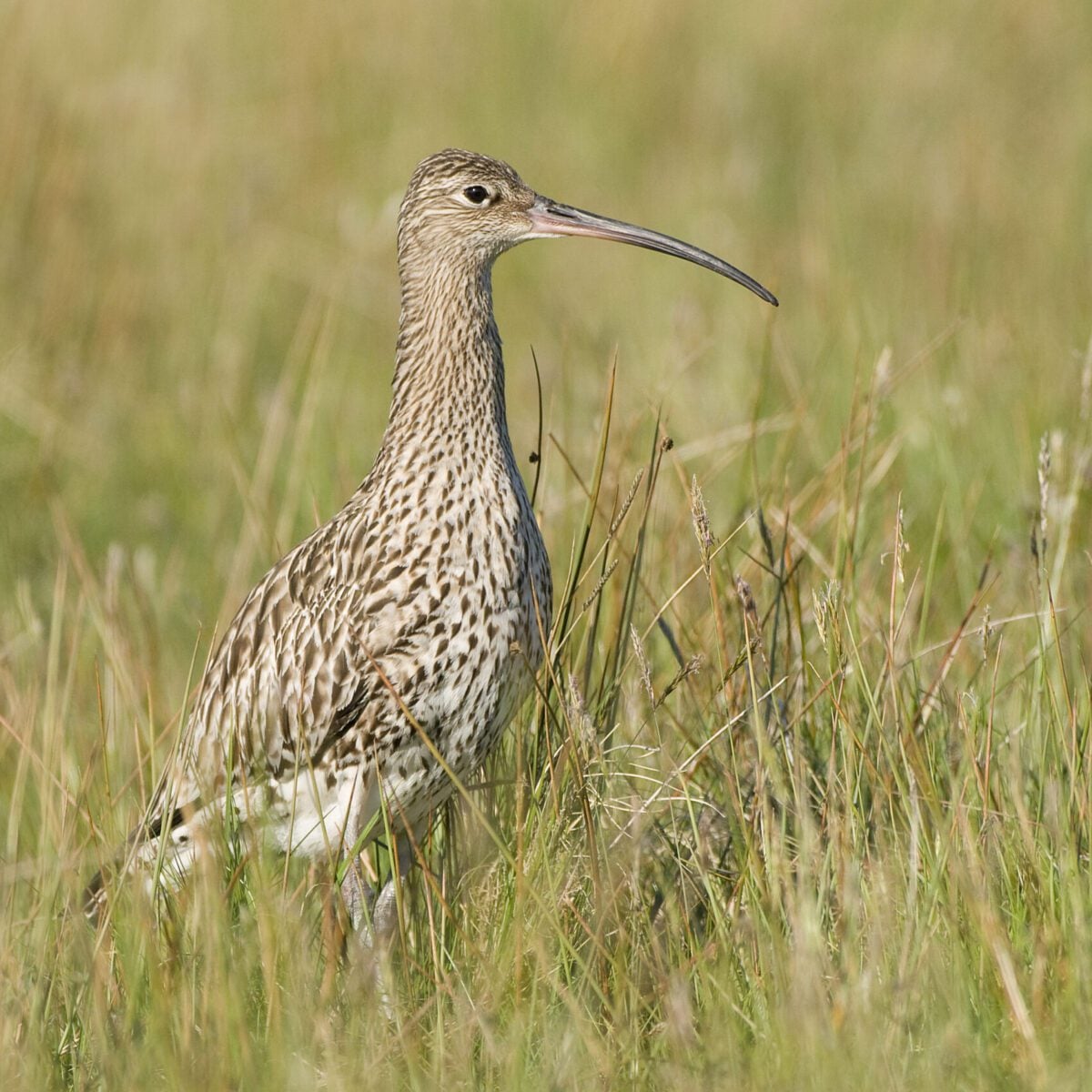
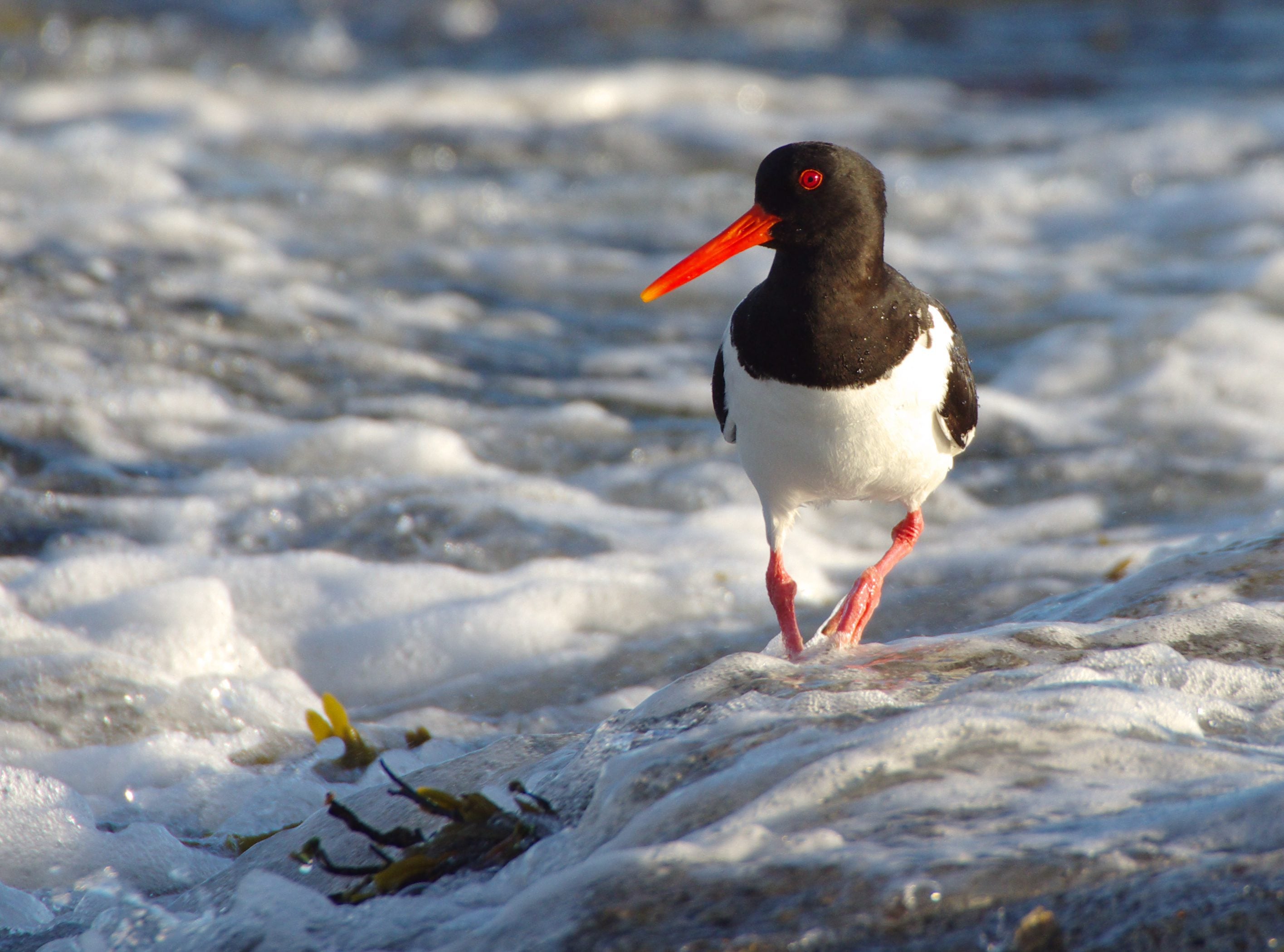
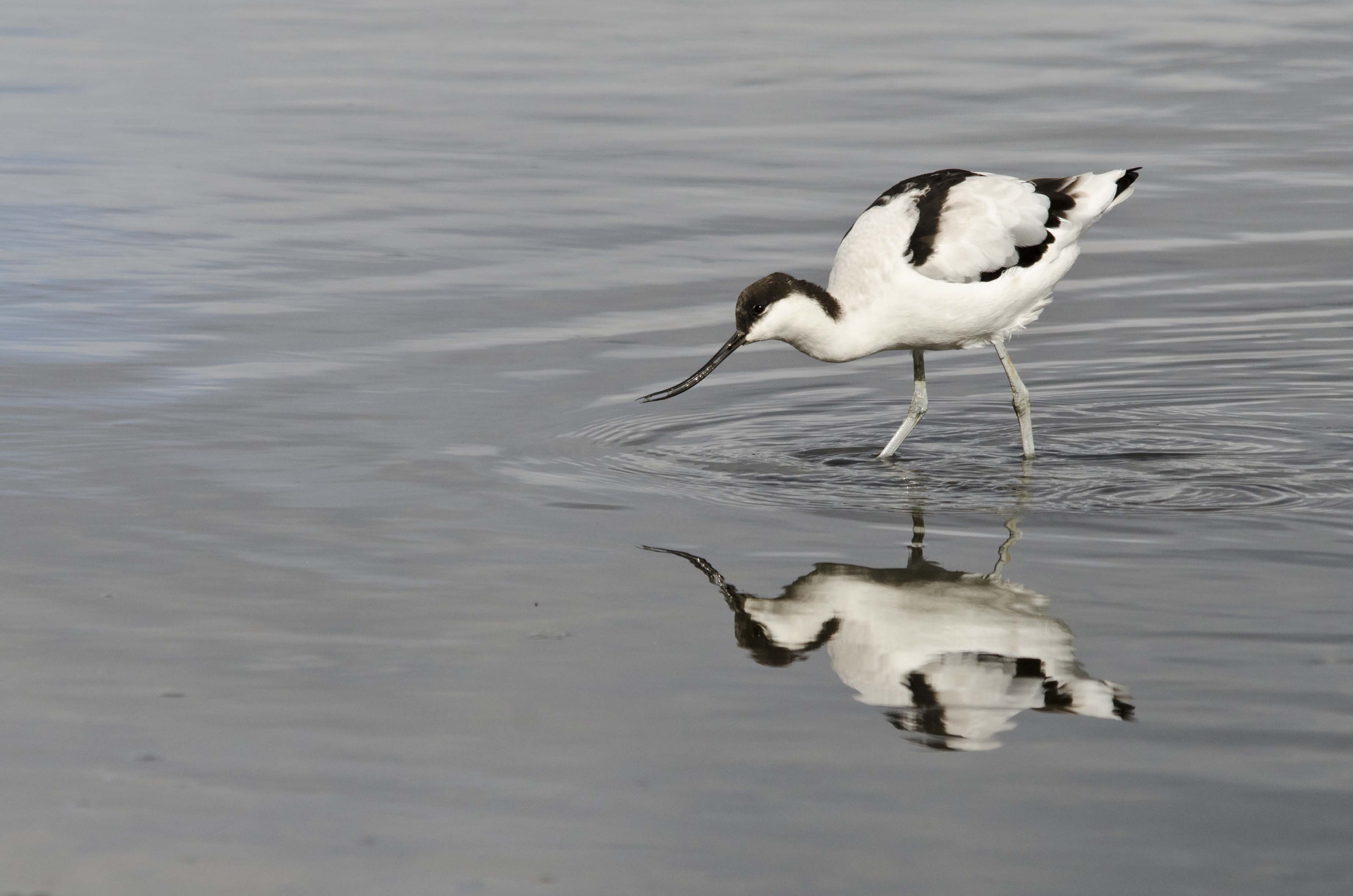
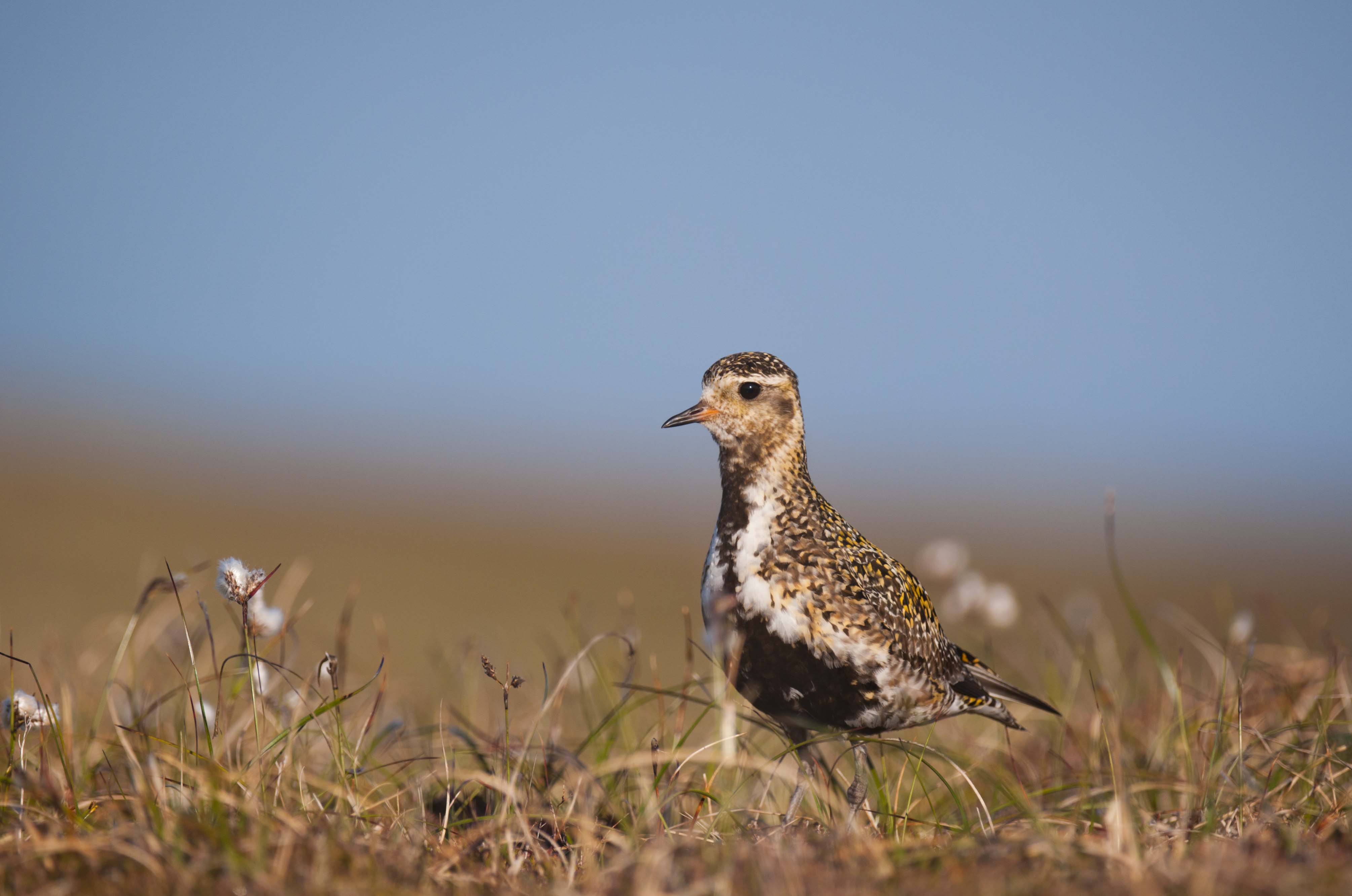
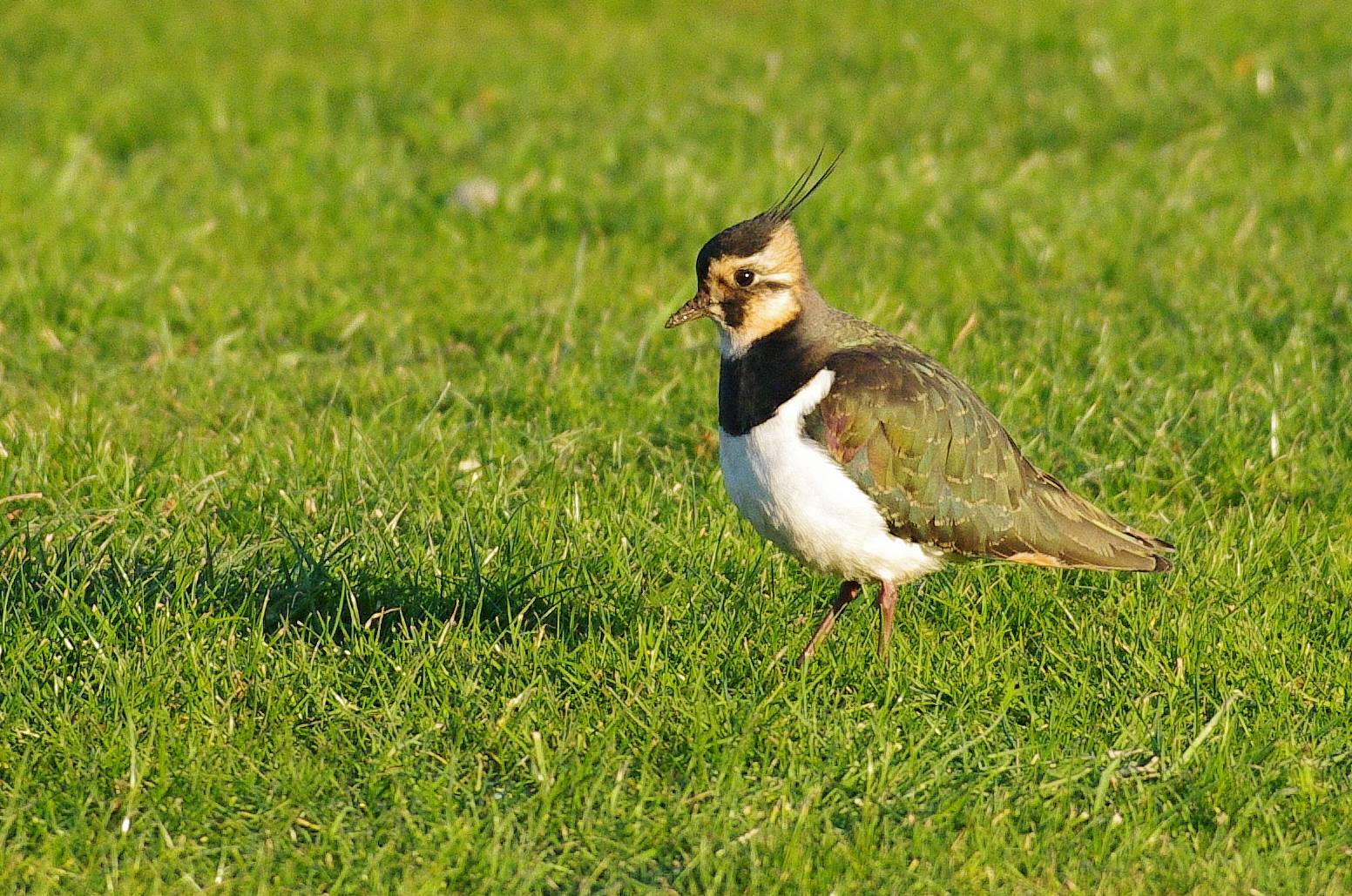
In recent years the populations of these terns and other ground nesting birds (such as Ringed Plover, Avocet, Oystercatcher, Redshank and Lapwing) have increased in number and breeding success. This has been achieved through careful habitat management and conservation measures such as the erection of electric fencing enclosures (to deter Foxes and Badgers) and a team of voluntary wardens.
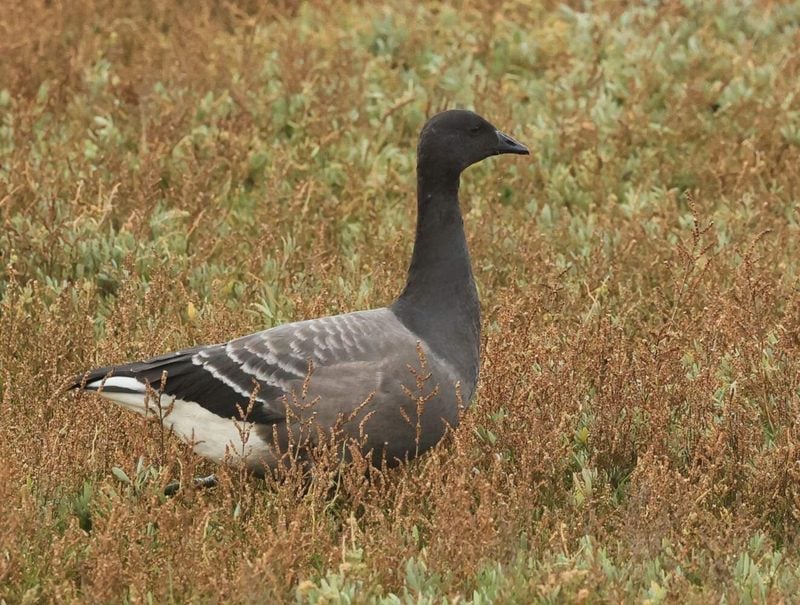
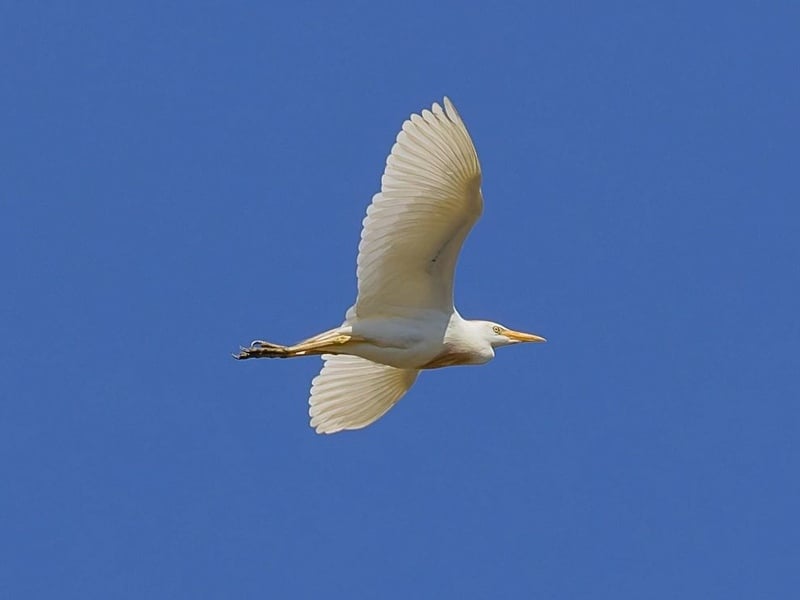
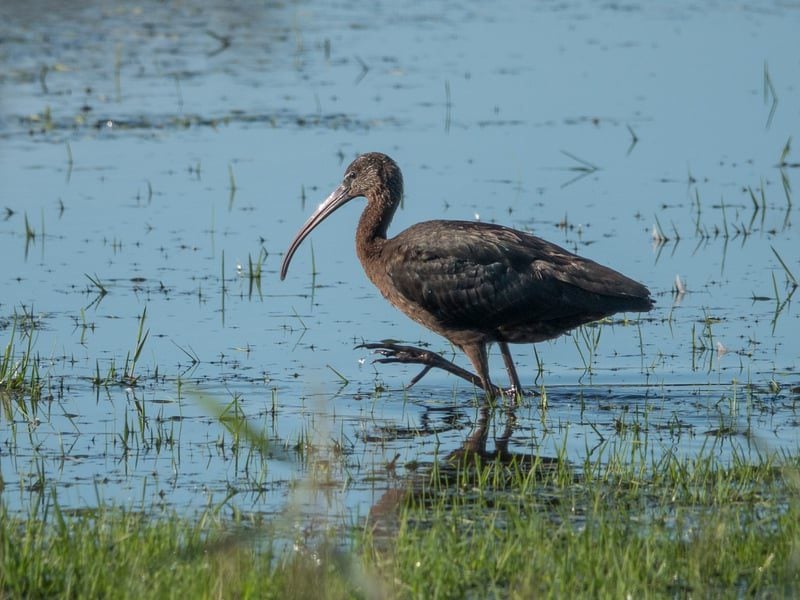
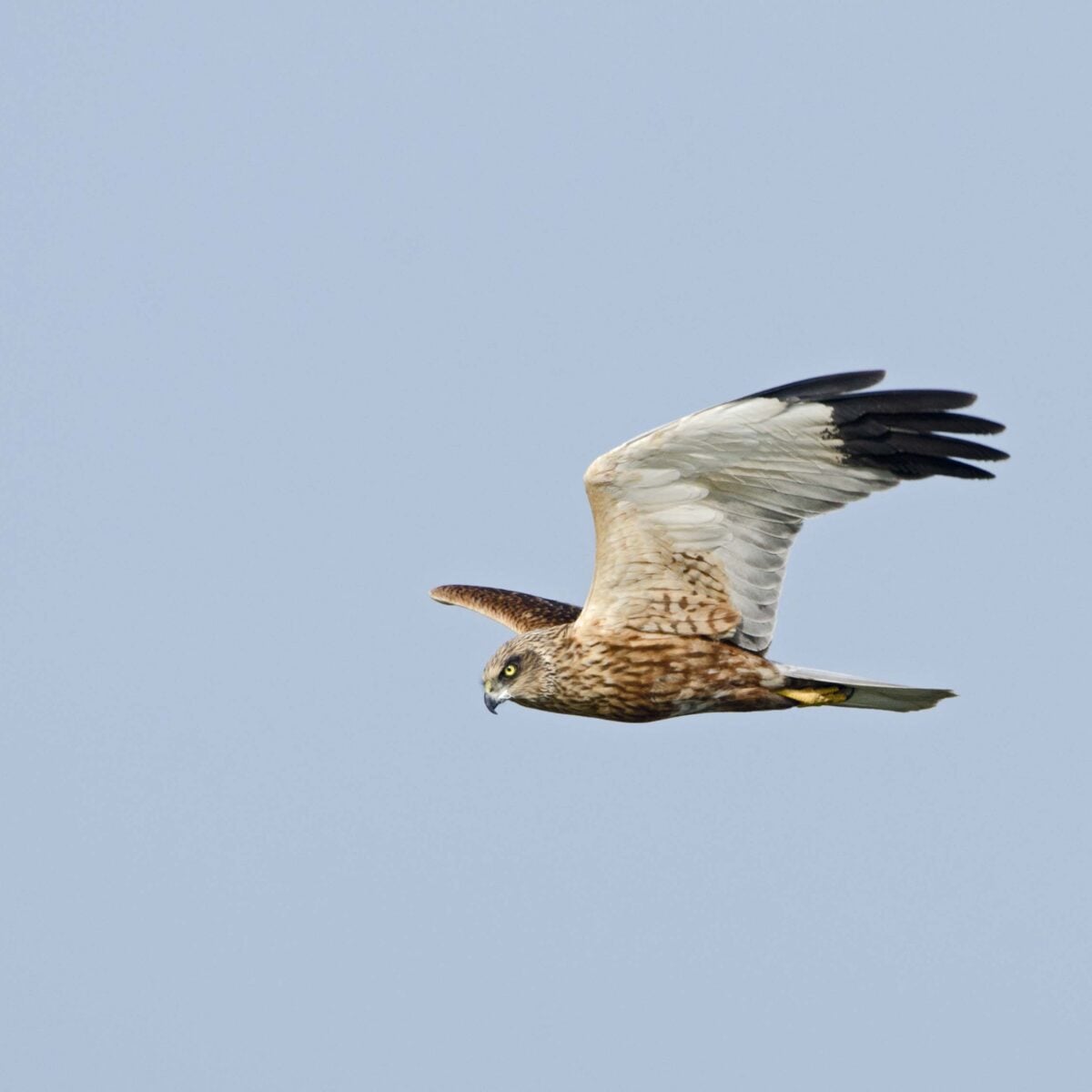
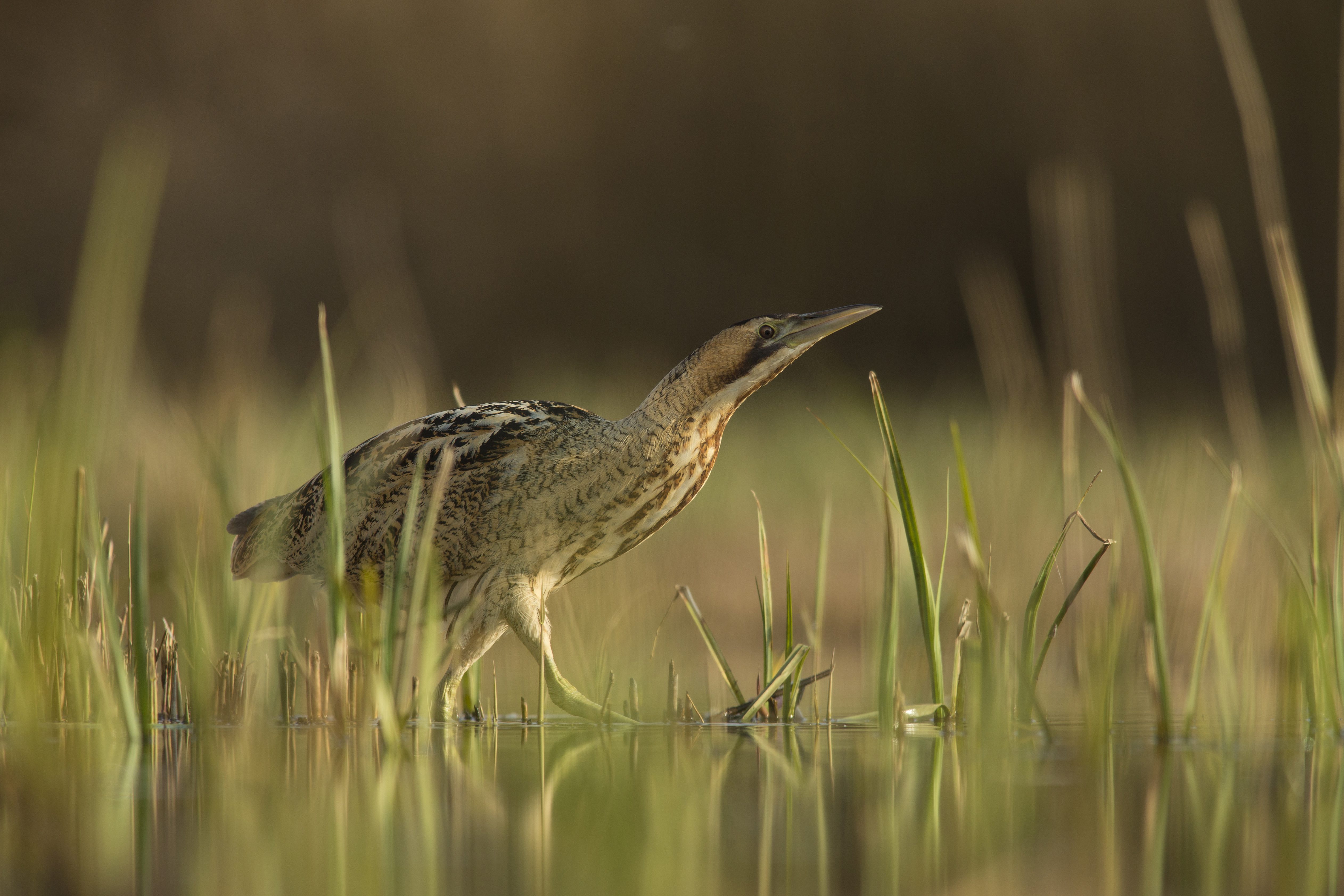
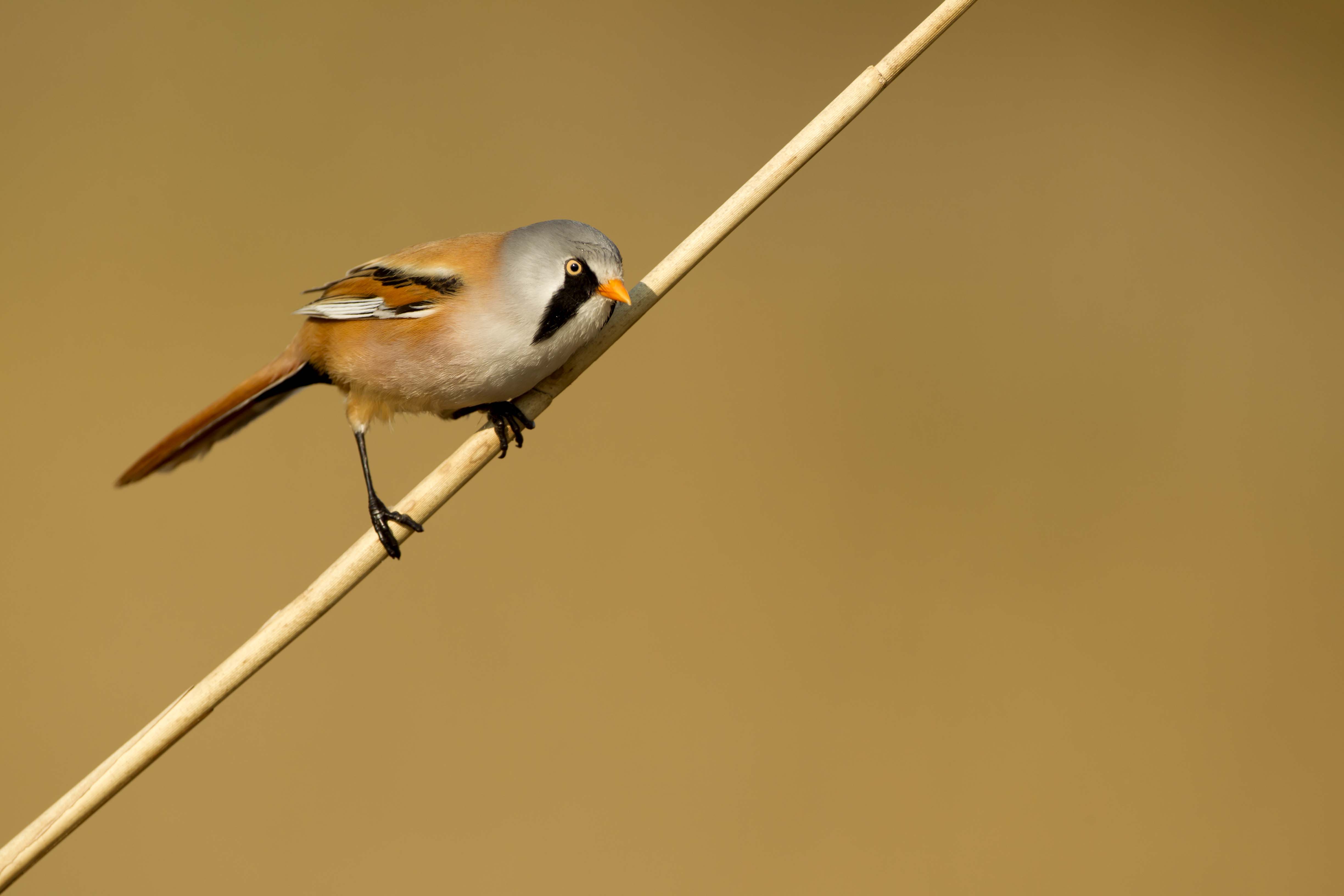
So far more than 280 species of birds have been recorded on the Reserve, of which over 100 have nested. Apart from the interest of the breeding birds, Rye Harbour is also a good place to observe bird migration, while in winter large numbers of wildfowl and waders gather to take full advantage of the relatively undisturbed Reserve area.
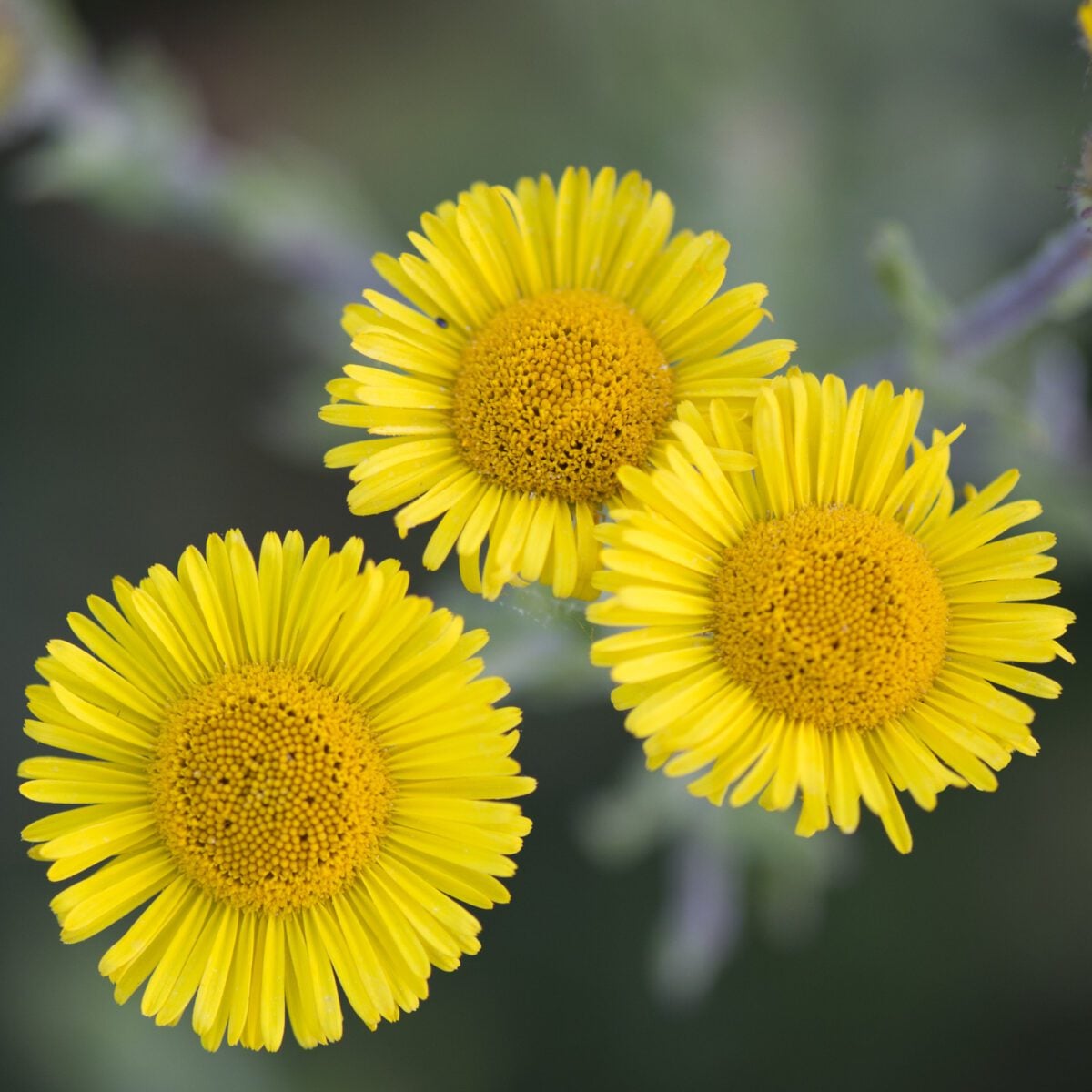
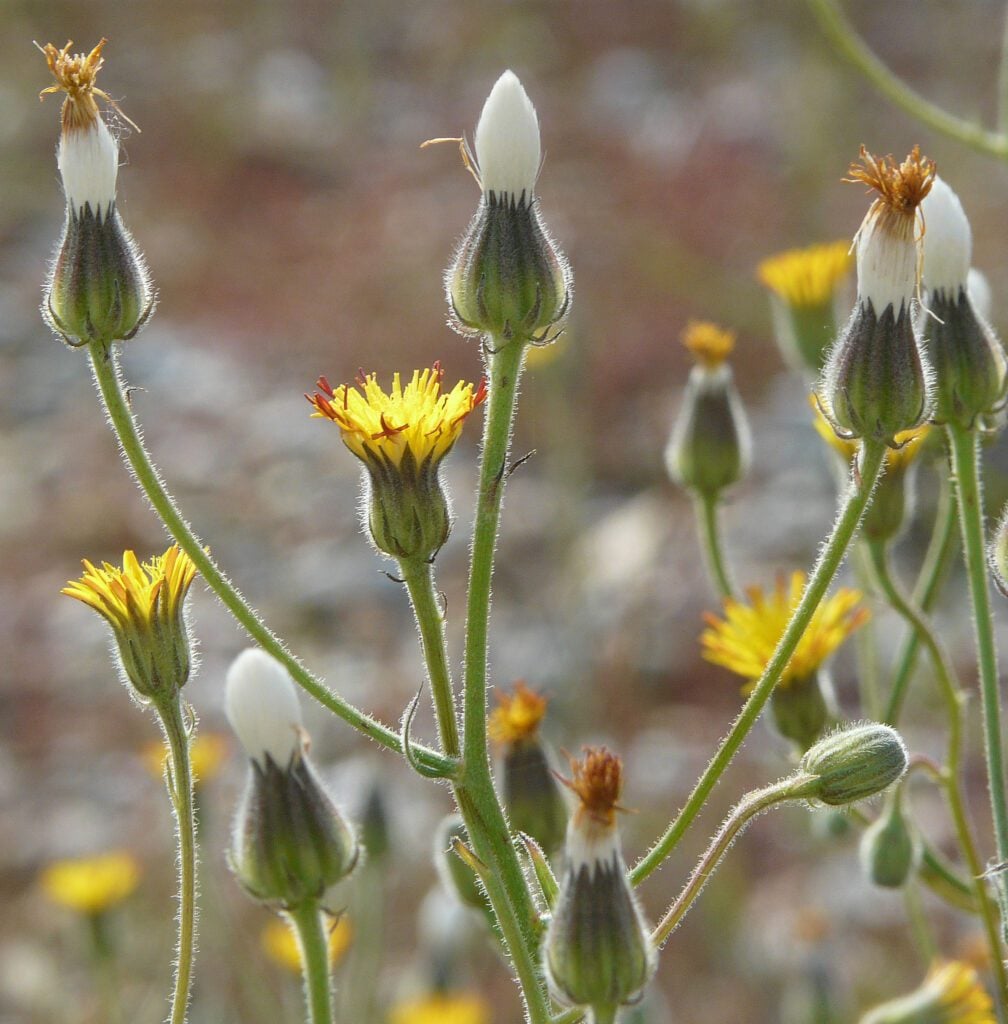 Stinking Hawksbeard © Barry Yates
Wildlife
Plants
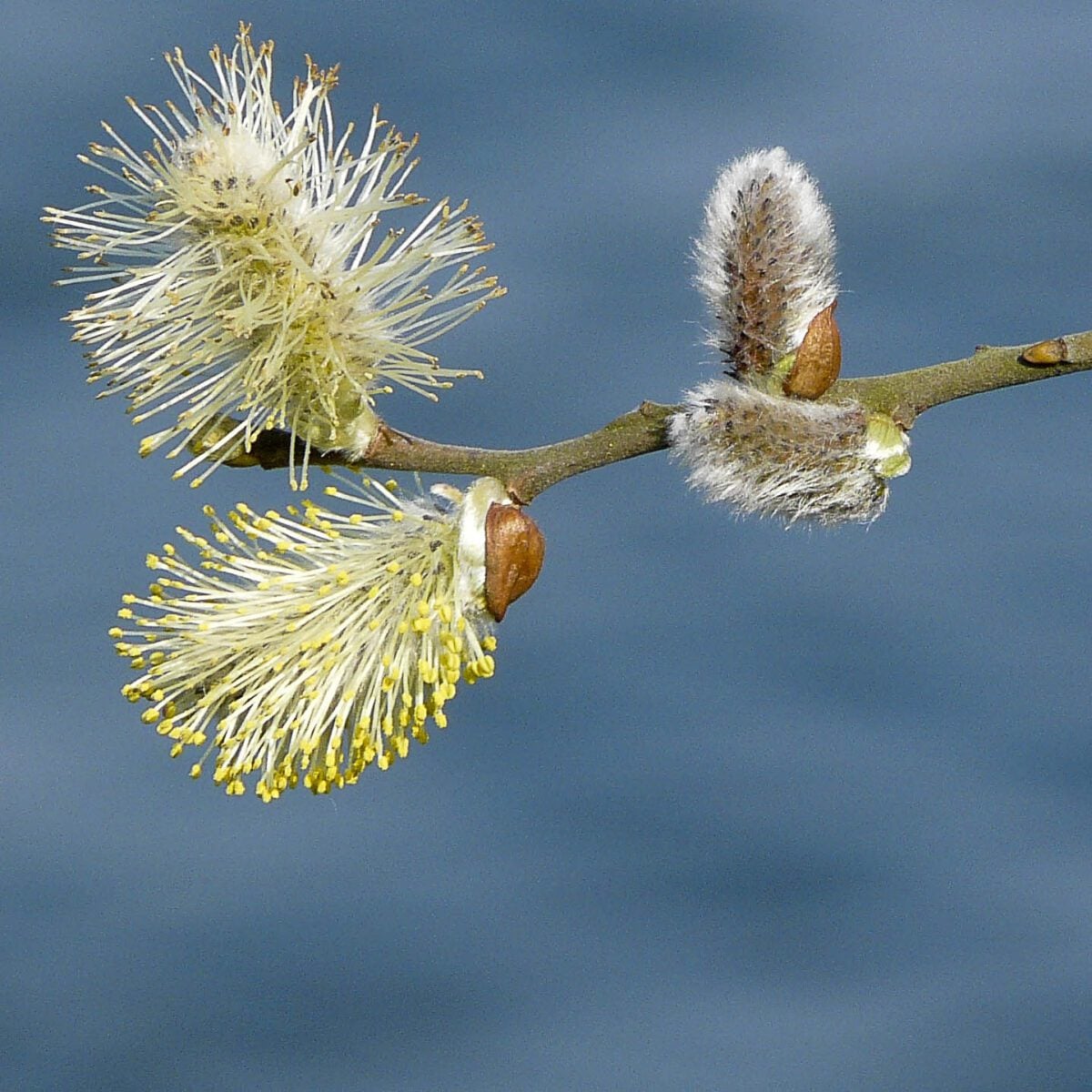
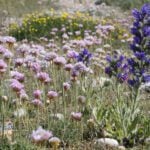
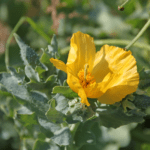
More than 456 species of flowering plants have so far been recorded on the nature reserve, including 27 scarce species and two endangered species, Least Lettuce and Stinking Hawksbeard.
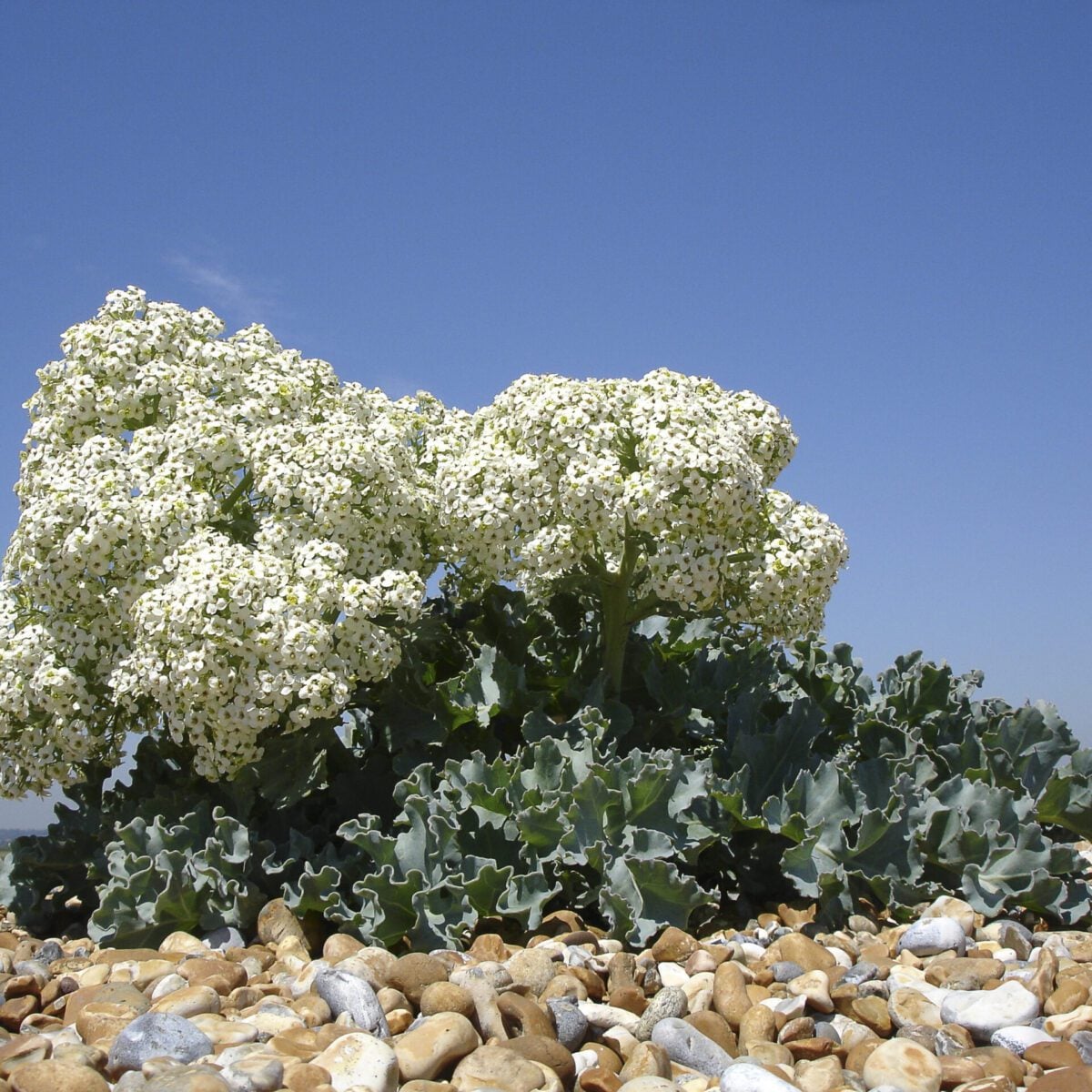
The Beach Reserve is recognised as having one of the finest examples of coastal shingle vegetation in the country. Particularly in late May and June the beach is transformed by a colourful array of flowers, the striking Sea Kale, and Viper’s Bugloss, the delicate Yellow Horned-poppy, Sea Pea and Sea Campion to name only a few.
Along the river’s edge there is a good example of intertidal saltmarsh vegetation and going inland a little, the gravel pits and drainage dykes provide more variety in the form of waterside and aquatic plant life. Around Camber Castle there are the unique ancient shingle ridges that have a very specialised flora.
Wildlife
Animals
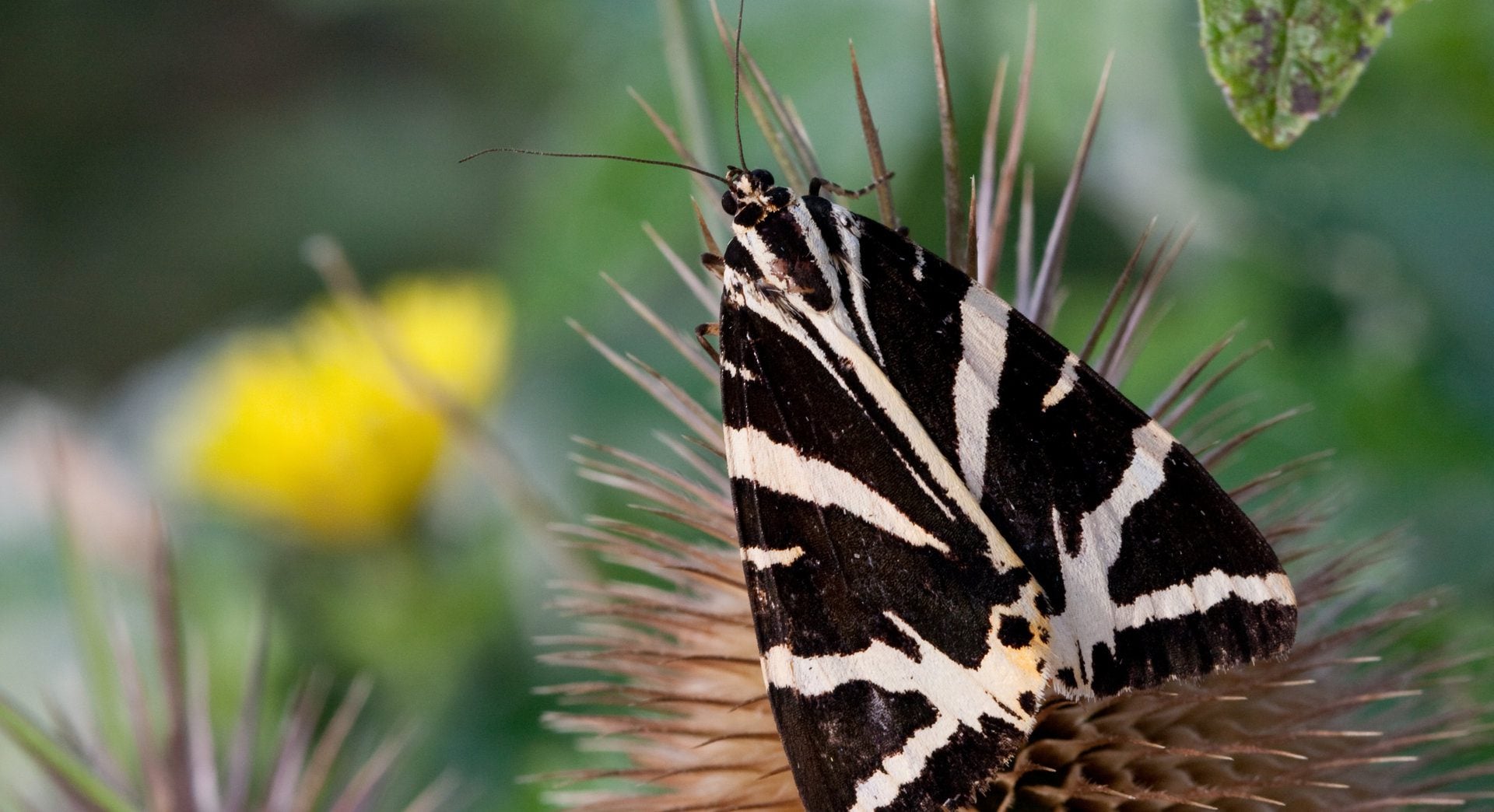
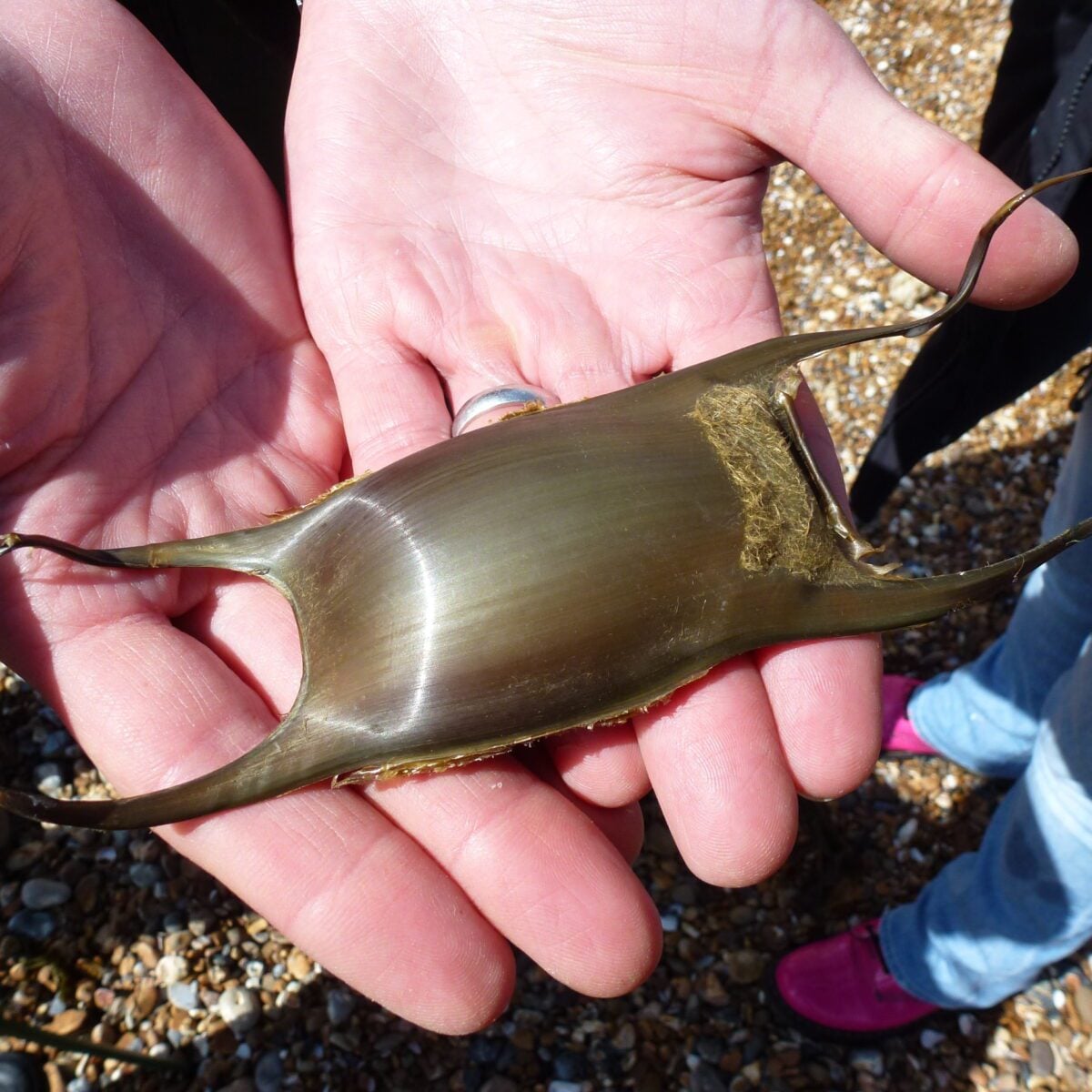
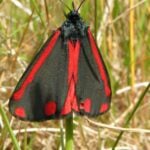
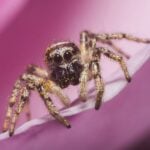
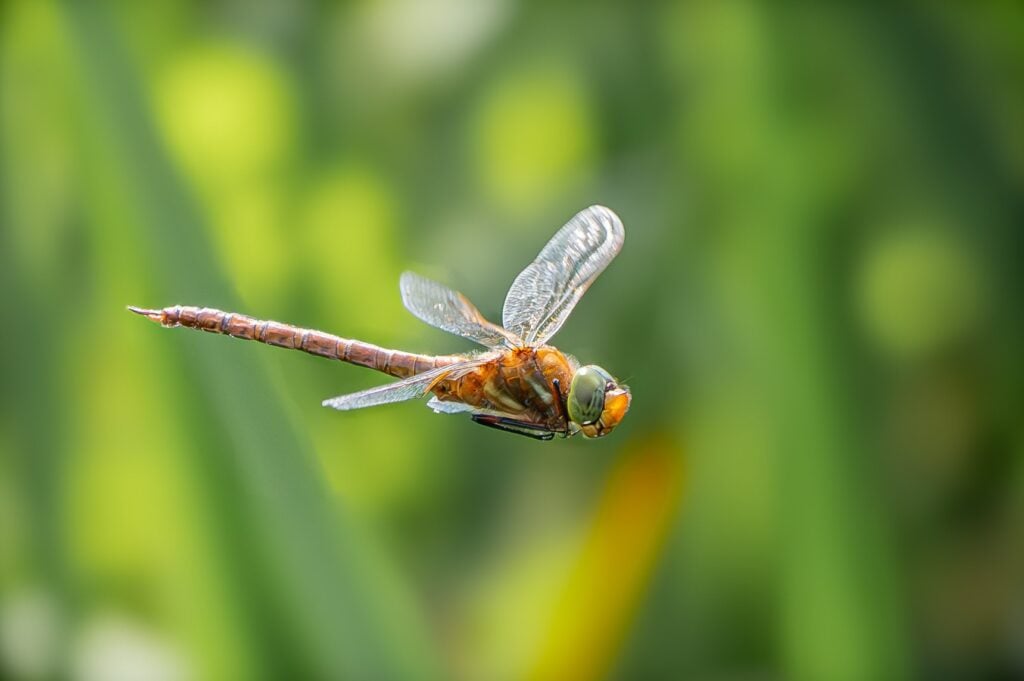
Where there is a good variety of plant life, there usually exists a good variety of animal life too. Studies carried out on the invertebrates have shown Rye Harbour Nature Reserve to be of outstanding National Importance. 2,321 species have been noted so far, including 209 Notable Species and more than 100 Red Data Book (RDB) species – such as the Spangled Button Beetle and the Medicinal Leech. However, there remains much to learn and there is a lack of detailed knowledge about most of the rare and notable species.
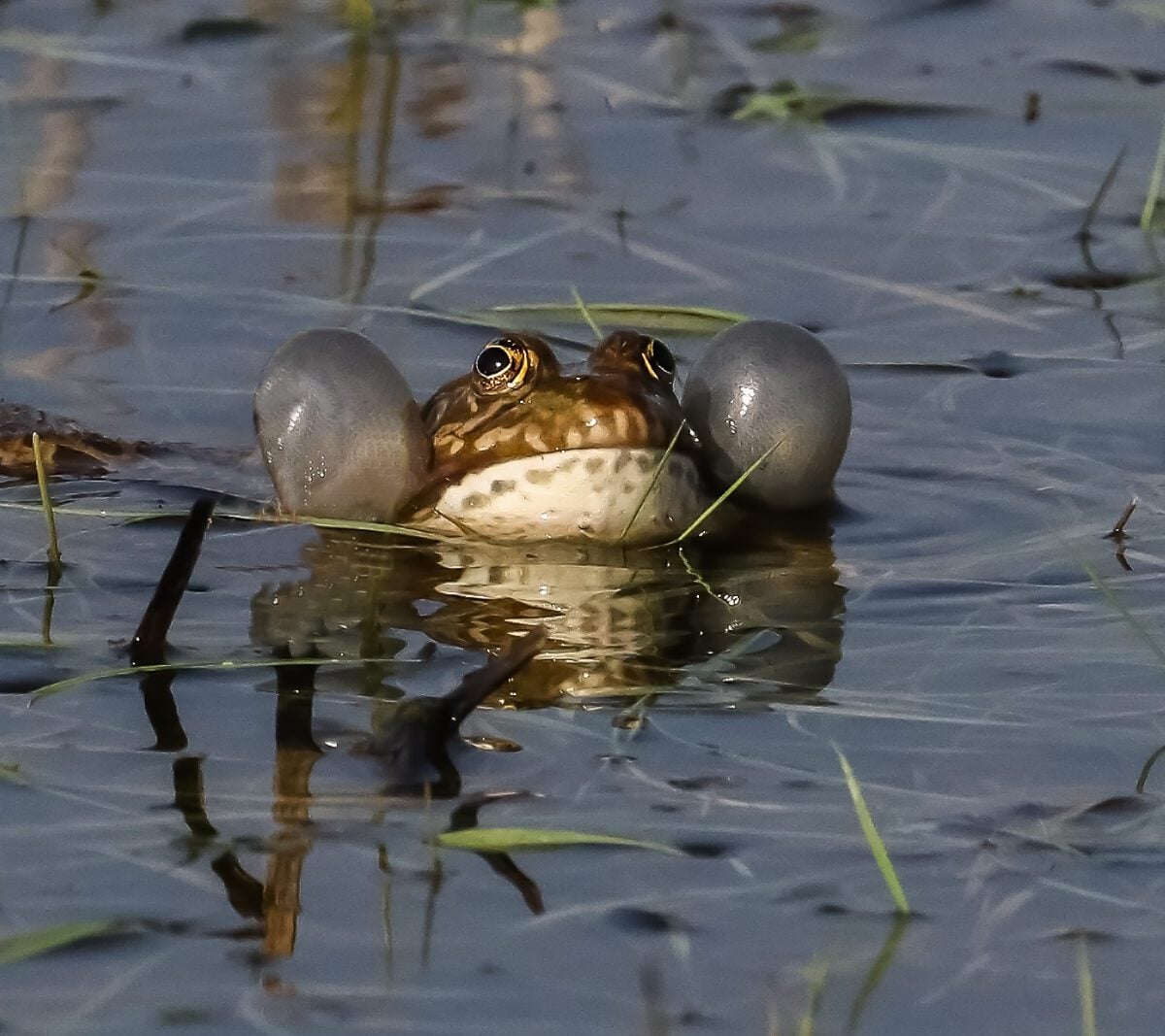
Of the larger animals on the nature reserve, perhaps the one most commented upon is the Marsh Frog, which can be heard noisily croaking all summer long. It’s an introduced species (1935) that dominates the Romney Marshes. At night, the reserve is the domain of Badgers, Foxes and Bats, including a good population of the Nathusius’ Pipistrelle.
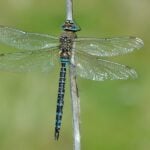
 Norfolk Hawker © Polly Mair