
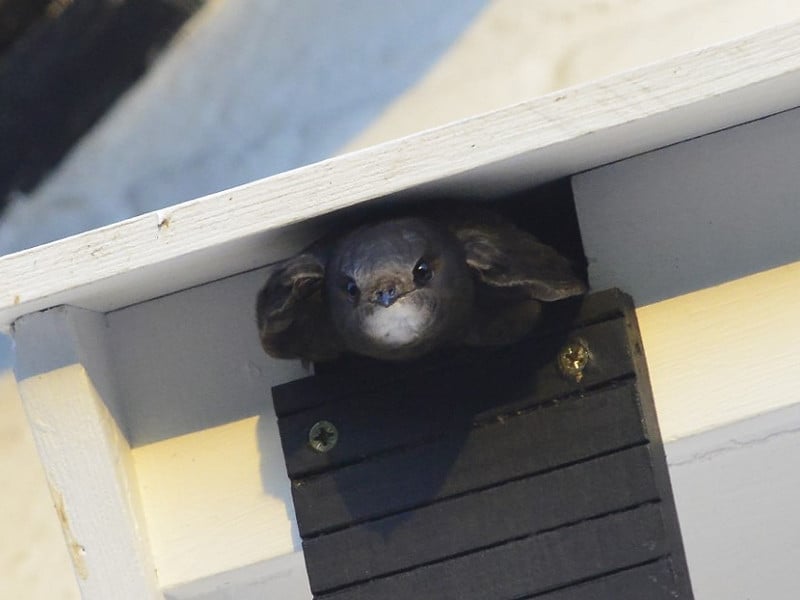
Swifts are head-turners: cutting arcs through the air like scimitars, while emitting a high-pitched shriek, their motley gangs are the ‘greasers’ of the bird world.
The Swifts’ arrival from sub-Saharan Africa in May traditionally announced the arrival of Sussex summertime. Over the past 30 years, however, their UK numbers have plummeted by a staggering 68% (according to the British Trust for Ornithology) pushing them onto the Red List for the first time in 2021.
What went wrong? Like many other birds, we know Swift survival is threatened by unpredictable summer weather (brought about by climate breakdown), as well as food scarcity (due to the rapid decline of insect populations). Whereas, over the centuries, our Sandys and Dannys co-habited with humans – nesting in the same nooks and crannies of homes, barns and outbuildings year after year – modern housebuilding methods and materials have excluded the Swift.
What can we do to reverse this worrying trend? One proven solution is to replace lost nesting habitats. Last year, unfortunately, the House of Lords declined to make Swift bricks a mandatory component of English building regulations. So, for the time being, it’s up to Local Authorities and resident groups to take action ourselves.

Enter the Wilder Horsham District project’s Nature Recovery Award, which since 2021 has funded the installation of almost 200 specialist Swift nest boxes across the District. In some cases, we’ve also financed the purchase of audio devices that broadcast the Swift’s distinctive calls, a technique known to improve their chances of occupancy.
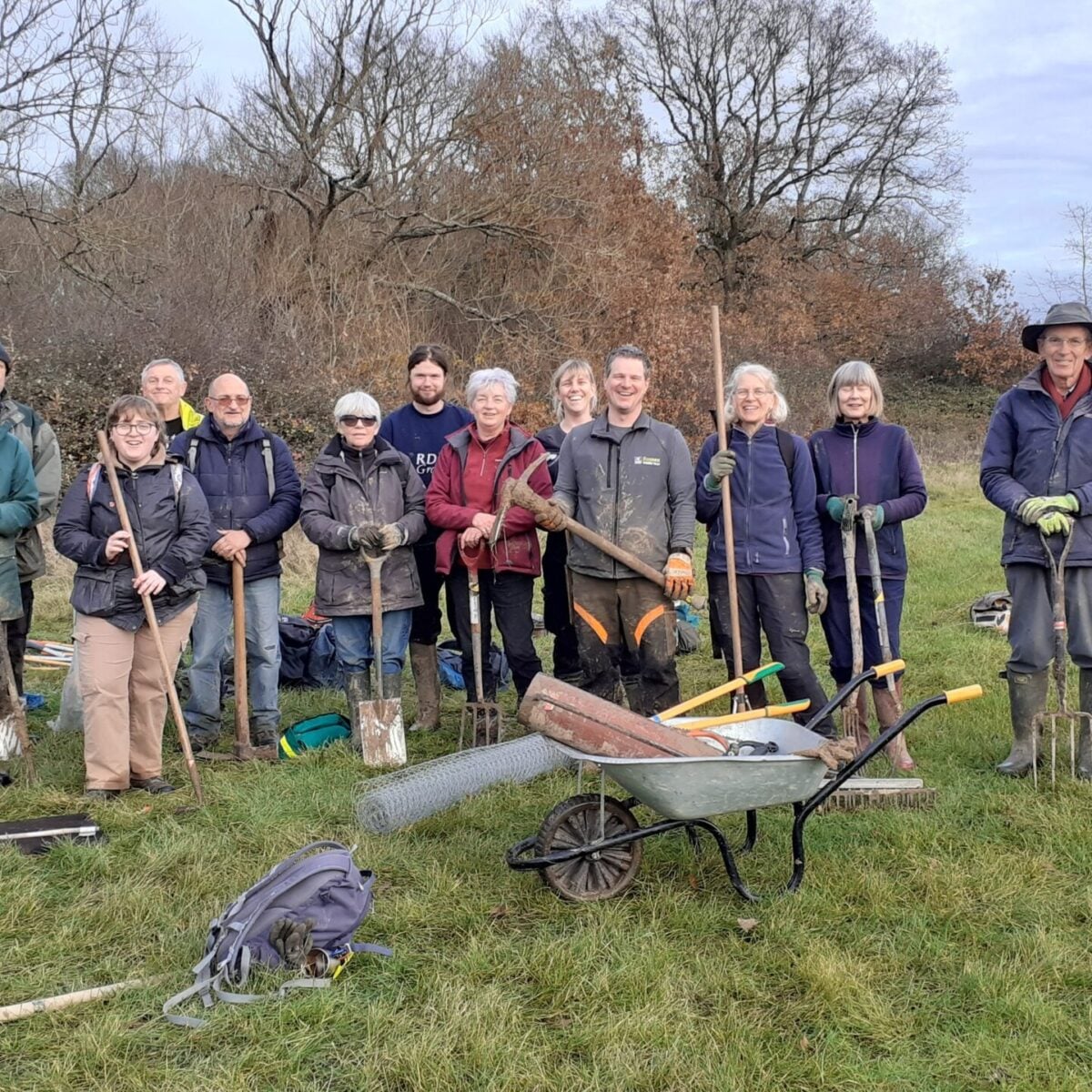
The beauty of this competitive grant is that it supports community-led initiatives organised by people who are passionate about reversing nature’s decline. Over the past five years, our funding and ecological advice has enabled the go-ahead of Swift projects organised by Shipley Parish Council, local resident groups (Wild About Warnham, Partridge Green & West Grinstead Bird Group) and various rural landowners, as well as at West Sussex Golf Club. SWT’s Storrington and Arun Valley Regional Group’s volunteers deserves special mention for installing almost 100 Swift boxes across seven villages!
“After weeks of looking it was such a thrill to see a swift fly out of a box…It has given me a lot of pleasure and excitement over the summer.”

While it’ll take several years to gauge the impact of these interventions on Swift numbers, the initial results are promising. Two boxes have already been occupied at properties in the Storrington and Arun Valley area, whose owners regularly broadcast Swift calls. Swifts are once again being spotted around Partridge Green through the summer months. They’ve shown interest in two boxes as well as the village church. Volunteers hope that some of these birds will choose to make their territories here in the coming years, once they’re mature enough to breed.
“What a worthwhile project! This has led to my box fledging two babies this year. So happy the grant has given this result and hopefully more in the years to come!”

Installing a nest box doesn’t guarantee it’ll be occupied, but the impact of this work on village communities in Horsham District is equally important. Each box installed represents a positive conversation had with a householder about the importance of Swifts and enough trust built up for them to allow a volunteer access the rafters of their property! Add to the mix village hall presentations, neighbourhood volunteer teams mustered to monitor Swift activity, attendance at local fetes and fairs, social media engagement and even a mini Swift hospital set up by a Warnham resident, and we begin to see how much these svelte birds have connected local people to wildlife in their area – and to one another.
“I was very pleased to have a swift box fitted, having heard about them from friends in the village. I had been following the plight of swifts generally, as well as observing numbers declining locally, so was grateful to be able to get involved and help.”
“Learning about the Swift Project, at its recent presentation to villagers, has not only inspired me to put up swift boxes and house martin cups on my own house, but also to volunteer my time to this group.”

With Swifts’ annual arrival in Sussex expected in May, now is the perfect time to prepare to welcome them, both at home and in your community. Follow these tips to get you started.
- You can buy Swift boxes from various outlets, or make your own, using this design from The Wildlife Trusts.
- Help scientists understand Swift activity by reporting your sightings using RSPB’s online Swift Mapper tool.
- Find your local Swift action group or set up your own!
- Garden with wildlife in mind: more insects will make your home more attractive to Swifts! Find out how on our website.


Leave a Reply