
Climate Resilience
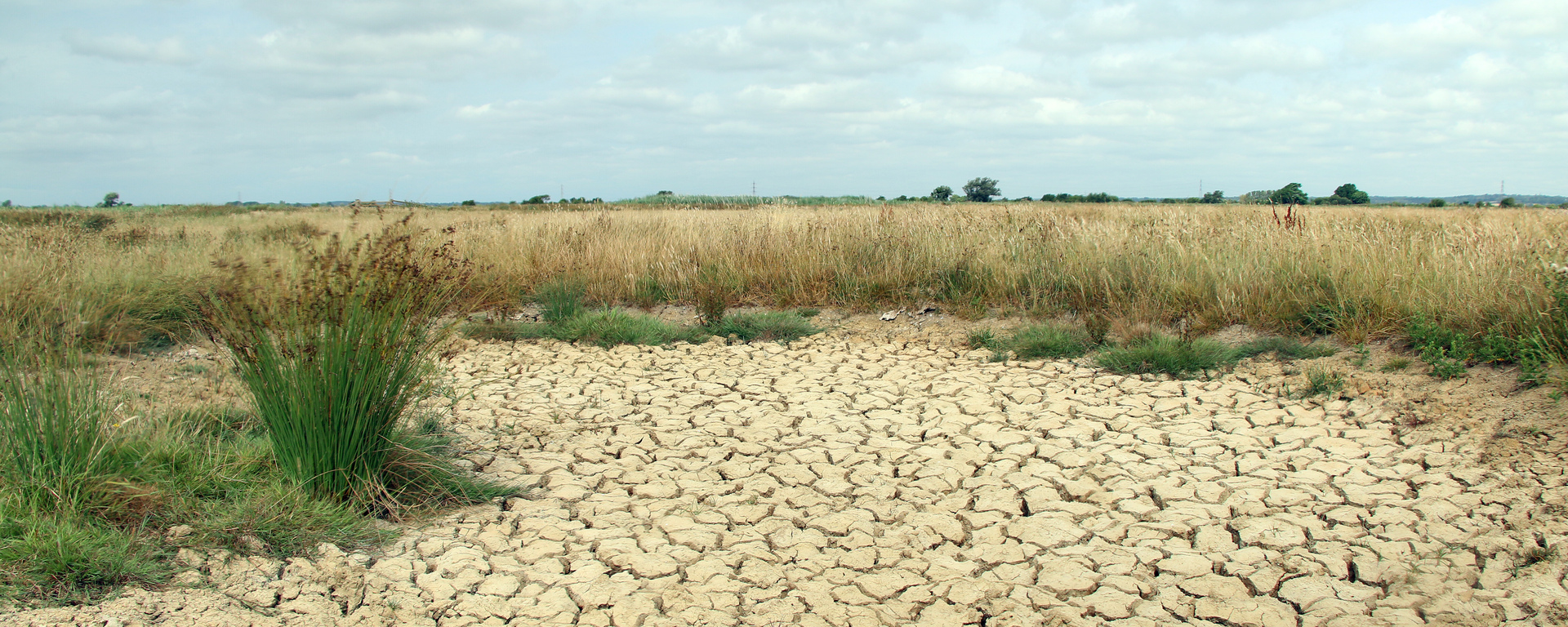
Climate change is the biggest global challenge we face. Impacts from a changing climate are increasingly being felt across all aspects of our daily lives. The natural world is already facing an ecological emergency and climate change will exacerbate and increase the frequency of threats and risks to already vulnerable landscapes and ecosystems.
Our Wilder Landscapes team works hard to make Sussex more climate and nature resilient. Our land advisors provide bespoke advice across the County, giving landowners the tools and knowledge to increase Nature Recovery Networks for climate and wildlife. We deliver Nature Based Solutions to climate change at a landscape scale, through Natural Flood Management, tree regeneration and local projects.
The Wilder Ouse project, formally the Sussex Flow Initiative, has been successfully delivering Natural Flood Management in the Ouse catchment since 2012. Wilder Ouse is now expanding its remit to deliver all Nature Based Solutions to climate change.
The Wilder Horsham District project is creating a Nature Recovery Network, helping to make wildlife and communities more resilient to climate threats.
Our Species Recovery projects work to restore nature ecosystem engineers and keystone species such as Beavers, which help us create naturally resilient habitat networks.
The Sussex Wildlife Trust Living Seas team is also helping to make our seas more climate-change proof.

What is Sussex Wildlife Trust doing on our nature reserves?
- Carbon sequestration: Salt marsh creation at Rye Harbour and other habitat restoration projects on our Nature Reserves increases carbon sequestration across Sussex. All our Nature Reserves are natural carbons stores, sequestering thousands of tonnes of carbon a year in their soils, ancient trees, grasslands and other natural habitats.
- Natural flood management: at Woods Mill Nature Reserve the Mill stream was restored to a fully functioning river that is connected with the floodplain, allowing water to flow into areas following heavy rainfall, helping to reduce flood risk. This will become increasingly important as we see higher intensity rainfall, and longer periods of drought in the UK due to climate change.
- Restoring natural function: at our Butcherlands reserve, we have created wood pasture through allowing natural regeneration of trees and shrubs, increasing carbon sequestration, decreasing flood risk, and forms an important part of the Ebernoe ancient woodland habitat network for threatened species.
- SSSI Future Reforms: We are working closely with Natural England to assess whether our Special Sites of Scientific Interest are fit for purpose under climate change scenarios. Amberley Wildbrooks is our first case study site. Increasing reserve size: we have created a larger protected area with greater diversity of habitat, reducing climate vulnerability through land purchases surrounding Ebernoe Common.
- Working at a landscape scale: By working with other landowners, communities and organisations across landscapes such as Pevensey levels, we can hugely increase our impact and influence for climate adaptation. Behaving like missing species: at Selwyn Woods we have emulated Beaver through building leaky dams that slow and store water. What’s a leaky dam, I hear you ask. Find out here
- Climate Risk Assessments: We are carrying out climate risk assessments for all our Nature Reserves to see how we can work with nature to adapt to climate change.
What can you do to help the fight against climate change?
It can be hard to know where to start with a big issue like climate change, so here are some easy steps you can take in your day to day life that will reduce your negative impacts on the warming climate:
- Reduce the use of garden fertilisers: allowing plants and animals to thrive without chemicals will help to maintain a healthy and climate resilient ecosystem.
- Walk, cycle, and use public transport where possible
- Use less plastic, and when you do use it, find ways to reuse or recycle it. Many supermarkets now recycle flexible plastics, and local recycling schemes will take a range of items that you’d normally throw in the bin, such as pens, contact lens packaging, and chocolate wrappers!
- Be energy and water efficient: small changes like capturing water in a water butt for watering your garden, opening the windows instead of using the A/C, washing your clothes on 30⁰C instead of 40⁰C, or switching to a renewable energy provider can reduce your carbon footprint. They’ll save you money too!
- Eat seasonally, consciously, locally and organically where possible. Buy seasonable fruit and veg, and consider the origins of your food. If you eat meat, switch from eating meat 4 times a week to once or twice a week, and buy locally raised, grass-fed meat.
- Vote for MPs and councillors who defend nature and are committed to stopping climate change.
- Refuse to use peat: peatland is a vital carbon store, and when it is harvested for use in private gardens that carbon is released back into the ecosystem as carbon dioxide. This increases greenhouse gas levels in the atmosphere.
- Support wildlife schemes in your area
- Take fewer flights (especially short-haul ones)
- Reduce your consumption of material goods: ask yourself, do I need to buy a new shirt or can I find one second-hand? Could I start using cloths and spray to clean the house instead of single use wipes? Could you store your sandwich in a Tupperware box instead of using cling film or foil?