Overview
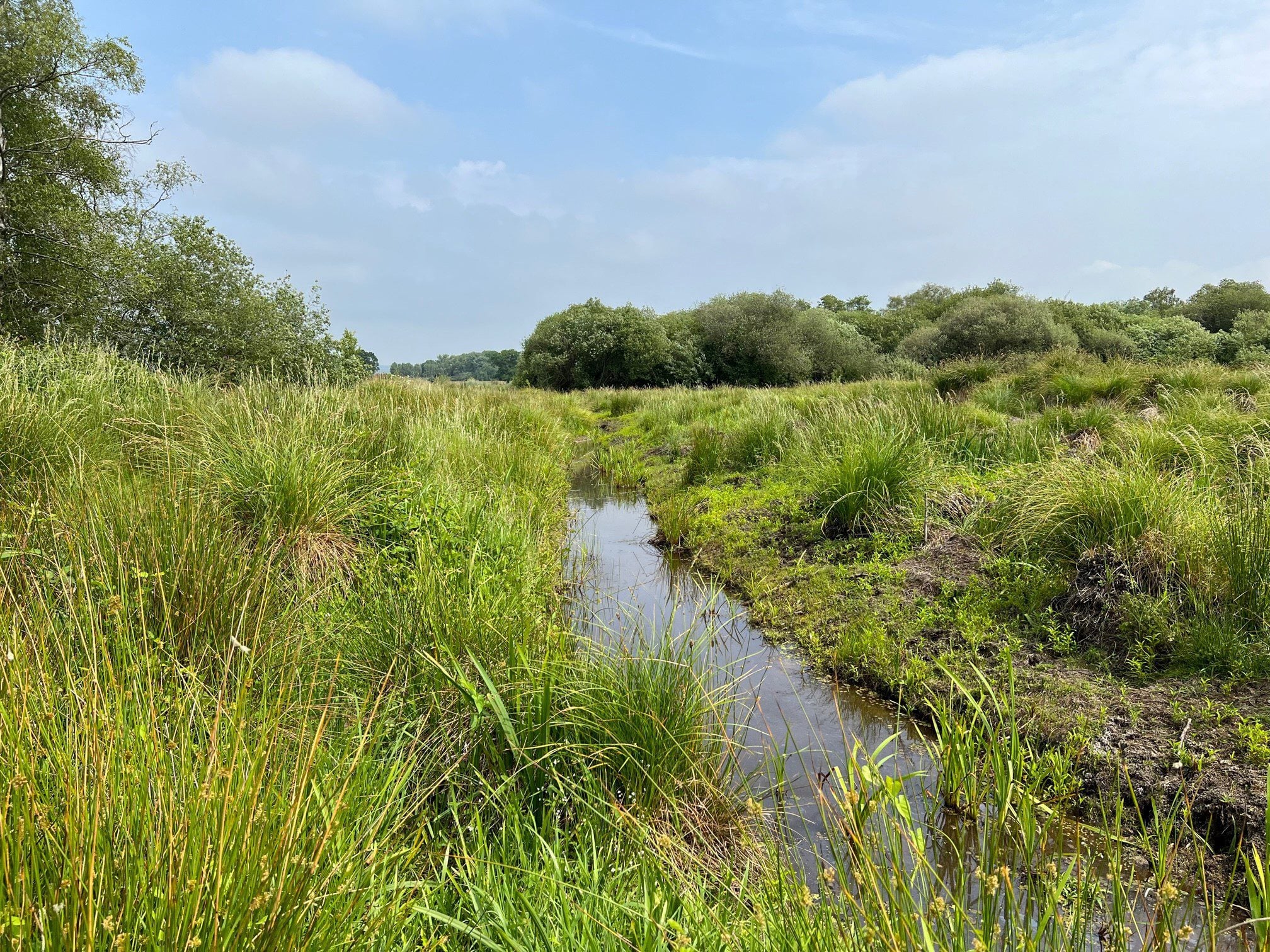
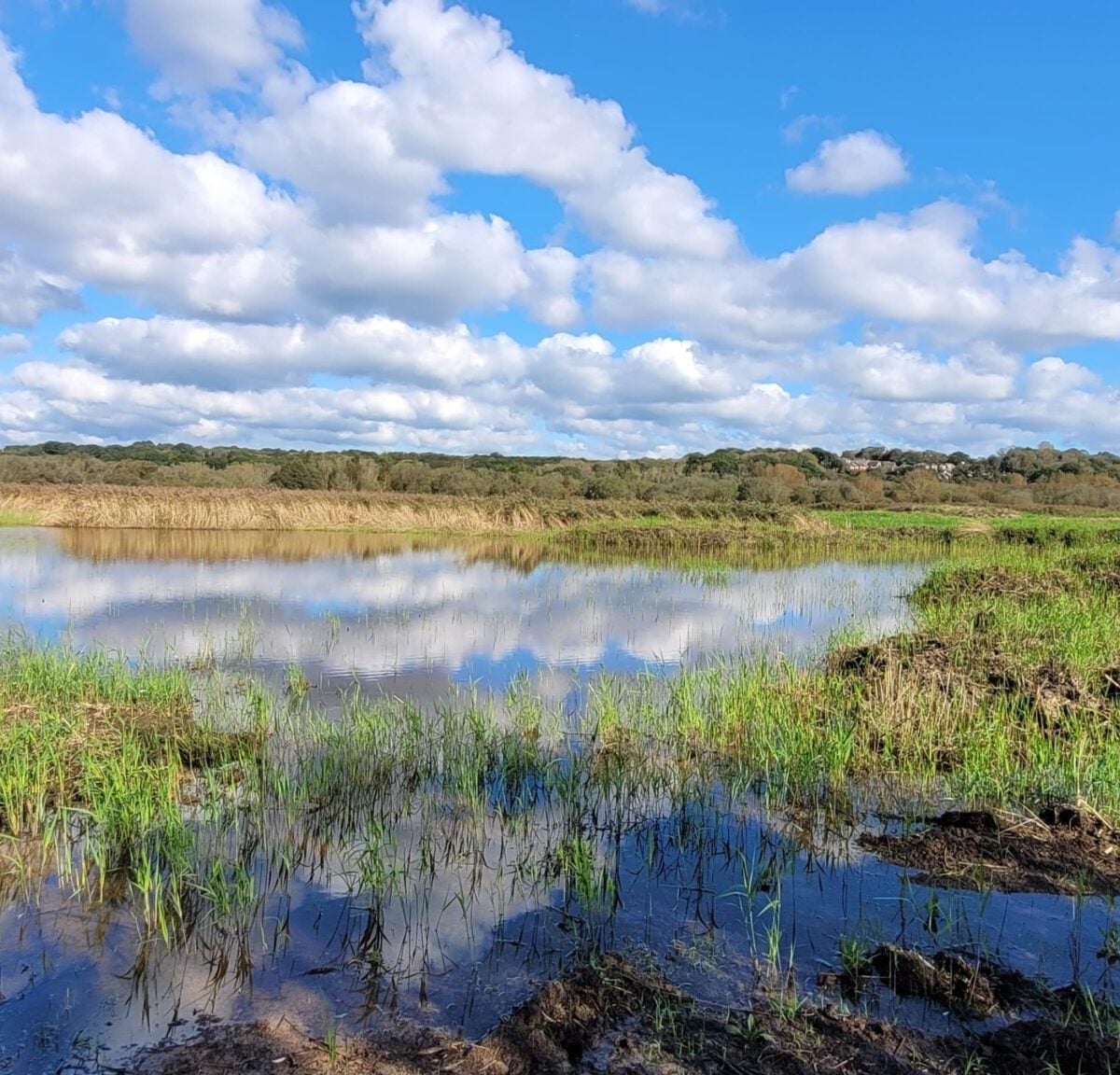
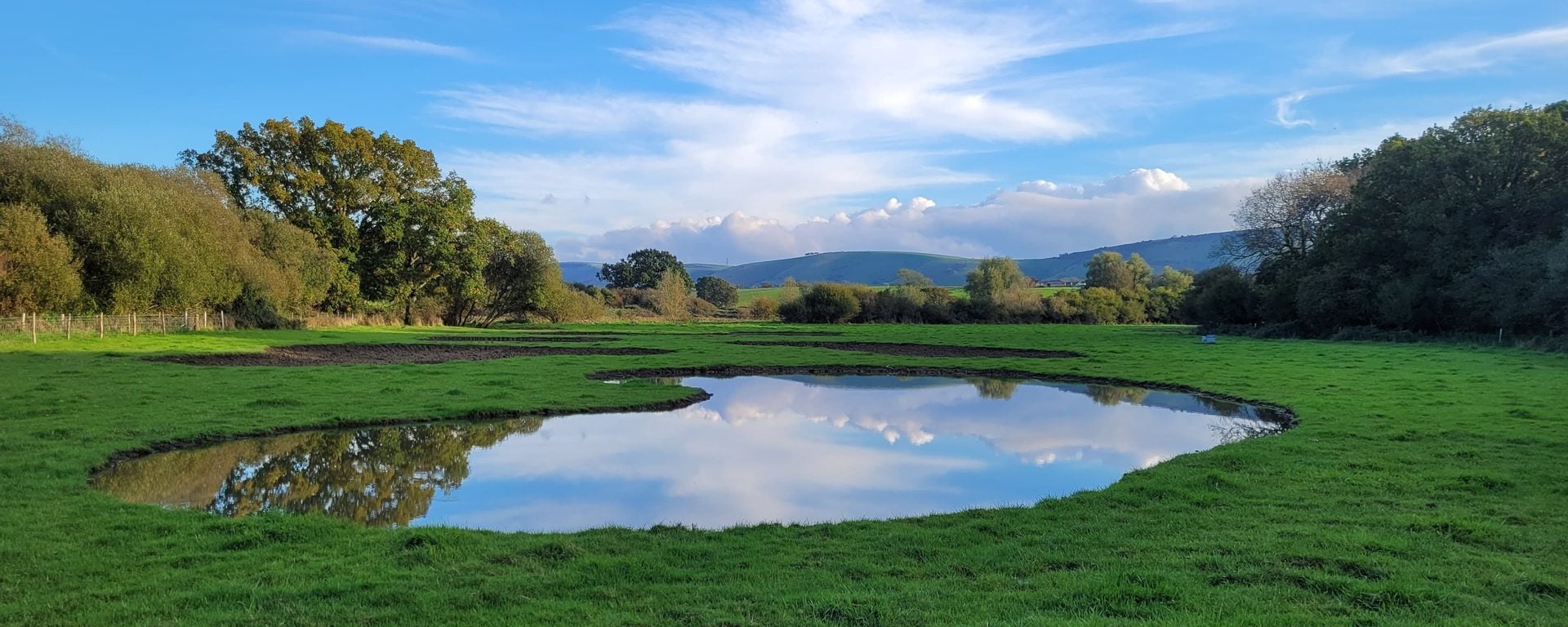
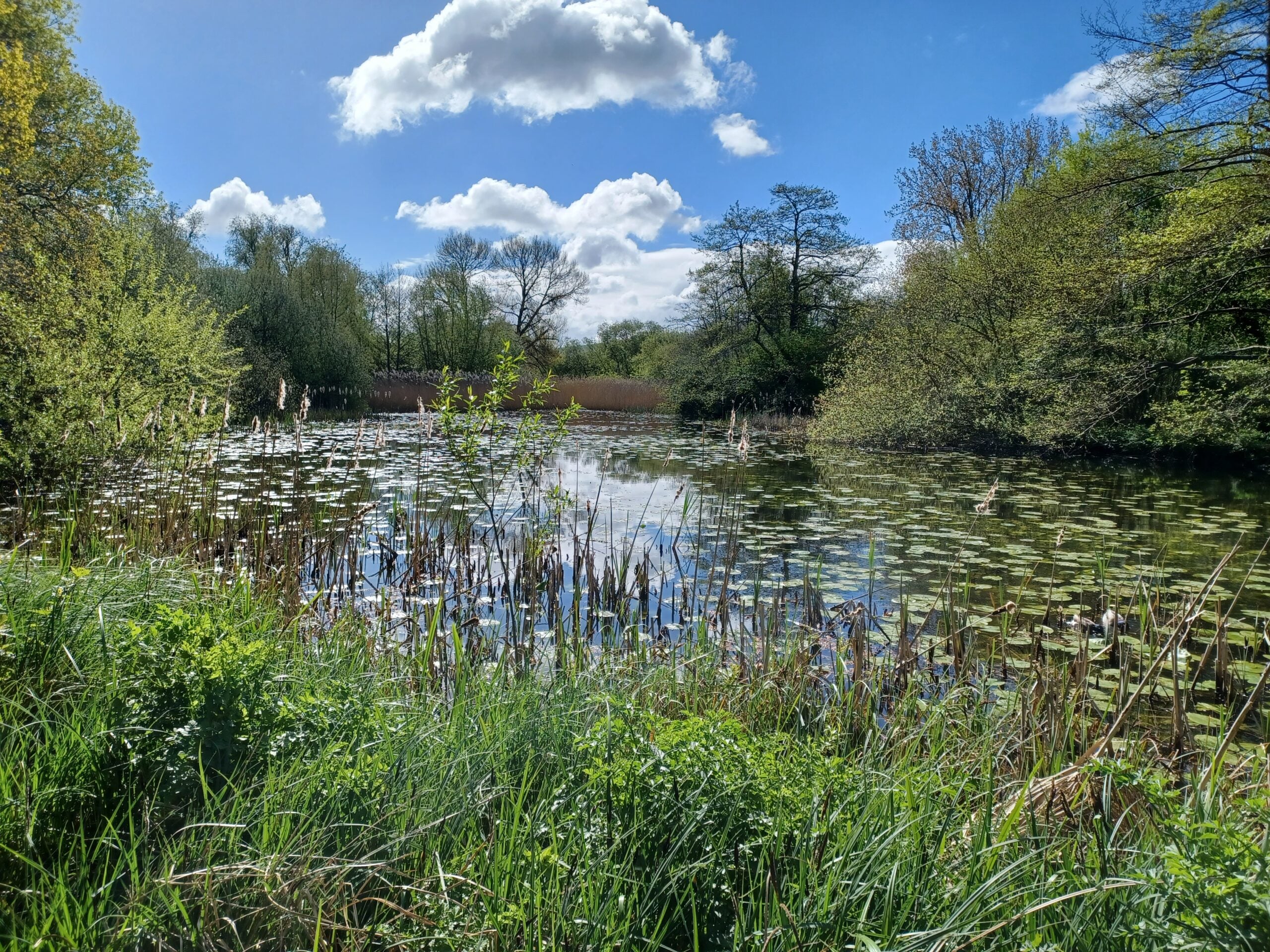
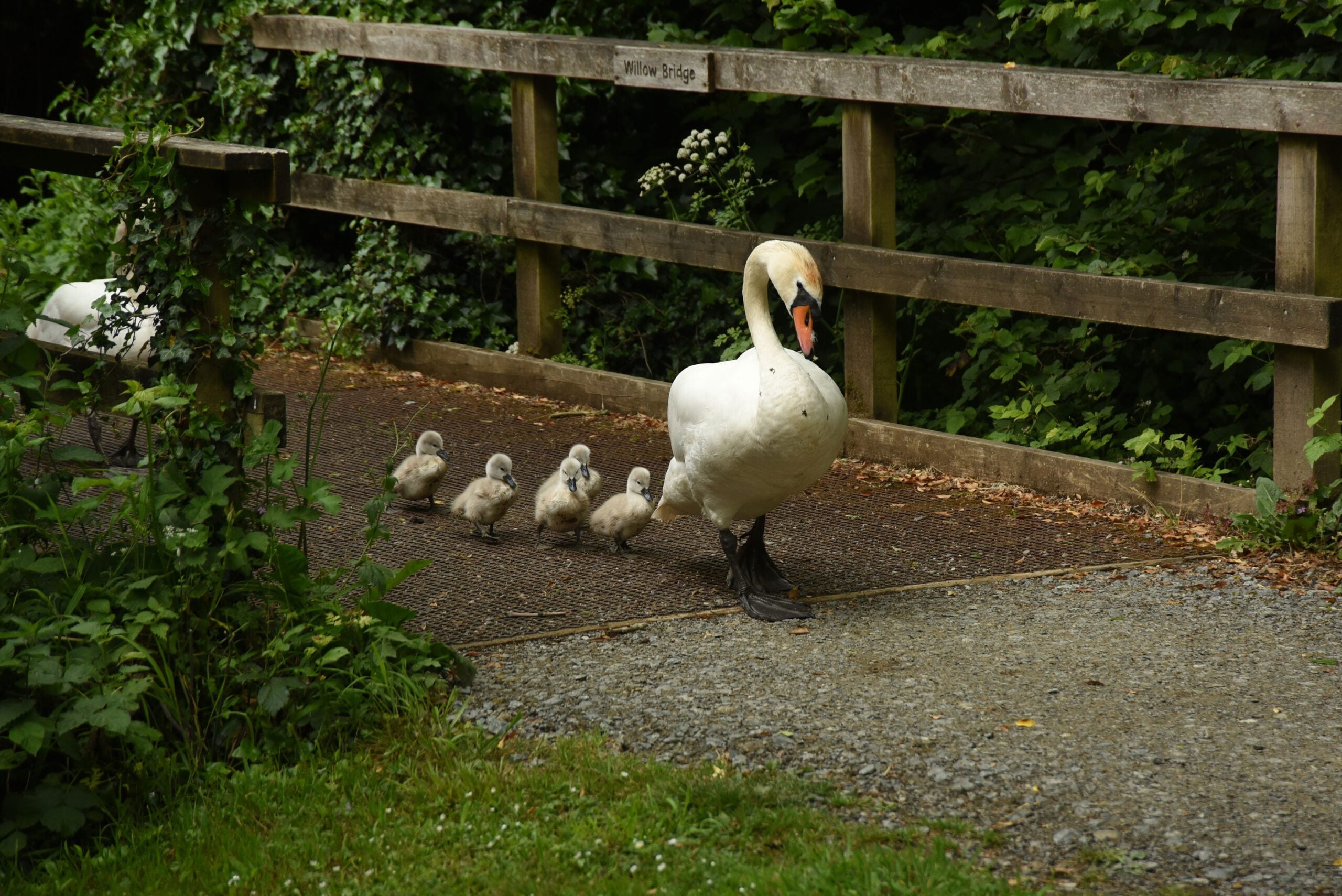
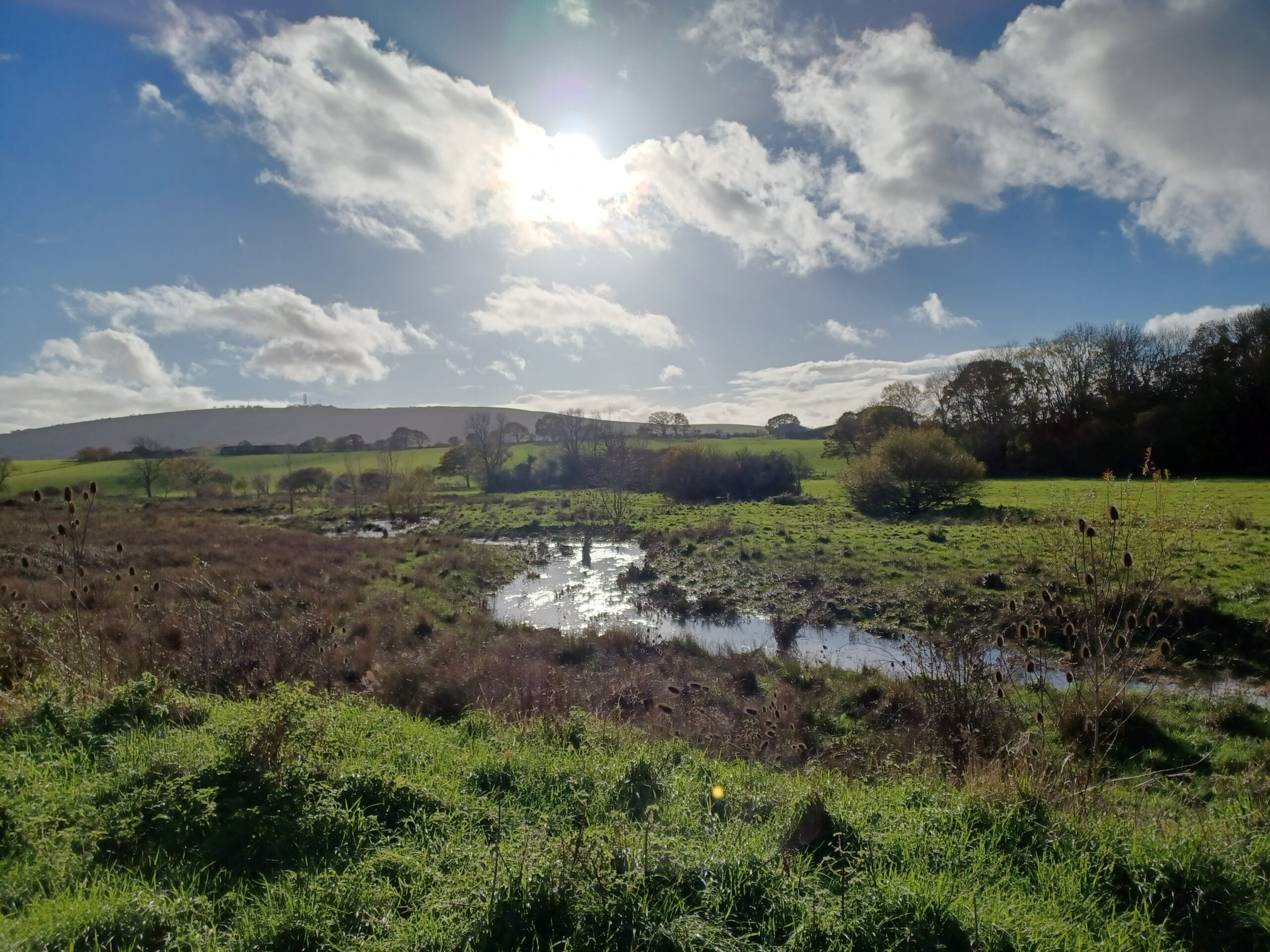
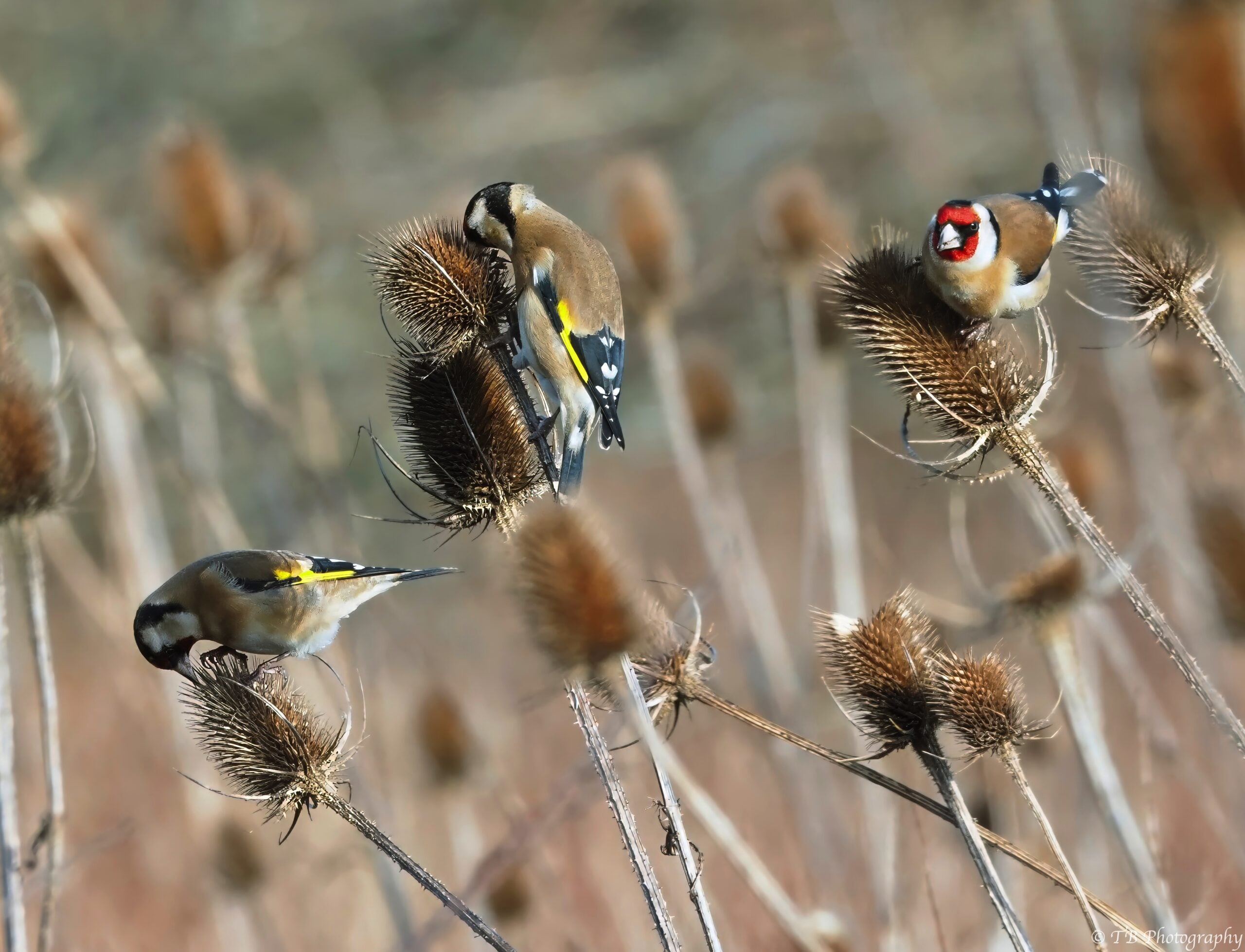
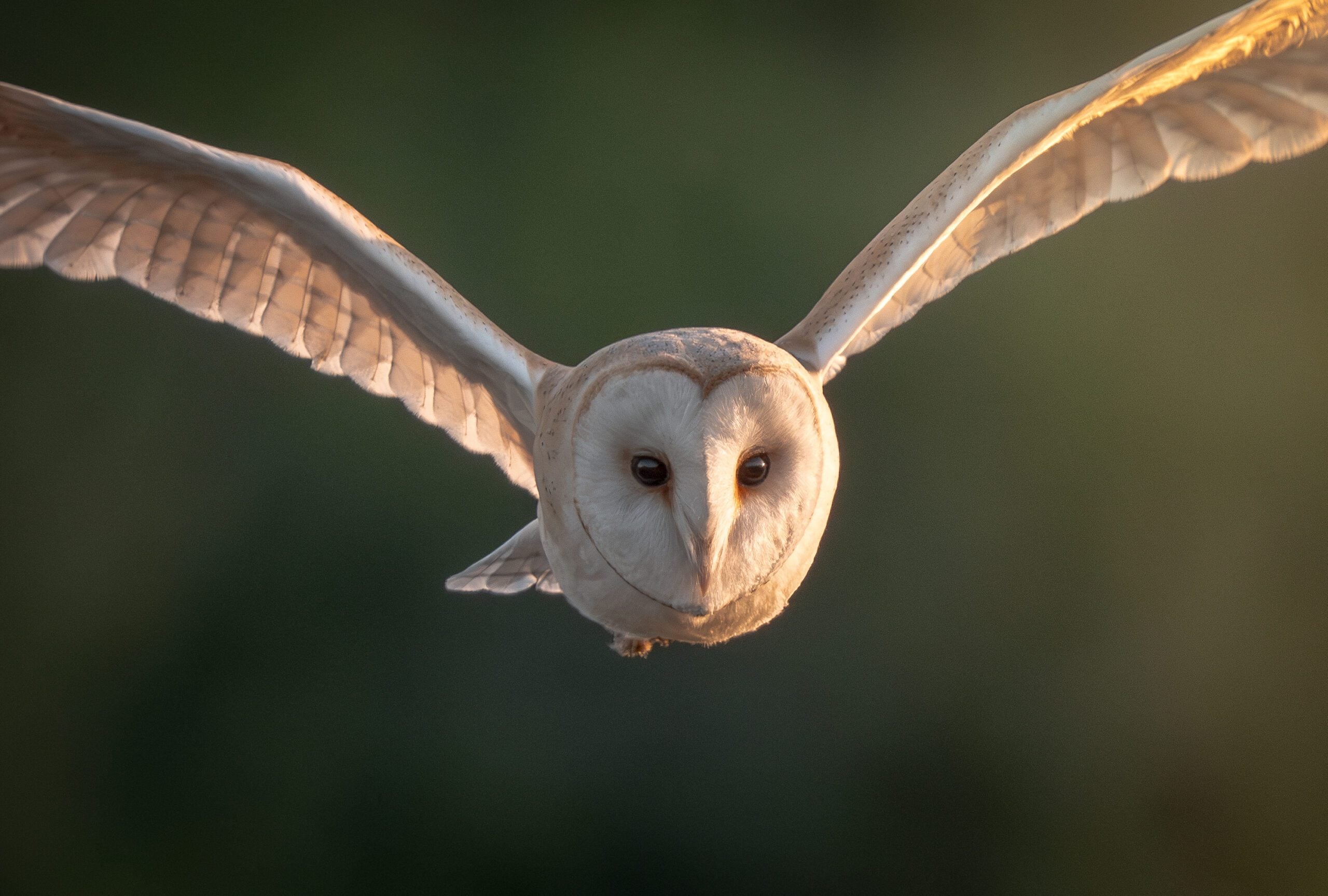
An old watermill sits at the heart of one of Sussex Wildlife Trust’s most-loved and most-visited nature reserves. Woods Mill is compact but extraordinarily rich: a lake, old ponds, streams and waterways – alongside meadows and ancient woodland. This range of habitats provides a haven for a wonderful range of birds, insects, amphibians and mammals, some rare.
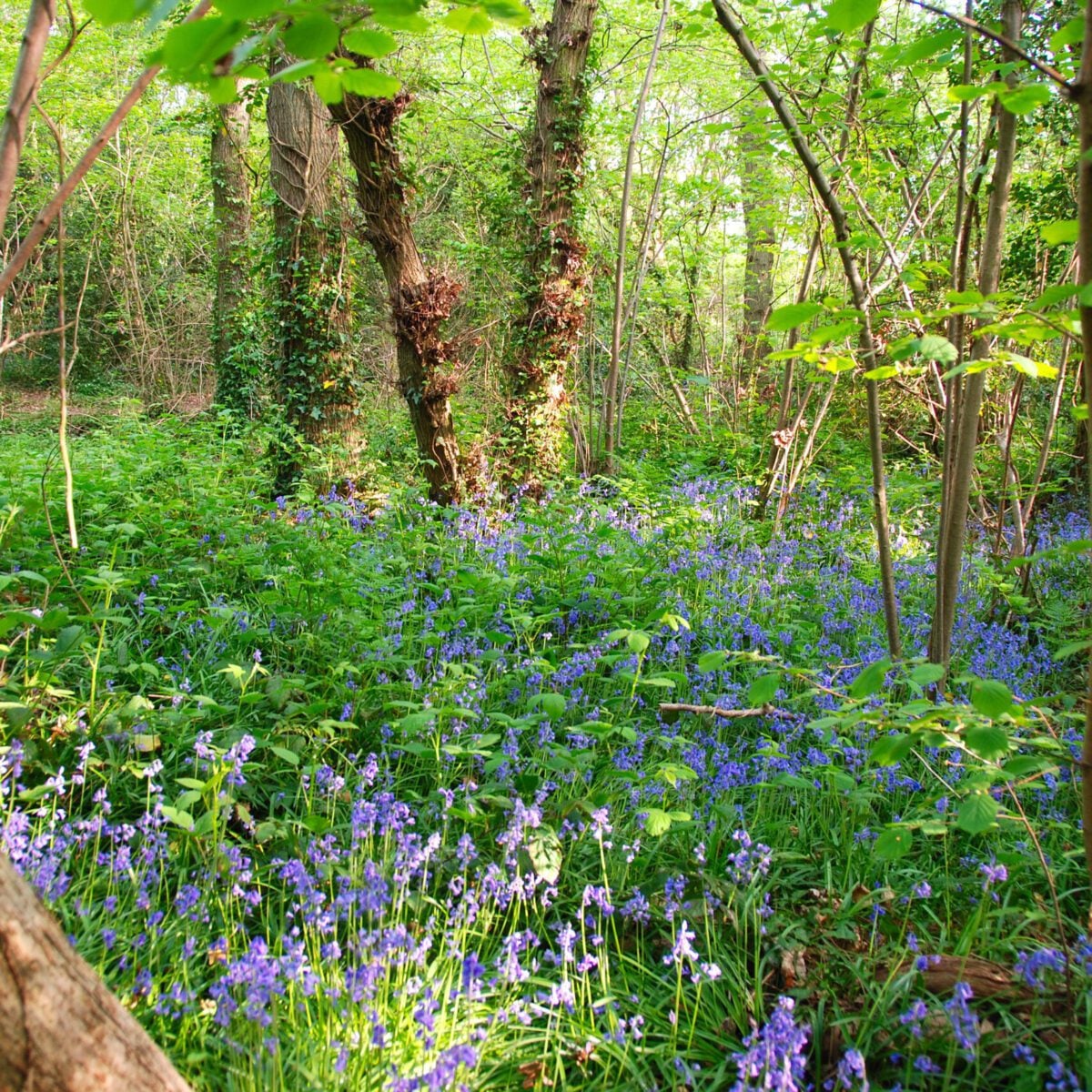
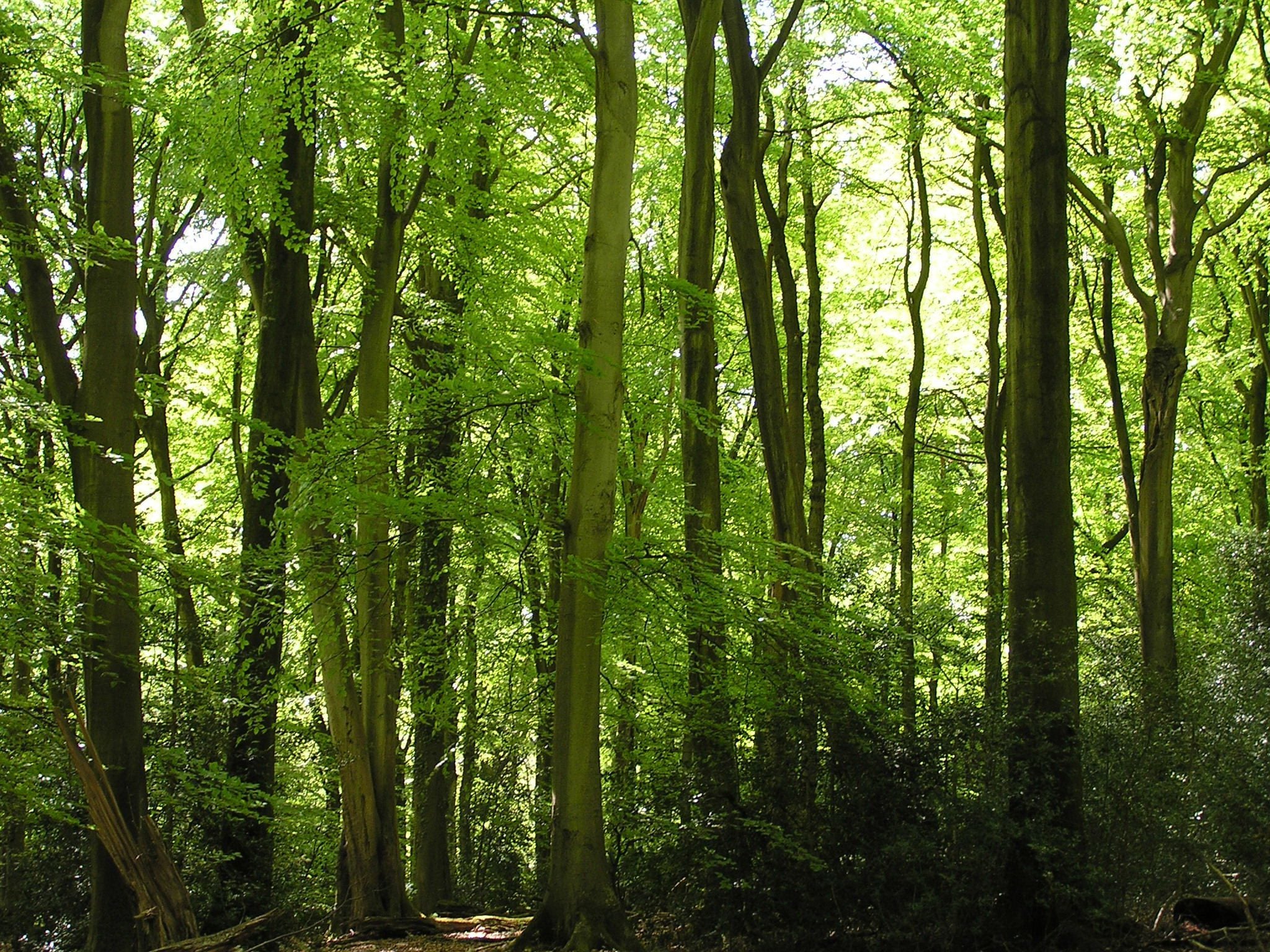
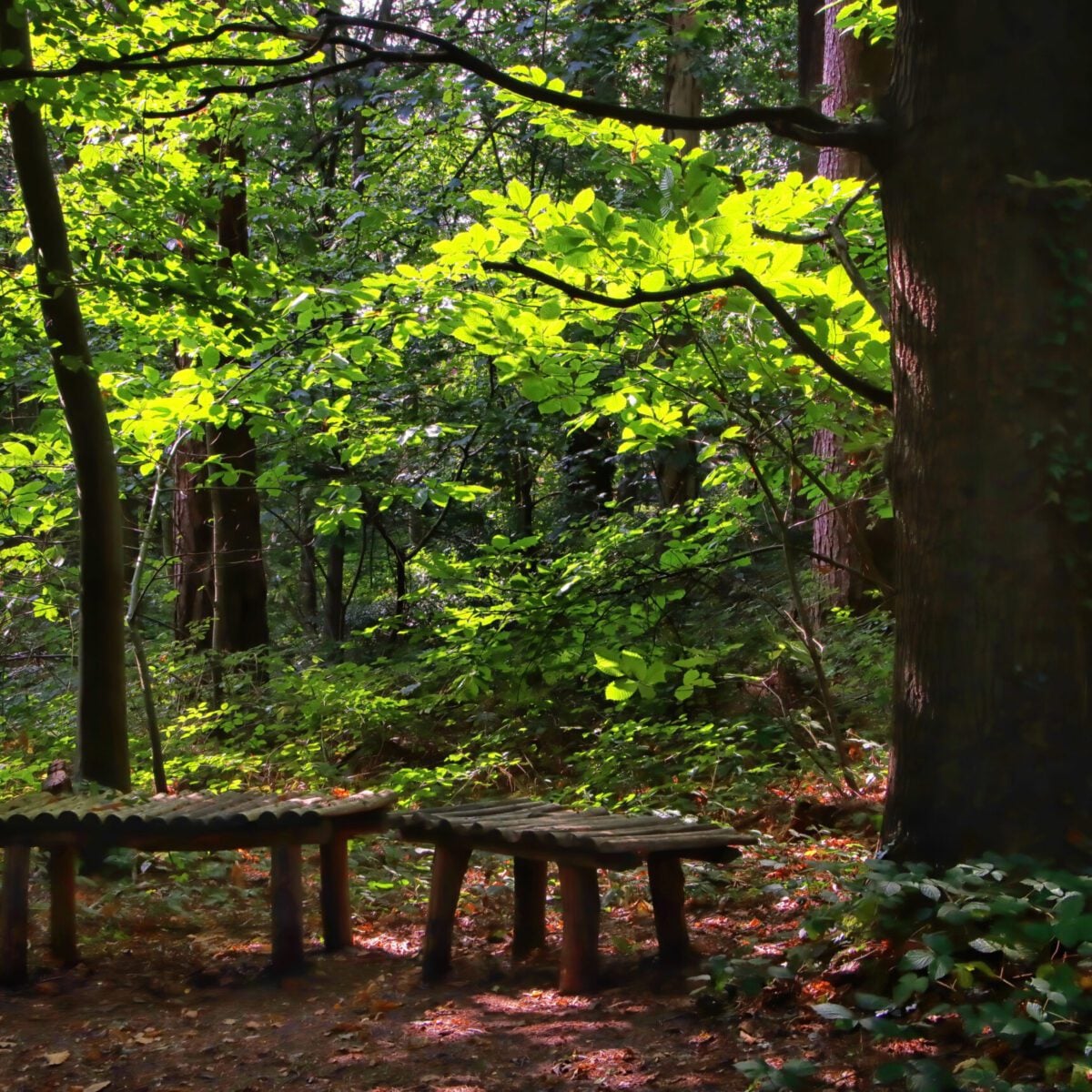
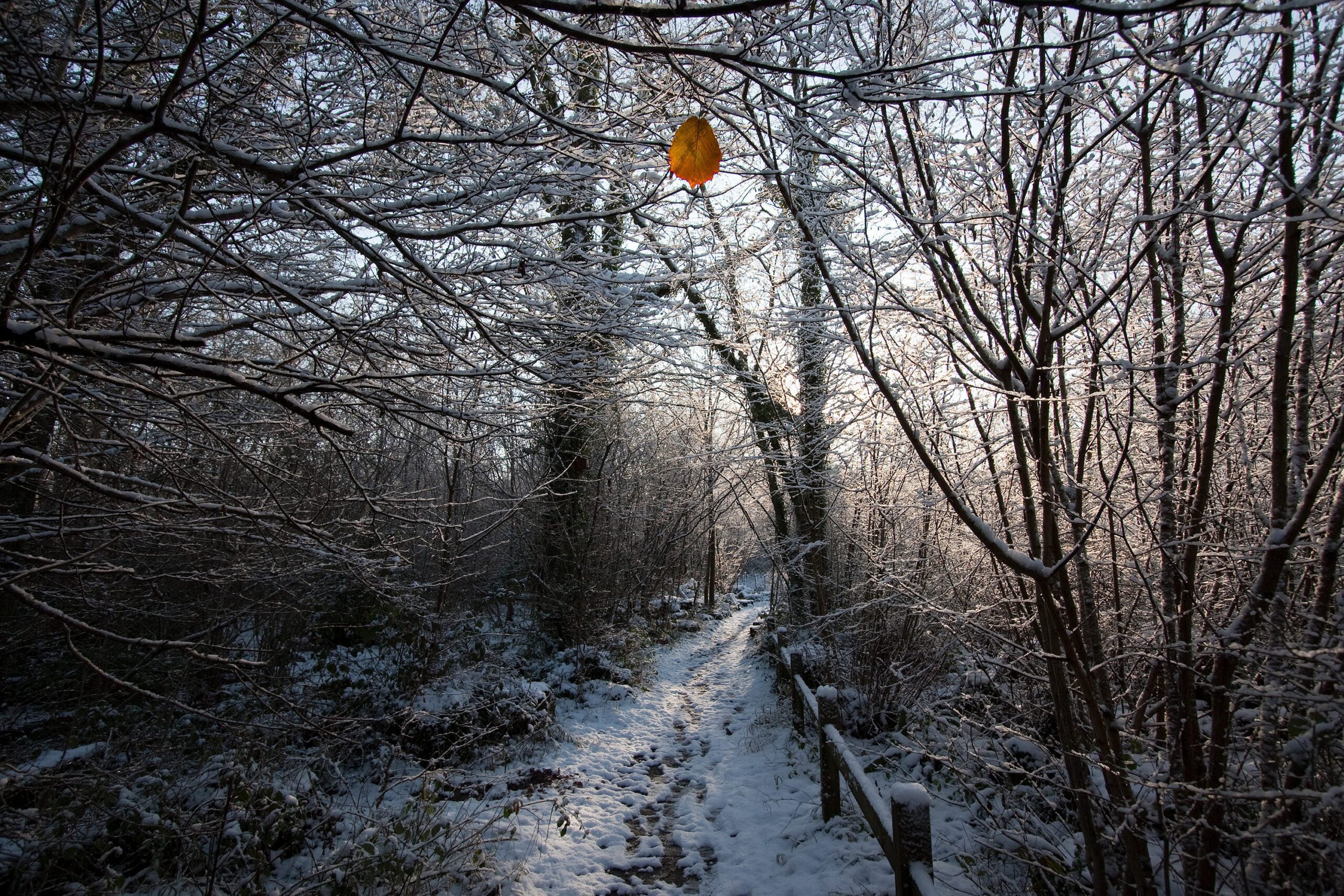
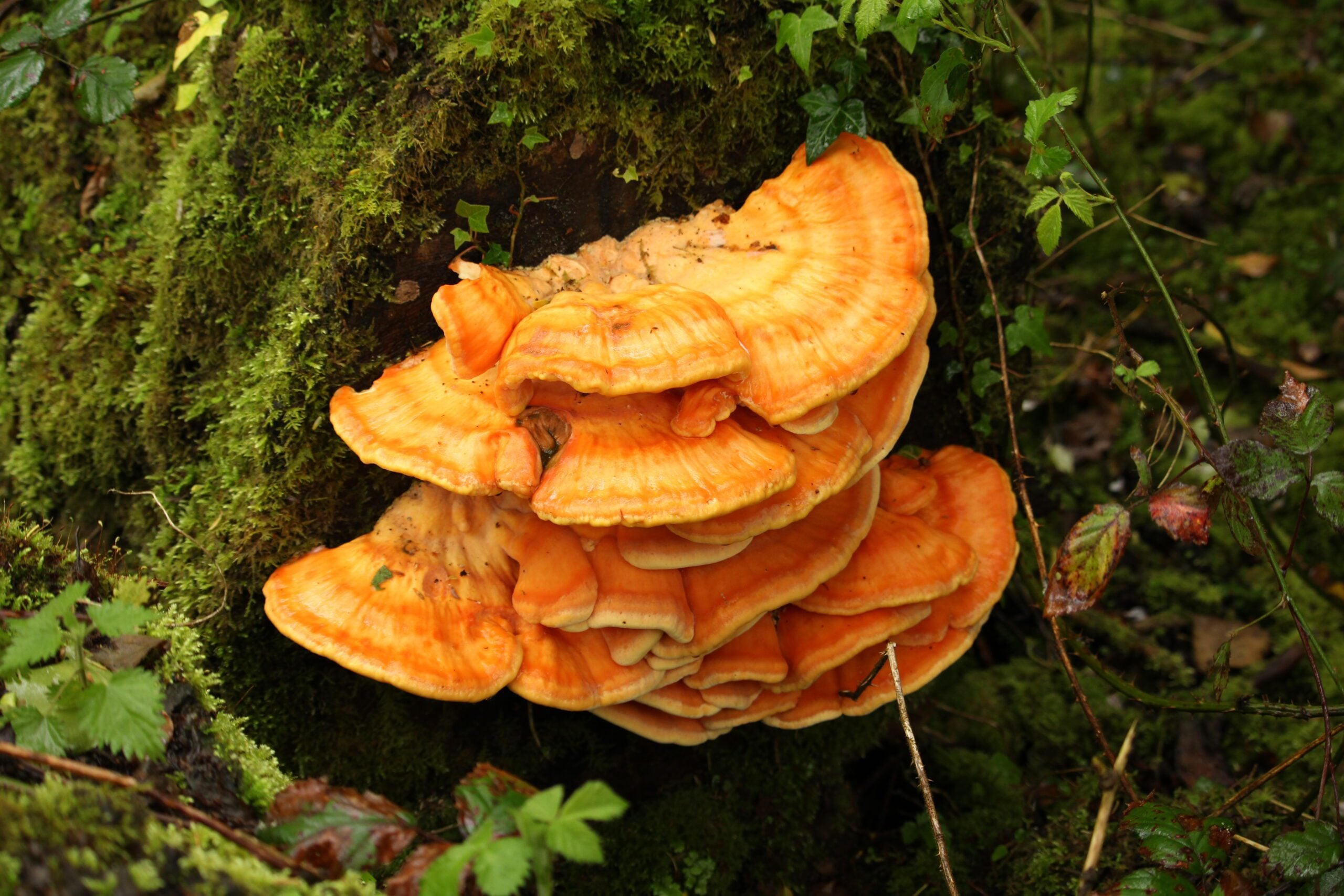
Head along the accessible, circular path taking you around the lake and reedbeds, or stroll along a meandering path through ancient woodland, past coppiced Hazel and Silver Birch, to see a carpet of Bluebells or an array of fluttering butterflies. Or peer down low to spot orchids and fabulous fungi.
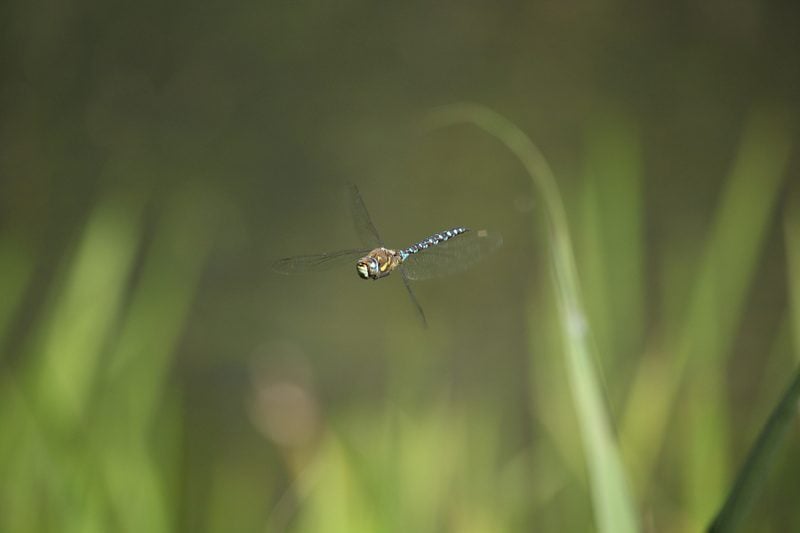
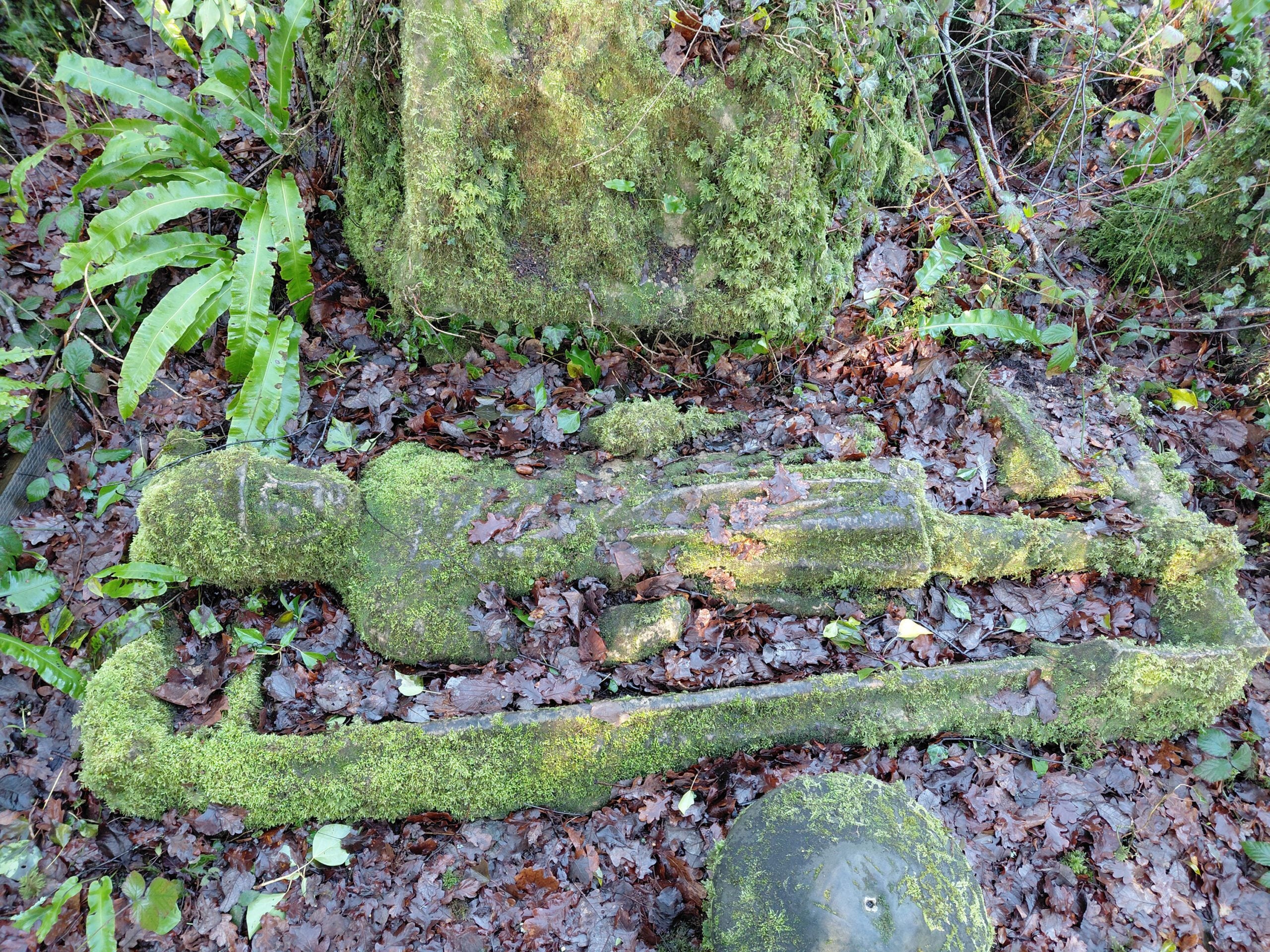
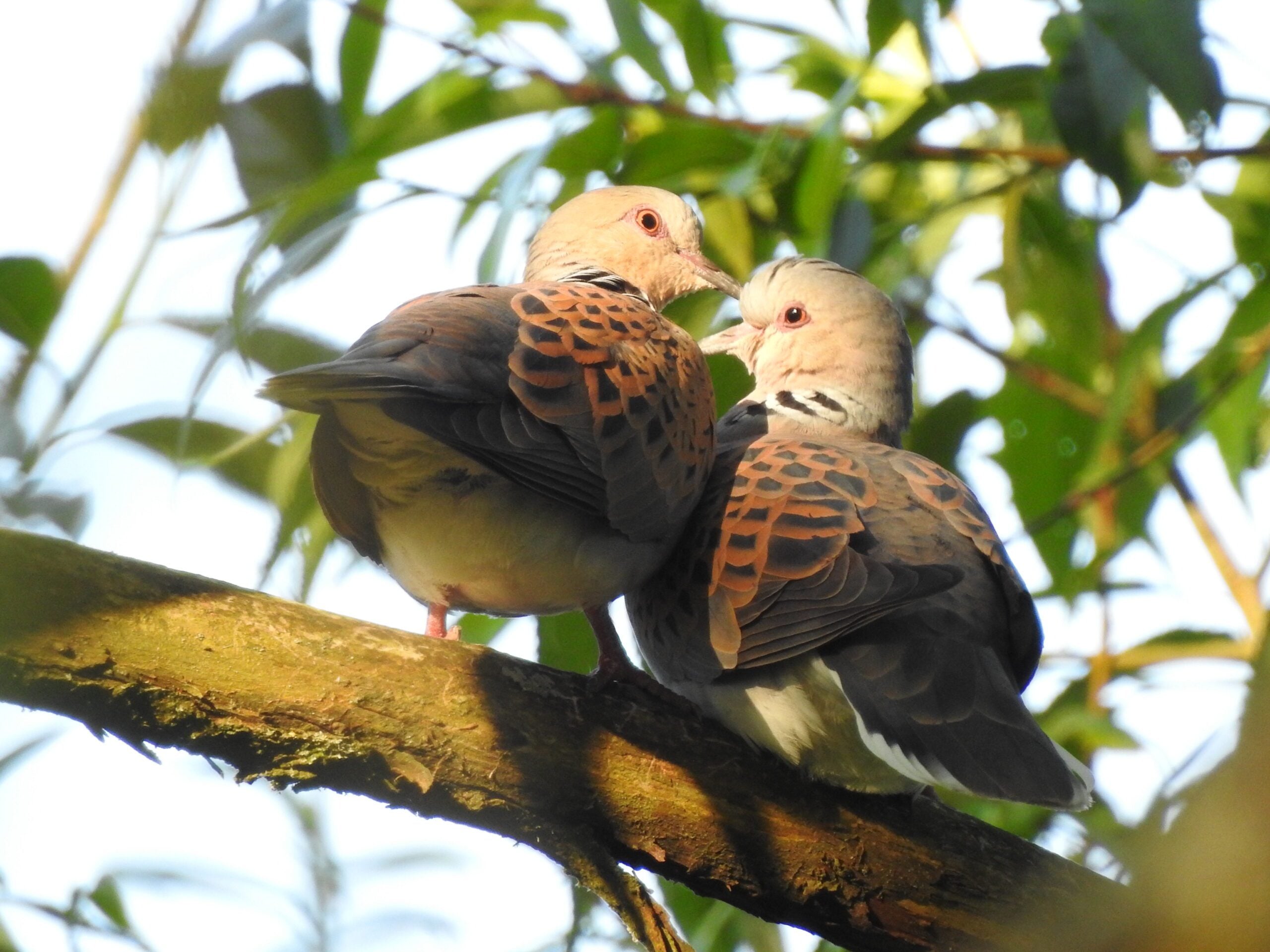
You might feel an air of enchantment at Woods Mill, with its hidden treasures of a moss-covered woodland knight, the rare beauty of Nightingales singing, Turtle Doves purring, or the startling metallic blue of Beautiful Demoiselles in flight.



Lynne Maria East Volunteer WardenWoods Mill is close enough for me to sneak away from the city whenever I need a circuit break, to be in nature, and to be reminded that wildlife is being well cared for
Know before you go
Opening times
The reserve is open at all times
Free to visit
All our open reserves our free to visit, but if you enjoy your visit please consider donating to Sussex Wildlife Trust to help us manage these special places
Reserve size – 47 hectares
How to get here
Postcode: BN5 9SD
Situated two miles south of Henfield. The entrance to the car park is on Horn Lane off the A2037. The Compass 100 bus from Burgess Hill to Pulborough stops here.
There is a car park for about 60 cars.
Getting around
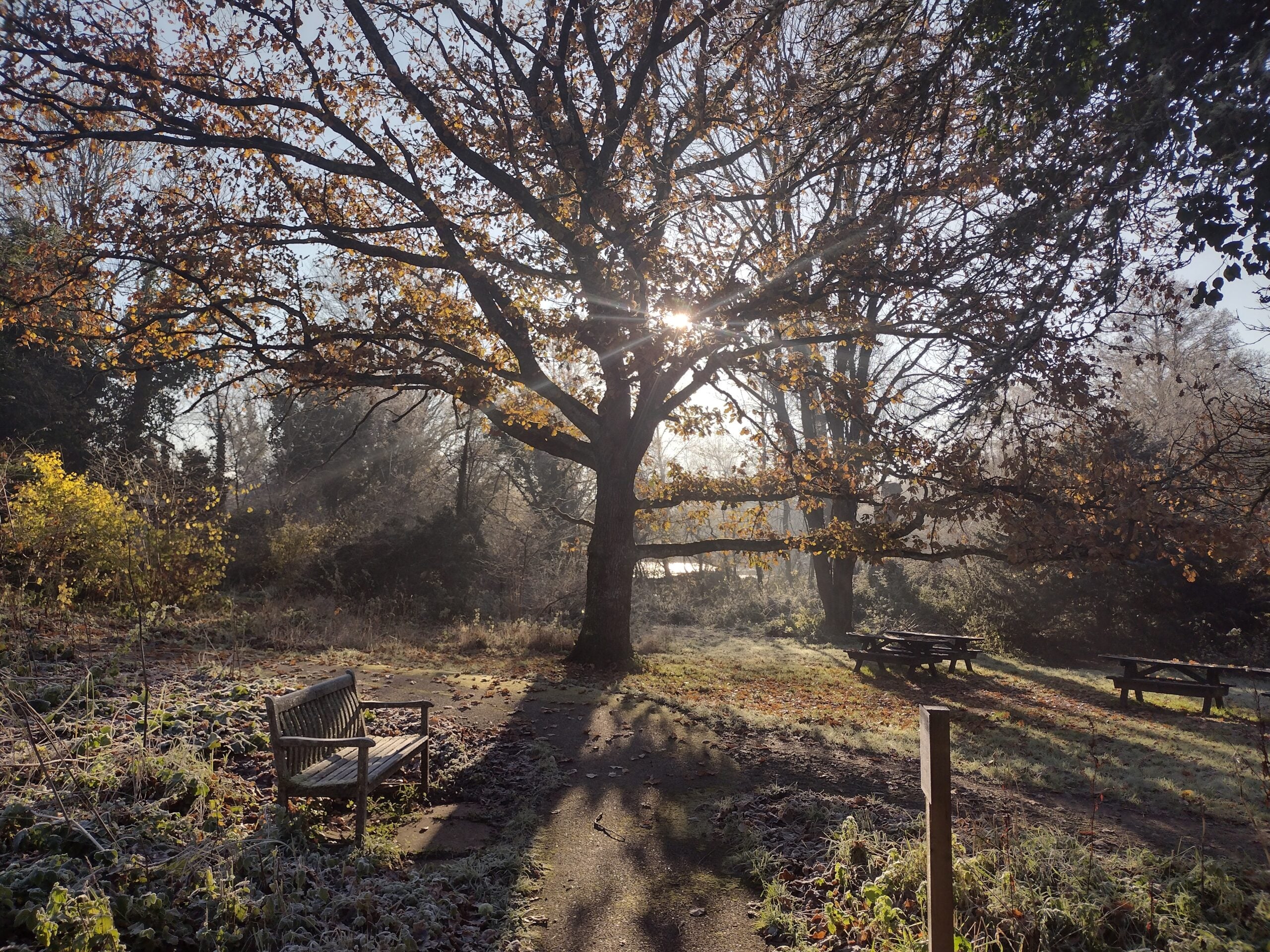
There is a trail around the reserve . Numerous benches and stopping places are situated around the lake and there are picnic tables under an Oak tree.
There is a firm path around the lake and some of the woodland.
Paths can get very muddy, sometimes flooded, in winter.
Cattle be grazing in the meadows, please follow on-site signage.
Bird hide closed
Unfortunately, the bird hide has come to the end of its working life. We are seeking funding to construct a full replacement, with improved access. Currently there is no public access to this area. We apologise for any inconvenience.
No dogs
No dogs (except assistance dogs) are permitted at this nature reserve.
Toilets on site
There is a toilet block in the car park that is open all the time.
Dos and don’ts
- Listen for Nightingales in the spring
- No dogs please
- No fires, camping or barbecues
- Take your litter home please
- Don’t pick flowers or forage
- Tell us what nature you’ve seen via iRecord
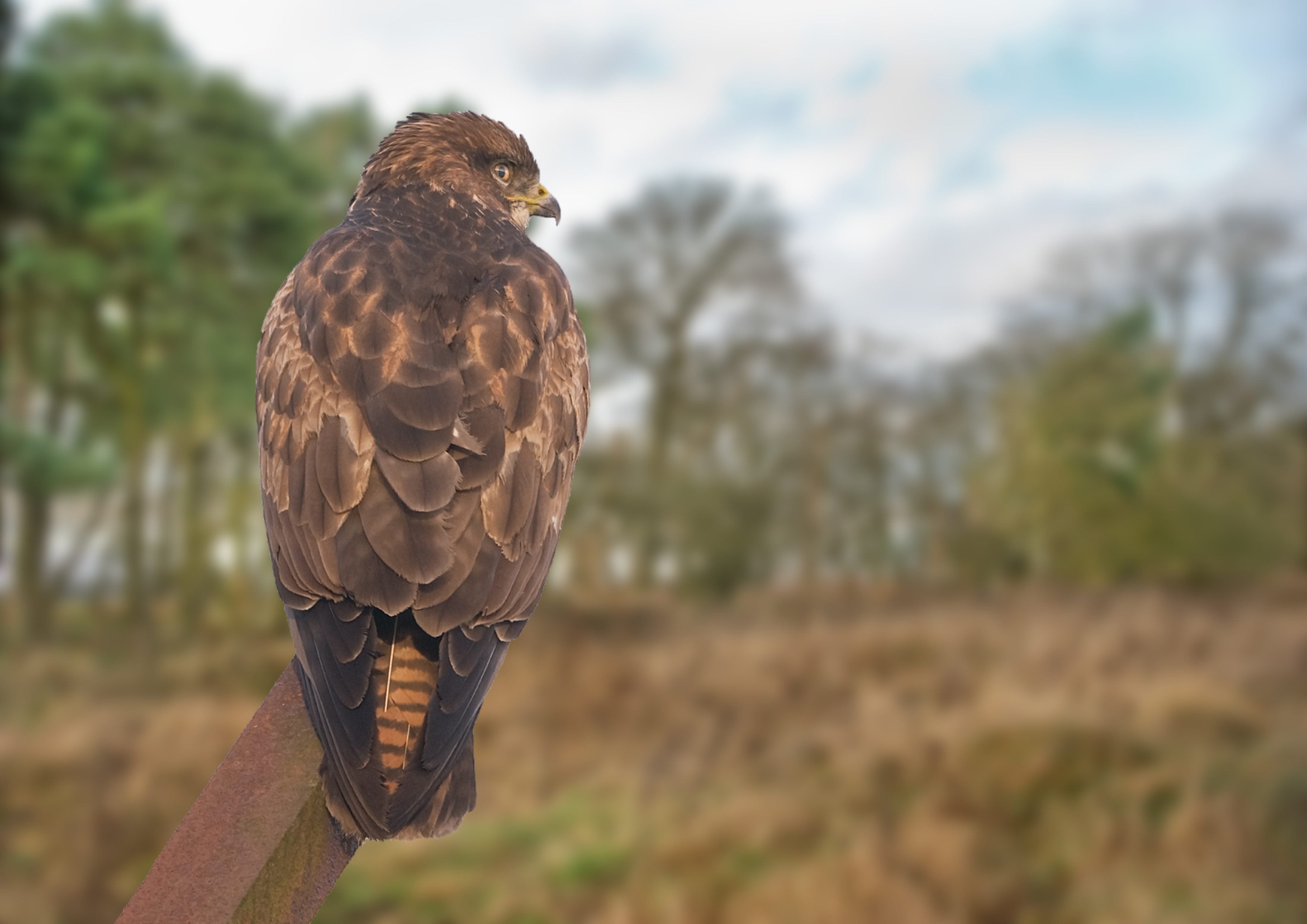
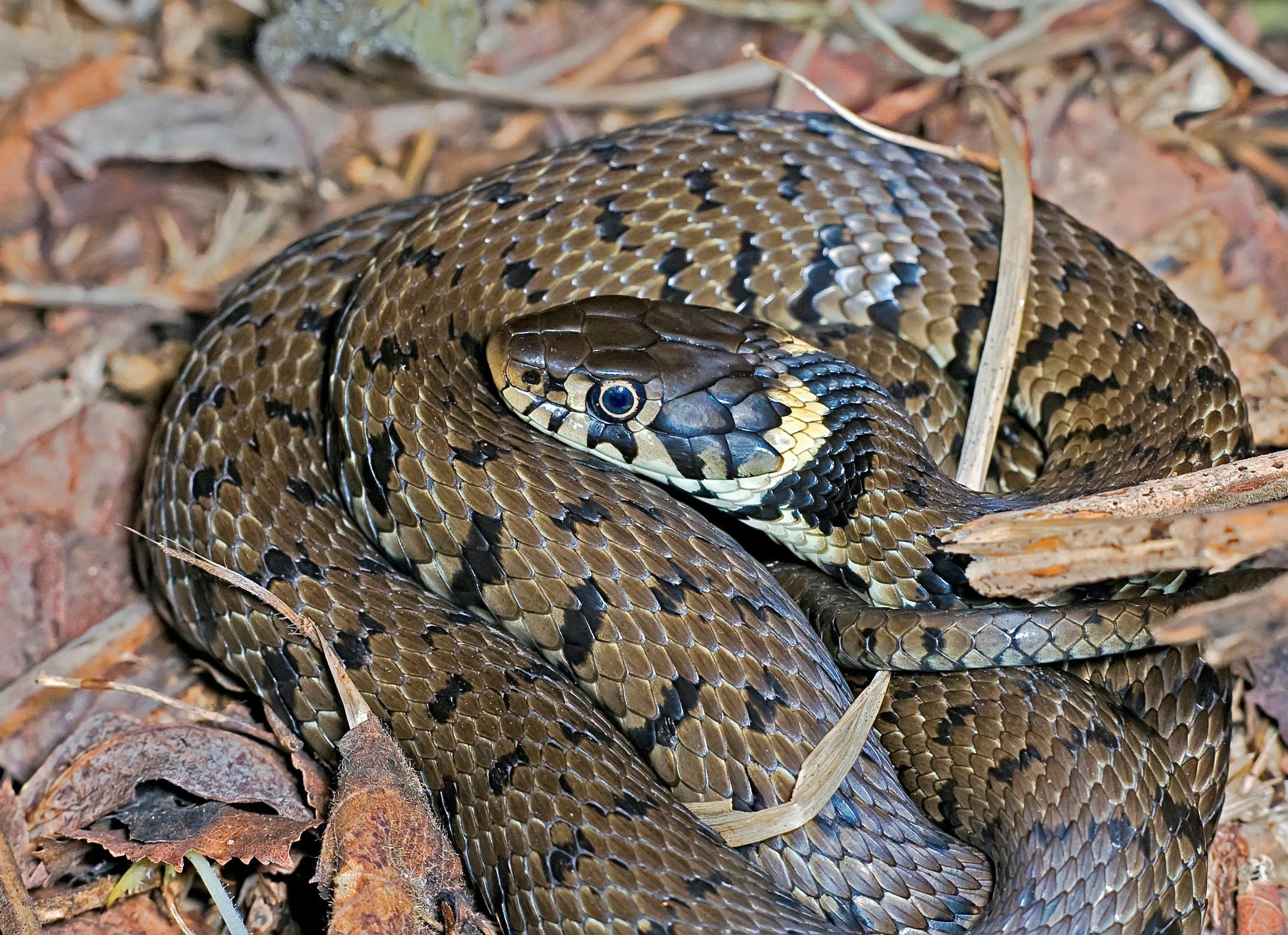
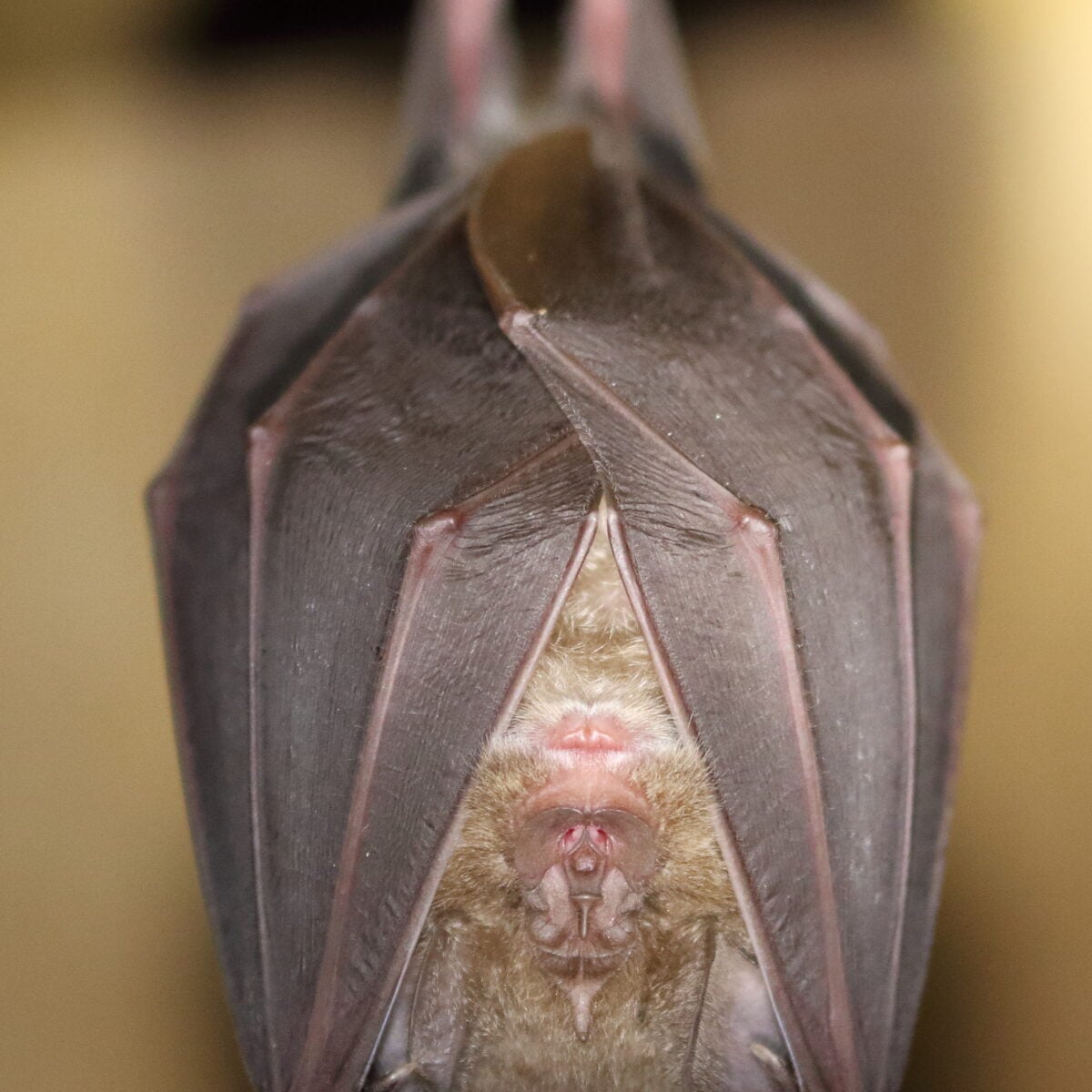
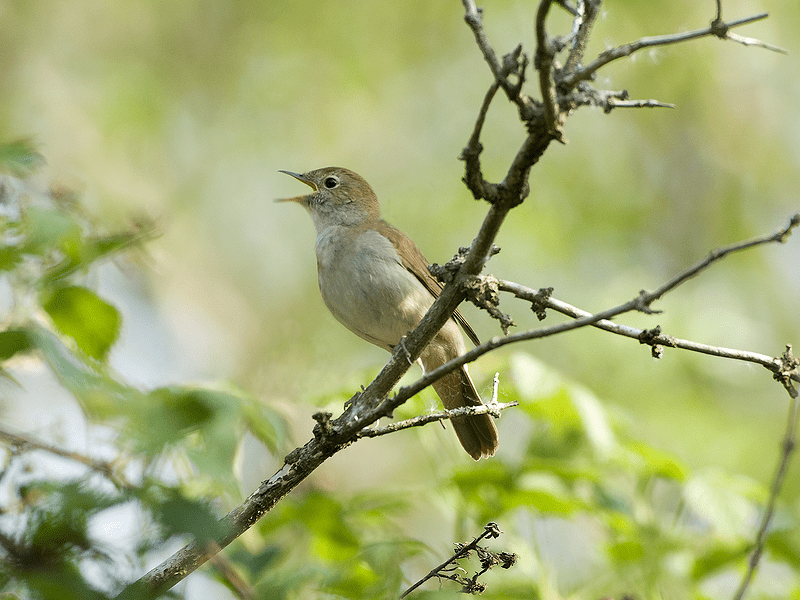
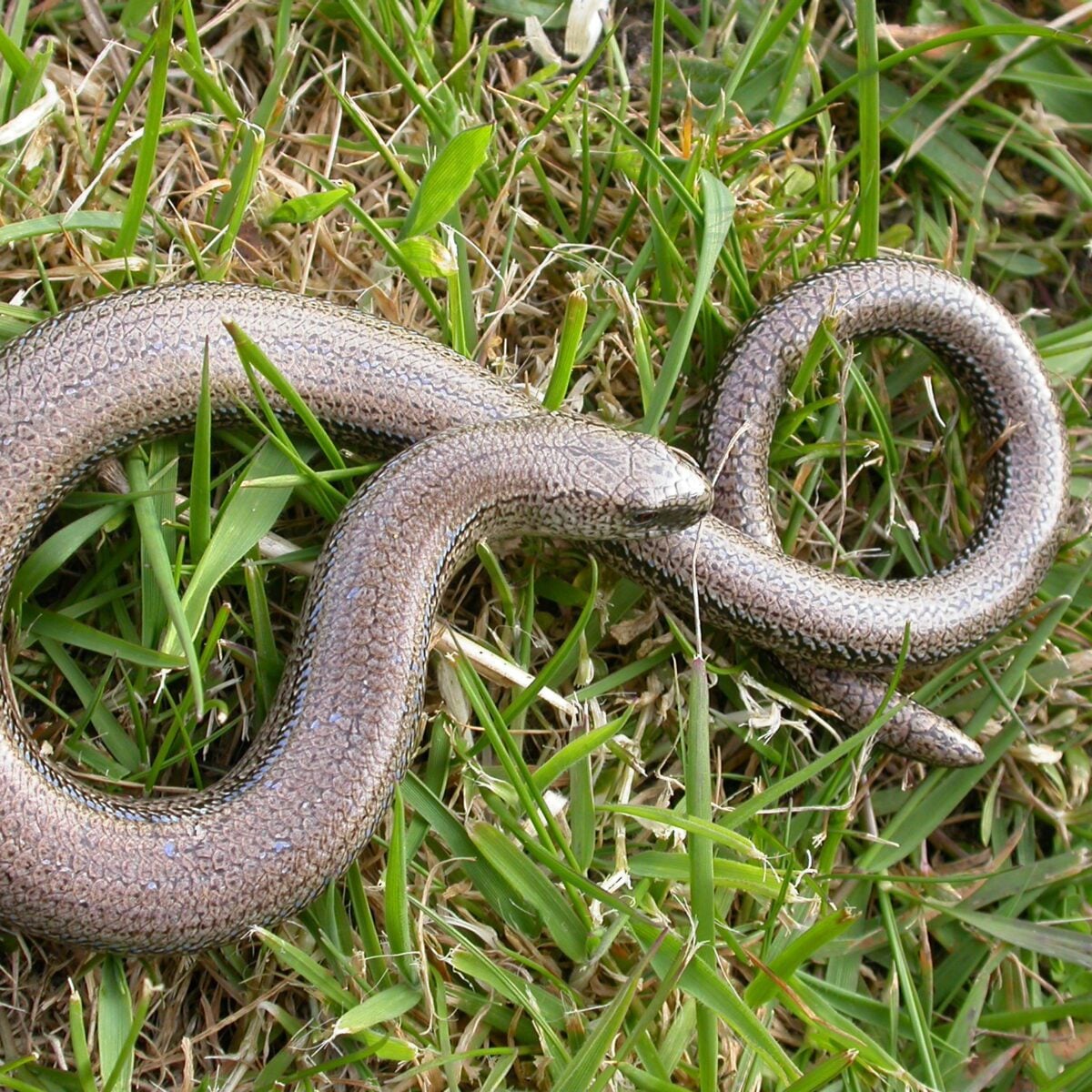
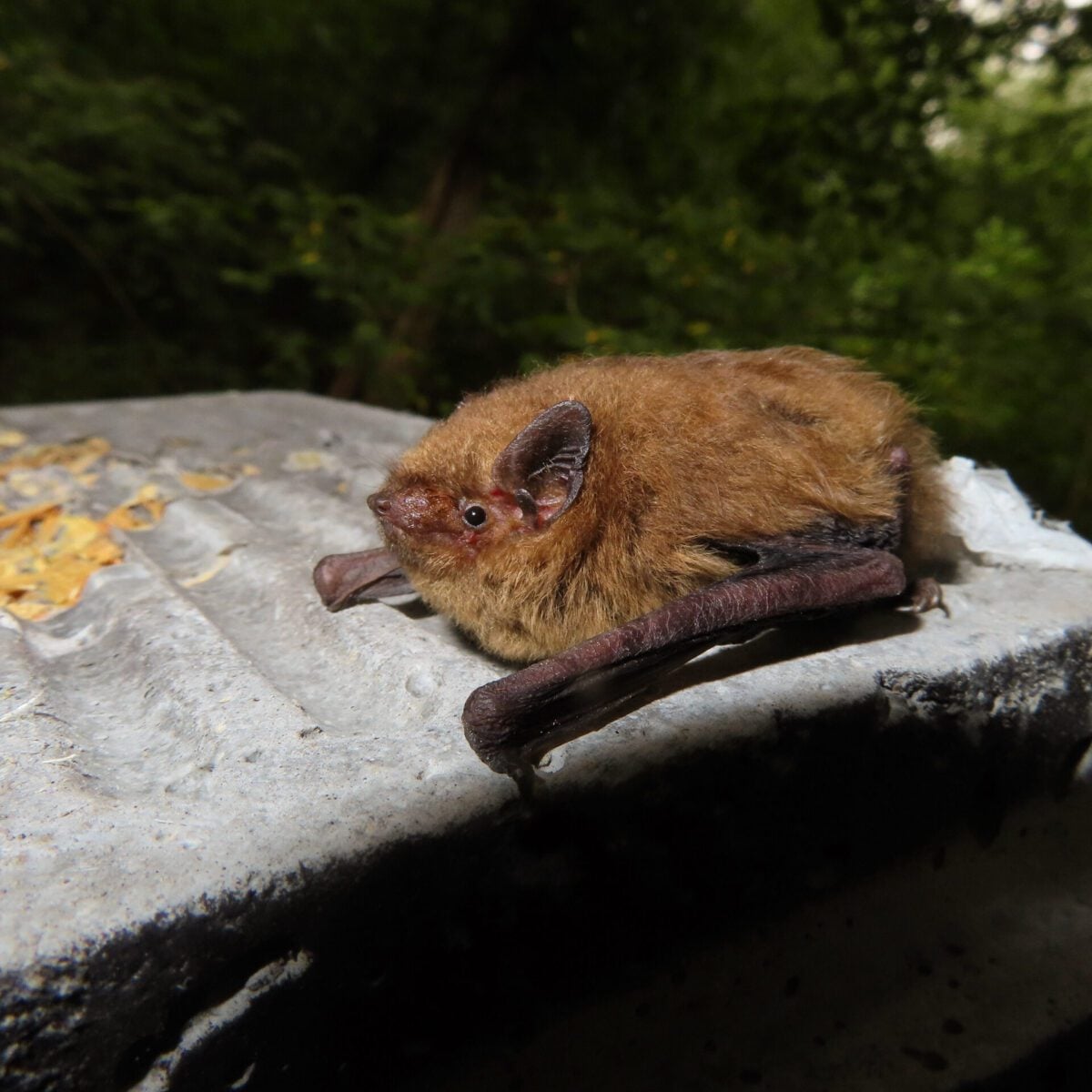
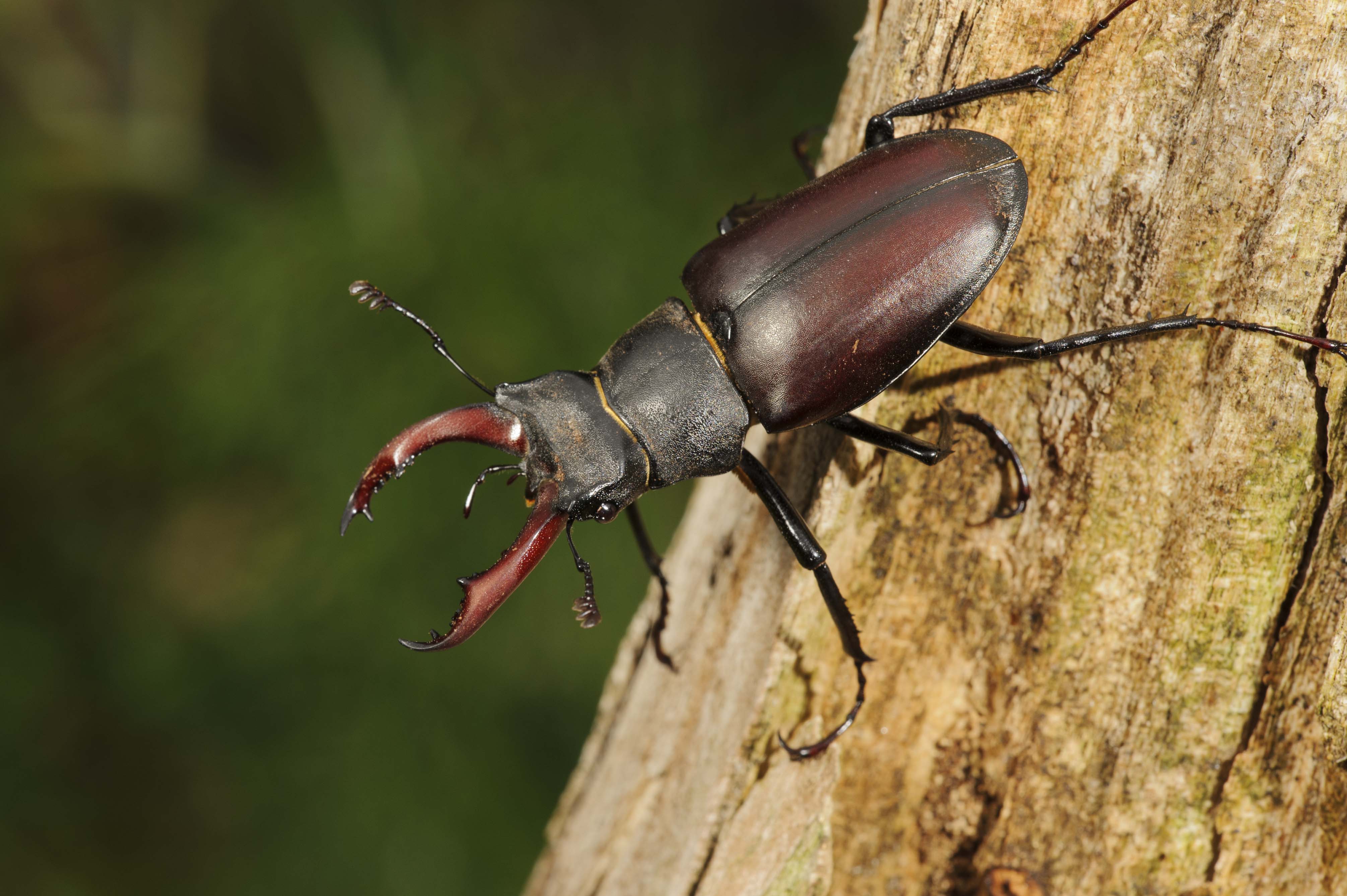
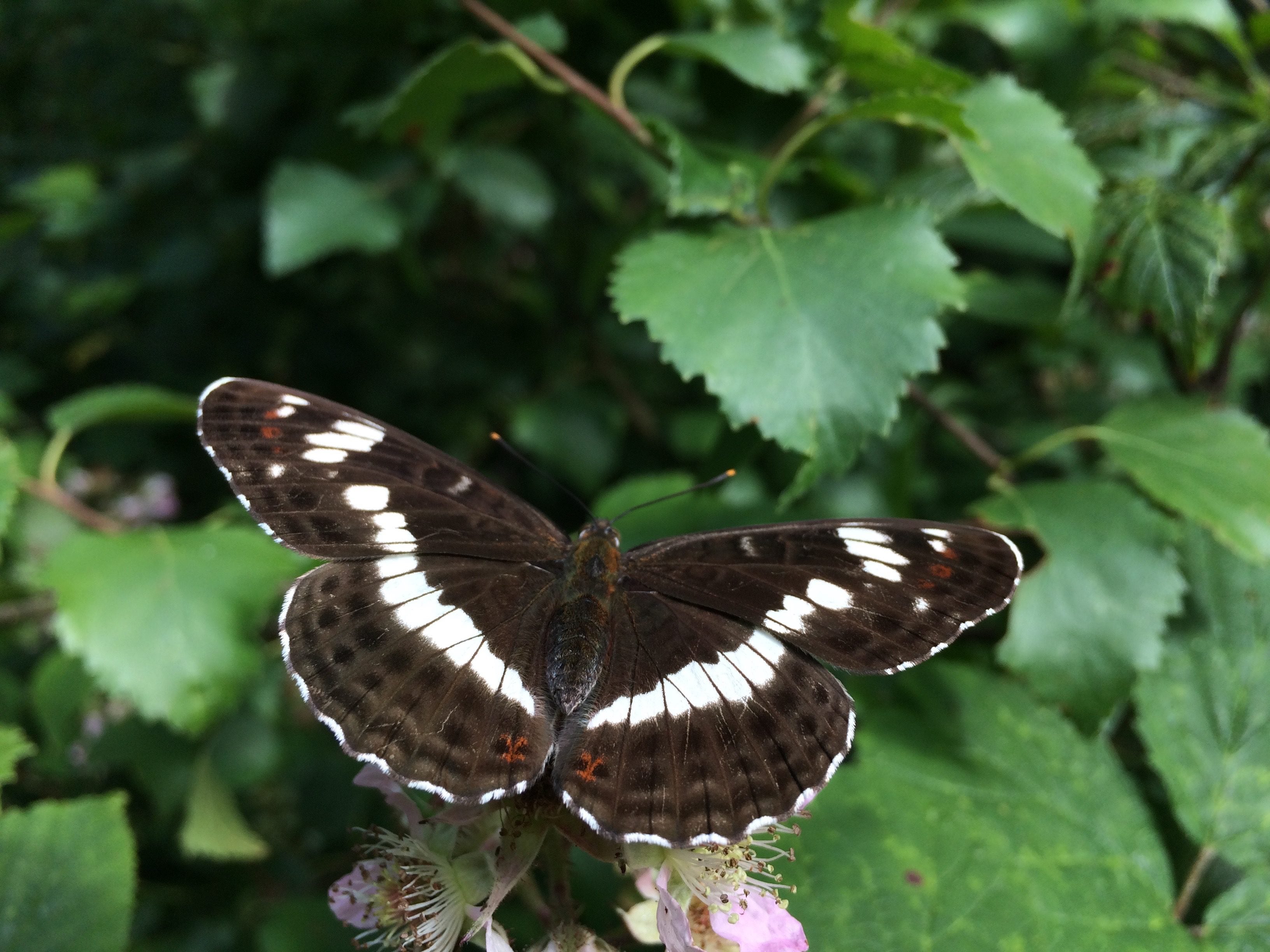
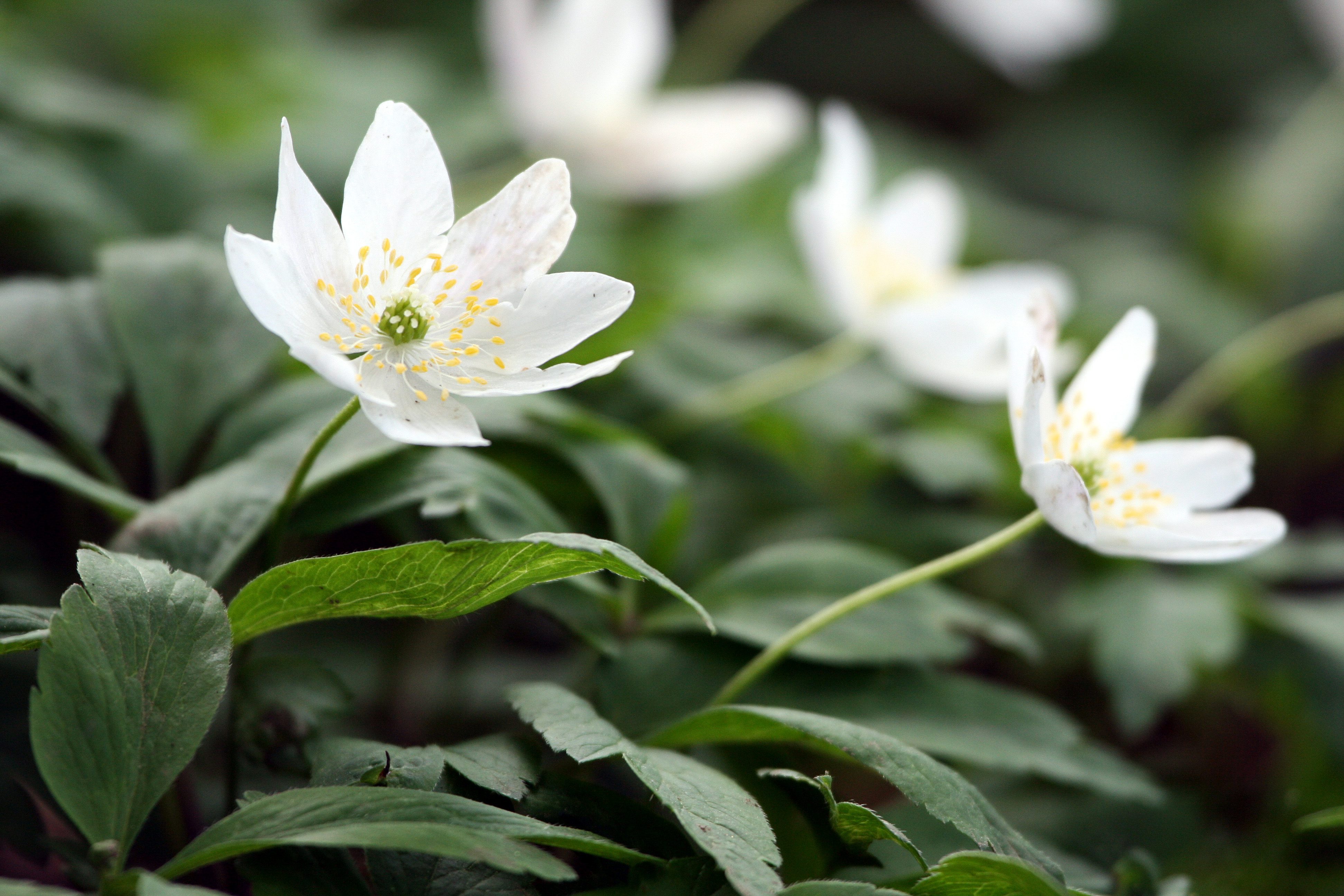
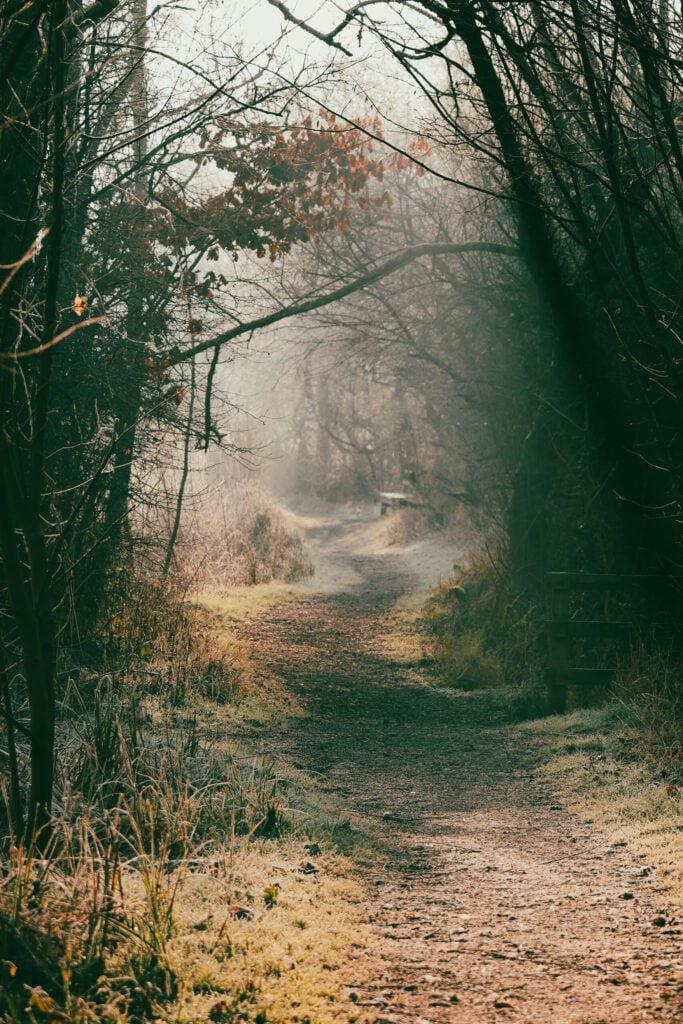 © Kai Hilton
The story of the reserve
Woods Mill was once an important flour mill for the surrounding area and records show that a mill has stood here since the Norman Conquest. Water still plays a vital part in the wildlife diversity of the site. Sussex Wildlife Trust acquired Woods Mill in 1966, when the owner donated the buildings and 15 acres of surrounding land to the Trust. In the early years the Trust was run entirely on a volunteer basis, but the acquisition of Woods Mill led to the employment of a warden, the first paid employee. Woods Mill was HQ for the Trust until 2025.
Did you know?
The Turtle Dove
Once a familiar sound of the Sussex countryside, now visits in declining numbers; Woods Mill is one of the places you still have a chance of hearing one.
Sleeping knight
Ancient carved stones of unknown origin are hidden in the woodland, lending the reserve an unexpectedly Arthurian atmosphere.
Out of Africa
The Reed Warbler, whose scratchy song can be heard from the reedbed, has flown from Africa, crossing Spain, France and the English Channel to reach its summer breeding grounds.
There be dragons
27 species of dragonflies and damselflies have been recorded at Woods Mill