

Overview
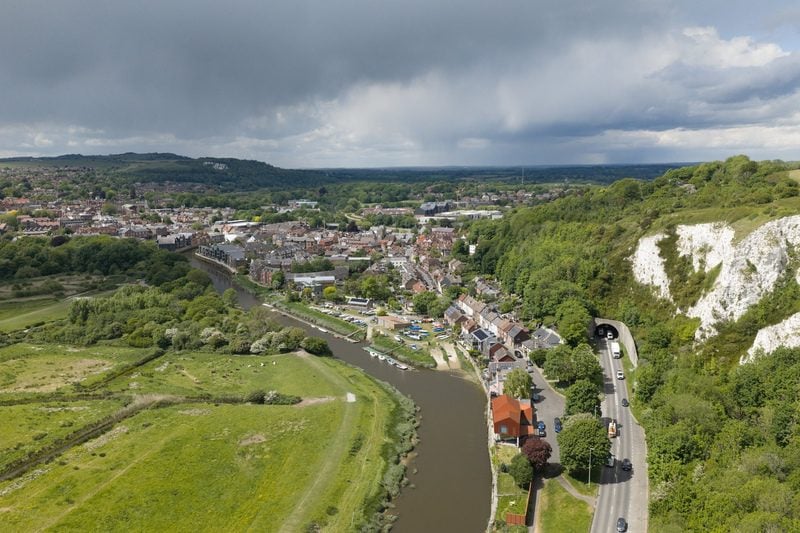
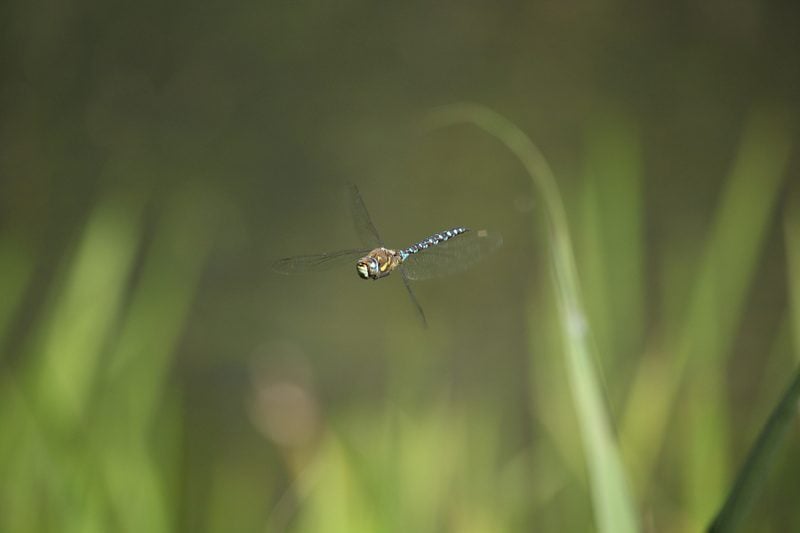
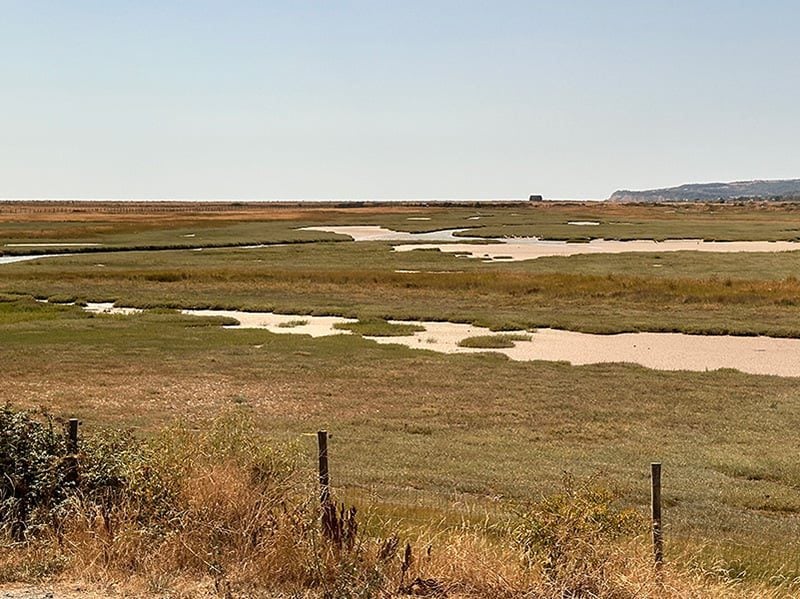
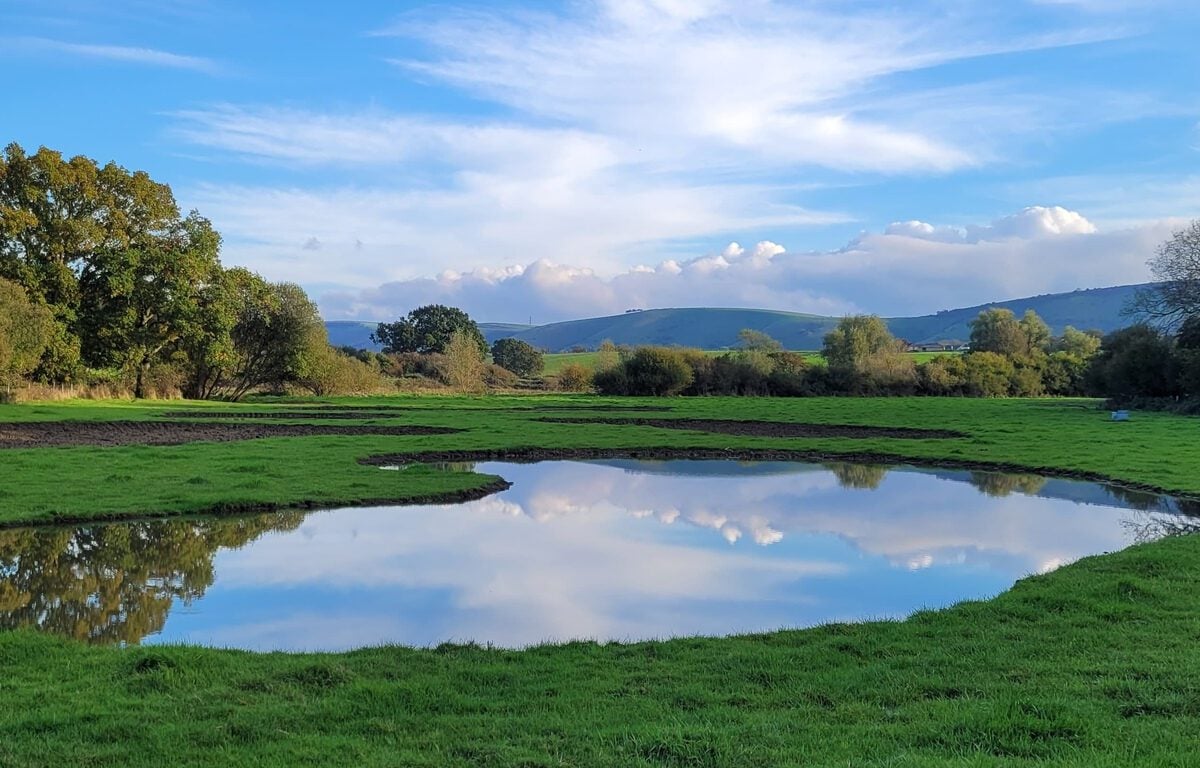
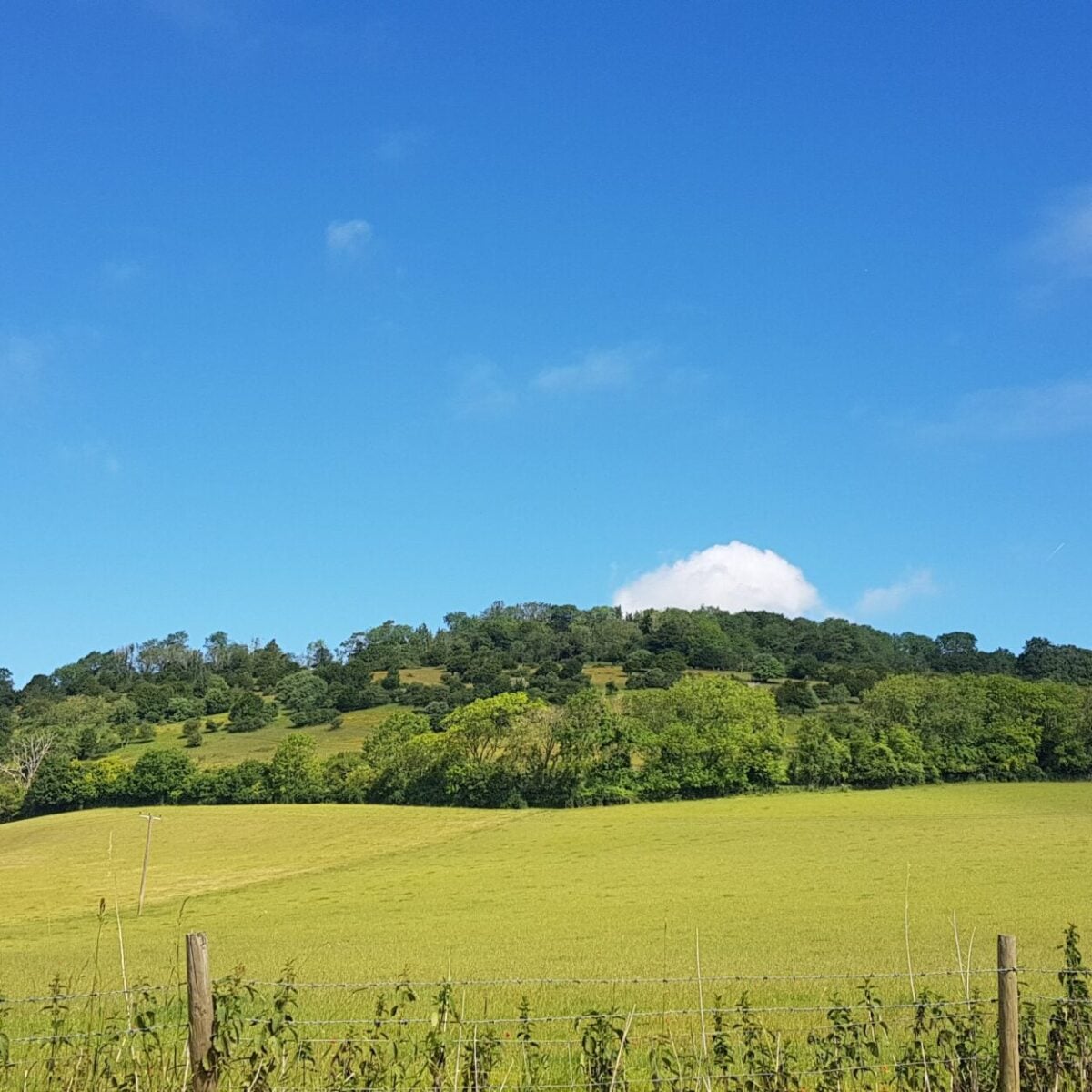
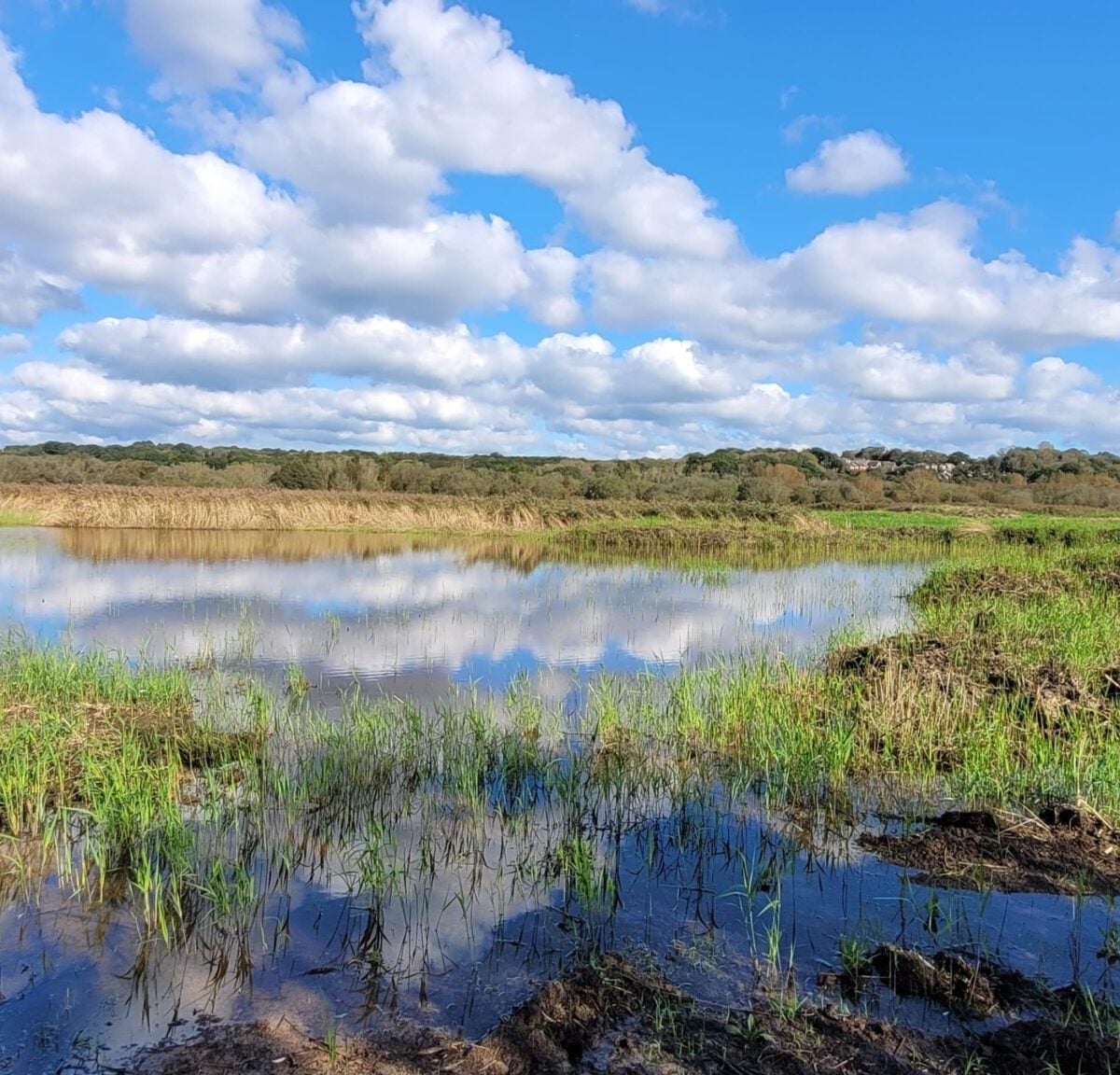
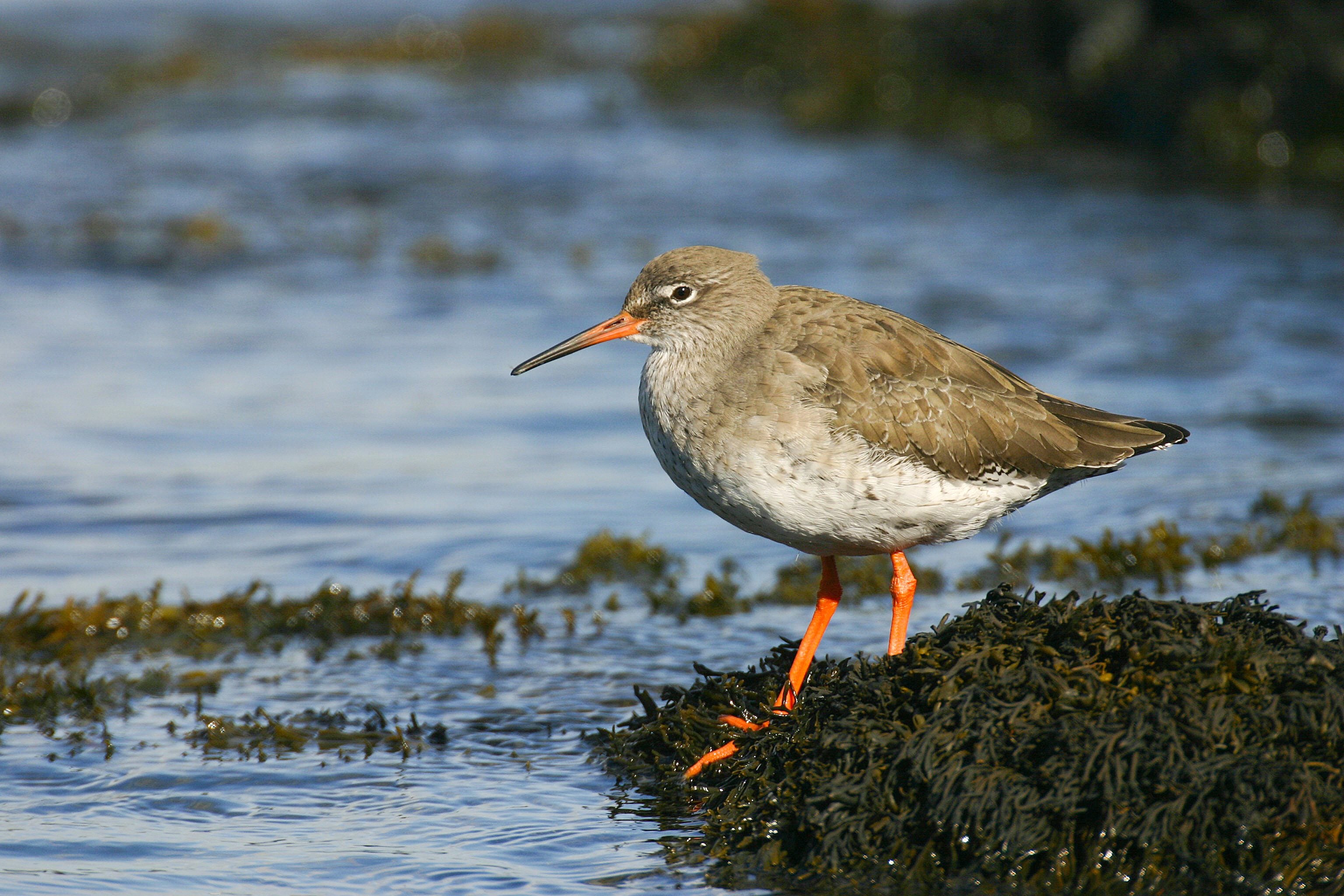
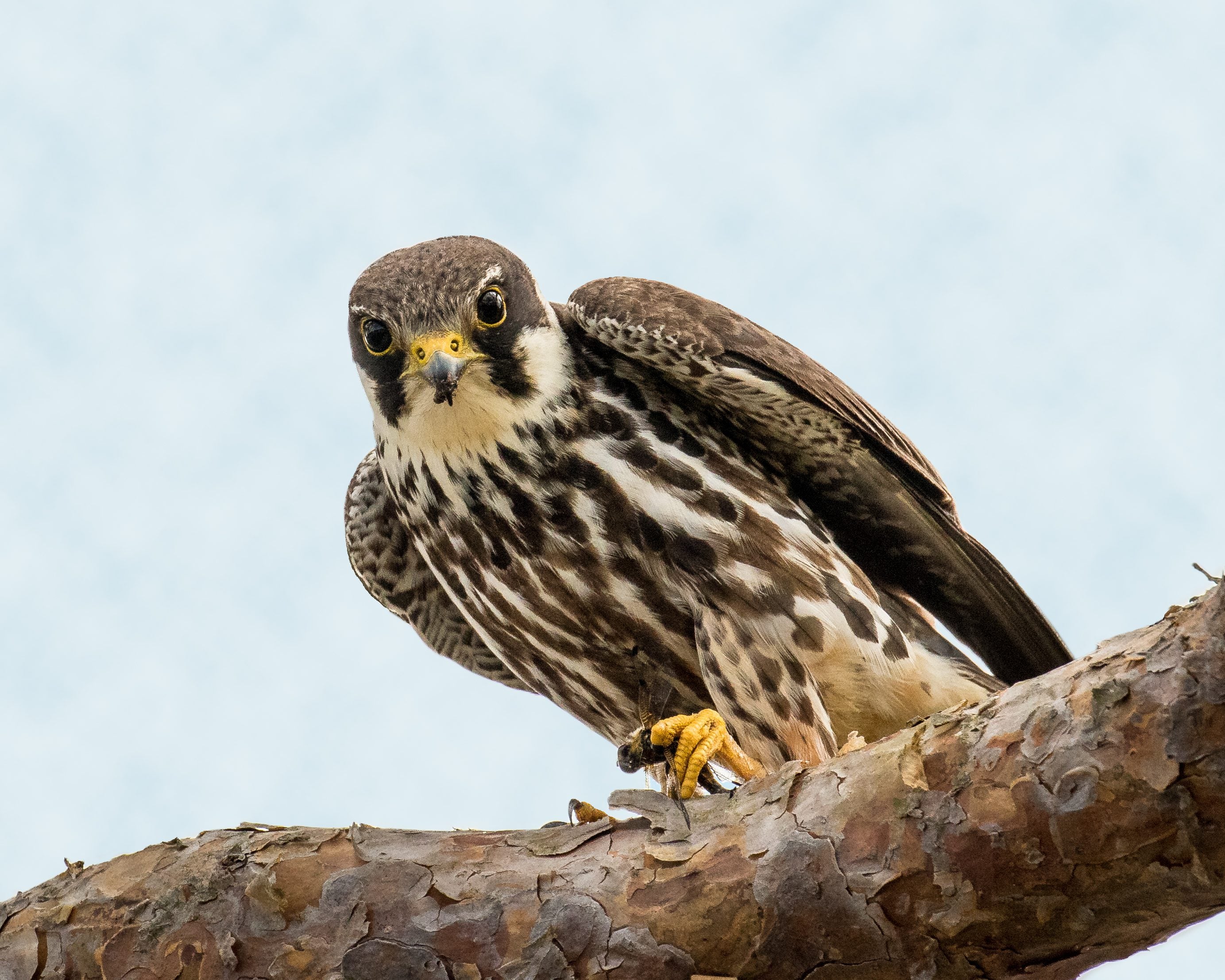
The low-lying Pevensey Levels are one of the most important expanses of grazing marsh in southeast England, spanning over 3,500 hectares. Home to rare snails, spiders, dragonflies and birds, the vast landscape is managed by a patchwork of farmers and conservation organisations.
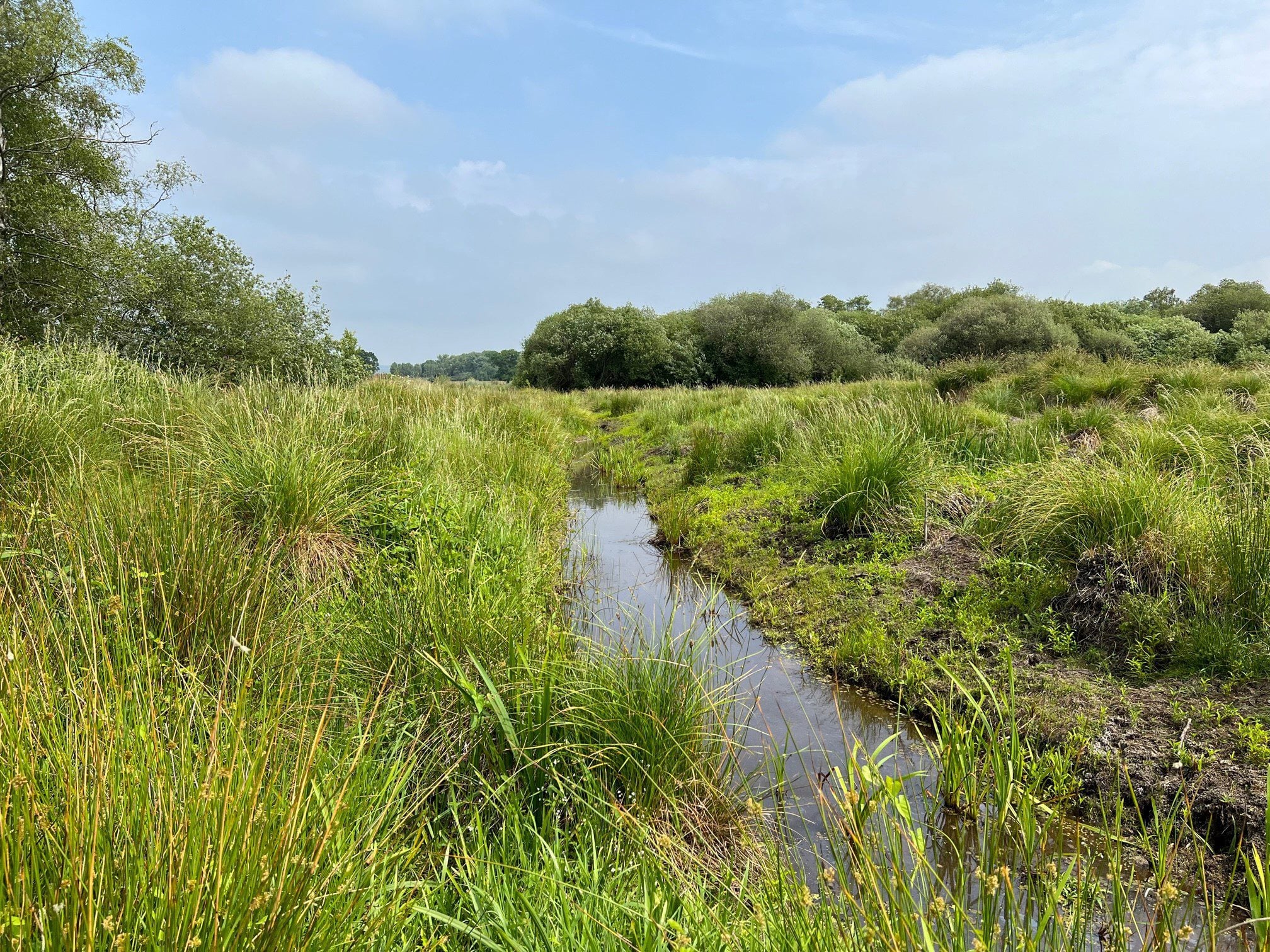
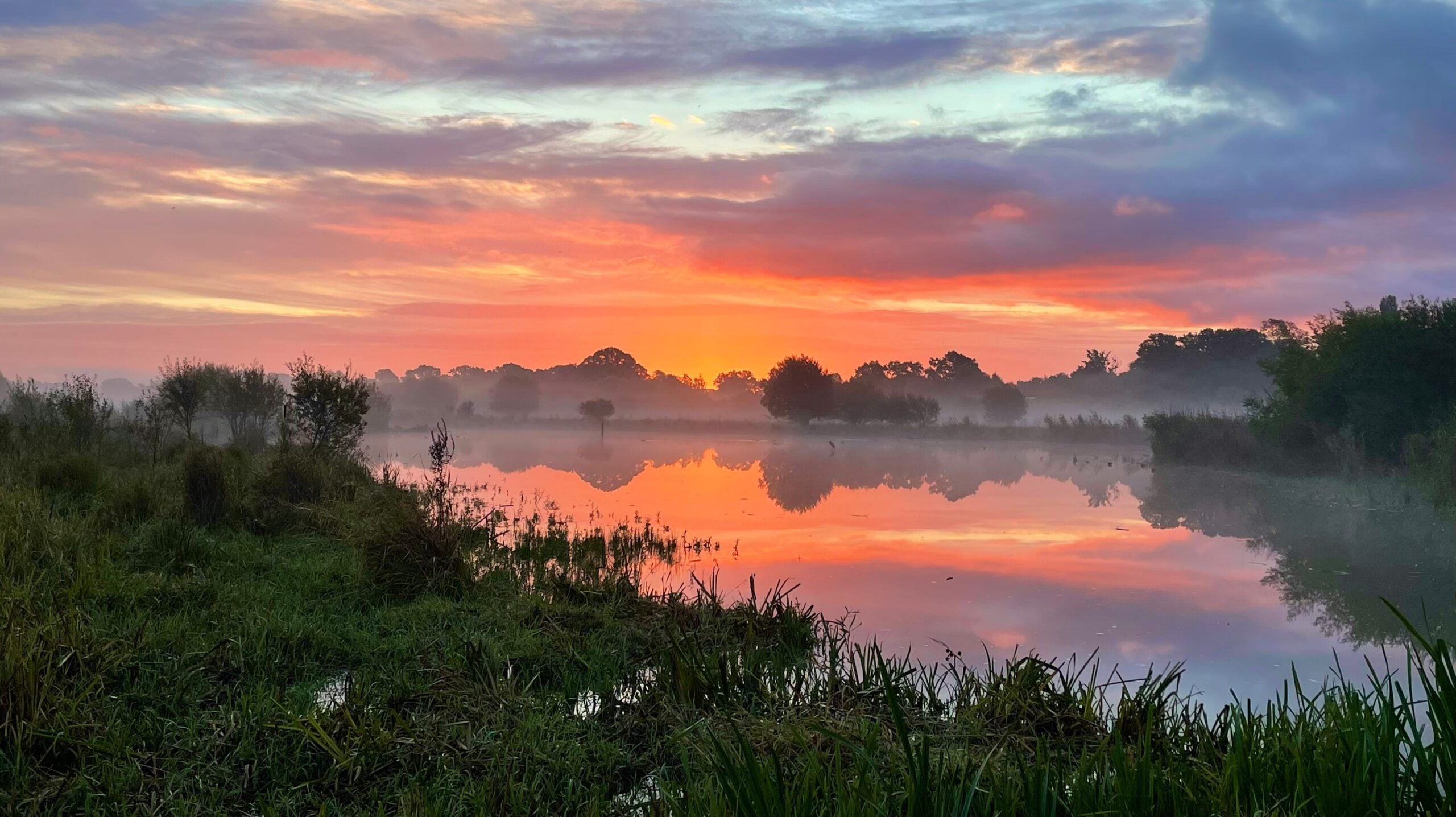
Over recent decades the Levels have become drier, losing many formerly common species. Our Pevensey Marshes reserve is among several places where ambitious work to hold back water and ‘rewet’ fields is creating more vital blue spaces.
This 150 hectare site is sensitive to disturbance, so there’s currently no public access to the reserve itself.


Martin Hole Pevensey Levels FarmerBirds high enough to see it can now spot the archipelago of sites, areas of water and restored wetlands across Sussex…




 Pevensey Levels Project
The story of the reserve
In Roman times, the area now known as Pevensey Levels was intertidal, with salty sea water rushing in and out from the coast. As sea levels dropped, and a vast network of ditches and drains were created, more of the area became available for grazing livestock.
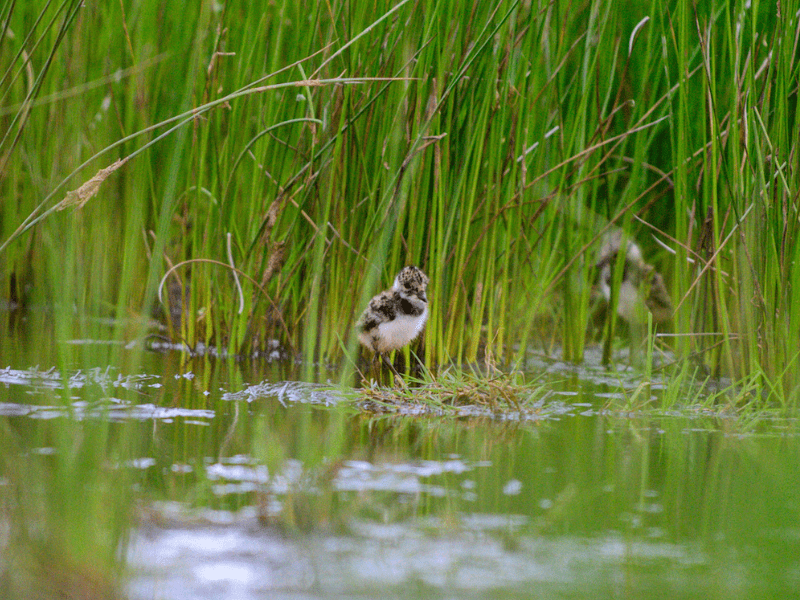
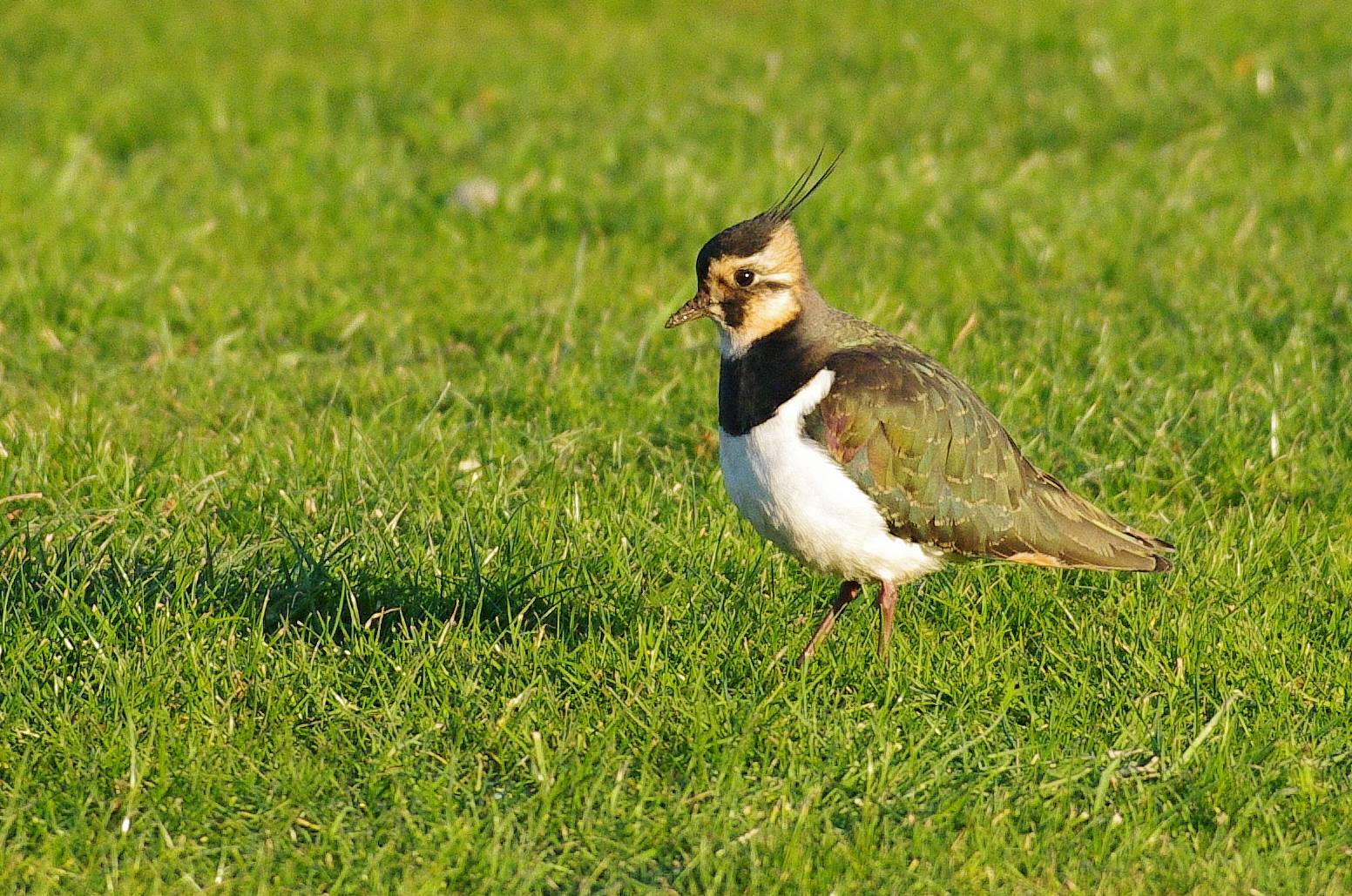
As recently as the mid-20th century, much of the levels remained wet for much of the year. Winter flooding attracted tens of thousands of birds, such as Lapwings, Golden Plover, Snipe and Wigeon, and the area was designated as a RAMSAR site for its importance.
Sussex Wildlife Trust bought land at Pevensey Marshes reserves in 1960. Several acquisitions since have expanded the reserve. In 2024 and 2025 we carried out major wetland restoration as part of a wider project involving nearby landowners. We hope that higher water levels will help protect and bring back aquatic species that have struggled to survive in recent times.
Did you know?
Pevensey Blue
Cows grazing the reserve produce the milk that makes the famous Pevensey Blue cheese
Ancient earthworks
The reserve lies close to Pound Piece, an ancient moated settlement whose earthworks are still visible today
Landlocked
Nearby Pevensey Castle used to be next to the sea, but now lies a mile inland as the coast has receded.
Salty old times
The levels were an important source of salt in centuries past. Evidence of many old saltworks remain.