
Take action
Become a member
Memberships builds our community and gives us a predictable income, which lets us plan and sustain longer projects that can have a greater impact. The more members we have, the more we can do to protect the Sussex countryside and coast.
Make a donation
Membership builds our community and gives us a predictable income, which lets us plan and sustain longer projects that can have a greater impact. The more members we have, the more we can do to protect the Sussex countryside and coast.
Overview
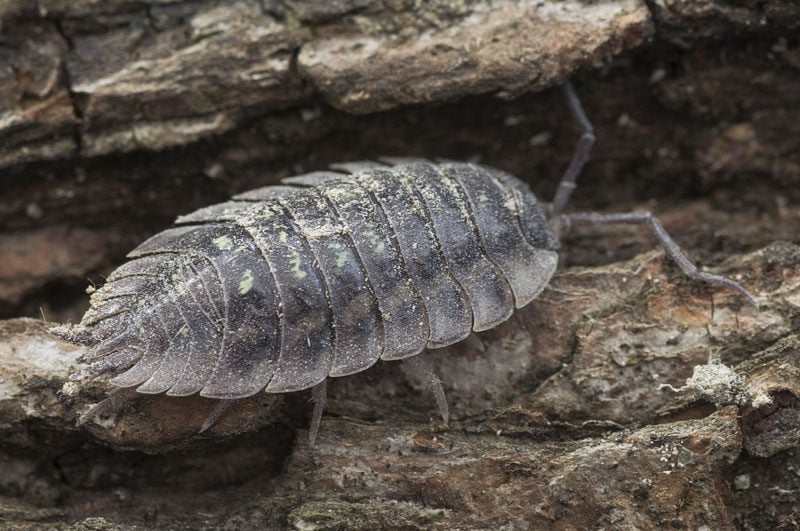
Common Woodlice are important for their ability to feed off dead plants and creatures, recycling vital nutrients. There are 30 species of woodlouse in the UK in an array of colours from brown and grey to pink!
These hardy minibeasts can be found sheltering under rocks or logs in the garden, or hiding in compost heaps, where they avoid drying out in hot weather.
Key Facts
- The Common Woodlouse has smooth, shiny, grey ‘armour’ (an exoskeleton made up of segments or ‘plates’) with yellow patches and lighter grey edges.
- Woodlice are actually terrestrial crustaceans, not insects, so are more closely related to crabs and shrimps.
- Length: 1.4cm
Status
Common.
Seasonality
All year round