
Garden Birdwatching Guide
By Charlotte Owen
WildCall Officer
The uplifting role that wildlife plays in our lives has become more vital than ever. We're still in winter, but there are plenty of birds to be seen. This guide will help you identify some of the feathered friends you’re most likely to see - and hear - from home.
Lend a hand: It really helps our garden birds if we feed them - find out more about feeding birds safely in this video. They also need shallow water to drink and bathe in. Remember to keep feeders and bird baths clean. You might also want to think about putting up bird boxes ready for spring.
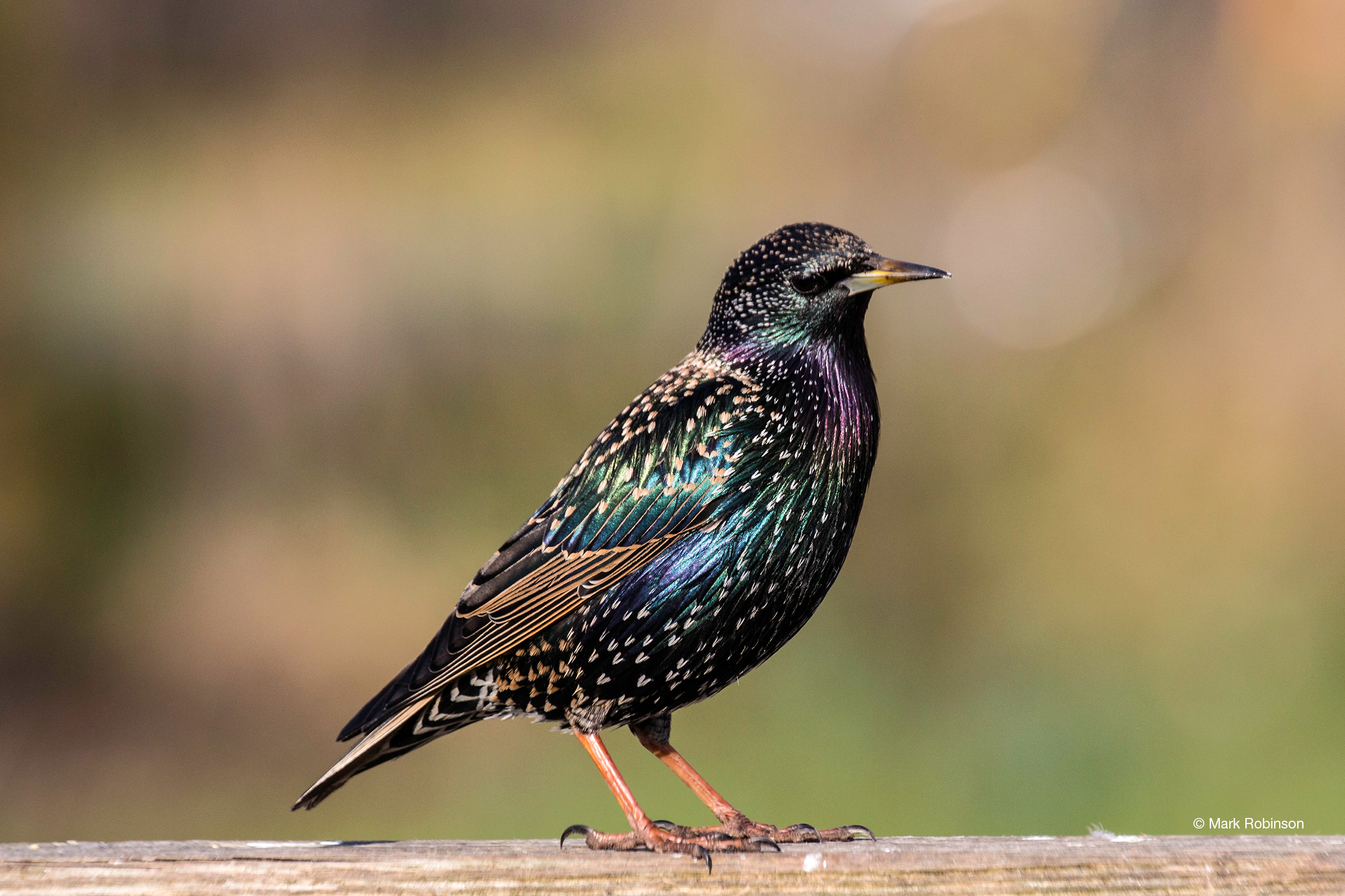
Starling ID: Star-studded with a glossy sheen of purple and green
Song: Chattering rattles, clicks, whistles and warbles. Also a skilled mimic
Nest in tree holes, cavities and nest boxes. Females in a colony will synchronise egg-laying so that their fledglings emerge together. More here
Mark Robinson
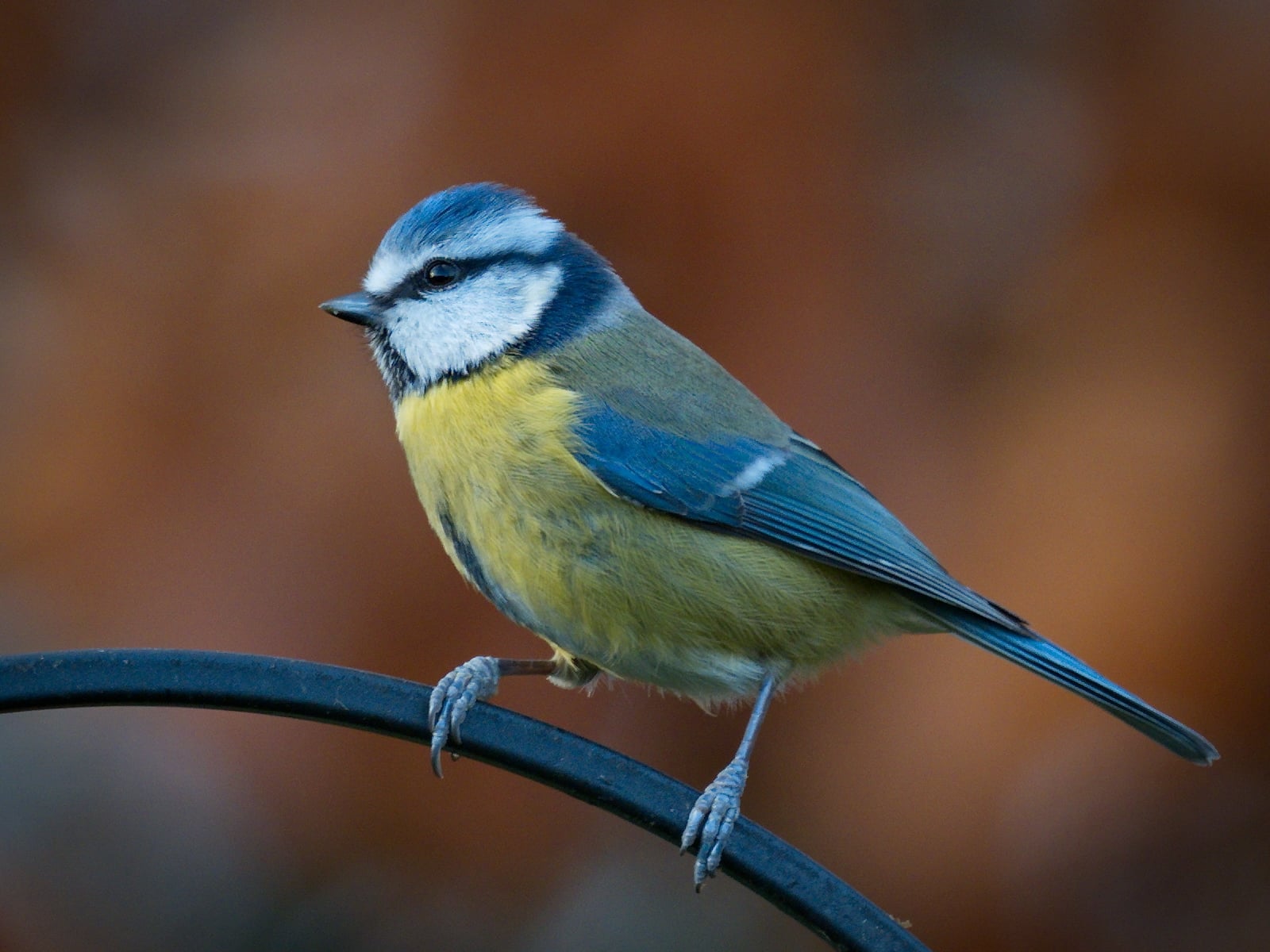
Blue Tit ID: The only British tit with blue on its head. Smaller than the Great Tit
Song: Trilling 'tsee-tsee-tsee'
Nest is often lined with aromatic mint or lavender as a natural disinfectant. Females lay 8 – 10 eggs and each chick needs to eat 100 caterpillars every day. More here.
Andrew Holloway
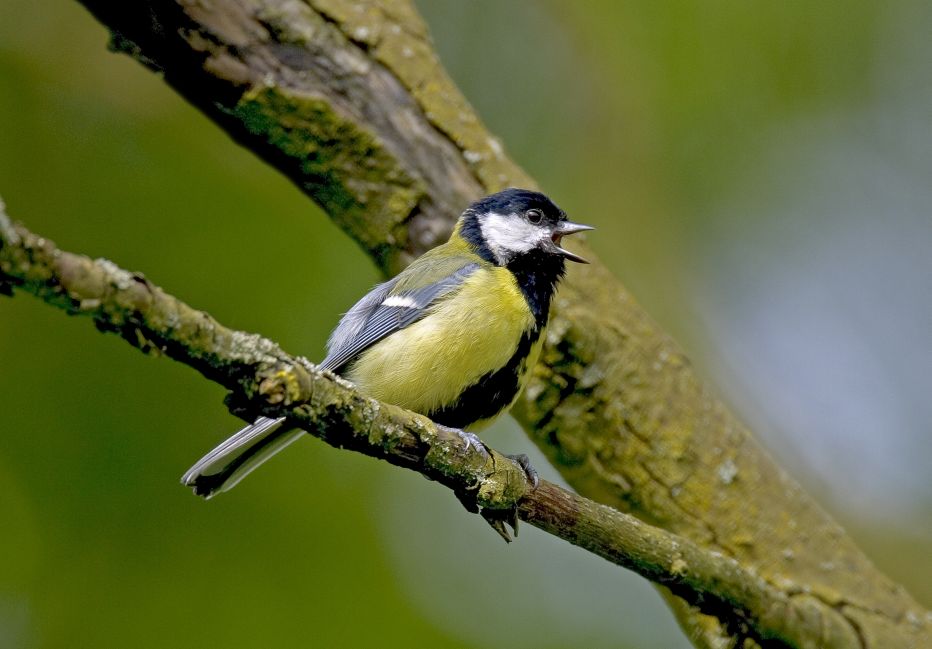
Great Tit ID: Large with a black head and chest stripe
Song: Repetitive two-note ‘teacher-teacher’ sounds like a squeaky bicycle pump
The chest stripe on the male is an indicator of status: the wider the stripe, the more attractive he is to females. More here.
Roger Wilmshurst
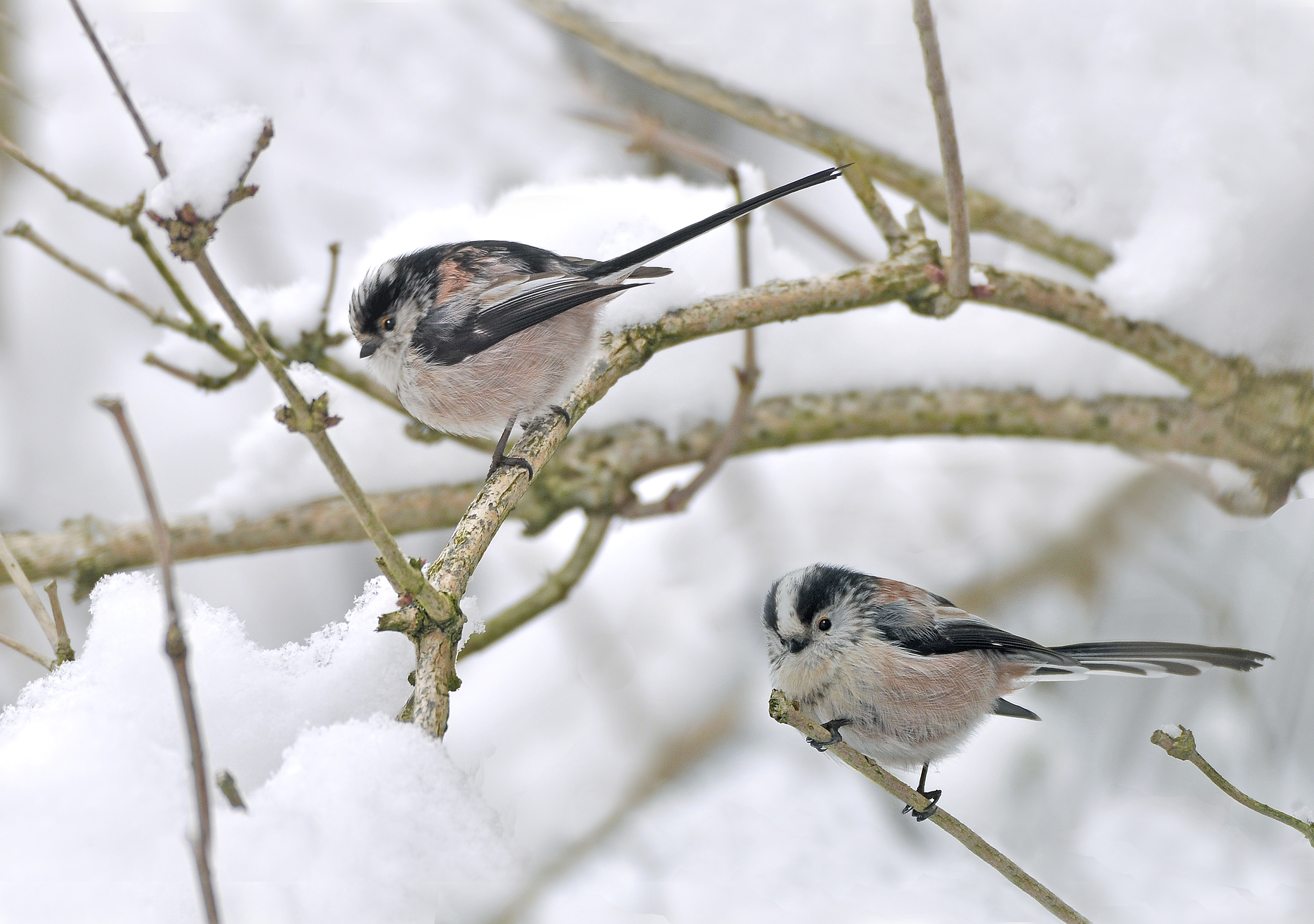
Long-tailed Tit ID: Seriously cute with a very long tail, like a ball on a stick
Song: Bubbly ‘prrrt-prrrt’ and chattering ‘tsirrup’
Their barrel-shaped nests are made of moss and cobwebs, covered with lichens for camouflage and lined with hundreds of soft feathers. More here.
Roger Wilmshurst
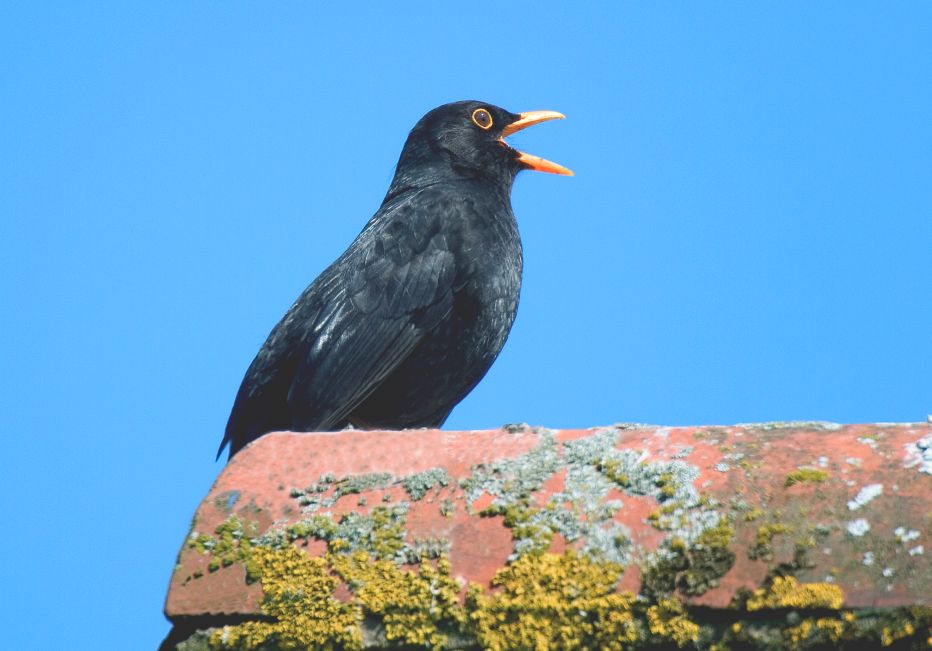
Blackbird ID: Males are black with a yellow bill and eye-ring, females are dark brown
Song: Mellow, whistling tune; ‘chink-chink’ alarm call
Beautiful blue eggs are laid in nests hidden deep within hedges. Blackbirds may have four broods in a single season. More here.
Roger Wilmshurst
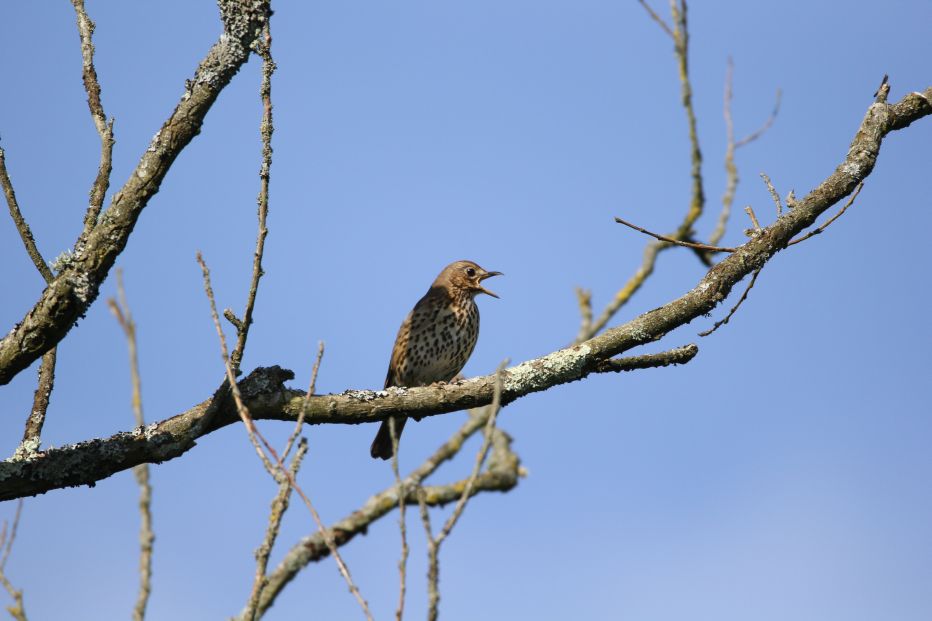
Song Thrush ID: Warm brown with heavily speckled chest, smaller than a blackbird
Song: Tuneful, repeating a phrase two or three times before moving onto the next.
May be seen or heard banging snails against a stone anvil. No other bird does this. More here.
James Duncan
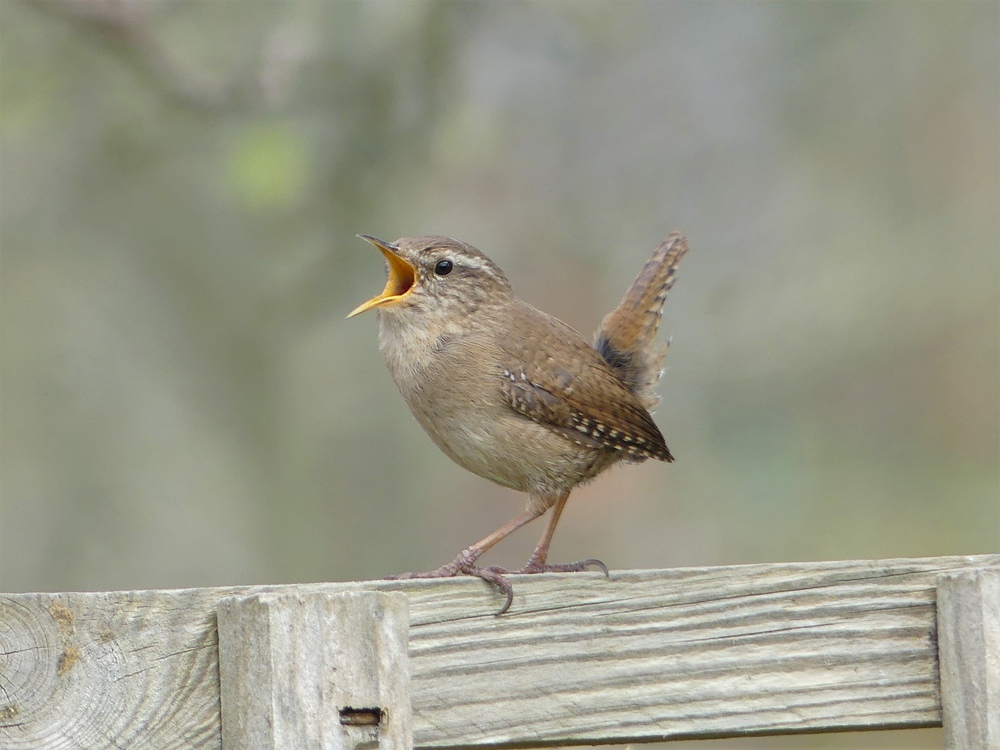
Wren ID: Tiny brown bird with a cocked tail. Common yet secretive
Song: Volume is the key to ID - incredibly loud song with a distinctive trill
The male builds six to 12 nests but only one is used by the female, who usually rears her young single-handedly. More here
Simon Linington
Dunnock ID: Like a streaky sparrow. Shy, often hopping low in undergrowth and hedges
Song: A short jumble of notes thrown together in a hurry. More on their song
Despite strong pair bonds, females often mate with another male. With paternity uncertain, both will supply her chicks with food.
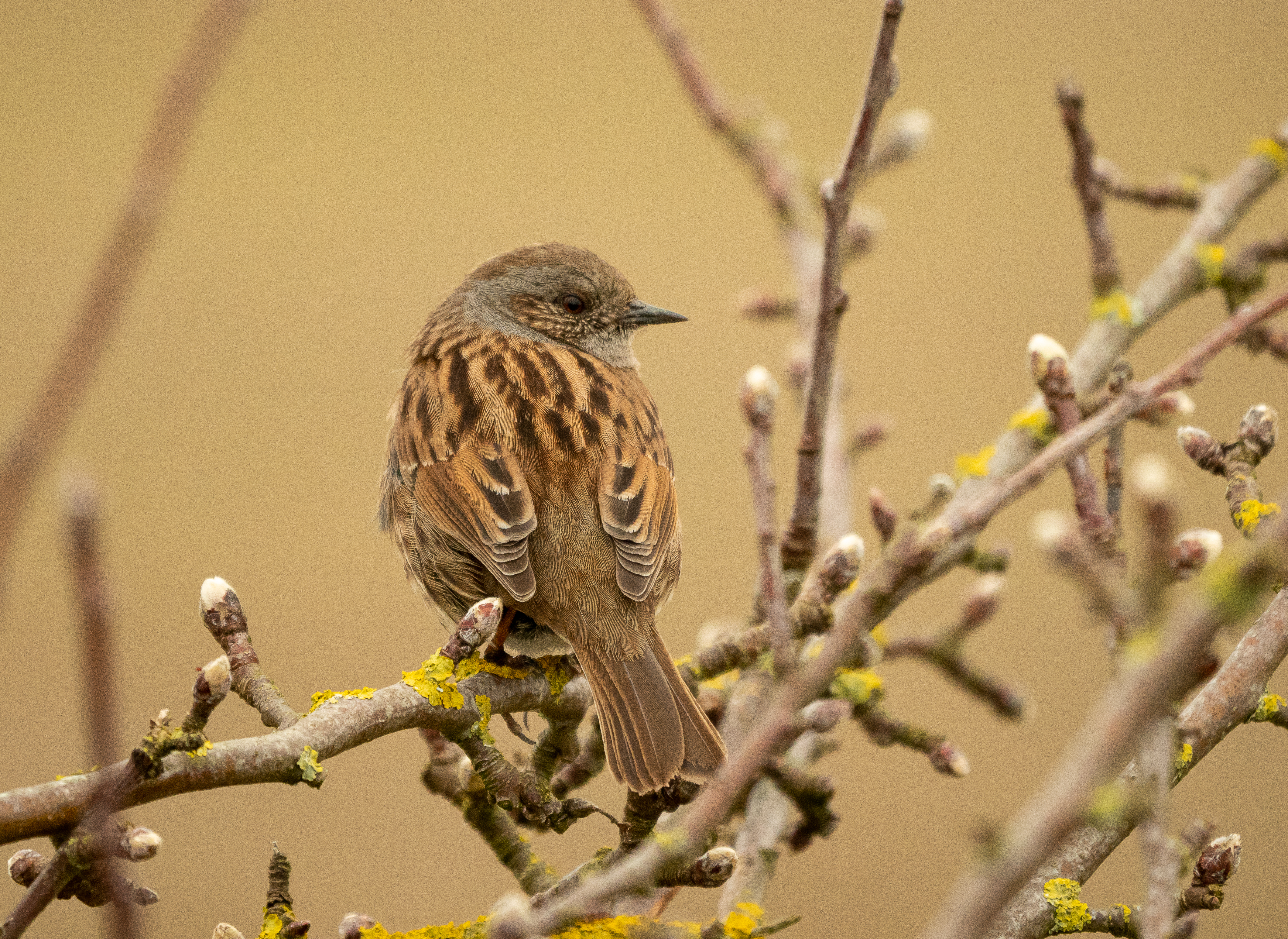
Patrick Smith
House Sparrow ID: Males have a grey cap and black bib, females are brown
Song: Cheerful chirping
These sociable birds often nest in colonies, usually close to people. Some pairs will manage three broods a year. More here.
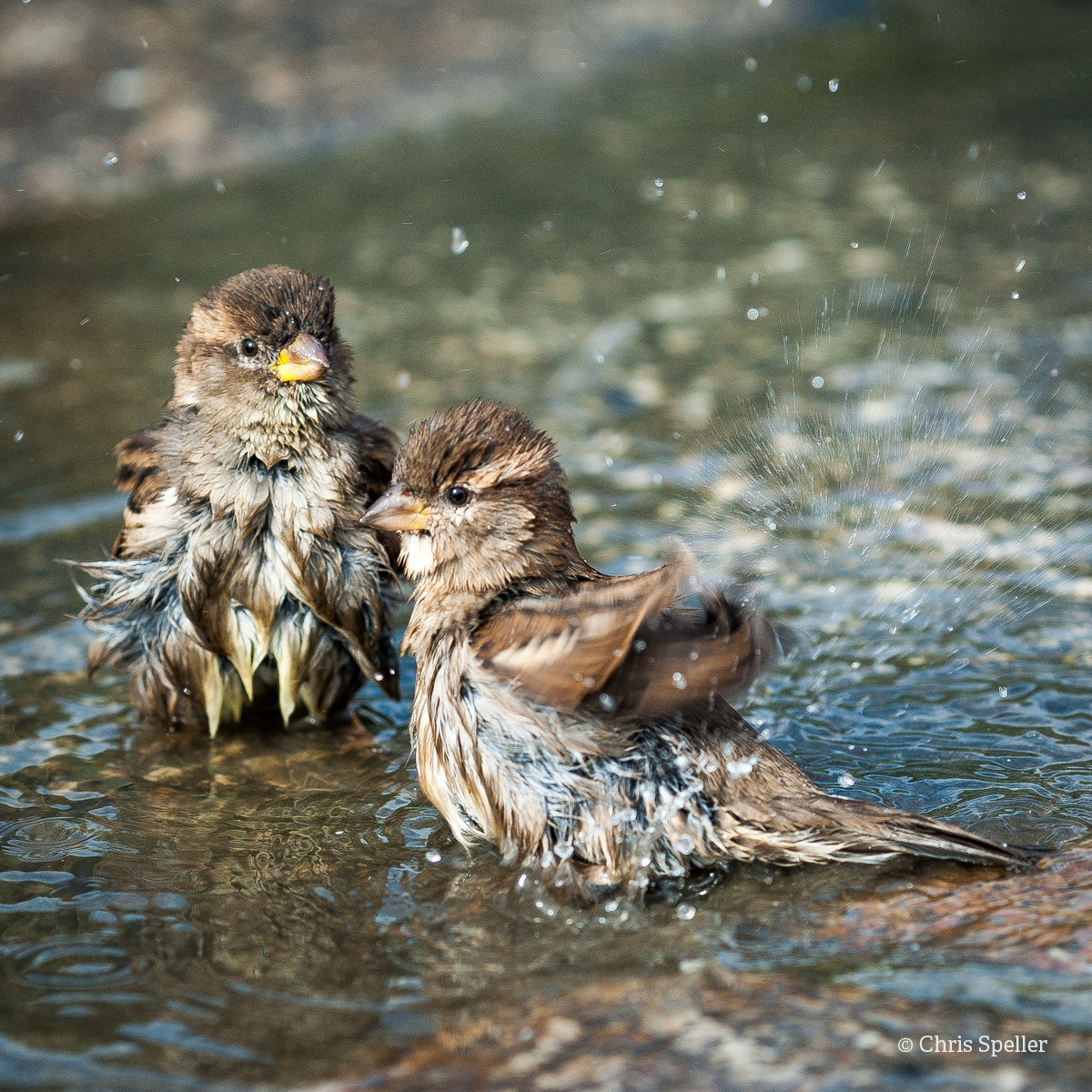
Chris Speller
Chaffinch ID: Females are browner than the colourful males but both have distinctive white wing bars
Song: Loud, cheerful, descending song may be repeated up to 3,000 times in a day
Chaffinches have regional accents, and more than six million pairs breed here in the UK each year. More here.
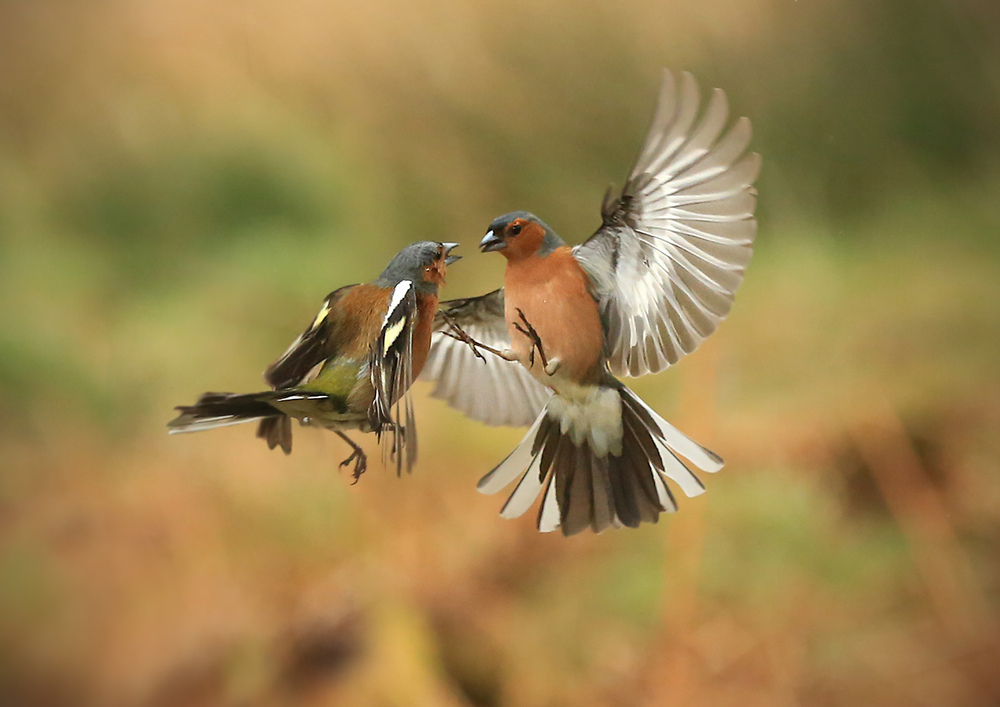
Jon Hawkins
Greenfinch ID: olive green with a flash of yellow on the wing, and a chunky beak
Song: Twittering whistles and warbles with distinctive wheezing ‘zweee’. More here.
Sociable but notorious for squabbling. Numbers have dropped due to disease (Trichomonosis) that can spread at feeding stations, so it’s important to keep feeders clean

Neil Fletcher
Goldfinch ID: Striking red face and bright yellow wing feathers
Song: Liquid, tinkling twitter
A group of goldfinches is called a charm, and they flock in large numbers outside the breeding season. More here.

Roger Wilmshurst
Comments
Loved this, thank you very much.
10 Feb 2022 11:44:00
Loved this, thank you very much.
10 Feb 2022 11:44:00
Brilliant photography and superb concise information, but the placing of the photos in relation to the information is a bit confusing. It is better to place the information below the photo rather than above it.
There’s no photo of the long-tailed tit.
10 Feb 2022 12:18:00
Very useful info. My feeders are very busy and this makes identification much easier
10 Feb 2022 12:30:00
Helpful list but too limited – and I feel it’s rather late to be putting up a nest box. I overhaul all mine in winter (metal cladding the fronts this time to avoid woodpecker damage) but put the last one back up later than usual, on 26th Jan – it was investigated almost immediately and now has a pair of busy tits regularly visiting!
10 Feb 2022 12:47:00
Just to say thank you for your delightful garden bird guide
10 Feb 2022 12:56:00
Brilliant photos and good descriptive text but I agree with other reviewers that the list is a bit limited and that the information would be better displayed below the picture rather than above it.
I suppose we do all know what a robin looks like but it does seem a rather strange omission!
10 Feb 2022 13:58:00
Brilliant photos and good descriptive text but I agree with other reviewers that the list is a bit limited and that the information would be better displayed below the picture rather than above it.
I suppose we do all know what a robin looks like but it does seem a rather strange omission!
10 Feb 2022 13:58:00
Many thanks for the guide. Very helpful and useful. Ian
10 Feb 2022 14:03:00
Great photos and descriptions, thank you!
10 Feb 2022 14:04:00
Like the Garden Birdwatching Guide, I can now look for male and female house sparrows when they visit our garden. Unfortunately they have not visited quite so much these past few weeks, used to see each morning 15/20 sparrows breakfasting on seed and suet balls but only seeing 5/6 now, have they found a new feeding friend or is it the new seed I recently purchase? I live in hope they return soon, I do miss seeing them, cheeky little ones.
10 Feb 2022 15:54:00
No robin, magpie or pigeon. all of which regularly frequent our garden
10 Feb 2022 16:25:00
Just to say thank you for your delightful garden bird guide
10 Feb 2022 16:33:00
so lovely… I just have masses of sparrows in my yard
10 Feb 2022 20:03:00
Very useful info. Any chance of recording bird song?
Any idea why birds reject my birdbath?
10 Feb 2022 21:45:00
Many thanks for the guide. Very helpful and useful. Ian
10 Feb 2022 21:45:00
What you showed was well presented but there were a lot of birds missing.
10 Feb 2022 23:47:00
Thank you! So clear and succinct!
11 Feb 2022 06:55:00
Many thanks for the guide. Very helpful and useful. Ian
11 Feb 2022 08:36:00
Many thanks for the guide. Very helpful and useful. Ian
11 Feb 2022 09:59:00
Many thanks for the guide. Very helpful and useful. Ian
11 Feb 2022 20:57:00
Many thanks for the guide. Very helpful and useful. Ian
12 Feb 2022 09:12:00
Many thanks for the guide. Very helpful and useful. Ian
12 Feb 2022 13:15:00
Good
12 Feb 2022 13:20:00
Many thanks for the guide. Very helpful and useful. Ian
12 Feb 2022 16:21:00
polegate.my garden daily,sparrows,starlings,dunnocks,wrens,wood pigeons,jackdaws,crows,rooks,occasional sparrow hawks.nevr see thrushes anymore,forgot robins,seagulls,bluetits.
12 Feb 2022 20:11:00
Lucky enough to have all these birds visit plus Jays, Crows banging on the window at dawn, the fattest pigeon in the world, takes three runs to lift off, the beautiful woodpeckers, even an injured pigeon who finally walked into my kitchen saying ‘rescue me’ which the wonderful Wildlife Rescue team did. Not to mention the visiting Mum fox and cubs, the deer eating the acorns under the oak tree, a million squirrels in the squirrel proof seed feeders. Having moved from Brighton town some years ago it is all a delight. No more hedgehogs sadly. Found the first and last dormouse trapped in a seed feeder over 11 years ago, never seen one since. Thrush is rare in the garden now, and no more wagtails, last but far from least the squabbling robins!
15 Feb 2022 08:51:00
I am sure that you would love some feedback. I have not been able to read your article due to the white on the light beige. Could you think of us oldies with our eyesight please
ANSWER: Thank you for your comment, we are launching a new website soon, which will address this issue20 Feb 2022 10:21:00