
Species of the day: Long-tailed Tit
By James Duncan
Learning and Engagement Officer
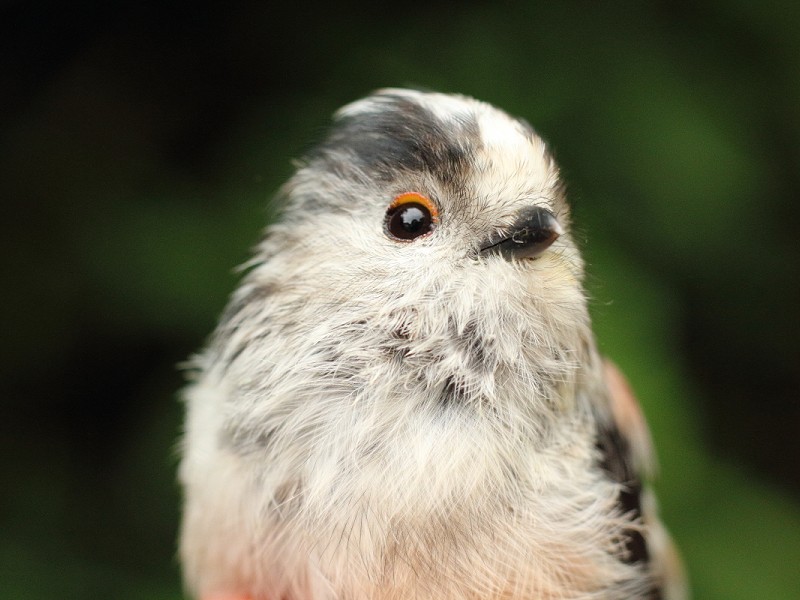
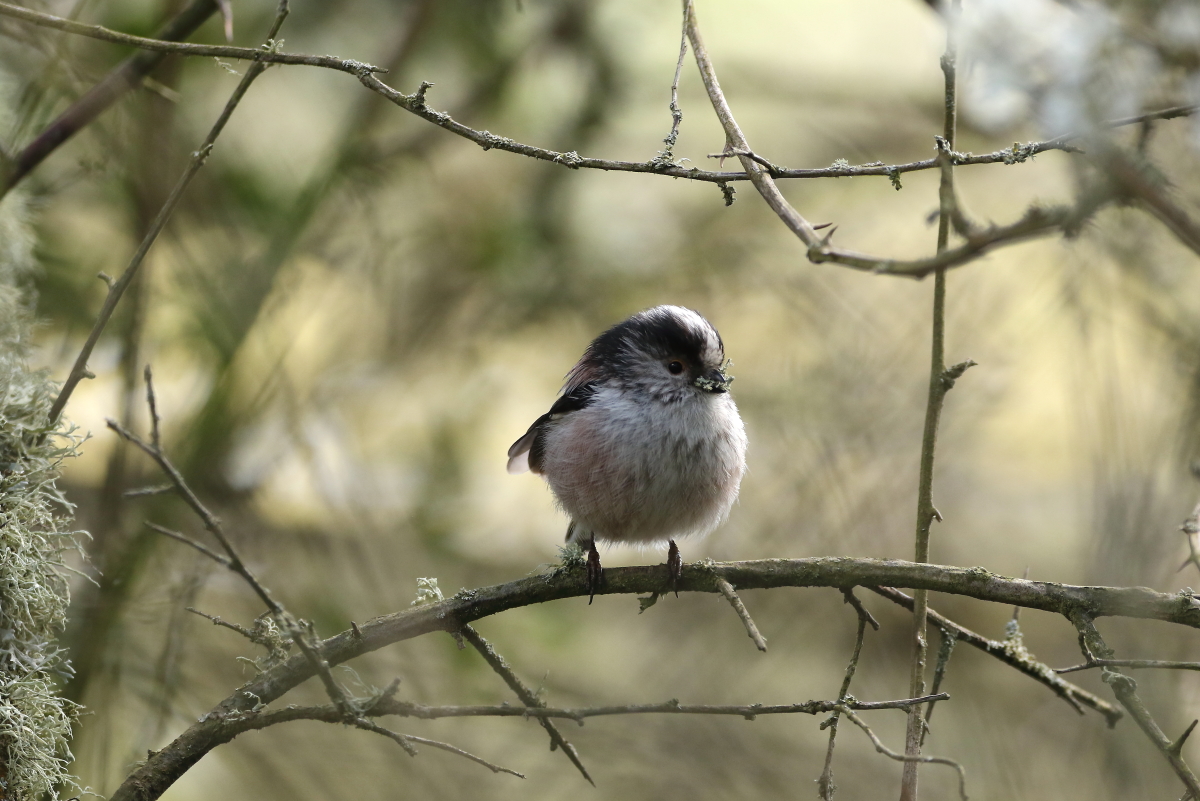
The Long-tailed Tit (Aegithalos caudatus) is unusual amongst tit species, the reason being it isn't really a tit at all. Genetically at least, this lively little species shares more with the Babblers of Asia and Africa than with our familiar family of Blue and Great Tits. It's also absolutely tiny. We may rarely think of the Long-tailed Tit as being one of our smallest birds, but deduct the length of the extraordinary tail that gives it its name and you have a little bird that's outweighed by a one pound coin. When airborne they have the appearance of a fluffy lolloping lollipop, with a bouncing flight and a body that's almost spherical. There's something quite magical about observing Long-tailed Tits, their characterful and somewhat inquisitive nature offering real opportunities for 'close-up' encounters. Fortunately their population has been on the increase for some years, particularly in urban areas, giving more people a chance to spot them.
One of the other reasons we perhaps find the Long-tailed Tit so endearing is its social nature and strong family ties. Their diminutive body mass makes them highly vulnerable to exposure during cold winters and the perfect way to combat this is to huddle-up. This is a bird that you'll very rarely seen on its own. Flocks from six to twenty are typical, though up to fifty isn't unheard of. Sticking tightly together when roosting is the ideal way to avoid losing body heat. Perhaps one of their most amusing traits is the 'follow-my-leader' approach, whereby flock members will typically follow the first individual to take flight. This results in a gradual succession of individuals bouncing off after the first. Feeding flocks are restlessly active, requiring a constant source of insects to provide their fuel. You'll often be drawn to their presence by their incessantly chatty nature, their high pitched and softly uttered "see-see-see" contact calls often preceding the more explosive, but bubbly "prrrt prrrt." These flocks may seem friendly but they're actively territorial, protecting their feeding area from rival 'gangs.' There's strength in numbers, which has the additional advantage of providing more eyes peeled for both predators and for food.
Long-tailed Tit co-operation doesn't end with social flocking - they also help each other through co-operative breeding. This typically involves siblings of the parent birds assisting in feeding chicks should their own nest fail. This ultimately assists in the survival of individual adults who don't need to work quite so hard when rearing young. No doubt this is also a useful learning tool for inexperienced nesters. The Long-tailed Tit produces one of the most fantastic pieces of nest architecture built by any UK bird. They're weaved together using hair, feathers and spider silk, making them tough too. Incredibly they're often lined with not just hundreds of feathers, but thousands. Moss and lichen cover the framework, aiding camouflage but it's the ingenious use of the silk that binds the nest together. Though they're often constructed low down in shrubs such as Bramble, Blackthorn and Hawthorn, their cunning craftsmanship helps them to avoid detection by predators.
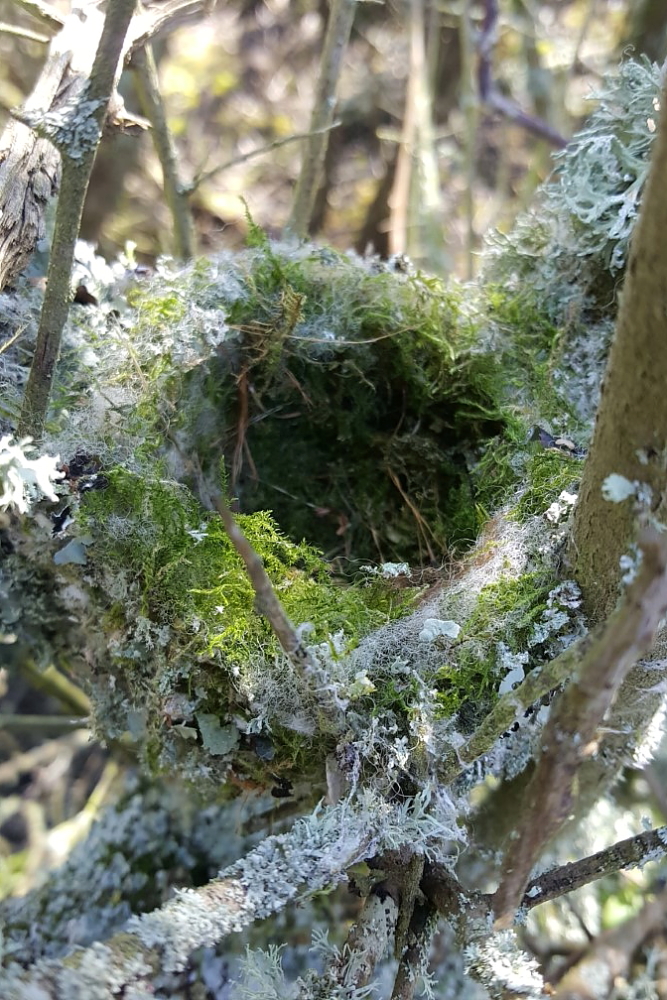
A nest half way through construction © James Duncan
Comments
Thank you for this ‘post’! Very interesting! 😊
14 Apr 2020 12:23:00
Thank you so much for all this interesting reading. I look at my birdtable with so much more interest thanks to this.
11 Feb 2022 16:05:00
Dear little birds. Love to see them on the feeders with their tails curled round from sitting on eggs.
18 Feb 2023 12:22:00
One of my favourite birds. Thank you for posting.
18 Feb 2023 14:59:00
I have had a small group come through to alight the fat balls and move at least 4 or 5 times this winter. First time. Glad to hear they are on the increase.
18 Feb 2023 16:56:00
I love these. I see them on my feeders frequently. Thanks for the info.
02 Mar 2024 11:02:00
Thank you so much for the info , i never knew that.
03 Mar 2024 16:10:00