Mimicking Natural Processes
In some cases, habitats, land parcels and their associated natural systems are too small, isolated, or damaged to be able to fully restore their natural processes- for example a naturally functioning river system. In these cases, people can positively intervene and help to ‘manage’ the recovery of local nature within certain constraints.
We can still move towards a more natural approach to managing nature by :-
- Considering the types of management available to us, and the most natural / least environmentally damaging tools and actions that we can use e.g. using hand tools instead of tools which use fossil fuels
- Pro-actively moving our management towards the restoration of wilder natural systems - rather than holding natural systems in stasis like some traditional conservation management models
- Working in collaboration with neighbouring land parcels to restore larger natural systems in the long term
- Mimicking natural processes through our management techniques
Mimicking natural processes is a means of artificially replicating ‘absent’ natural processes through the interventions of humans. It involves working out which essential natural processes are damaged or no longer present (such as those delivered by beavers) and tailoring our management of land to replicate these processes as closely as we can with the tools that we have available.
MIMICKING NATURAL PROCESSES ON YOUR LAND (or window box!)
Similar to restoring natural processes, one of the first steps before we start mimicking natural processes, is to work out which natural processes are missing. We can then prioritise which ones we think will have the greatest benefits to wildlife and natural capital if they are restored. Some actions may require legal consents (such as re-connecting river floodplains) and others may not.
Some natural processes are harder to mimic; such as soil formation. However there are a number of easier ways to mimic natural processes including :-
- Disturbing soil and seed banks by digging, rootling and turf flipping like pigs
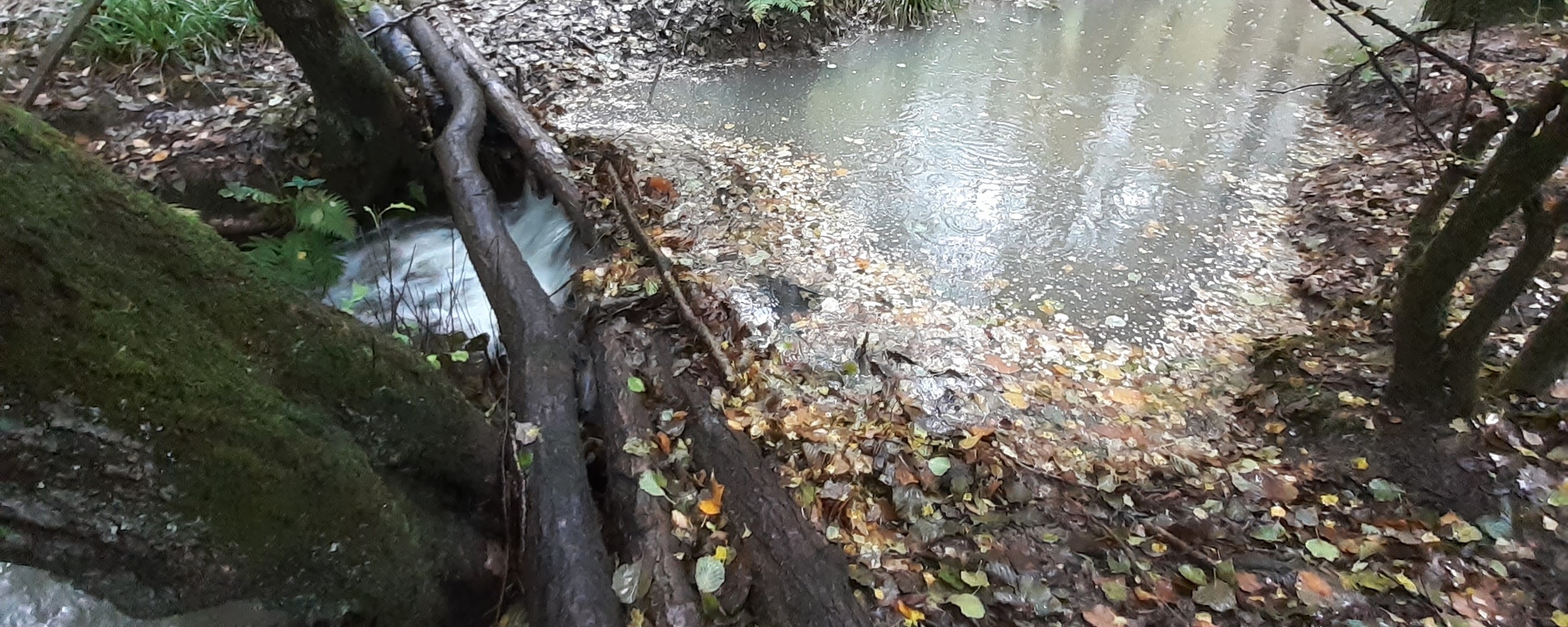
- Behaving like beavers by installing natural leaky woody dams to slow the flow of flood water
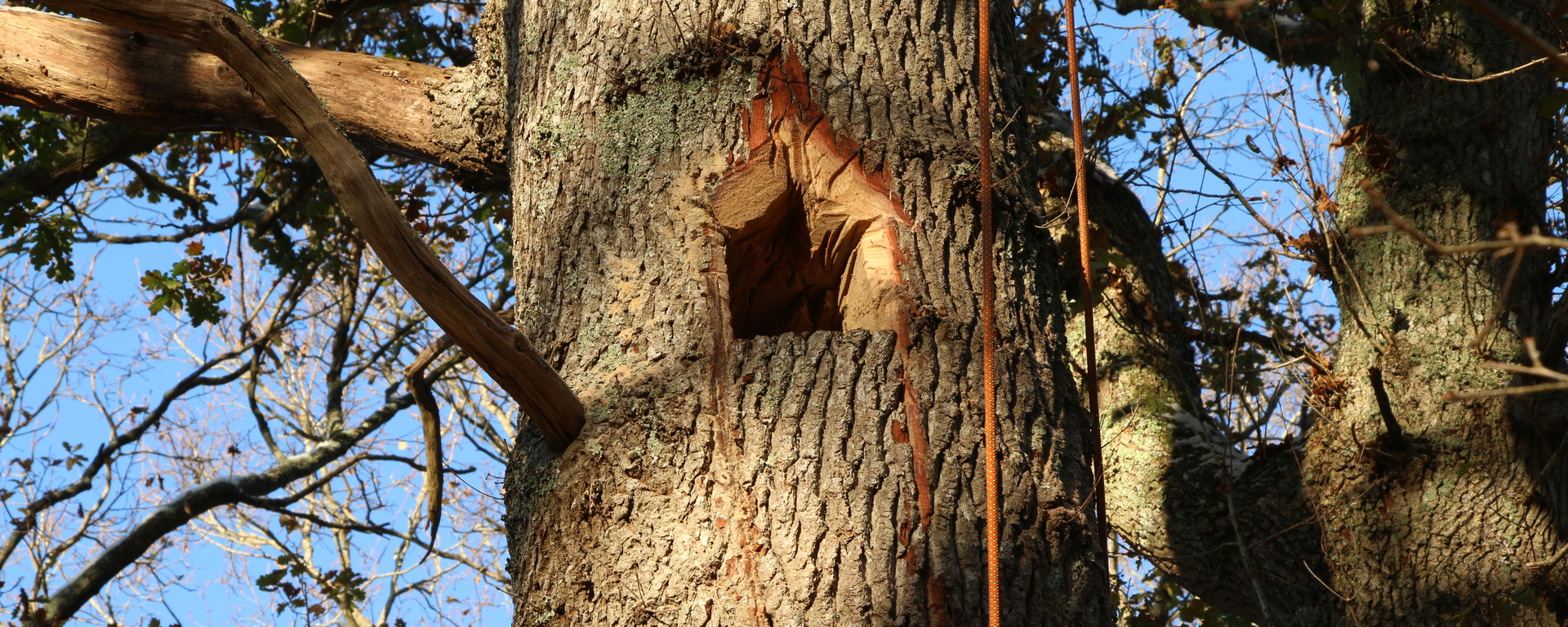
- Veteranising trees by artificially creating niches and nooks for bats, birds, fungi and insects i.e. using tree surgeons
- Continuous Cover Forestry (CCF) which creates a more irregular woodland structure and buffers more stormwater etc. than traditional forestry practices allow, and also builds in access to green spaces for people
- Allowing the breakdown of deadwood – for which (non diseased) deadwood is left standing or on site (where it is not a health and safety risk) rather than cleared up / or used as firewood.
- Enabling rivers to connect with their floodplains
- Creating glades in woodlands to mimic the actions of grazing animals and/or windthrow by storms