Wilding and Natural Processes
What is Wilding?
Many terms are used to describe wilding - such as ‘rewilding’ or ‘re-naturing’. Although we use different terminology, the end goal of wilding is the same – to restore natural processes and healthy ecological functions so that nature can take care of itself without the need for human intervention.
In the Wilder Landscapes team, our approach to wilding is to bring about positive changes for nature by working with our communities and landowners to ensure both wildlife and people are benefitting from the land. We support all projects great and small, from landscape-scale rewilding, to increasing biodiversity on roadside verges, to back garden projects.

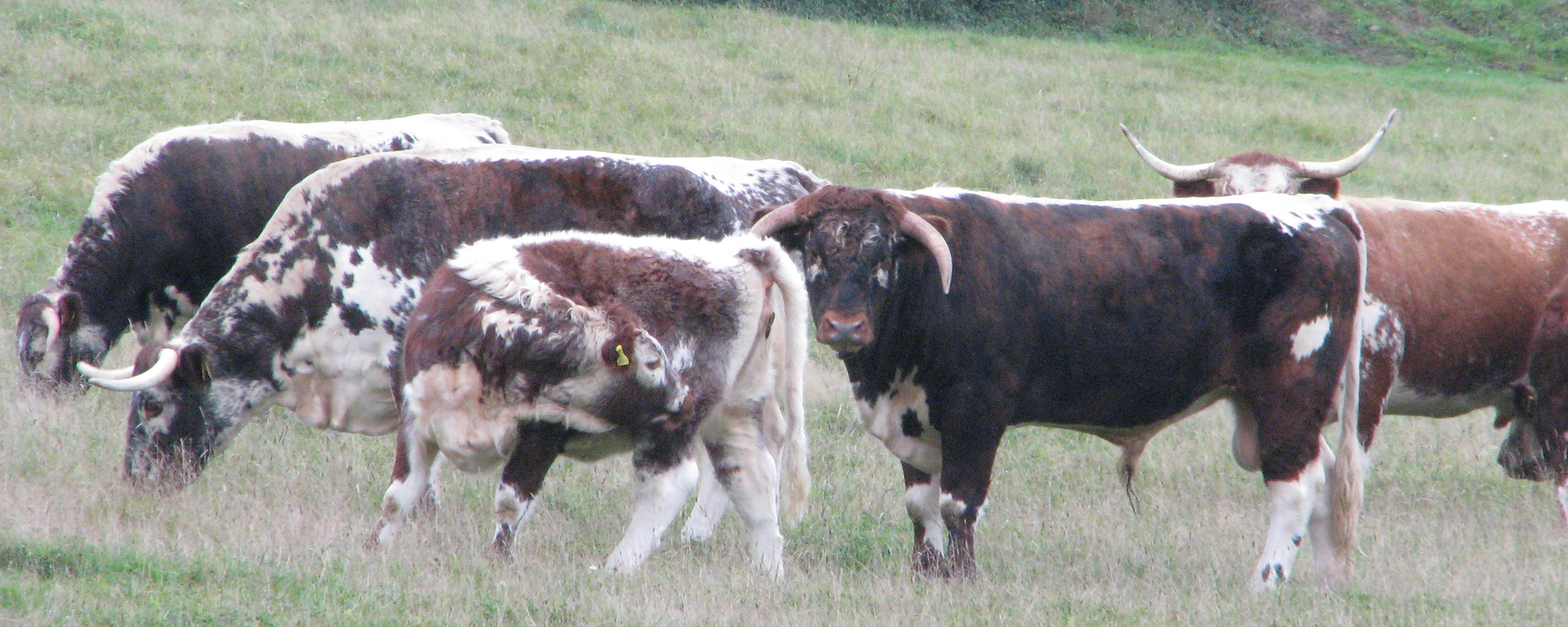
At the Sussex Wildlife Trust we have employed some of these wilding techniques on our reserves. The Butcherlands in West Sussex, is an amazing piece of land that was purchased by the Trust in 2000. Our ambition here has always been to create a type of wood pasture habitat through a combination of natural regeneration and low intensity cattle grazing. We are confident that this approach will develop a diverse and interesting landscape full of wildlife, which will both complement and merge into the existing wood pasture of Ebernoe Common.
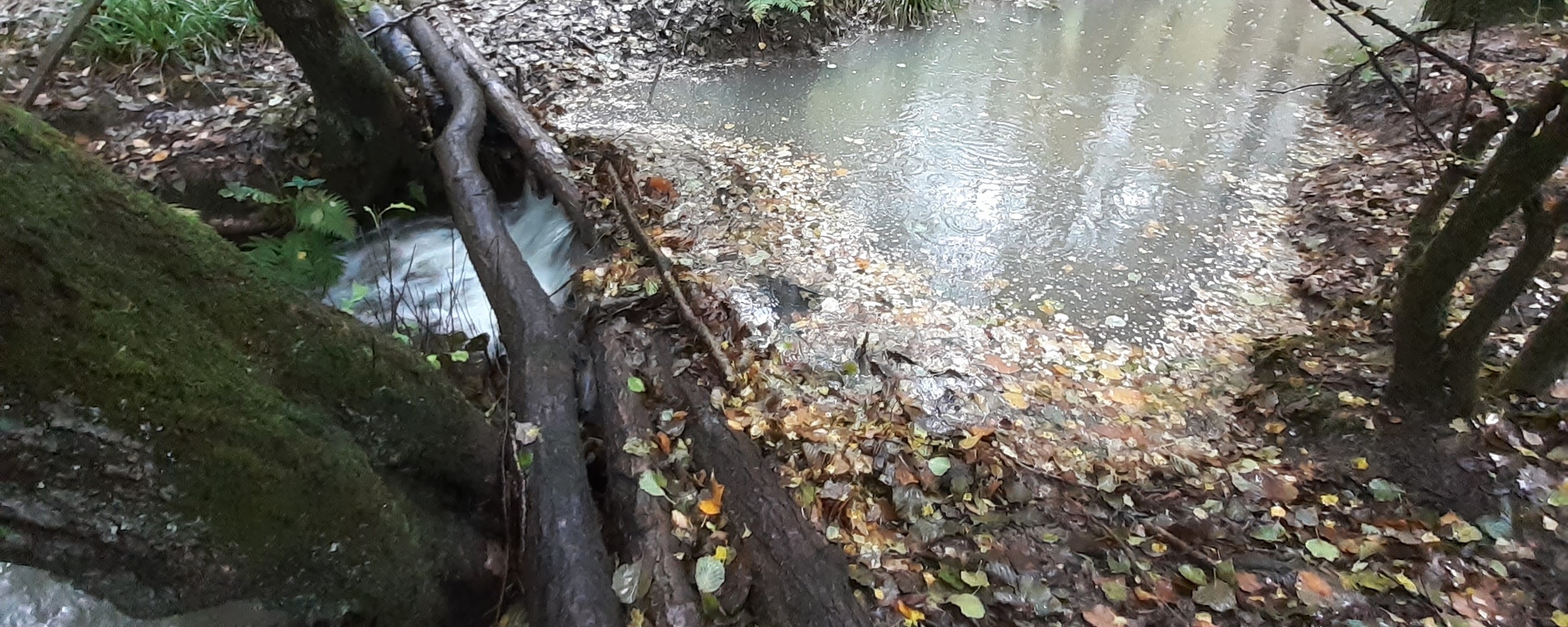
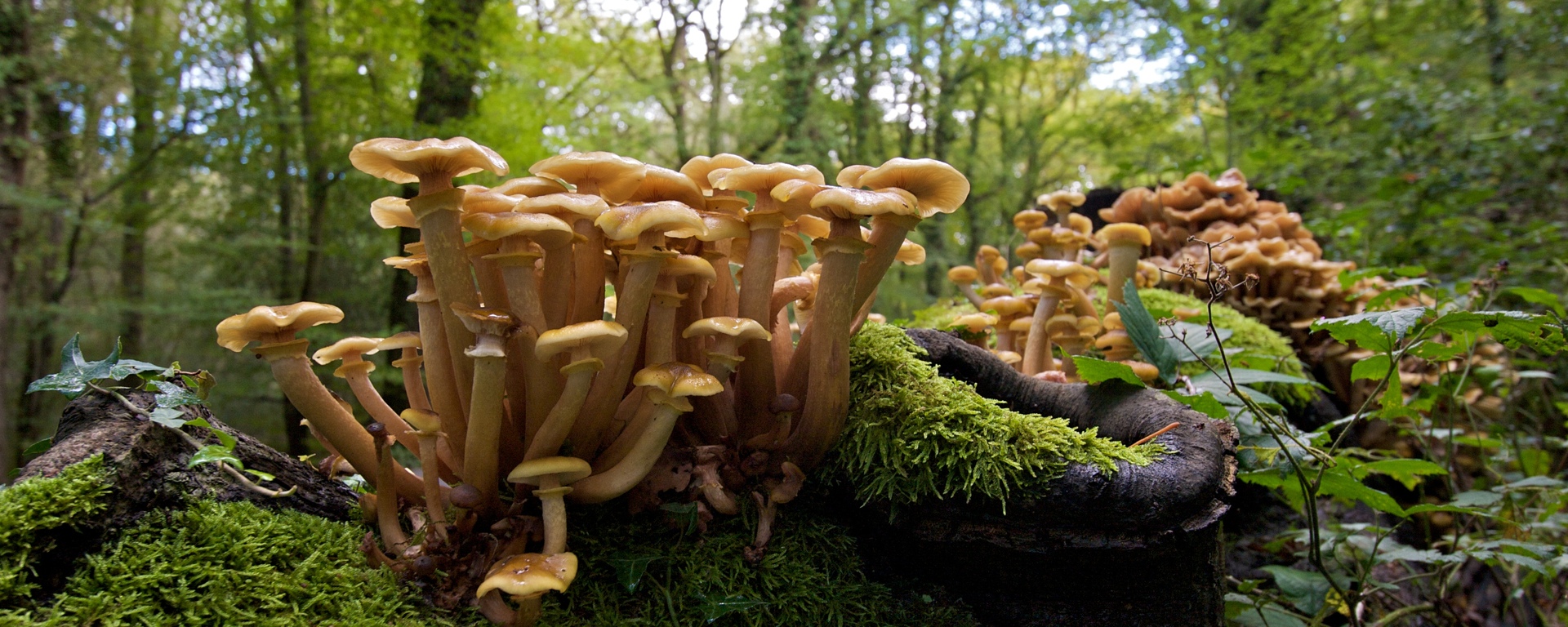
The Mens woodland is another wild gem. A largely unexplored wood, it certainly has an untamed, mysterious feeling to it. There is a policy of non-intervention on this site, which means the woodland is allowed to fulfil all of its natural processes. Deadwood is left to rot on the forest floor, providing food and shelter for invertebrates. Cavities in ancient trees provide nest opportunities for birds and bats. Lots of flowering plants and fungi line the forest floor.