
News
-

30 June 2023
Success surveying Sussex Emerald
Rebecca Levey, Kent’s Magnificent Moths Conservation Officer, recently took a trip to Rye Harbour Nature Reserve and made an exciting discovery.
-

30 June 2023
Meet our staff: Laura Ross
Find out more about our new Communications Officer, Laura, including her obsession with sea glass.
-
26 June 2023
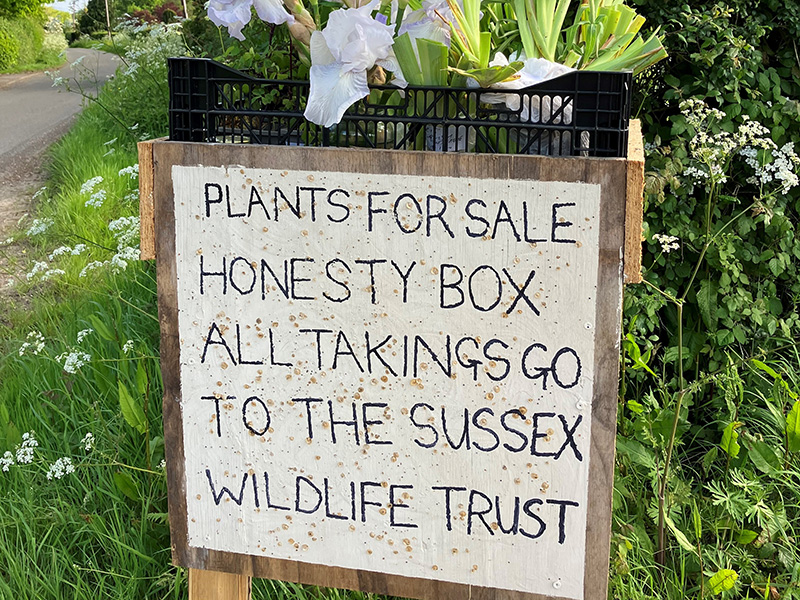
We meet Sussex Wildlife Trust supporter James Horner
Organic gardener James Horner has been fundraising for Sussex Wildlife Trust with his Honesty Box Stall in Northiam. We catch up with him yo find our a bit more about him
-

26 June 2023
Bird ringing
Ranger Rosie Hutchings tells us why bird ringing is so important to help us understand more about birds and their migration patterns.
-

26 June 2023
Potter Flower Bee
The Potter Flower Bee is one of the rarest bees in the UK. It is now only found at Seaford Head and two other locations in Britain. James Power, author of The Bees of Sussex, tells us more.
-
23 June 2023
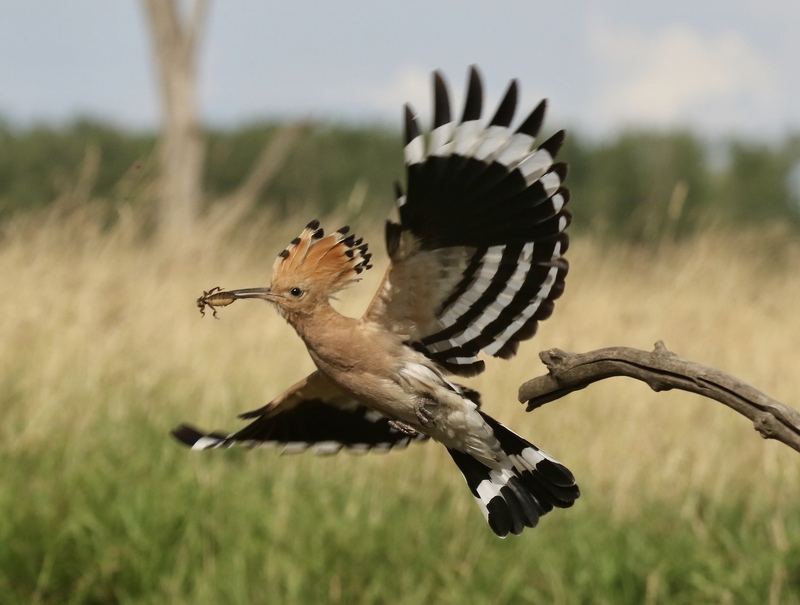
30 Days Wild - Week 3
David Philips is sending in his last two 30 Days Wild weekly posts from rural France, where there is an abundance of insects
-

22 June 2023
Friends of Glebe Field - The Community Creating a Wildlife Haven
A year on, we revisit our first ever Nature Recovery Award funding recipients The Friends of Glebe Field to see how they’re getting on…
-
21 June 2023
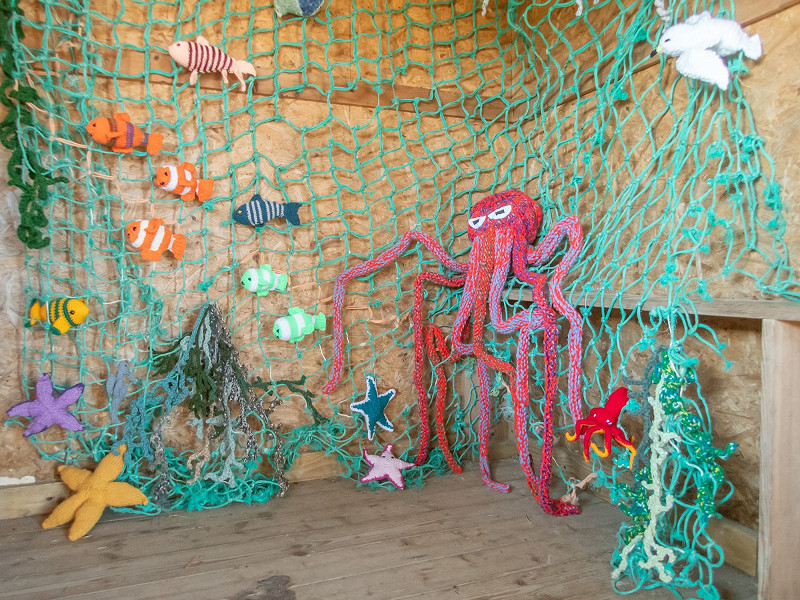
Have you spotted the Woolly Wildlife for 30 Days Wild at Rye Harbour Nature Reserve?
Find out how #30DaysWild means woolly wildlife at Rye Harbour Nature Reserve
-
19 June 2023
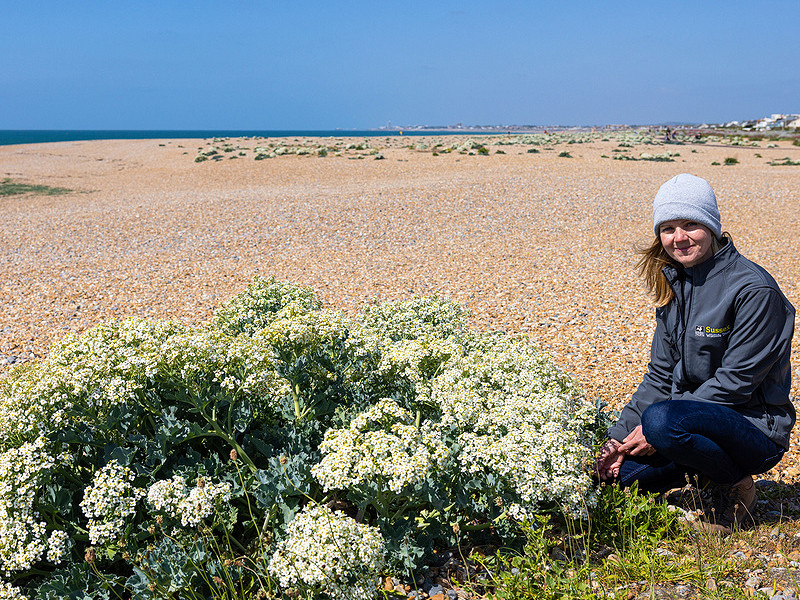
Living on the edge: Vegetated Shingle
Shingle beaches are often depicted as cold, windy, grey and desolate places with banks of shingle that stretch on for miles. But in the spring months these stretches of beach come to life. Conservation Officer, Laura Brook, tells us just how special vegetated shingle can be.
Around Sussex
-
25 March 2020
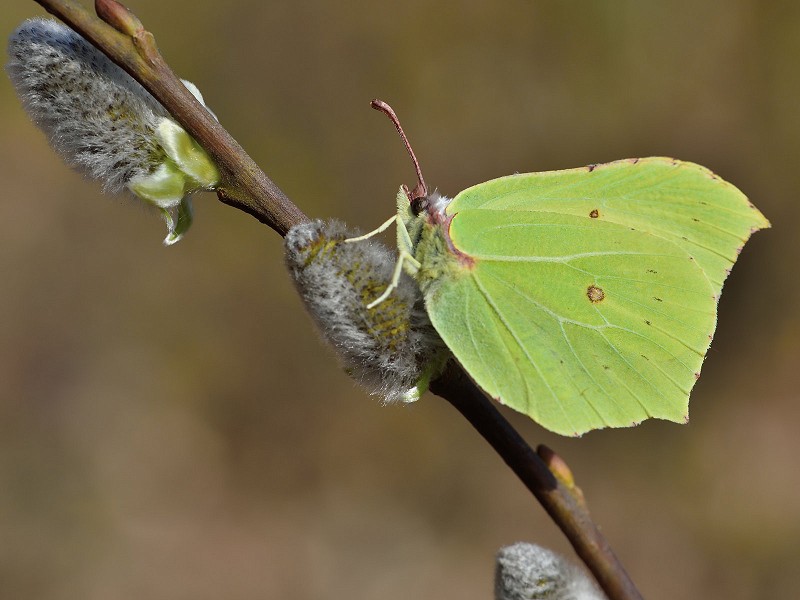
Corona Wildlife Diary: Day Eight
On sculpted, vibrant yellow wings my first Brimstone butterfly of the year makes his elegant entrance over the garden fence.
-

25 March 2020
Species of the day: White Dead-nettle
The White Dead-nettle is a very important source of nectar for bees, particularly at this time of the year, when few other nectar-producing plants are in flower.
-

24 March 2020
Corona Wildlife Diary: Day Seven
Today I’ve decided to tactically deploy the most powerful weapon I have and blast you with some thermonuclear level cuteness to distract you from these difficult times.