
We meet Sussex Wildlife Trust supporter James Horner
Tell us a bit about yourself
I’ve lived in Northiam and Beckley, East Sussex for 13 years. I came from North Yorkshire to train as a flower gardener at Great Dixter and since then have worked in many places across Sussex including an estate near the Sussex Wildlife Trust site at Old Lodge, Ashdown Forest. When I first came to Sussex I was amazed by the quantity of ancient Oak trees and the beautiful Sweet Chestnut coppices.
Tell us about your ethos when it comes to gardening
I’ve always gardened organically without the use of chemicals or artificial fertilisers and encouraged the people I have been managing land for to start the process of creating wildflower meadows where suitable. I grow most plants from seed and continue my Dixter training of creating generous flower gardens which have flowering plants and interest in all seasons. I love gardening because it looks at nature through the lens of art and design and now more and more is becoming friendlier to ecology. Our gardens have a huge potential to help nature recover from declines and pressures we’ve seen for many decades now.
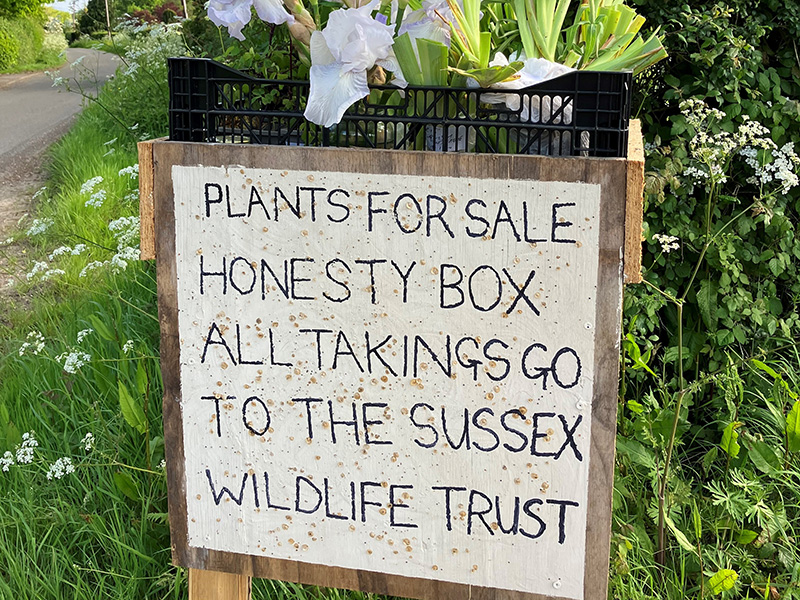
Thank you so much for supporting Sussex Wildlife Trust with your honesty stall. What prompted you to do this and what sort of plants are you offering?
I typically grow around 2000 plants a year on my little nursery and these feed into the garden projects I’m working on at the time. Yet actually I had a positive change in my employment circumstances which meant I would have an excess of plants this season. I’ve long wanted to help Sussex Wildlife Trust because the sites have given me escapism and enjoyment and learning, I wanted to give back and help in any small way I could. I’m selling garden stalwart perennials, bulbs, even Oak and Crabapple saplings grown from seed. All in the hope that people’s gardens will be more biodiverse for it.
What plants bring you most joy and why?
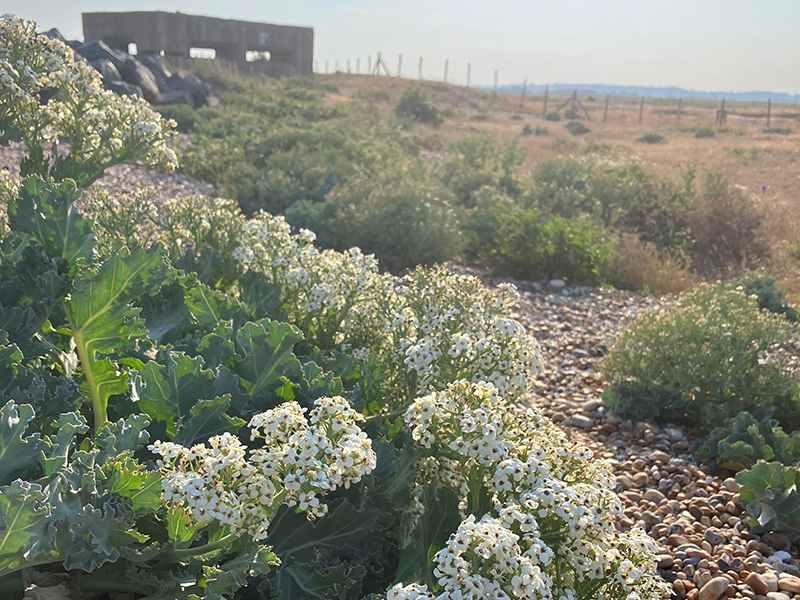
Searching for wildflowers gives me most pleasure, learning new ones and sometimes seeing variations within species. Rye Harbour is a near site to me and I love the honeyed scent of the Sea Kale flowering on the shingle there. For horticulturists, seeing plants finding niches in the wild gives us the opportunity to learn what conditions and habitats make them happy.
Do you have one tip for amateur gardeners?
I’m often asked what I do in the winter. And the truth is that the best preparations for the garden are made during that season. Mulching and enriching soil where you’d like to grow ornamentals or vegetables is great winter work. And planting too, especially with the summer dry spells which are typical now. When the winter weather is simply awful you can always plan colour combinations, clean your favourite tools and decide what seeds to buy.
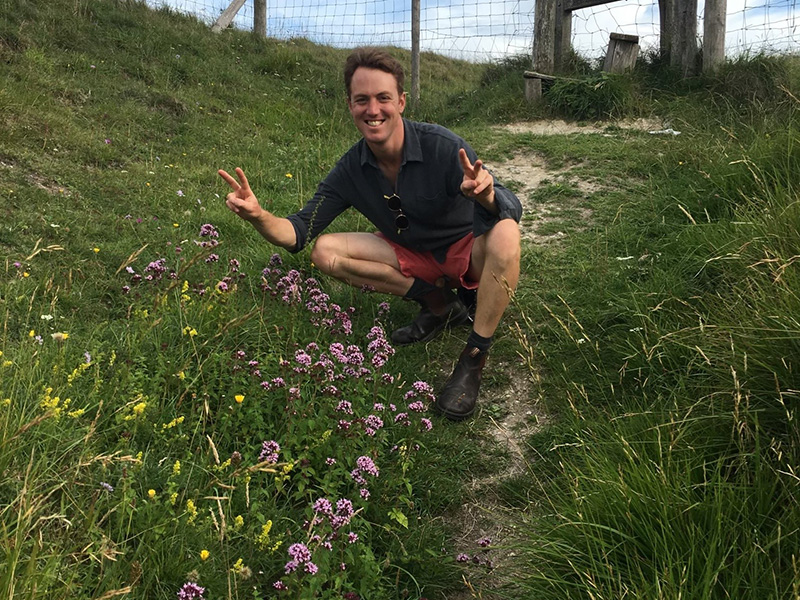
Follow James on Instagram @JamesHornerGardens