
By Matt Phelps
Species Recovery Officer
Today (29th August) The Wildlife Trusts have published A Vision for the Return of Beavers to England and Wales. This landmark publication sets out the urgent need for clarity from governments on the future for this species in England and Wales.
Although now formally recognised by Defra and the UK Government as a protected native species, currently Beavers in England and Wales can only legally be released into single, fenced enclosures, of which there are two in Sussex.
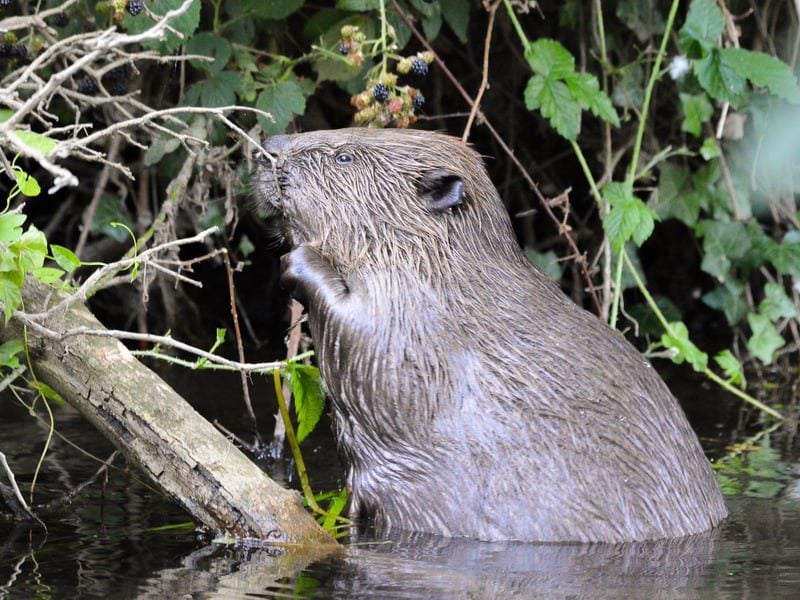
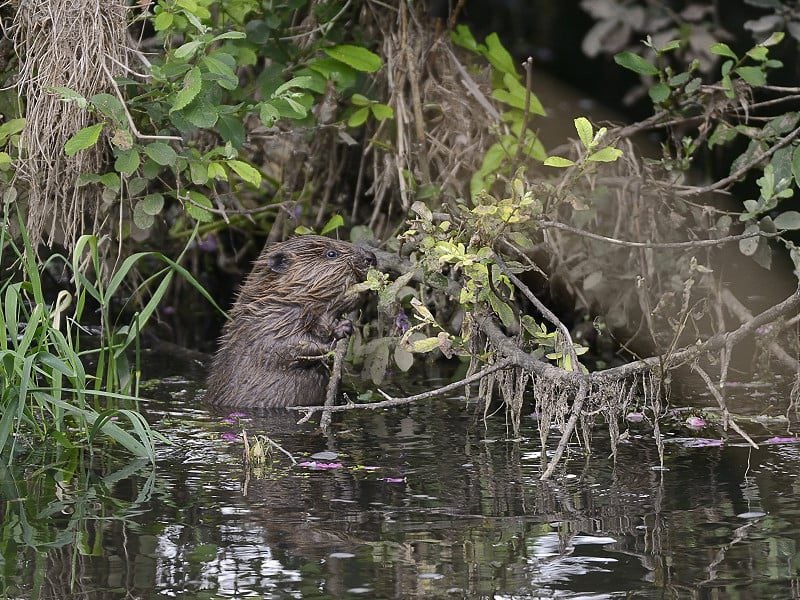
Sussex Wildlife Trust recognises the crucial role that Beavers can play in restoring the natural life support systems that people and wildlife rely on – helping with natural flood management, wildlife recovery, water resources, improving water quality, and much more. The Eurasian Beaver is widely heralded as a ‘keystone species’ – one without which whole ecosystems collapse. Beavers are a great example of how some ecosystem engineer species create their own bespoke habitat niches, such as Beaver meadows and Beaver pools. Beavers instinctively manage their natural environment meaning that we don’t need to, and beavers do it so much better than we could. The natural instincts of Beavers play an integral part in buffering our landscapes from flooding, pollution and drought, and in creating thriving wetland habitats for a whole range of other wildlife. Wetlands are some of the most biodiverse landscapes on the planet and act as fantastic buffers against the effects of climate change. Bringing wild beavers back to Sussex will start to show us what healthy, wildlife-rich and climate-resilient wetlands truly look like.
While Beavers can happily live in a diverse range of river systems, they are also returning to a cultural landscape which has forgotten how to co-exist with them. This brings both benefits and challenges in our lowland catchments. A key part of my role as Species Recovery Officer for Sussex Wildlife Trust is to help navigate some of the potential complexities of landscape-scale Beaver recovery. To this end we currently chair a Sussex Beaver Partnership, consisting of various stakeholders, and have plans to establish a Beaver management group in due course as we move towards potential wild releases in the years to come.
It has been a long time since Beavers have been part of our local landscapes, so we need to re-introduce people back to living alongside them too. If we want people and Beavers to co-exist, we need to work closely with local landowners and communities to help them understand beavers and their management. Sussex Wildlife Trust hopes that local people and future generations can once again get to know this native Sussex species as a familiar part of the natural world around them.
37 responses to “A vision for the return of Beavers”
Pollution in rivers is a serious issue, research from the Devon Beaver Trial showed that Beaver dams helped filter the water running through them, removing sediment from the rivers, so they could help with the process of improving water quality in the river environment
It would be great to see beavers reintroduced to the Pevensey Levels, especially the eastern sector, where they can help with flood plain management and biodiversity restoration and improvement. Hugh
But will beavers have enough landscape to manage waterflow to their preference? The national building programme is ruining any chance of natural means.
Excellent, I wish you and your team every success. I live in the north of West Sussex just south of the border with Surrey. I will look out for any work you may be undertaking in our area.
I do hope your publication will speed things up. We certainly need to get beavers back.
Good luck with this excellent program
I have beavers on my farm in Northern Europe. They are incredibly destructive, blocking drainage ditches and streams, flooding and water logging the agricultural land and causing widespread destruction to the forest; hundreds of acres of pine, spruce, larch, birch and aspen dead and dying . Almost no way to stop the little rodents apart from trapping them and taking them far far away to terrorise some other poor farmer. Or more commonly the shotgun is used.
Would love to see them up the river, behind the Mill in Uckfield.
Good news for wildlife & people. The more we are educated the more benefits there could be.
We were really interested to visit Knepp last week & hear about the beavers project & concern about the future of expanding families.
Glad to read the sensible post by Lorna R-S; much thought and planning needs to be given to get the beavers safely restored to our environment but what a positive step it is.
Having followed beaver releases on Springwatch for years l look forward to our area having it’s own beaver lodge.
As a beaver believer (and farmer on the Levels) follow the creatures progress with interest. The key will be finding ways to live with and control this amazing force of nature. Especially on a complex floodplain.
Brilliant. Keep up the good work.
Surely we need to clean up our rivers before even considering introducing beavers into the wild. Serious conversations with fishermen, land owners etc must be a priority.
Beavers could save councils huge sums of money by creating landscapes that reduce the threat of flooding. It would be good to see projections of estimated savings.
Re the comment about beavers becoming a nuisance in Germany – I would hate to think of them being re-introduced in the wild here, then becoming a nuisance and being shot. How can you ensure this will not happen in the UK?
I support this wholeheartedly.
Will they want to live in our filthy rivers? Though we saw something, perhaps on country file, suggesting that these wonderful creatures contribute to cleaning them up.
Best wishes
I would like to see beavers re introduced to Sussex as I believe in their ability to help stop flooding and improving the environment for many other species
Defra needs to realise that its wider obligations are to the Environment ( and not just farming). Many of our publicly subsidized agricultural policies have not necessarily benefited the environment and indeed some have been disastrous. The reintroduction of beaver- carefully managed- can help restore some of what has been lost. Defra”s monolithic and feet dragging approach eg at Knepp in the face of incontrovertible evidence as to the benefit beavers can bring to the environment was both unfortunate and unnecessary. Please can they be exhorted to do better in future regards both the untrammeled introduction of beavers as well as other species that man has persecuted to extinction.
I am thrilled to learn of the beavers’ return to Sussex. How soon will it be before they are released from their enclosures and allowed to roam free?
I do hope your publication will speed things up. We certainly need to get beavers back.
Great work. Thank you
Since I was a young boy, I have been a keen amateur enthusuast of wildlife, in particular mammals and reptiles. I am particularly excited about possible viewings of otters, beavers and grass snakes. It would be wonderful to reinstate a wild population of U.K. extinct species and the beaver has made a promising start with others, hopefully, to follow such as lynx and wolf to restore the balance between predator and prey.
Those (like me!) who champion beaver reintroduction must take note of the opposition. A farmer in an undisclosed location, A Zakss, who has posted a very negative view, may perhaps be able to give some useful and helpful details if invited by the Moderator.