
What to look out for this month
Whatever the weather this August, spend some time on the Sussex coast. With miles of diverse coastline, you can experience everything from sandcastle making to rock pooling and search for fish, shrimps, crabs, sea anemones, snails and shellfish. Celebrate National Marine Week with us from 26th July – 10th August.
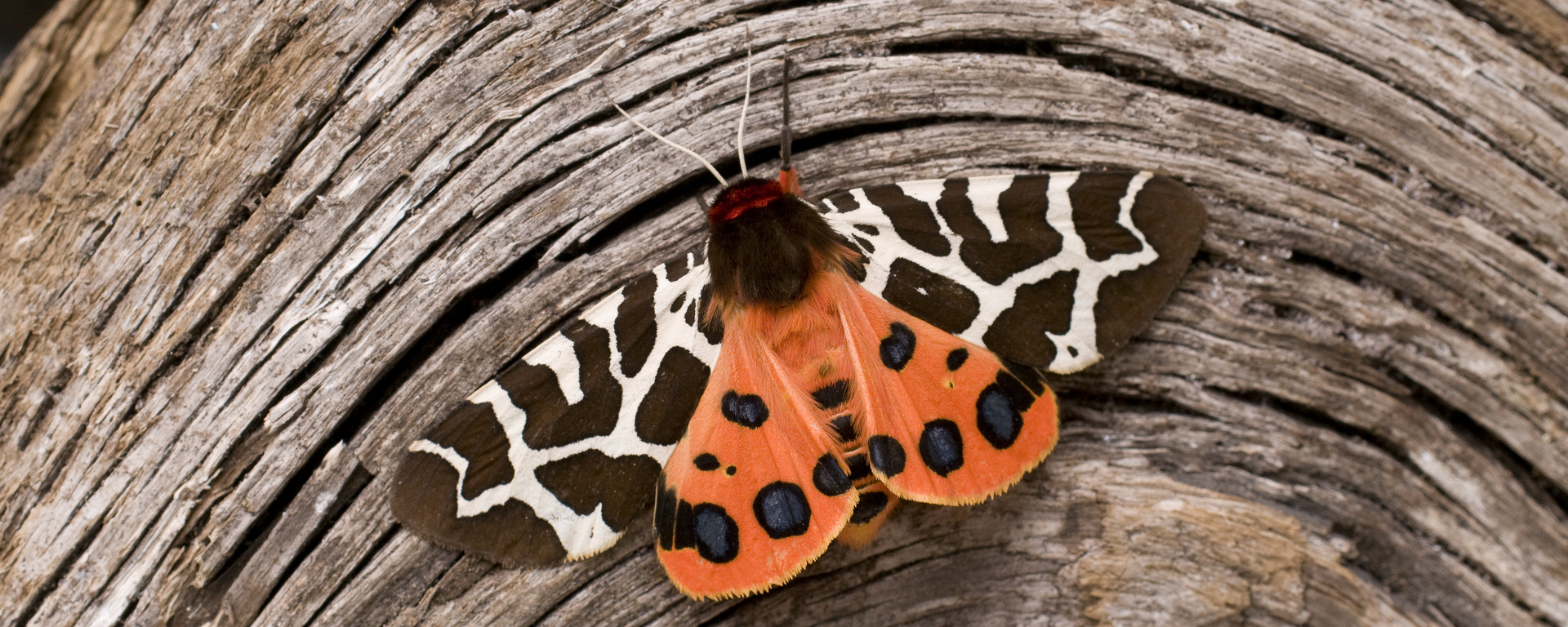
You can also head out to secluded spots on the South Downs, listening for the sound of crickets and keeping your eyes peeled for butterflies on the wing. Now that the breeding season is coming to an end, you will see flocks of birds gathering. Swallows, Swifts and House Martins will be tumbling across the sky feeding up before the long journey south, whilst roving gangs of juvenile Starlings may congregate over farmland and woodland searching for food.
What to spot this month
- Hummingbird Hawkmoth
- Lords and Ladies
- Large White Butterflies
- Rose Hips
- Peacock Butterflies and caterpillars
- Cuttlefish bones
- Lapwings
- Ripened Elderberries
- Busy bees
- Chirping grasshoppers and crickets
Tell us what you've seen
There are many more species to be spotted this month so keep your eyes peeled and don’t forget to submit your sightings via iRecord. These records are then shared with the Sussex Biodiversity Record Centre, who hold species data for the county.
Sussex Wildlife Trust nature reserves to visit this month
Stand almost anywhere in Lewes and Malling Down dominates the view to the east, its chalk hills towering up and overlooking the town. It really is worth the challenging climb to the top, if only for the view that takes in the town, the wet meadows surrounding the River Ouse, the South Downs stretching away, or the expanse of the Low Weald farmland.
In summer, there are loads of things to see. Butterflies are out in abundance including blues, Silver-spotted Skipper, Small Copper and a range of browns. A stroll over the chalk grassland will reveal a carpet of dainty wildflowers from pink Wild Marjoram and Centaury to the red Salad Burnet with its strange cucumber scent.
Sussex Wildlife Trust Courses
See what events and courses Sussex Wildlife Trust are running this month.
Remember this month:
- Big Butterfly Count: 17th July- 9th August
- National Marine Week: 25th July – 9th August
- National Allotments Week: 10th – 16th August