
Leave space for nature this autumn
By Kerry Williams
Communications Officer - Conservation
Have you had to pop your slippers on? Donned an extra layer? Starting to get dreamy eyed over that faint seasonal whiff of mince pies? Cosy season is starting, and that sounds hibernation stations for some of our wildlife. For some this marks a time for tidying the spoils of summer. But the seasons, albeit shifting, kickstart these processes for a reason, so leaving nature to do its thing can make a huge difference to your local wildlife, especially those who are looking to hibernate.
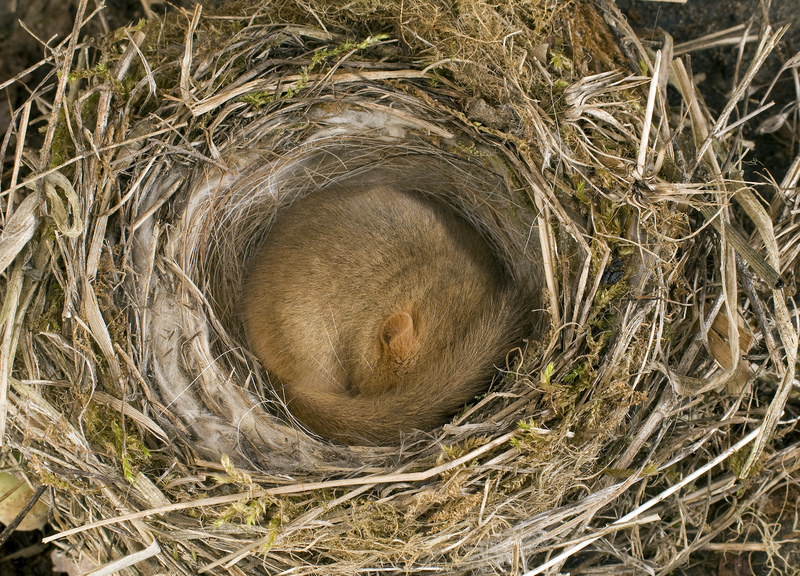
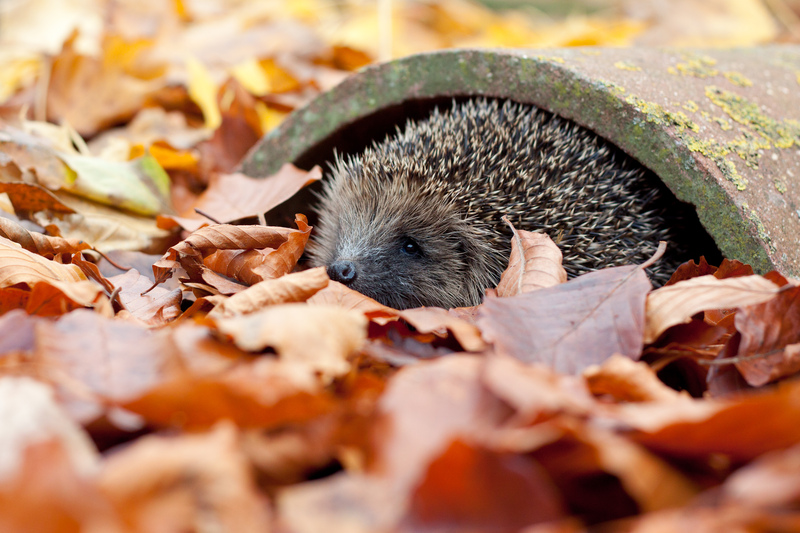
Hedgehogs
The poster child for bonfire awareness, Hedgehogs love a fallen leaf. During autumn, Hedgehogs collect dried vegetation to form nests, ideally under logs or hedgerows. A severe decline in the latter and our over-tidy habits of clearing fallen deadwood mean bonfires pose an enticing opportunity for these mammals. If you are planning a bonfire, check it thoroughly before lighting. Better still, skip the bonfire this year, leaving that natural debris to its proper purpose – Hedgehog homeware.
Amphibians and reptiles
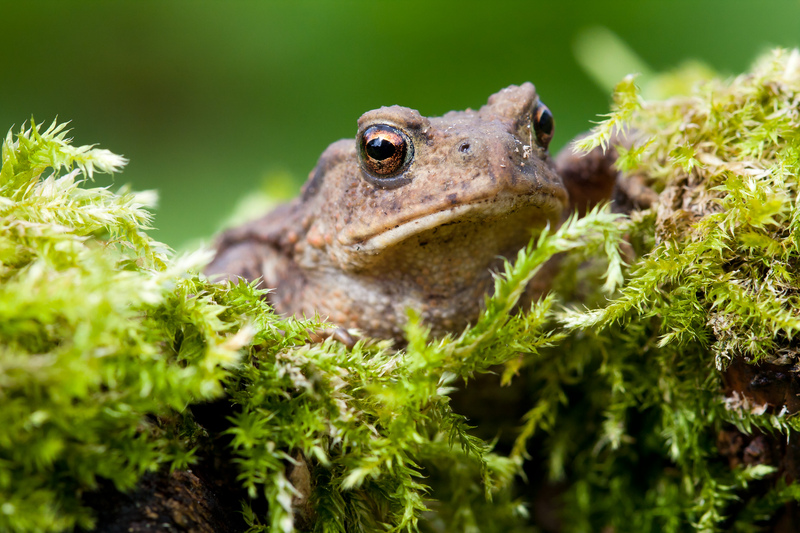
Hibernation sparks images of snuggly fur and fluff. But spare a thought for the ectothermic; our cold-blooded creatures who enter a state over winter called brumation. Toads, frogs, newts, lizards and snakes will seek refuge in loose soil, compost heaps, piles of rocks or logs, pond vegetation – anywhere that provides safety from frost, flooding and predators. To help during this time resist tidying ‘messy’ areas, leaving lots of options for shelter.
Bats
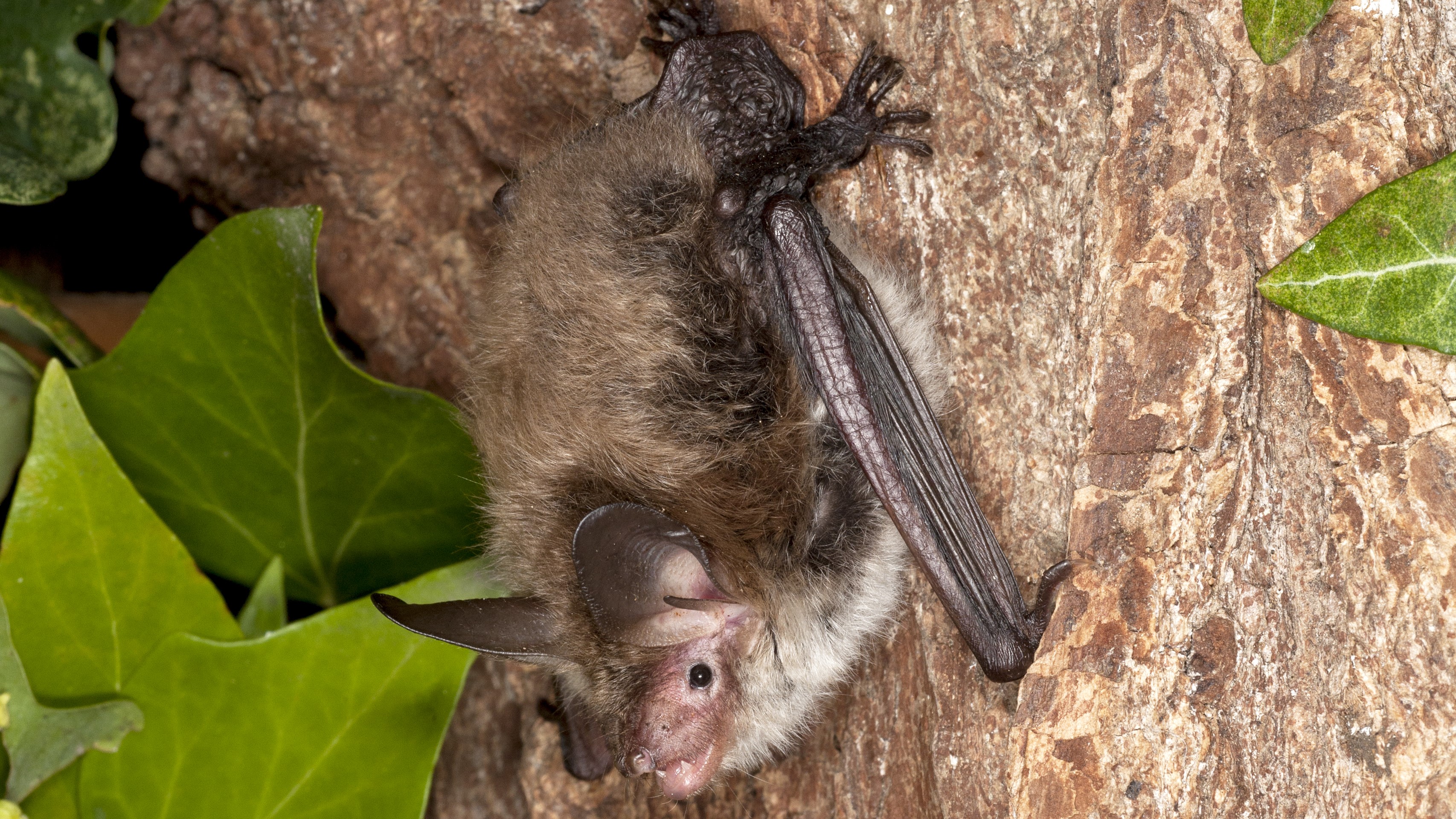
All 18 species of bat in the UK hibernate over the winter months. This starts with periods of power-nap-type torpor, which they come out of to forage if necessary. Bats don’t make nests, instead utilising existing spaces to roost. For some, this is an open space such as a cave or a garden shed, whilst others prefer tiny crevices such as cracks in trees. For this reason, dead wood and thick, sturdy vegetation, such as Ivy, provide excellent bat habitat.
Insects
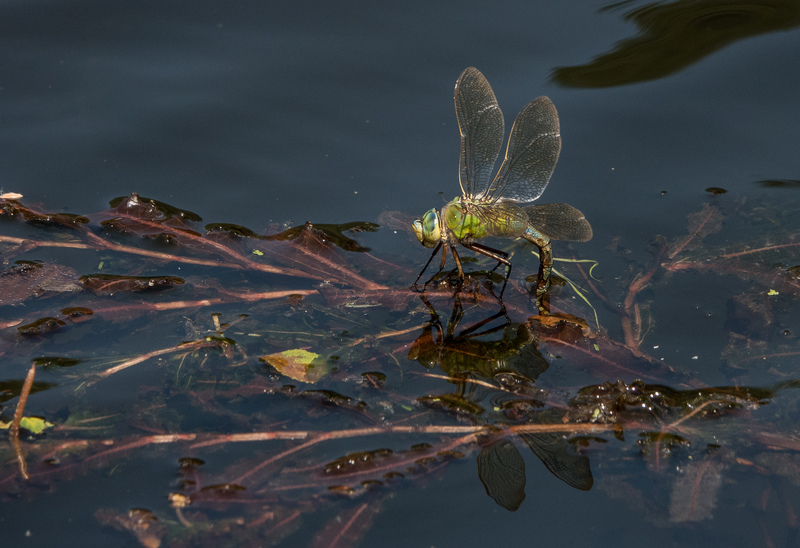
Although we don’t see many during the winter months, the season is no less critical to the insect life cycle. Several species of dragonfly lay their eggs to overwinter in rotting waterside or just-under-the-surface vegetation. The caterpillars of some butterflies bury into leaf litter to hibernate. And queen bees, bellies full of nectar, will hide in loose soil to wait out the winter. Their presence may be muted in contrast to their bright and beautiful summer performances but ensuring a space for insects at these most vulnerable times is putting in the groundwork for healthy populations when spring comes.
Humans are an ingenious and dynamic species, and as a nation of nature lovers many of us enjoy putting in the hours to provide for the wildlife we share our environment with. However, sometimes it’s a case of letting nature take the lead and witnessing the amazing processes that take place if we take a step back and leave it alone. Plus, it gives us more time to engage in another favourite British pastime; having a nice sit down and a cuppa.
To give wildlife an extra helping hand, there are many ways to create additional spaces for wildlife, including Hedgehog houses, reptile hibernaculums and bat boxes.