
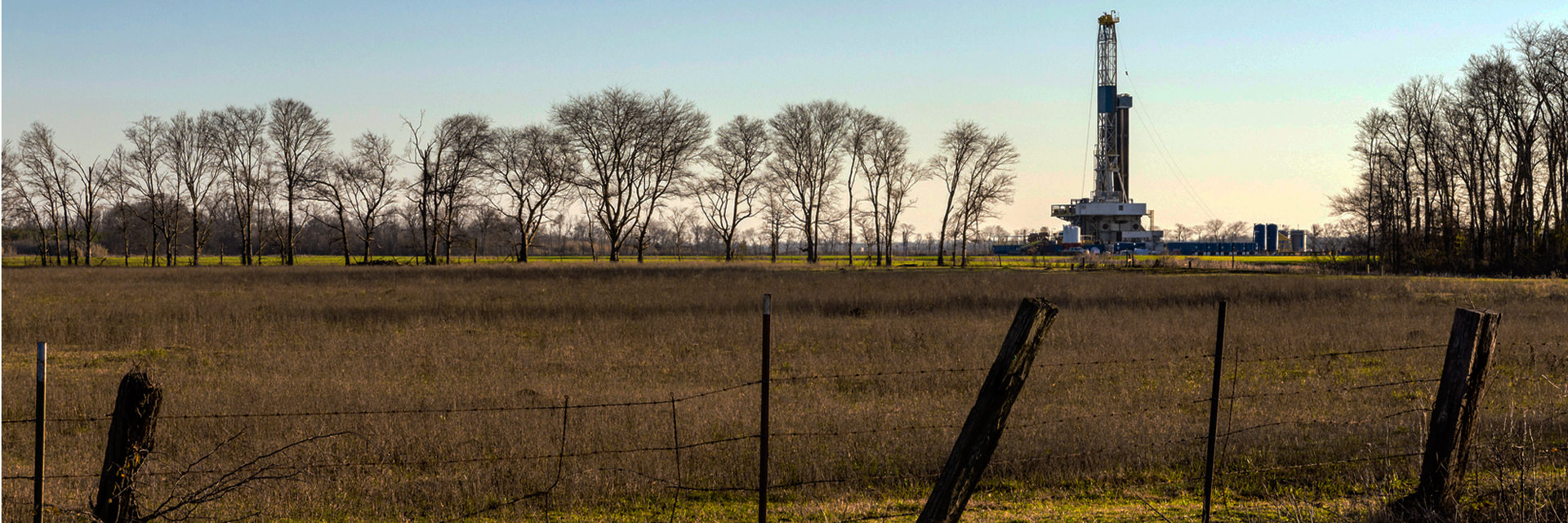
Fracking
***UPDATE The new prime minister Rishi Sunak, confirmed on 26th October 2022, that he will stand by the Conservative Party 2019 manifesto to maintain the ban on fracking***
The UK government announced a moratorium on fracking on the 2nd November 2019. A moratorium means a ‘temporary ban’ but is often a clear step towards a permanent ban.
Within days of taking over Government, new prime minister Liz Truss announced on the 8th September 2022 that government plans to lift the ban on fracking. This decision will do nothing to tackle the root cause of the energy crisis or address energy bills. Instead this statement demonstrate the Government’s willingness to break its manifesto promise on fracking and climate change.
Sussex Wildlife Trust is opposed to fracking due to the conflict with our legally binding commitments to reach net zero by 2050 and its wider environmental impacts.
We will keep our web pages updated as more details emerge
What is Fracking?
Advances in technology appear to have made the extraction of shale gas commercially viable in the UK. Shale gas is seen by some as a way of bridging the gap between fossil fuels and low carbon energy. The gas held within shale beds is accessed through a technique called hydraulic fracturing or "fracking". This process involves drilling a borehole vertically for about 2km which is lined with a steel and concrete casing. Horizontal drilling then stretches the well along the gas baring shale layer and explosive charges are used to perforate the casing here. A mixture of water, sand and chemicals is pumped down through the borehole at high pressure. This mixture is forced through the perforations in the casing, causing the shale outside to fracture and so release the gas.
What does the process involve?
A commercial scale shale gas operation will require a number of well-pads, each around 2 hectares in size, where the pipes are brought to the surface. Each well-pad can contain up to 10 wells and well-pads may be spaced about 1 km apart. Estimates of the likely number of wells in Sussex vary widely. The typical lifespan of a well is 20 years, but fracking may need to be repeated at intervals to maintain production levels.
Estimates of the amount of fresh water needed per frack vary widely, but the average seems to be approximately 8 million litres. About a third of the 'waste' water, containing treatments, sands and other chemicals is returned to the surface and requires safe disposal. The remainder stays underground within the rock. Naturally occurring pollutants such as NORMS (Naturally Occurring Radioactive Materials) are likely to be displaced during the process.
Environmental Impacts
Many concerns have been raised about environmental risks associated with the fracking process. The Trust considers that the most significant local issues for biodiversity are:
- The climate change implications
- The impact of the footprint of the physical development e.g. buildings, parking areas, waste water storage tanks and well-heads
- The use and management of precious water resources
- The impact from flaring off of gasses and light pollution
- The impact of the transport footprint on the landscape, wildlife sites and noteworthy habitats and species
- The safe disposal of waste