
Archive
-
14 September 2016
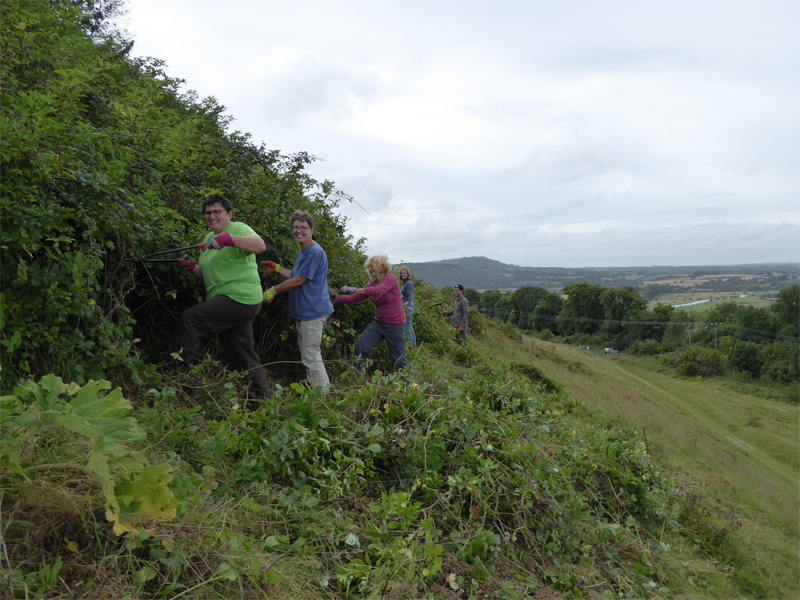
Saturday Hit Squad at Malling Down
Volunteers from the Saturday Hit Squad have been working hard on the South Downs
-
14 September 2016
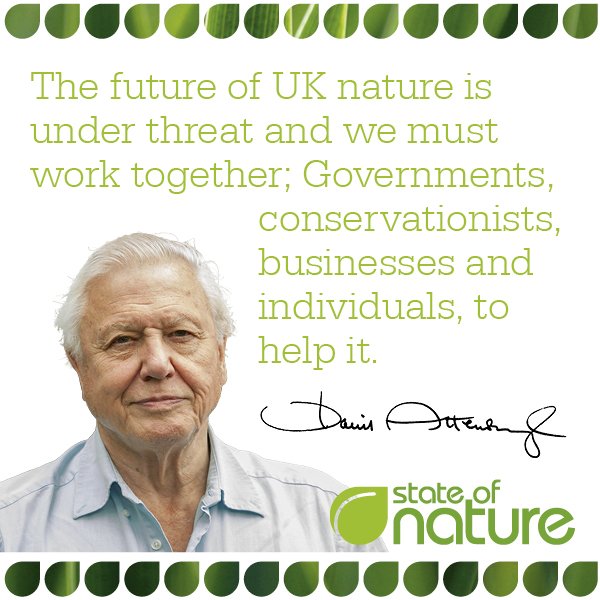
State of Nature
More than one in ten UK species threatened with extinction, new study finds
-
11 September 2016
Remember a Charity Week
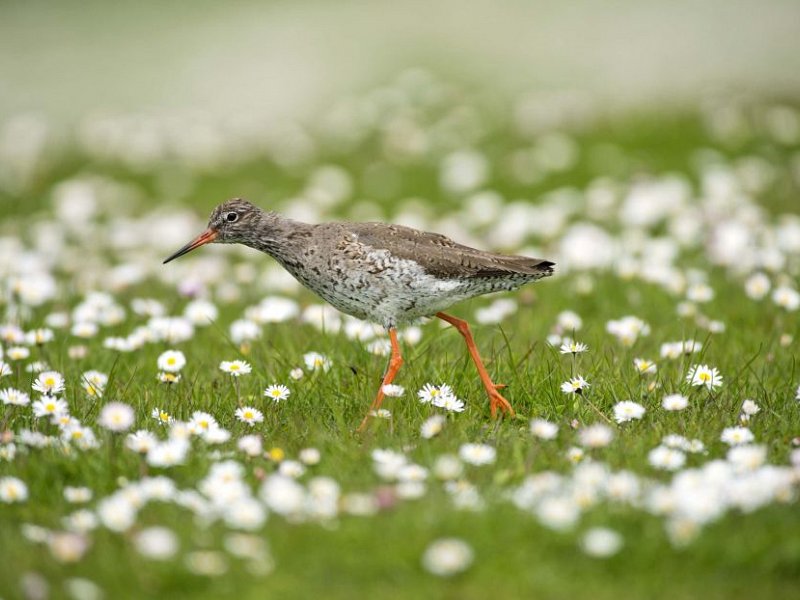
Broadcaster and naturalist Sir David Attenborough is supporting Sussex Wildlife Trust in its quest to protect vulnerable wildlife and the places they live by encouraging local people to find out more about its work this week during Remember A Charity Week (12 – 18 September 2016).
-
10 September 2016
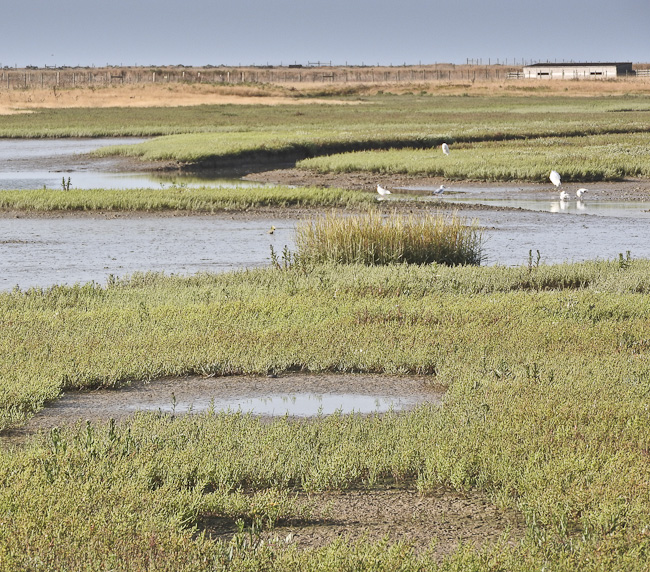
How do you view the countryside?
Is it the beauty of the countryside that appeals to you, or the patterns, or the plants, or animals, or the tranquility?
-
09 September 2016
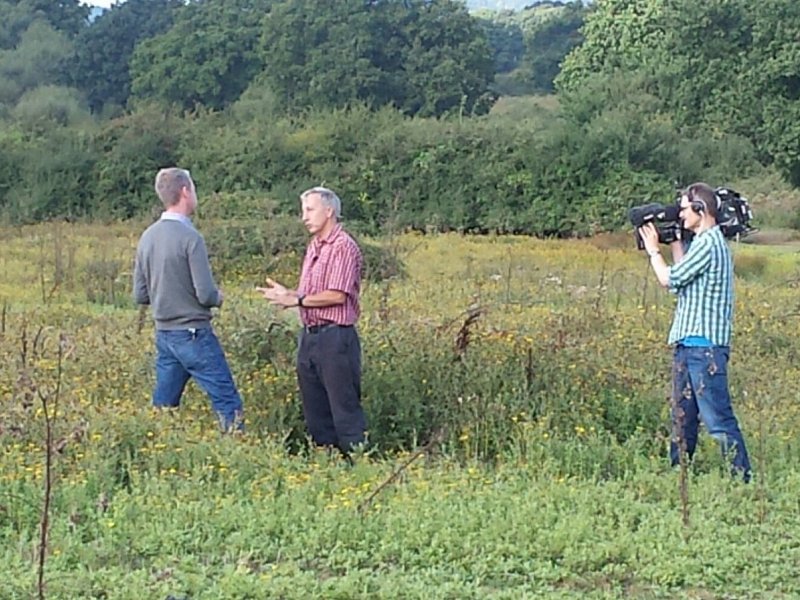
Rewilding in Sussex
Watch Dr Tony Whitbread, Sussex Wildlife Trust’s CEO, talks about rewilding at the Knepp Estate in West Sussex, on BBC Breakfast.
-
04 September 2016
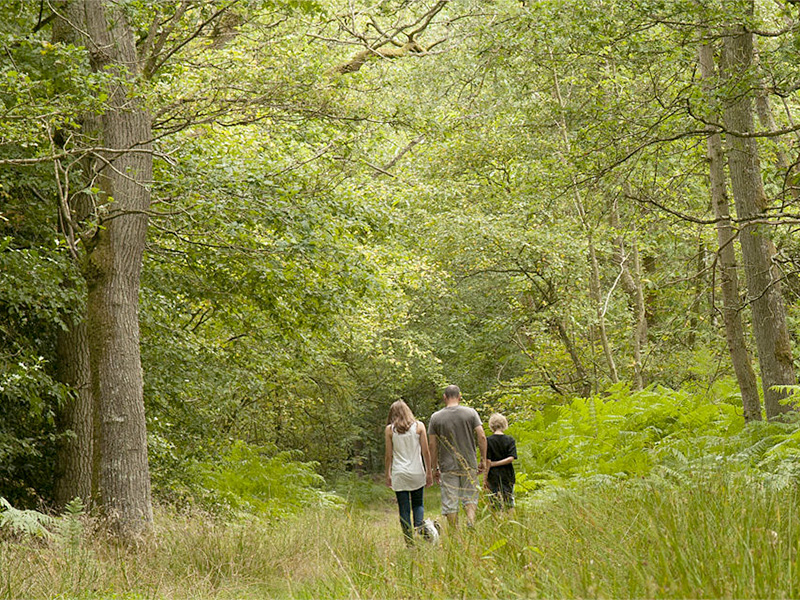
Pledge for the Environment
Ninety percent of the people in the UK agree that our wellbeing and quality of life depend on nature.
-

02 September 2016
Filsham Reedbed benefits from Biffa Award grant
Work starts this autumn at this Site of Special Scientific Interest (SSSI) between Bexhill and Hastings
-
01 September 2016
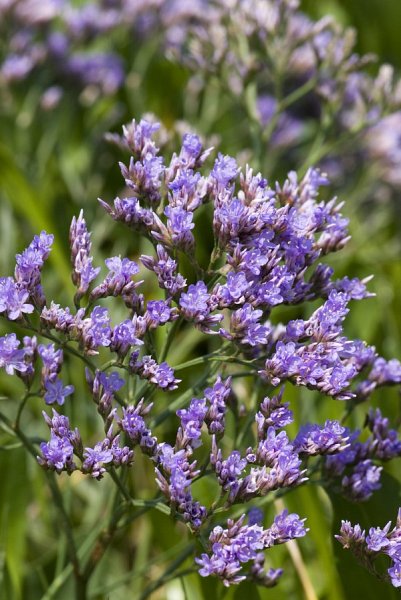
August 2016: Rye Harbour
August saw the addition of yet another plant species to the reserve list with the discovery of a single plant of common sea lavender near the Mary Stanford lifeboat house on the 25th.
-
31 August 2016
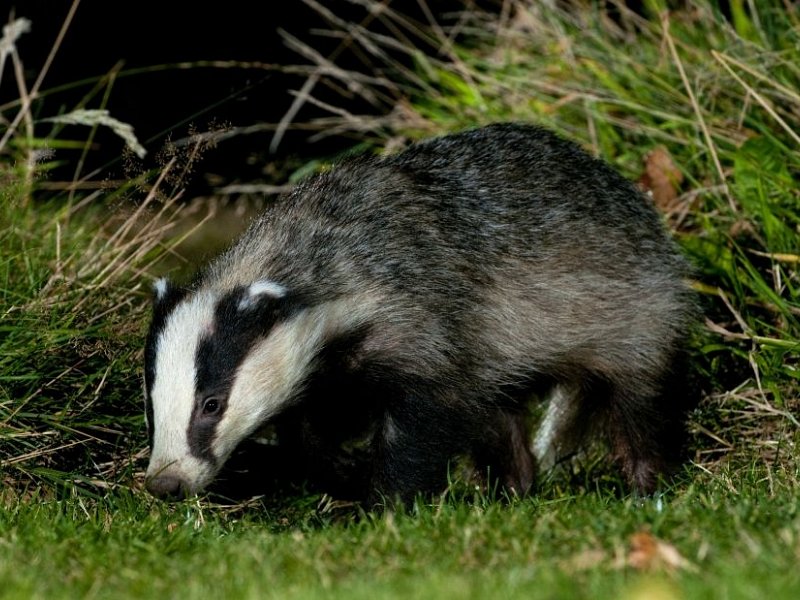
New badger cull petition launched on government website
The Wildlife Trusts’ supporters voice opposition to cull
-
31 August 2016
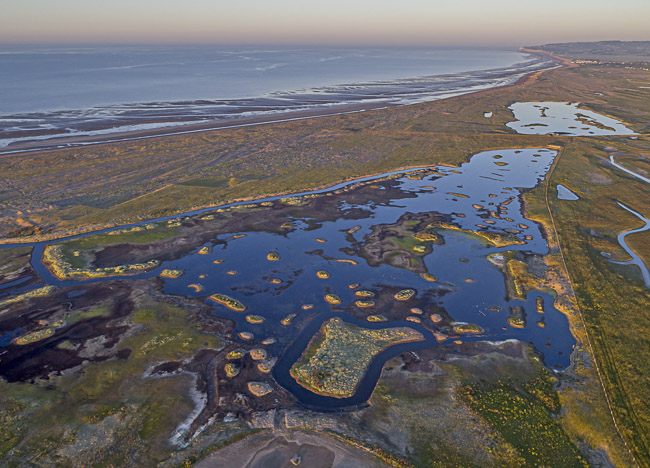
A bird's eye view of Rye Harbour nature reserve
Amazing drone footage of Rye Harbour nature reserve and Camber Castle
-
30 August 2016
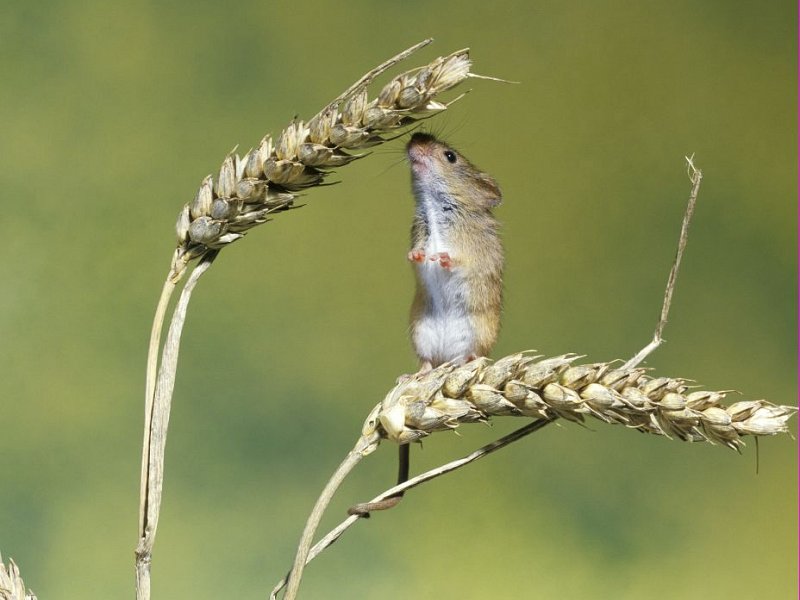
Wildlife Courses and Walks in September 2016
Michael Blencowe looks forward to the Sussex Wildlife Trust’s wildlife courses, walks and talks in September
-
29 August 2016
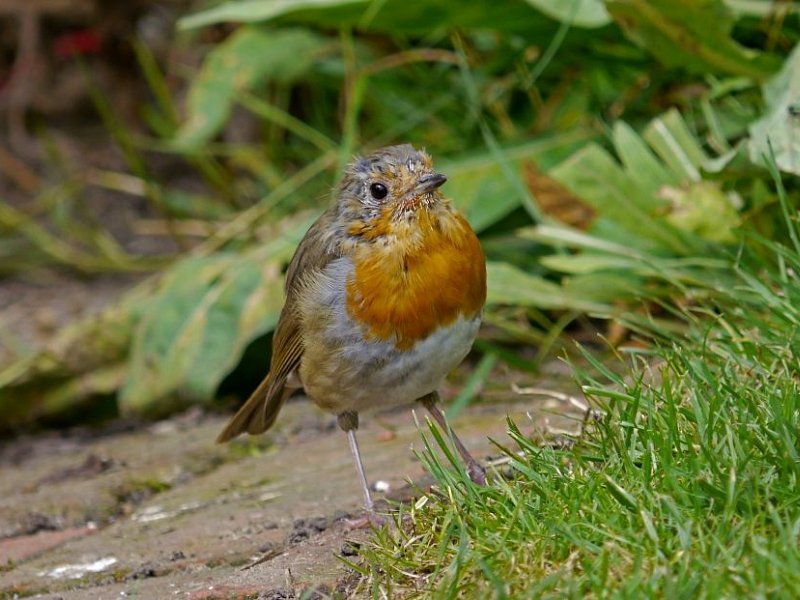
Where have all the birds gone?
At this time of year people often wonder where all the birds have gone and are concerned they may have been predated or wiped out by a disease.