
Where have all the birds gone?
During spring birds certainly put on a good show. At first we enjoy the cacophony of bird song surrounding us during the breeding season. Then we can spend time watching busy parent flying back and forth to their hungry chicks from dawn ‘til dusk. Finally there’s the joy of seeing fluffy little fledglings taking their first flight into the world. By the summer we have got used to regularly seeing birds on our feeders and in hedgerows and then they suddenly disappear!
At this time of year people often wonder where all the birds have gone and are concerned they may have been predated or wiped out by a disease. In reality nothing quite so dramatic has happened. The birds are still around; they are just hiding away whilst they spruce themselves up ready for winter.
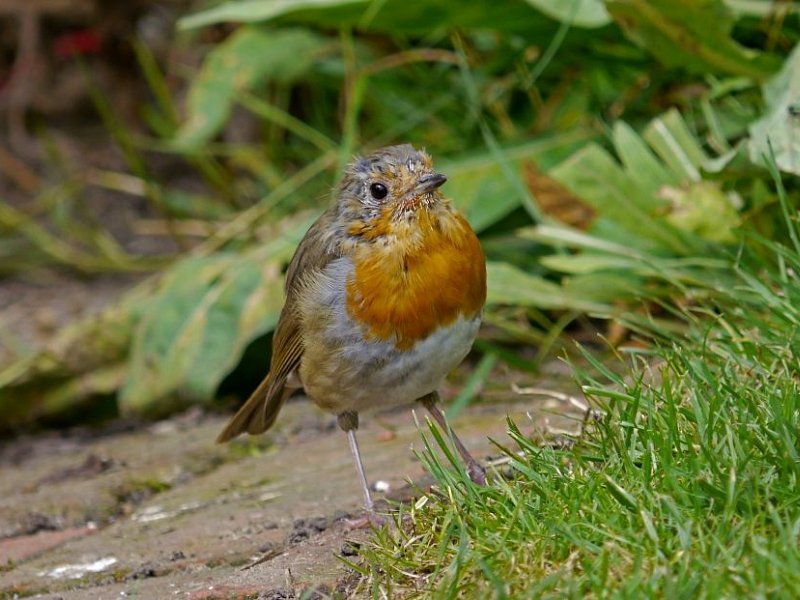
Feathers aren’t indestructible. They get damaged, discoloured and weaken during a bird’s busy year. So after a while worn out feathers need to be replaced. This is a natural process called moulting.
August is primetime for bird moulting. Replacing all your feathers is an extremely energy draining experience so birds save it for when they are less stressed – after breeding and before migration. August is also very warm so the birds don’t get too cold and there is still plenty of protein rich food about.
The feathers don’t all fall out at once. This would leave birds unable to fly and very, very cold! Instead each feather is gradually replaced one by one. During the moult birds have less energy and it’s much harder for them to fly. This makes them very vulnerable to predators so they spend most of their time hidden in vegetation trying to be as inconspicuous as possible.
Most garden birds take about 6 to 8 weeks to completely moult. During this time you can do your bit to help them by providing high energy food in feeders and on the ground near to shrubs and hedgerows where birds may be sheltering. A supply of clean fresh water is vitally important in the hot weather, not only for drinking but also to keep their feathers in good condition by bathing.
Comments
All our garden birds havin disappeared and no food has been eaten for about 3/4 weeks?
24 Aug 2018 10:33:00
I am a wildlife artist living in St. Bees Cumbria, I spend many hours roaming the local countryside taking photographs, mainly birds at this time of year, yesterday and today I have spent approximately five hours walking without seeing any small birdlife whatsoever apart from a Blackbird and Robin, in our village theres are a few but not many. Normally I would expect to see Goldfinch, Chaffinch, Bluetits, Great Tits etc absolutely nothing, could you put my mind at rest and let me know this is not unusual, its the first time Ive been aware of it in sixteen years living at St. Bees.
10 Mar 2025 16:52:00
Sussex Wildlife Trust:
Hi Gordon. Sadly, we are losing many of our common birds as a result of habitat loss, climate change and a lack of food source - but that's not to say this is necessarily why you haven't spotted many birds on your walk. In Sussex, we have just had a cold snap after a period of rather warm weather, which could contribute to birds hiding away again. Cumbria Wildlife Trust may know more: https://www.cumbriawildlifetru....
Do the birds shelter in nesting boxes? If so I won’t clean them out yet
28 Jul 2026 09:51:00
Sussex Wildlife Trust:
Some birds may use nestboxes for shelter rather than breeding, but outside of the breeding season. It would be too early to clean out nest boxes now, as it is still the nesting season - September onwards is the suggested time, but given how our seasons are changing it is worth leaving it a bit later, until October before cleaning out nest boxes.