
Archive
-

26 January 2017
Top Ten Sussex Wildlife Trust nature reserves
Here are the Sussex Wildlife Trust’s top ten most well-recorded nature reserves with a few facts and figures and some charismatic species
-

25 January 2017
How many species live on our nature reserves?
The Trust’s ecologist has been going through records and sightings to create a pan-species list for all the species found on Sussex Wildlife Trust’s nature reserves. The results are impressive…
-
23 January 2017
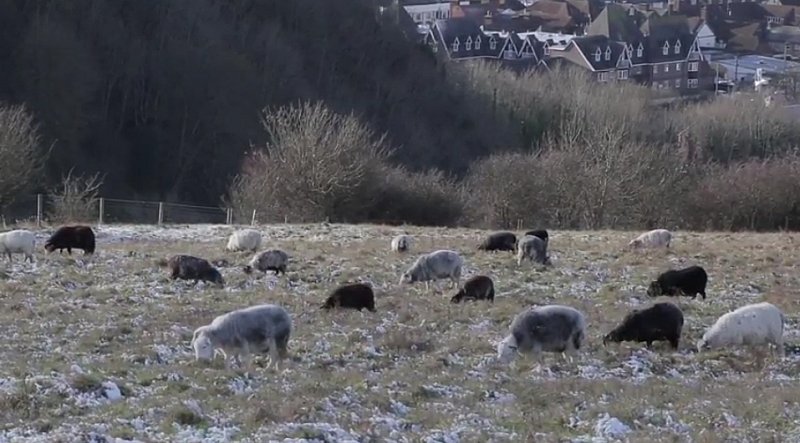
VIDEO: Dog attacks on Sussex Wildlife Trust nature reserve
The Trust’s Head of Land Management talks about recent dog attacks and the role of conservation grazing in this short film.
-
19 January 2017
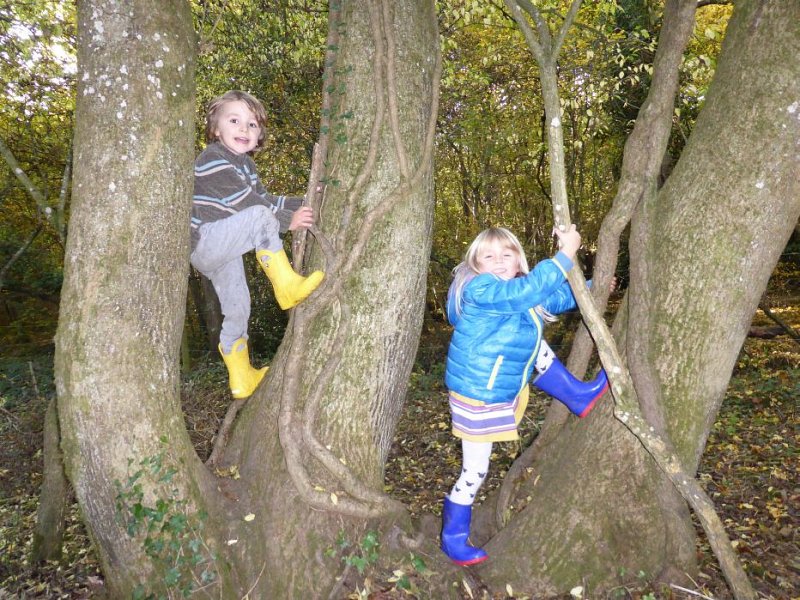
Nature Tots springing up across Sussex
Sue Curnock is looking forward to welcoming a new crop of Nature Tots for outdoor family fun and games in the woods this spring.
-

18 January 2017
Up and running
The Trust has set up a new volunteer group in Brighton
-
16 January 2017
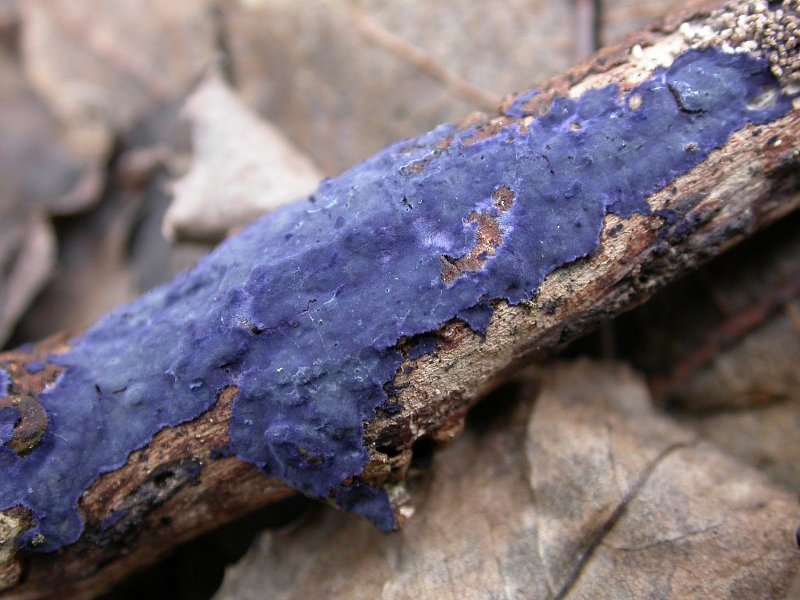
Zero to Hero
The Deneway nature reserve in Brighton, had no wildlife records, our ecologist visited the site to change that and was surpised at what he found…
-
12 January 2017
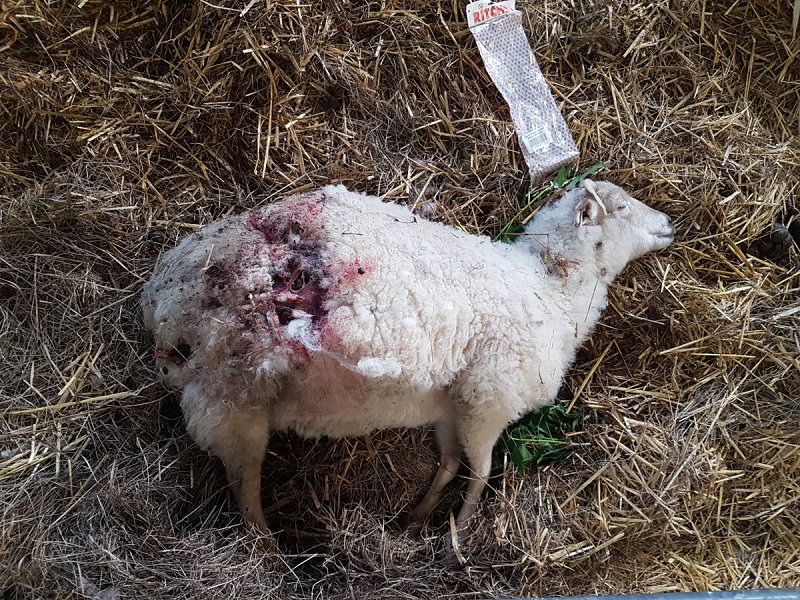
Dogs kill sheep on nature reserve
Five sheep were killed in dog attacks overnight at our Malling Down nature reserve near Lewes.
-
08 January 2017
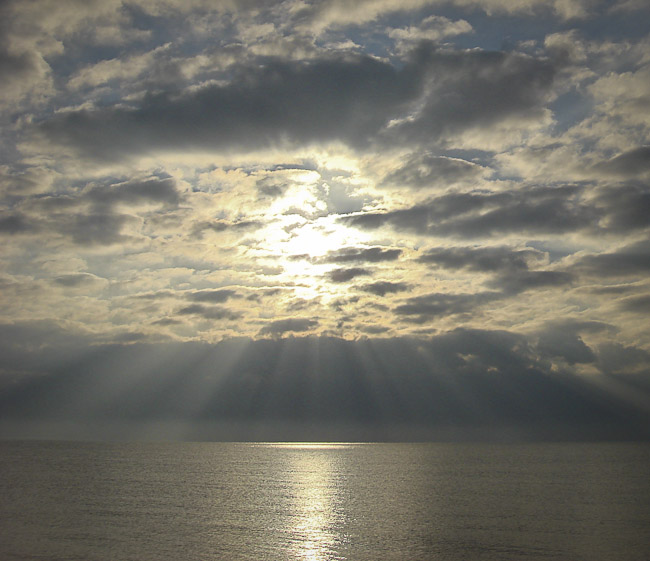
2016 Weather was sunny, warm and dry.
Records from the Hastings Meteorological Station supplied by David Powell
-
08 January 2017
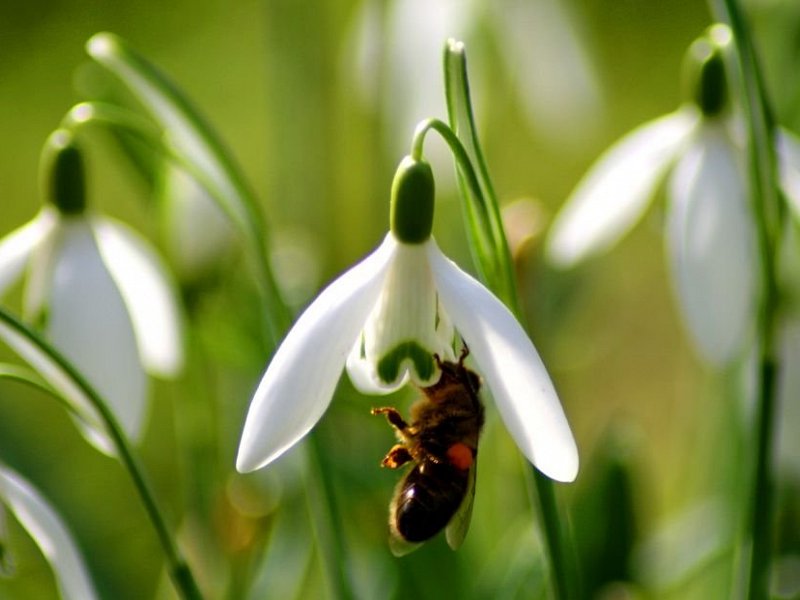
Snowdrops - a sign of spring
Snowdrops are often the first sign of spring and a sure indication that milder weather is on its way. If you are out and about in January it’s not too early to see clusters of bright white bell-shaped flowers in woodlands, parks, gardens and churchyards.
-
05 January 2017
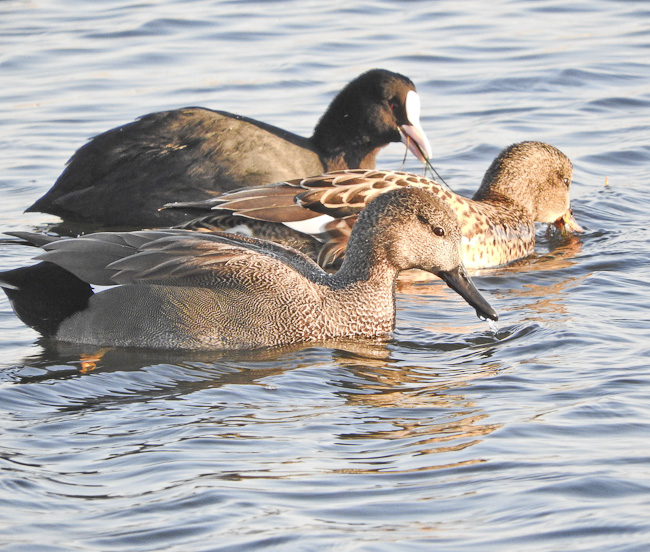
Coot are feeding hundreds of duck!
How do coot help wigeon and gadwall to survive?
-
04 January 2017
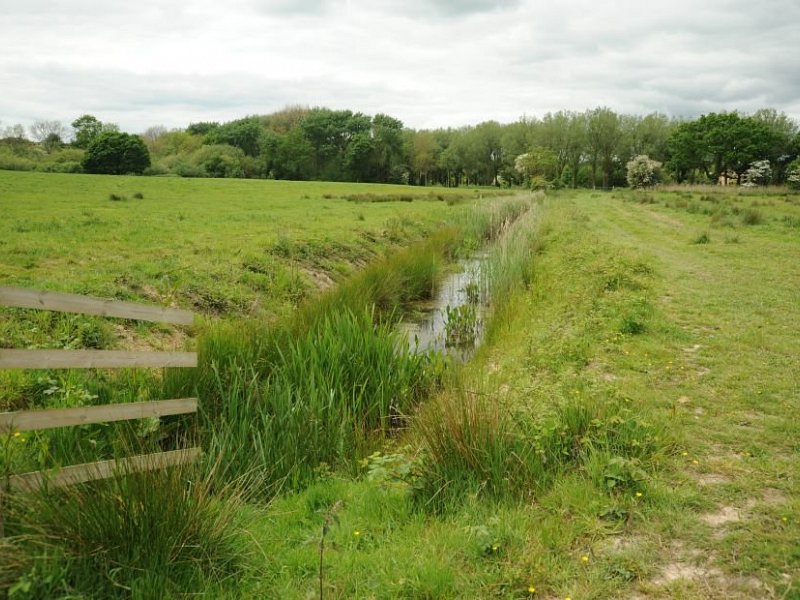
The future of the natural environment after the EU Referendum
A new report by a parliamentary committee published today warns Government that environmental protections must not be weakened after Brexit.
-
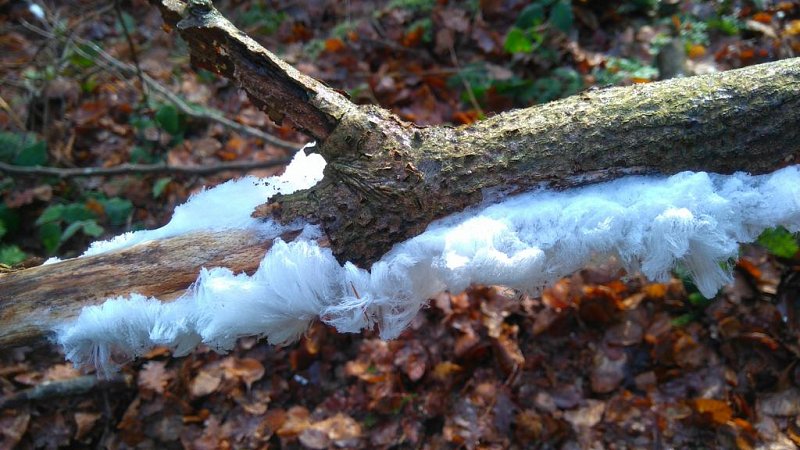
03 January 2017
Hair ice
This unusual ice formation, known as hair ice or frost beard, was spotted by our Reserve Manager at Eridge Rocks nature reserve in the High Weald.