
Archive
-

06 August 2019
Hydroids and Bryozoans: The Weird and Wonderful
Sussex Wildlife Trust was happy to host a specialist marine identification course for our volunteers
-
01 August 2019
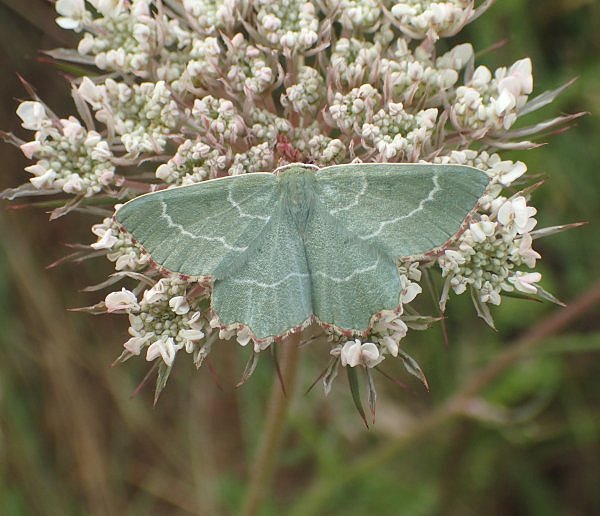
July 2019 - Rye Harbour Nature Reserve Sightings
Highlight this month has been the relatively large numbers of Sussex Emerald in the moth trap…
-
31 July 2019
The language of the land
In a world which is inundated by emoji’s, texts, emails, podcasts, tweets, blogs, chats, posts, etc, it can be hard to hear the language of the natural world around us. Fran Southgate writes about the power of words in nature conservation.
-

30 July 2019
Black and white butterflies
Some of our most beautiful butterflies are the least colourful. Shying away from the garish yellow of the Brimstone and the exuberant red of the Peacock, the whites have chosen a sleek, minimalist look.
-
29 July 2019
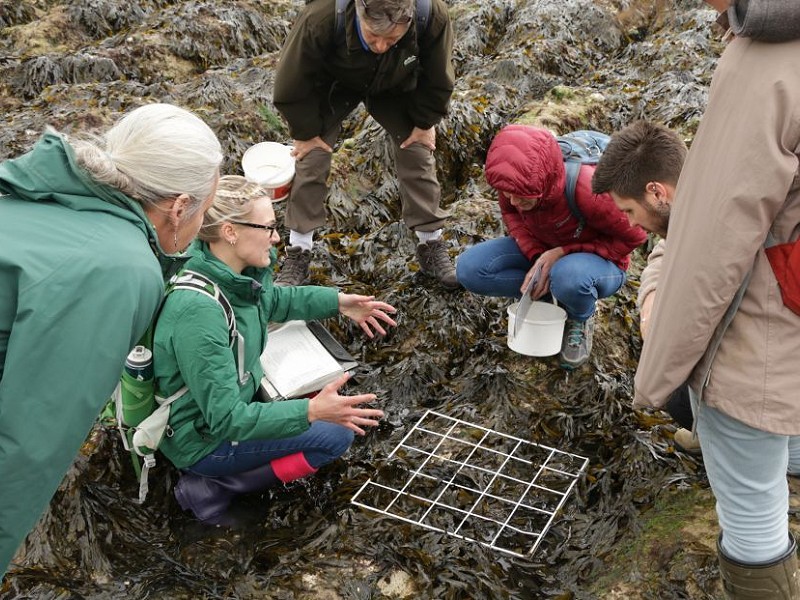
Citizen Science: The importance of marine data
Shoresearch, our volunteer citizen science project for recording and monitoring on the intertidal zone of our coastline.
-
27 July 2019
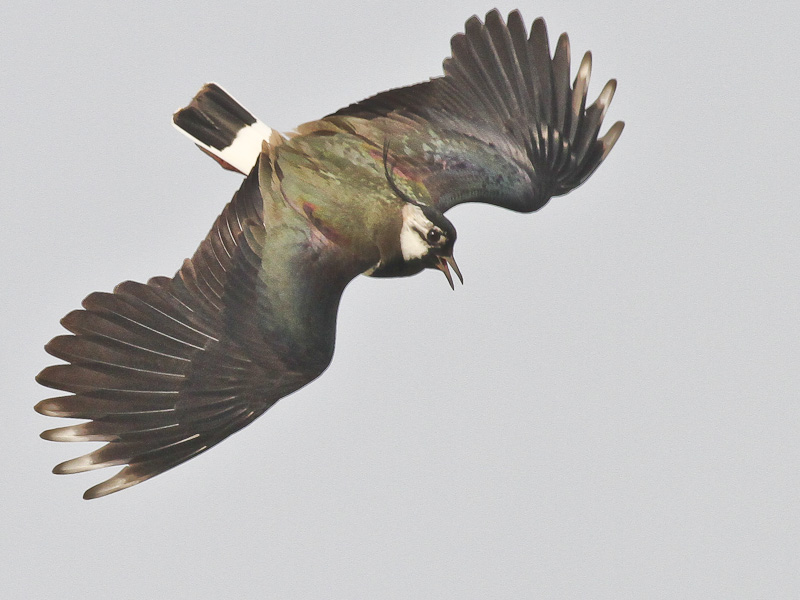
Waders at Rye Harbour and beyond
Waders are such special birds and their evocative calls can take us back to the wild places where we first heard them…
-

26 July 2019
National Marine Week 2019
National Marine Week is our annual celebration of the sea and the amazing wildlife that lives there.
-
25 July 2019
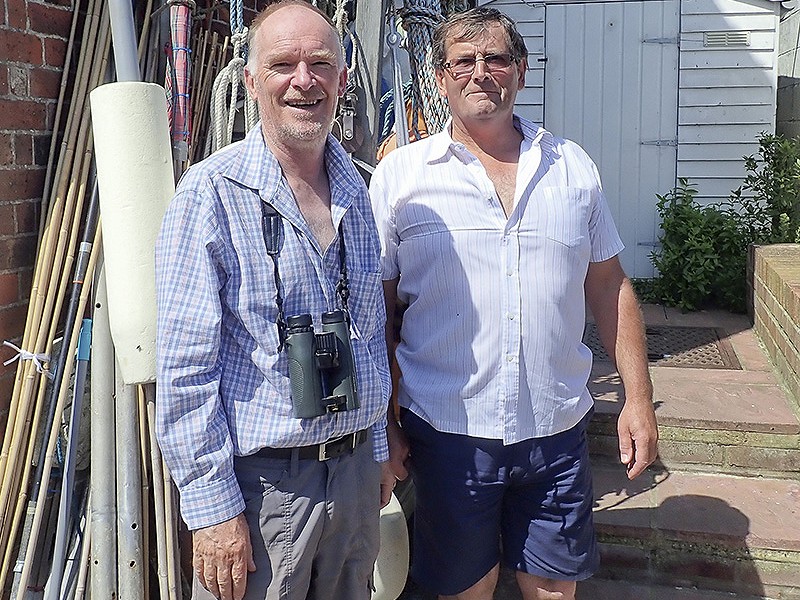
The fishermen who collect litter at sea
We speak to local fisherman John Botterell, whose family collect rubbish from the sea as they fish.
-

24 July 2019
Sundews
The sundew is a carnivorous plant found growing in Sussex
-
24 July 2019
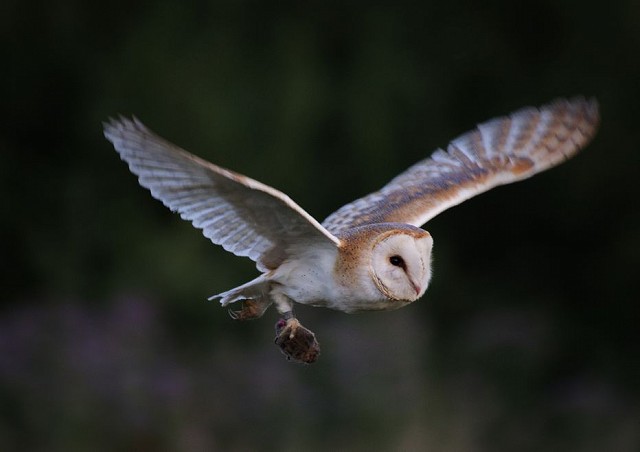
Wildlife Walks, Talks and Courses in August 2019
Michael Blencowe looks forward to the Sussex Wildlife Trust’s wildlife courses, walks and talks in August
-
23 July 2019
Sussex Emerald at Rye Harbour
The Sussex Emerald moth is a very rare beast in the UK, with breeding traditionally restricted to the disturbed shingle habitats at Dungeness in Kent
-
23 July 2019
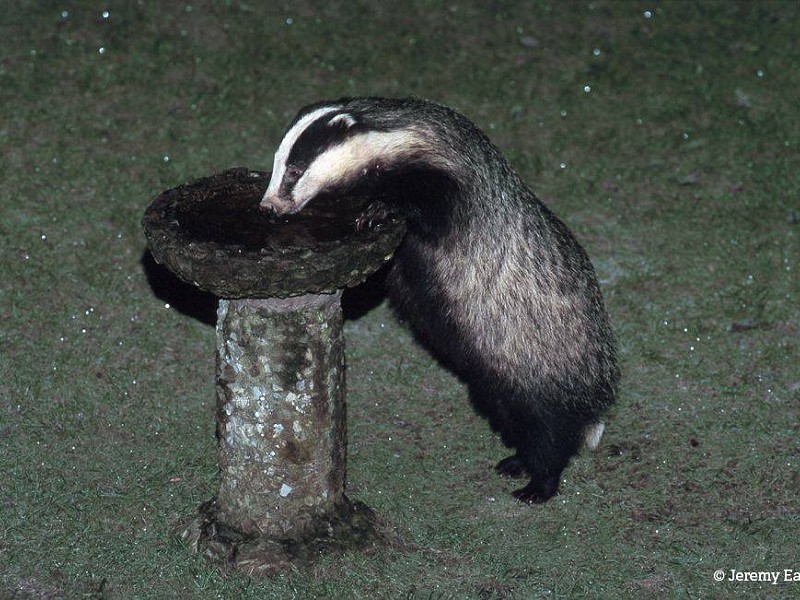
Three ways to help thirsty wildlife during hot weather
Three ways to help thirsty wildlife during a heatwave