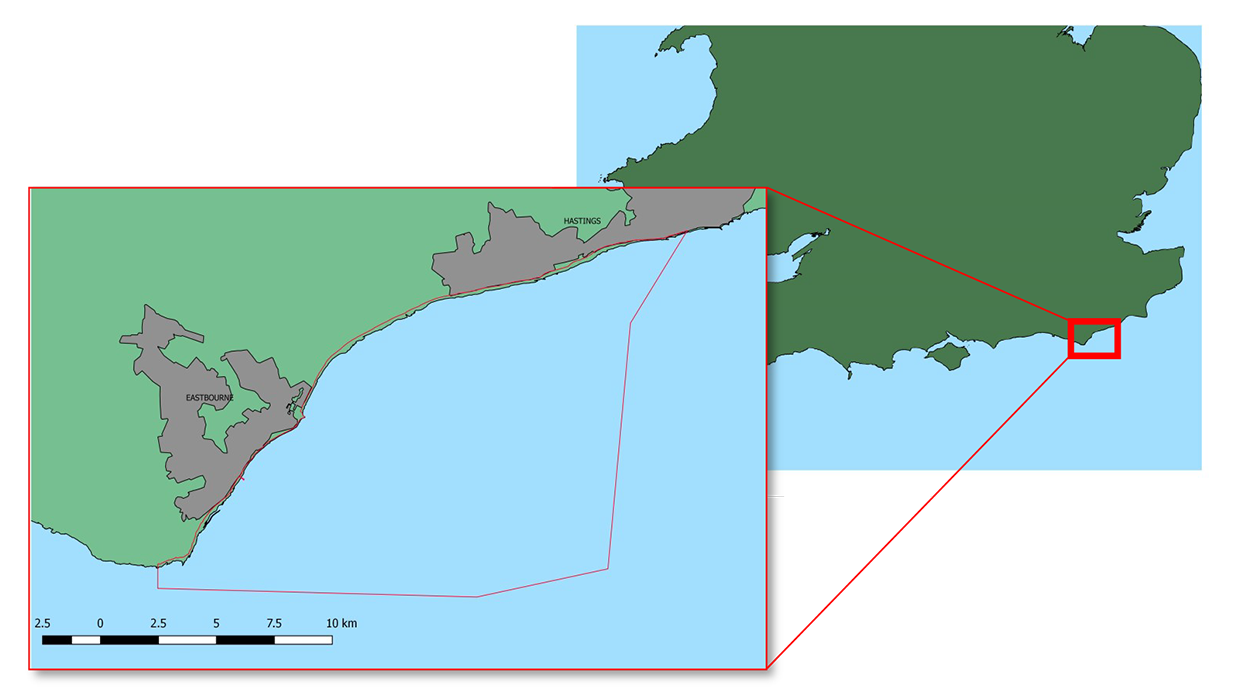
This is a relatively large, inshore site which is approximately 193 square kilometres in area and includes a variety of habitats and substrate types; the area extends up to the mean high water mark on land and out to just over six nautical miles from the coast at its furthest point.
The area is well known for the Royal Sovereign Shoals, a region of sandstone and chalk reef which creates a wildlife-rich area home to a variety of encrusting and mobile life, including sponges, soft corals, anemones, starfish, crabs and many species of fish.
The area is also recognised for biogenic reefs which are three-dimensional formations created by animals. Blue mussels and ross worm reefs are a good example of this, creating a hard structure on the softer sediment known as a mussel bed; this then provides a habitat for other species which would not be found on the soft sea floor otherwise.
Key Features
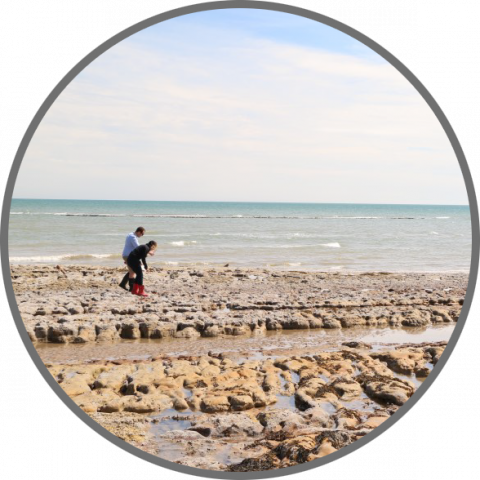
Peat and Clay Exposures
Sea beds formed of peat or clay are uncommon.
On the shore, these habitats are characterised by the presence of piddocks - these are bivalve molluscs which bore into the soft rock.
photo: Sam Roberts
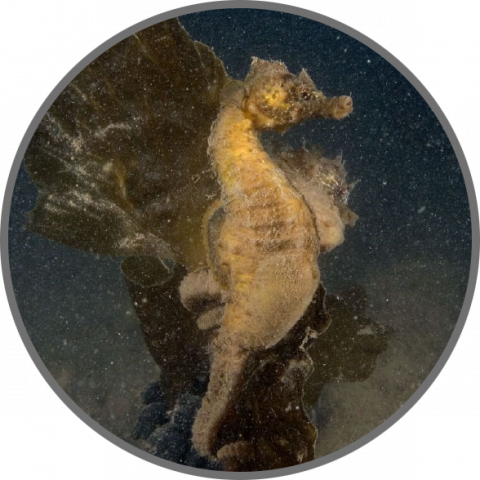
Short-snouted seahorse
These creatures can be found in shallow water over then summer months, attached to seaweed or seagrass.
Seahorses form faithful partnerships with mates, ritually ‘dancing’ together to reaffirm their bond.
photo: Paul Naylor
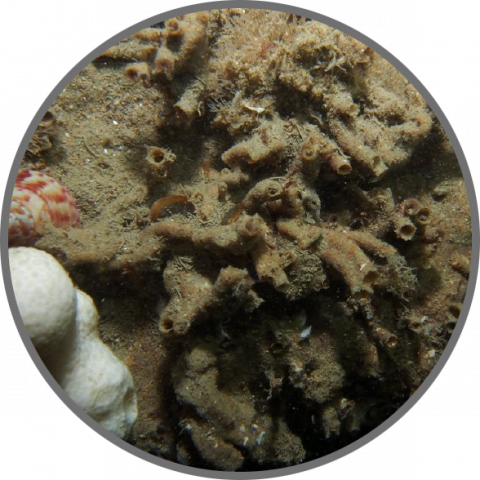
Ross Worm Reef
These worms build a tube to live in out of sand and shell fragments.
In high enough numbers, these creatures can form a reef complex, creating a habitat.
photo: Charlotte Bolton
Subtidal Chalk
Here in Sussex we have some of the largest areas of subtidal chalk in the UK. This habitat is important for marine life, particularly in deeper water where reefs and caves can be formed.
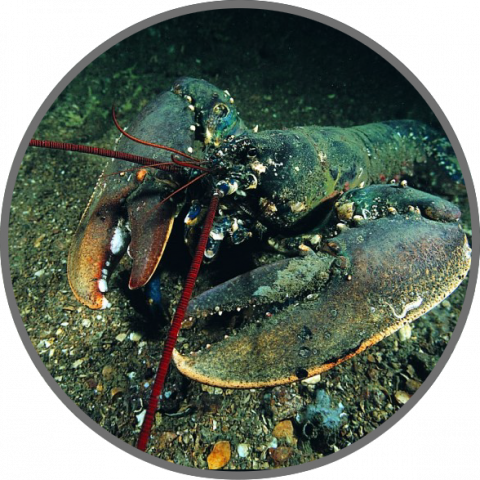
photo: common lobster / Paul Naylor
Cookie settings
We use cookies to collect and analyse information on site performance and usage, to improve your browsing experience and show personalised content. You are free to manage this via your browser settings at any time. To learn more about how we use the cookies, please see our cookie policy.