Marine Review 2023
By Sarah Ward
Living Seas Officer
The Wildlife Trusts have just released our annual Marine Review where we highlight tales of hope and heartache through spectacular encounters, conservation successes and challenges for marine and coastal wildlife in UK seas.
The highs and lows for 2023 include:
- Bait ball feeding frenzies dominated by Atlantic Bluefin Tuna, Humpback and Fin Whales
- First ever Highly Protected Marine Areas designated in the UK
- Danger from human disturbance, pollution and avian flu
You can read the full story here
In Sussex, we highlighted two successes: the designation of Dolphin Head as one of England’s first Highly Protected Marine Areas, and our fishing gear recycling programme, which is creating routes for recycling of end-of-life fishing gear which would otherwise be destined for landfill.
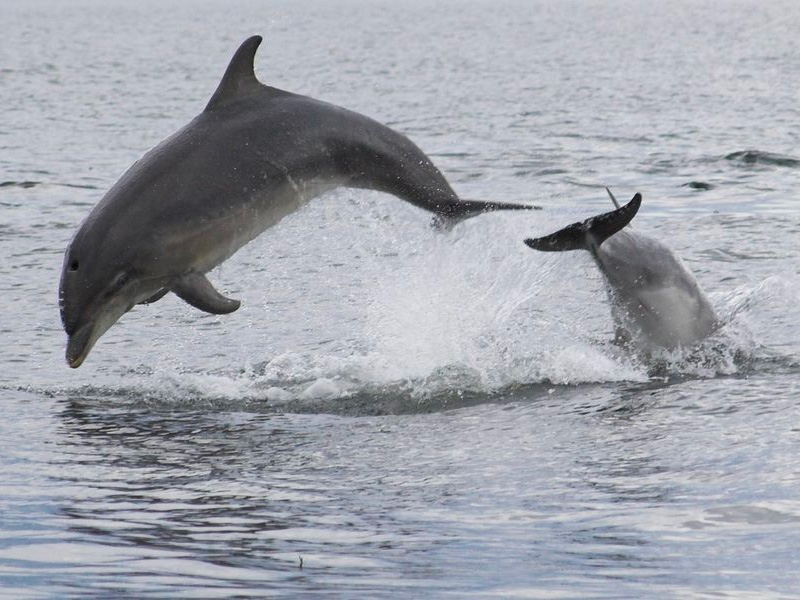
Dolphin Head
Dolphin Head was designated earlier this year alongside two other sites as a Highly Protected Marine Area (HPMA). The site covers an area of 466Km2, lying approximately 55Km from the Sussex coast – and will see all damaging activity in this vast area prohibited. Following decades of bottom-towed trawling, we know the site is degraded; however, the new protection afforded to the site represents an opportunity to fully recover the ecosystem.
Sussex Wildlife Trust put this area forward for consideration as a HPMA early on in the process so is delighted that it has now been designated. The designation of HPMAs will act as a mechanism for marine recovery and should contribute to the Government’s commitment to protect 30% of our seas by 2030. HPMAs will also act as a natural solution to help store carbon and tackle climate change, as well as generating benefits through tourism, recreation and marine education.
To read more about Dolphin Head HPMA, please click here.
Fishing Gear Recycling
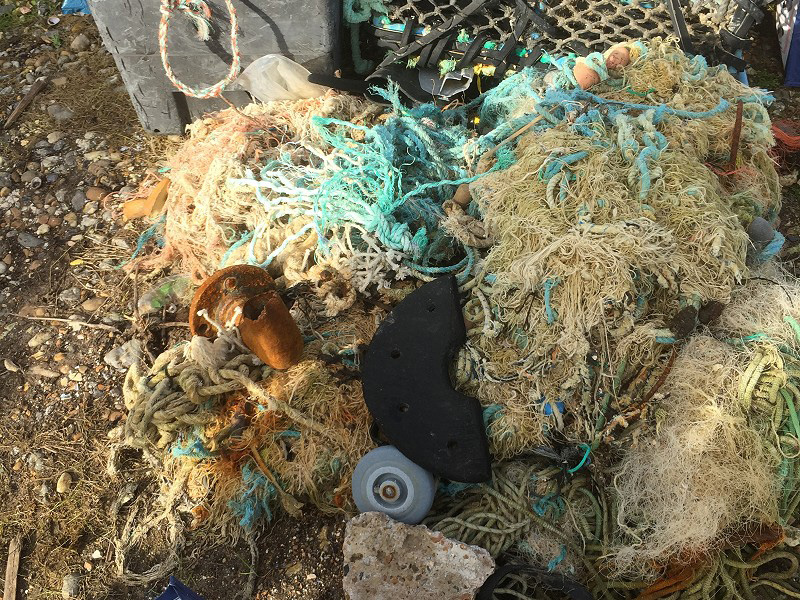
Our fishing gear recycling programme has been established through the Wild Coast Sussex project, thanks to funding from the National Lottery Heritage Fund. We’ve been working with the Sussex fishing communities and Odyssey Innovation to create a mechanism to recycle end-of-life fishing nets which would otherwise be incinerated or end up in landfill.
The nets are collected and then taken to specialist recycling facilities which turn them back into a raw material, which can then be reused to create new resources.
This year, we facilitated three collections from Eastbourne, Newhaven, Shoreham-by-Sea, Bognor Regis and Selsey. These collections added up to 9,600 kg of material, increasing the total collected by the project (so far!) to 22,120 kg.
For further information about the scheme and the Wild Coast Sussex project, please visit here or follow @WildCoastSussex on Instagram and Twitter.