
Good practice in wildlife photography and filmmaking

How to make sure you protect wildlife above all else
Royal Photographic Society, Nature Photographer’s Code of Practice
“There is one hard and fast rule, whose spirit must be observed at all times. The welfare of the subject is more important than the photograph.”
So many people get an enormous amount of pleasure from nature photography – but it’s really important to be mindful of not disturbing or even damaging the wildlife you’re photographing.
There are laws around this – see the links below and at the end.
We also asked a few of the many photographers/filmmakers, who we know to be extremely careful, for their thoughts:
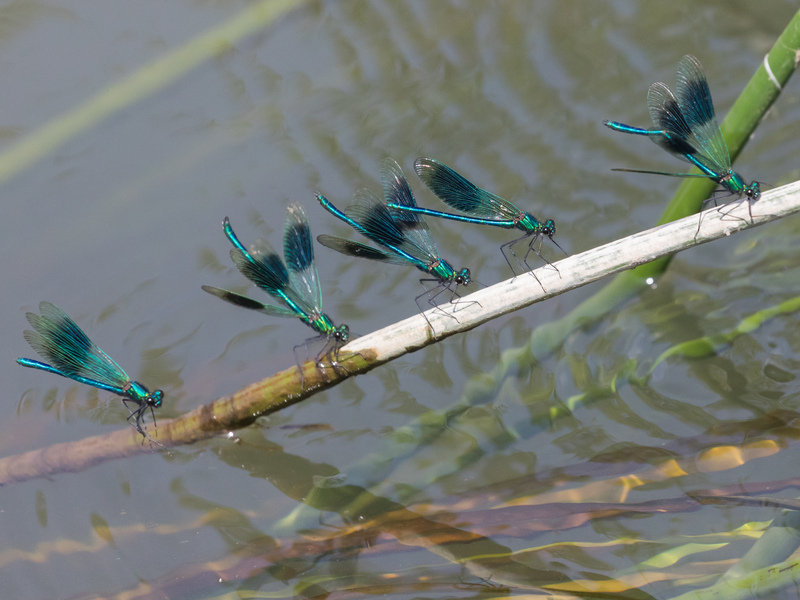
Bob Eade
The welfare of the creature must come first.
Also, I have been amazed how many people often tread all over vegetation with no regard of the plants perhaps being the foodplant. When Long-tailed Blues show up, often photographers, or just watchers, try to get close and flatten the Everlasting Pea foliage, perhaps they are not aware that the plant is host to the feeding larvae, but also the pupa. I sometimes wonder how many pupa are flattened along with the plant. The message should be, watch where you tread!
And don't always broadcast a find on social media. If it is a rarity you never know who or how many people will turn up, and if lots turn up, that will result in damage to the habitat. If it really is either a sensitive subject or area, don't even post a photo until later as someone is bound to prise the info from you. This may not be popular with bird listers, but with care, news can still be spread to locals that will respect the area.
Lisa Saw
Don't get too close. What is 'too close' will differ for each subject. As photographers of larger wildlife species and birds (less so insects perhaps), we usually have lenses that allow us to keep a respectful distance. When using a mobile phone, it's best to be extra careful, especially in the excitement of the moment.
Ideally, you don't want the subject to know you're there. That's why you'll often see photographers wearing subdued 'green' colours or camouflage.
Show respect for other people. That means not overcrowding and maybe moving on to find your own subject, if someone is already photographing something.
Sue Robinson
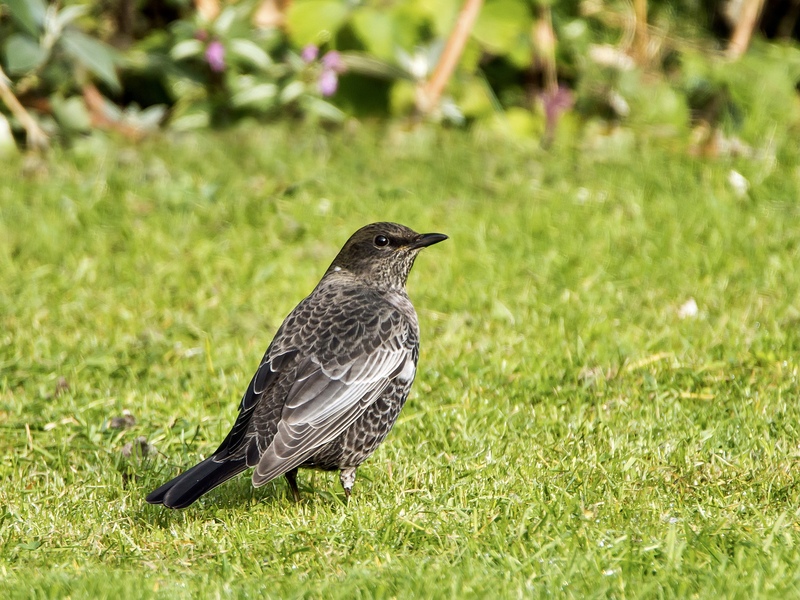
Be as quiet as possible. If a bird or animal is very easily spooked, then wear non-rustle clothing. Walk quietly, speak quietly and only when necessary, and, as most cameras these days have a “silent shooting” mode, consider turning off the shutter sound.
Tom Lee
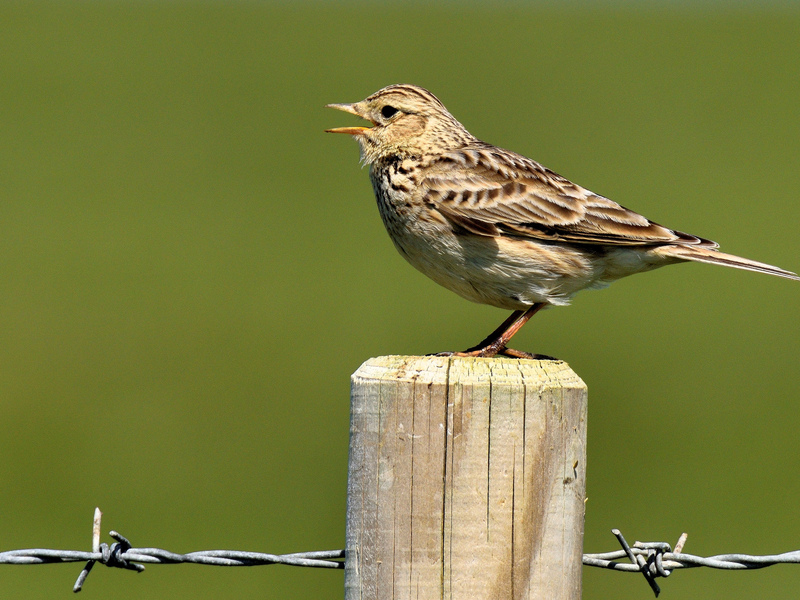
Be patient. Most of my ‘lucky’ shots have been those taken when I have been slow and silent. Sometimes just staying quietly in the same spot for half an hour or so, will bring the wildlife nearer to you.
Don't chase a subject to get nearer. Deer, Badgers, Foxes etc will sense you and not only will you miss the shot, but you’ll spook the creatures.
Consider observing wildlife from a hide. Many wildlife reserves, such as Rye Harbour Nature Reserve, have specialist hides which can give you excellent views and photo opportunities.
Try doing some research into the areas and subjects you wish to photograph. Learning about an animal’s behavioural characteristics can give you a much better chance of success.
Most animals do not like direct eye contact. By not looking them in the eyes and being slow and quiet, you can sometimes get acceptably near for that photograph. A zig-zag, slow approach is more effective and less threatening to the animal, but at the first sign they look disturbed, then back off slowly.
The less disturbance you cause, the more chance you will have of getting a good photo, but I’d rather have no photo than a distressed subject.
Dawn and Jim Langiewicz
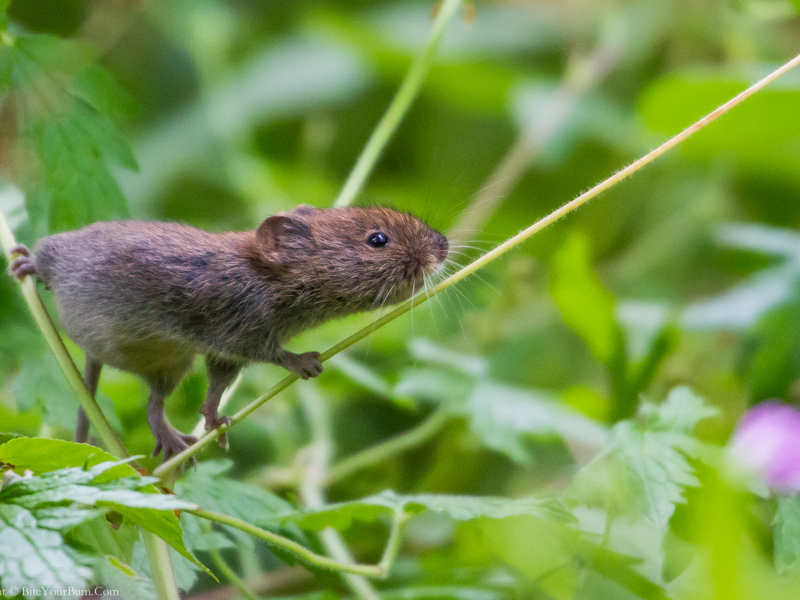
We only have one opinion on this subject: use common sense.
But there a few specific items that are a priority. ALL wild birds are protected by law in one manner or another. Do not disturb birds or get too close especially in breeding season. Read and understand the Wildlife and Countryside Act 1981.
Amy King – ethics in wildlife film making
I think filmmaking is a little different than photography in a few different ways. Mainly, filmmaking is often looking for naturalistic behaviours, which means that there is a greater need to be careful not to disturb a species. There is nowhere to hide in the final edit if you are causing distress.
My two main points when wildlife filmmaking are as as follows:
-Ethics should be at the forefront of planning
-The audience should be in the loop about how stuff is filmed
In the pre-production stage, questions of ethics should be raised early. For example - I would like to fly a drone at a location. But is flying a drone necessary for the story I want to tell? How would flying a drone affect the species I want to film? How would flying a drone affect other species in the area. Is flying a drone in this context legal? Are there other ways I can tell this story without using a drone?
Also - because something is legal, doesn't mean it's ethical. (And to some extent, vice versa, but I'm not condoning breaking the law!)
The other thing to think about is more to do with audience deception. In short, we wildlife filmmakers can feel that it is obvious if something has been shot in captivity, (such as in the original Frozen Planet when Polar Bears were filmed giving birth in a zoo). However, the audience doesn't usually think like a filmmaker, and so can feel deceived when they find out tricks of the trade.
The solution here is to demystify filmmaking techniques by openly talking about it with audiences. This is more of an industry-wide problem, but it's still important to discuss.
I would like to recommend Shooting in the Wild by Chris Palmer.
Further reading
More about filming and photography on our nature reserves
Guide to using drones on our nature reserves.
Comments
Its not only some photographers who disrespect nature…I’ve seen birders with scopes and bins trample all over peoples property to find/relocate a rarity.
24 Feb 2025 09:42:00
Sussex Wildlife Trust:
Indeed sadly true Mali
I am very lucky to live in a pretty rural area. I have been asking the farmers permission to walk along the fields and have been given permission. At one spot had seen hare coursing, and the guys haven’t been back since. On the whole, most around here are sound and have no issues with them, and in return for the farmers allowing me on their land, I inform them of anything that doesn’t look right and photograph any people and vehicles involved. Sadly, some dog walkers can be a pain esp leaving bags of poo and letting their dogs chase deer.
08 Apr 2026 11:46:00