
Archive
-

12 November 2018
Be part of something
As part of #IWill Week, a Youth Ranger blogs about how volunteering has helped them gain confidence and experience
-
11 November 2018
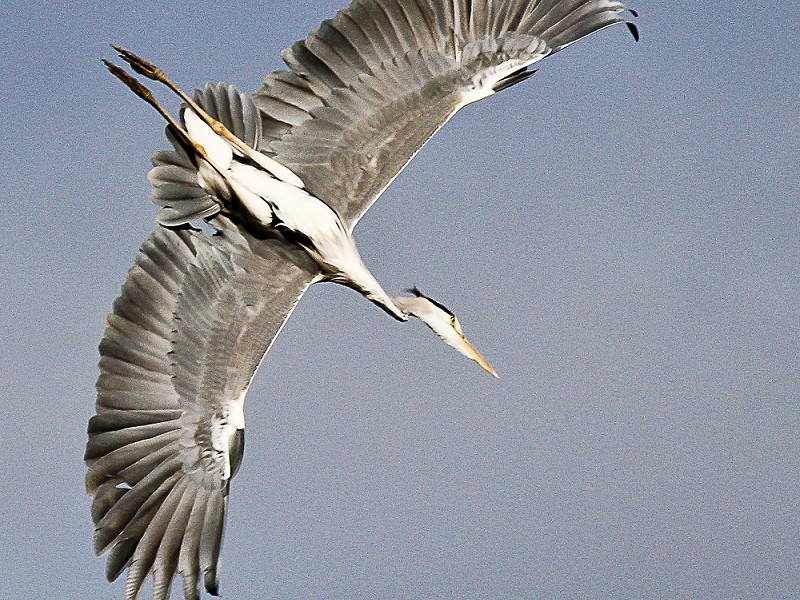
The Rise of the Herons
In the early days of the nature reserve the only species of heron you were likely to see at Rye Harbour was the familiar grey heron, but now…
-
11 November 2018
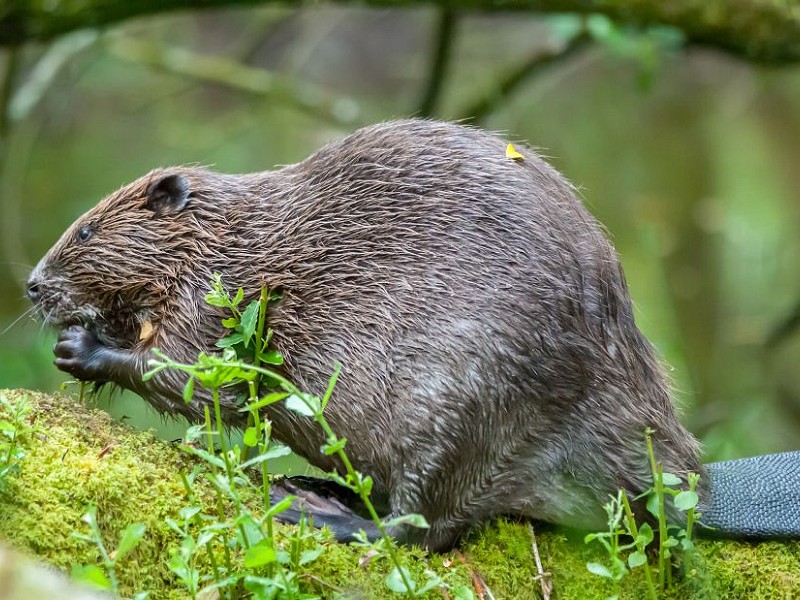
Nature's Engineers
How wildlife shapes our landscapes
-
09 November 2018
Could you be a Sussex Wildlife Trust Trustee?
The Trust is looking to continue to reflect key business skills through its board of Trustees
-

08 November 2018
Lots of Fun with the Rye Harbour Discovery Centre Silent Auction
You can bid for all kinds of fascinating items to raise funds for the Rye Harbour Discovery Centre. The auction ends 9pm, Saturday 17 November, so get your bids in!
-

07 November 2018
Magpie
All corvids are renowned for their cleverness but the magpie has one of the best brains in the bird world
-
06 November 2018
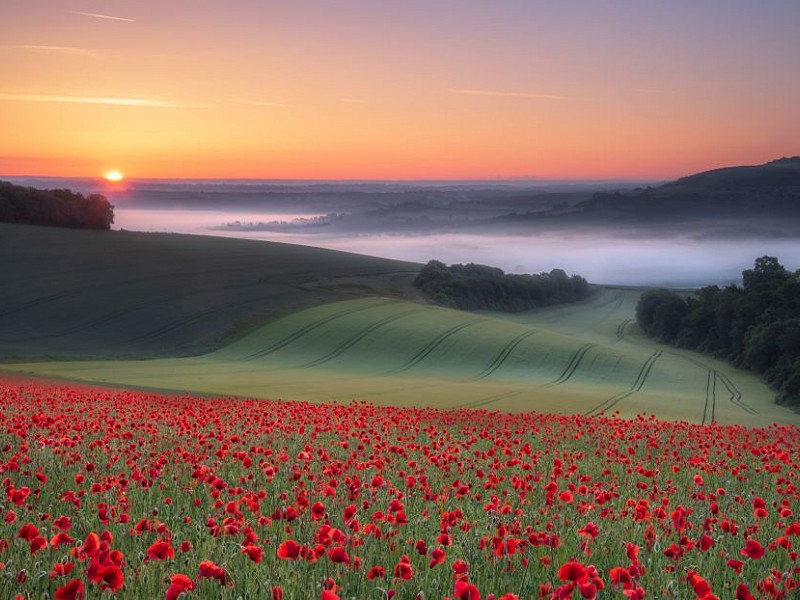
Stunning poppy picture wins online photo competition
As we mark 100 years since the end of World War One this weekend, a stunning picture of poppies wins the Sussex Wildlife Trust online photo competition.
-
06 November 2018
Interview with Photo Competition Winner Jamie Fielding
Jamie Fielding, winner of our 2018 online photography competition, with a stunning landscape image of a poppy field called South Downs Sunrise, tells us a bit about himself and how he came to take the winning photograph
-
04 November 2018
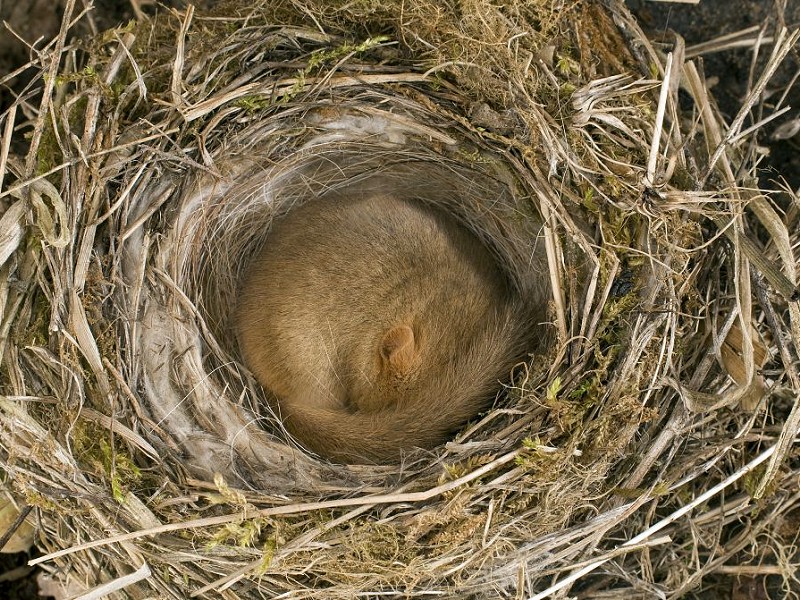
Hazel Dormouse
The hazel dormouse is well-known for being a sleepyhead, and rightly so. It will spend about six months of the year in hibernation.
-
31 October 2018
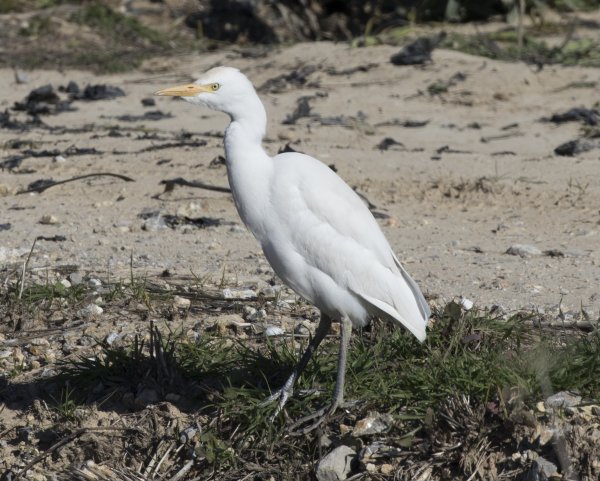
Rye Harbour Nature Reserve Sightings - October 2018
Bird highlight during October was a cattle egret, initially seen on Castle Farm on the 18th.
-
30 October 2018
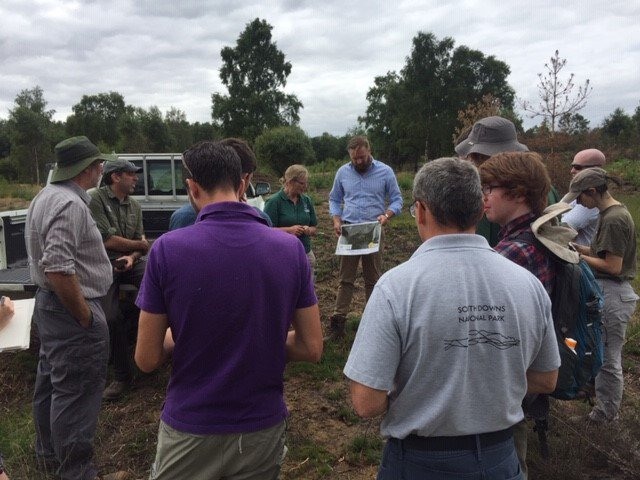
Fire management for heathland professionals
Heathland professionals from across the South East will meet at the South Downs Centre in Midhurst and Iping Common on 7 November.
-

28 October 2018
Sweet Chestnuts
The sweet chestnut tree is a common sight in the Sussex landscape, it was originally introduced here by the Romans as a source of food