
But is it 'mess'? Nature doesn't think so

Lydia Baxter
Wilder Ouse Project Officer
In a society that encourages us to be neat, tidy and organised in life to keep things under control and “together”, it seems rather confusing to be told that messy is good for some things. One of those things, is nature. The first problem is that the word “mess” isn’t correct terminology. In the Oxford dictionary, mess means “a dirty or untidy state of things”, or “a situation that is confused and full of problems”.
We don't always clear away trees that have fallen or died on our nature reserves (so long as they are not a danger to anyone), because deadwood and slowly decaying material is essential in all habitats, as part of the nutrient cycle. They also provide an amazing habitat for wildlife. For example, dead and decaying wood provides a nutrient-rich habitat for fungi, a larder for insectivorous birds and other species, and even a nursery for beetle larvae. Deadwood comes in many forms, and it plays an important role in woodland ecosystems.
Allowing natural decay sequesters carbon in a stable form and makes nutrients available in usable forms.
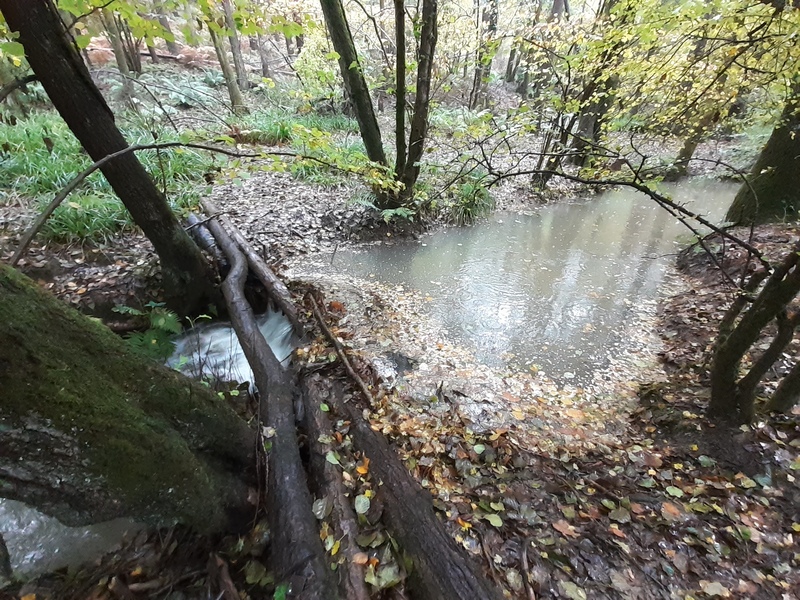
There is also the need for complexity in the wider landscape and more locally in habitats. Over the years, we have simplified the landscape through human use. This can be a large scale, such as the miles of rivers that have been straightened and cleared to encourage water to flow quickly away from human used areas for housing and industry. But we now know that meandering watercourses, that flow slowly through woody debris (such as Beaver dams), have a far wider beneficial impact on reducing flood risk as well as other massive biological benefits. It also allows water to be held back to reduce severity of drought and sequestered for recharge into groundwater aquifers. It can also work on a small scale in the garden.
Unfortunately, we have become accustomed to a neat, sterile landscape, and we have normalised an unnatural concept of the outdoors. Allowing for a messy garden, or other outdoor space, is to relinquish control and allow nature to take the lead, so she can do what she does best. It turns out that natural processes were good all along. If instead of “messy”, we thought of it as “complex” it would be a better all round.
When you allow the “mess” in, you can achieve the three recommended focuses for your garden and become an “ecosystem services champion” (Making a mess can improve your gardening | University of Leeds).
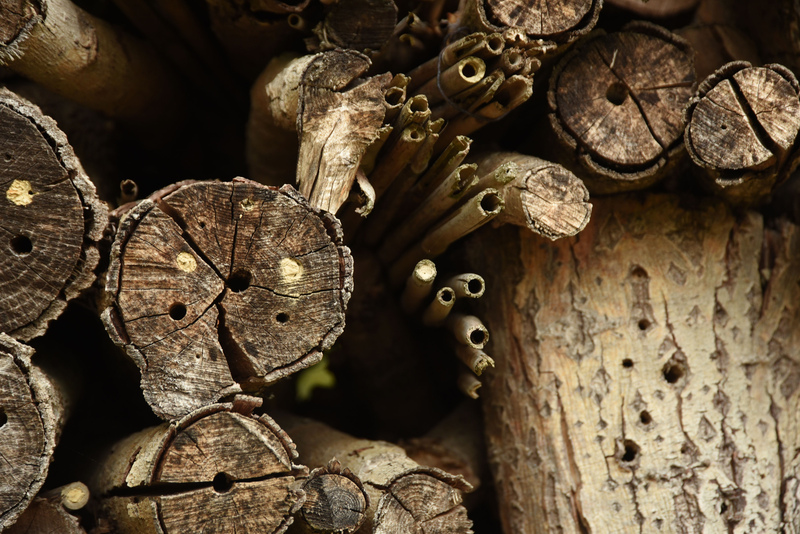
To create a garden that will benefit you and our native wildlife, there are three easy steps you can take:
- Allow the plants in and create some “mess” - natural bug hotels made out of your woody garden waste, a designated leaf pile for nesting bees and Hedgehogs,
- Rainwater harvesting – slow the flow, reduce erosion and soil loss, as well as providing a water source to water your garden, that reduces the pressures on our drinking water systems,
- Create a carbon sink – store carbon through composting, stop the use of chemicals, grow fruit and vegetables, and maybe even create a living roof!
These changes, no matter how small, have a huge impact on pollination and supporting primary production. Ecosystem services provide us with a multitude of benefits, so it’s not just the wildlife that gains something, we also receive nutrient cycling, air purification, increased water quality and an increase in human health and well-being.
Try it today and see how easy it is to invite nature back whilst improving your own lifestyle.
For another view on mess in nature - you might wonder why, given the huge abundance of biomass in our flora and fauna, we aren't all drowning in corpses and poo. The answer lies in nutrient cycling, decomposition and the role of detrivores. To find out more - read this blog
Comments
A very good article explaining how good for the environment a ‘mess’ can be.
I wish that the construction of a ‘dead hedge’ as a way of disposing of branches, prunings and any vegative matter could get wider publicity. I know it can only work on a relatively small number of properties but every little helps. Mark Divall
15 Aug 2024 13:08:00
Sussex Wildlife Trust:
We might well do an article on these. Good idea! Thank you