
Dung and death
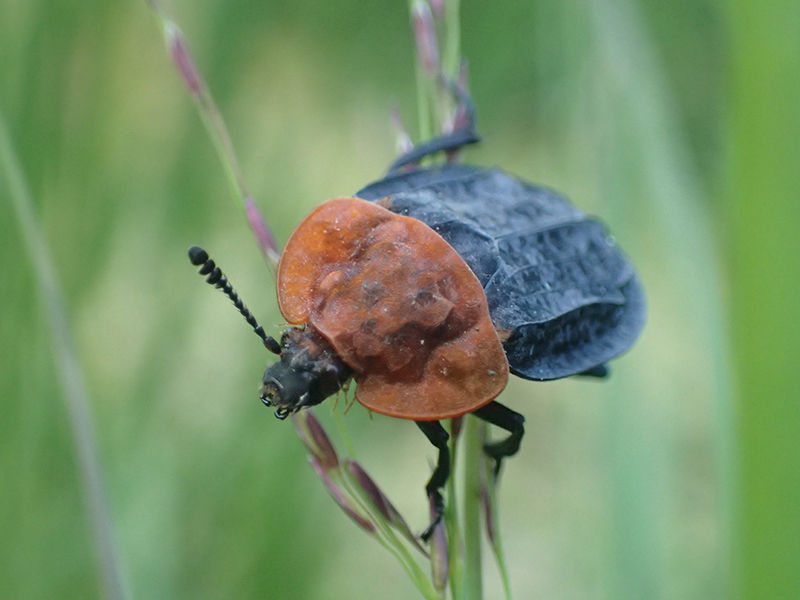
Alex Worsley
Senior Ecologist
They say two things are certain in life: death and taxes. Wildlife doesn’t have to pay taxes, but most living things will one day eventually die (planarian worms and a few other select organisms might have something to say about that, but that's a topic for another day). In the same vein, anything that eats will usually need to, ahem, excrete. So, given the huge abundance of biomass in our flora and fauna, how come we aren't all drowning in corpses and poo? That answer lies in nutrient cycling, decomposition and the role of detrivores.
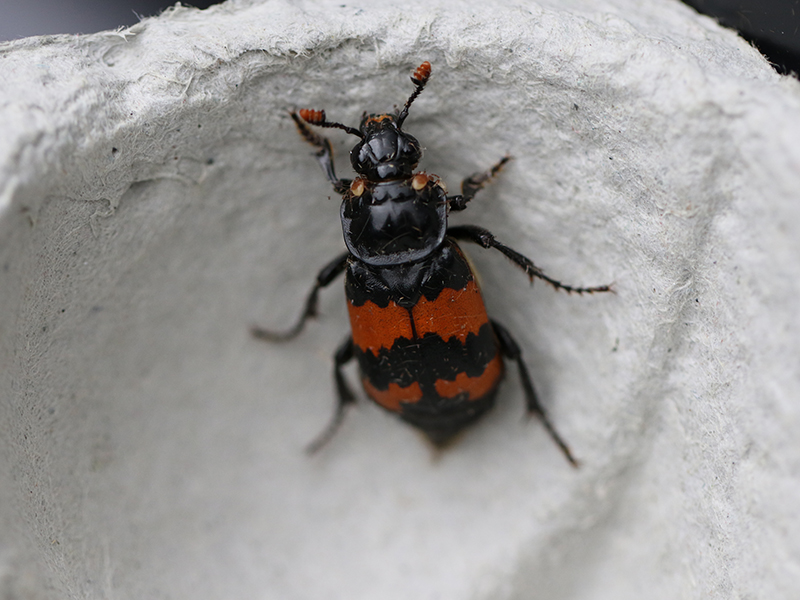
Detrivores play a vital role in ecosystems by breaking down organic matter and animal waste into simpler forms, making the nutrients within available to the wider environment. These organisms come in a vast variety of lifeforms from fungi, woodlice, millipedes, tiny soil dwelling mites, springtails and other soil fauna, earthworms and right up to the mighty carrion beetles. These processes are beneficial in our semi-natural habitats, but also within agricultural systems. The nutrients, once broken down, are more available to crops and forage and can raise organic matter levels within the soil.
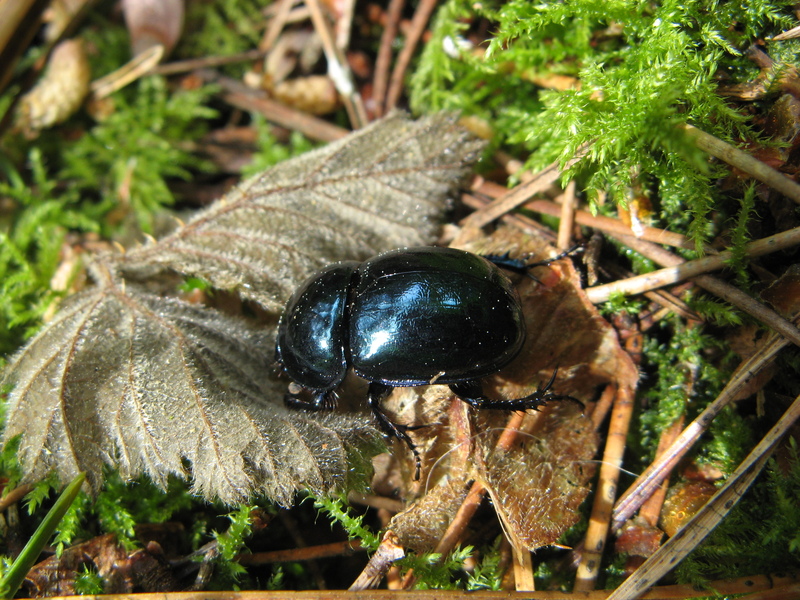
Dung beetles are an incredibly important group which focus on the recycling of animal ‘outputs’. In addition to their roles as detrivores, they are also a vital food source to larger mammals, in particular bats such as the Greater Horseshoe Bat. Unfortunately, they are immensely impacted by the chemicals used in worm treatment, both in agriculture and in domestic animals, which are then passed into the dung. These can wipe out dung beetles and other dung feeding invertebrates as a food source, affecting both the beetles and the creatures that feast upon them.
The Banded Burying Beetle is a silphid - these beetles are an interesting group of insects, many associated with carrion. The National Silphidae Recording Scheme collates records for beetles in the family Silphidae - find out more here