
Behind the Lens with David Plummer

Sussex Wildlife Trust has been lucky enough to have benefited from being able to use photographer, speaker and author David Plummer's amazing wildlife photography and videos for the last 21 years, as well as the wonderful range of courses he runs for us (such as ones on Badgers, Owls and Wildlife Photography).
We caught up with him at Woods Mill to ask a few questions.
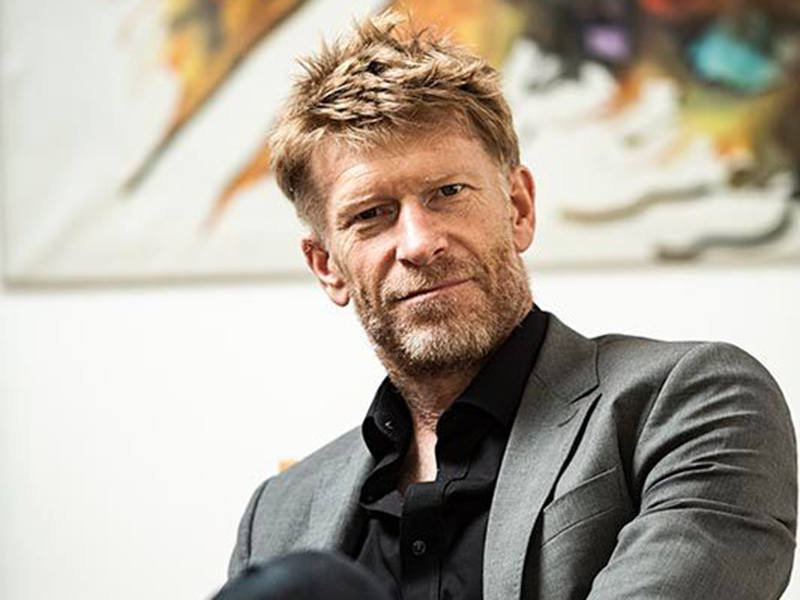
Tell us a bit about yourself
I was born in Medway, Kent where we had good wildlife on the marshes once you got out of the towns. My earliest memory was playing with woodlice. My dad gave me my first camera aged five when we were on holiday in Cornwall and I took photos of cows. It was near Bedruthan Steps and I returned to the same spot very recently.
I worked for nine years as a police officer in the East End of London and the Caribbean, but wildlife was always a burning passion.
I learnt the ability of problem-solving was really important in these roles - as it is with wildlife photography, and subsequently, other areas of life.
I returned from working as police officer in Caribbean determined to make it as a wildlife photographer. In fact, I was in the woods one day photographing bluebells when I thought 'I want to do this forever'. I then set out to teach myself or learn from magazines and do any job imaginable to support myself to do whatever it took to buy film and travel to continue my photography. I worked as a taxi driver, I cleaned toilets and did care work in order to become a professional photographer
I moved to Sussex in 2001 from London. I picked up a copy of Sussex Life and saw that Sussex Wildlife Trust was looking for volunteers 'with any skills'. I thought, 'I'll offer my skills as a photographer' and met Amanda Reeves (now Head of Communications). She was one of the the first people to really recognise my work and I'm eternally grateful.
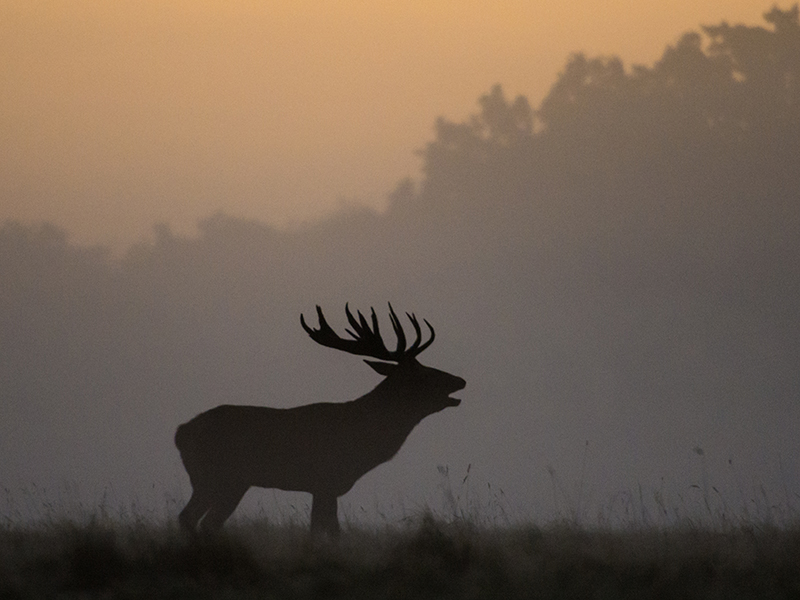
Do you have a particular subject matter you favour, and why?
Yes, Owls. The ultimate killers.
I reached the highest level of my career two months ago filming a sequence about Tawny Owls with a colleague for a future documentary series.
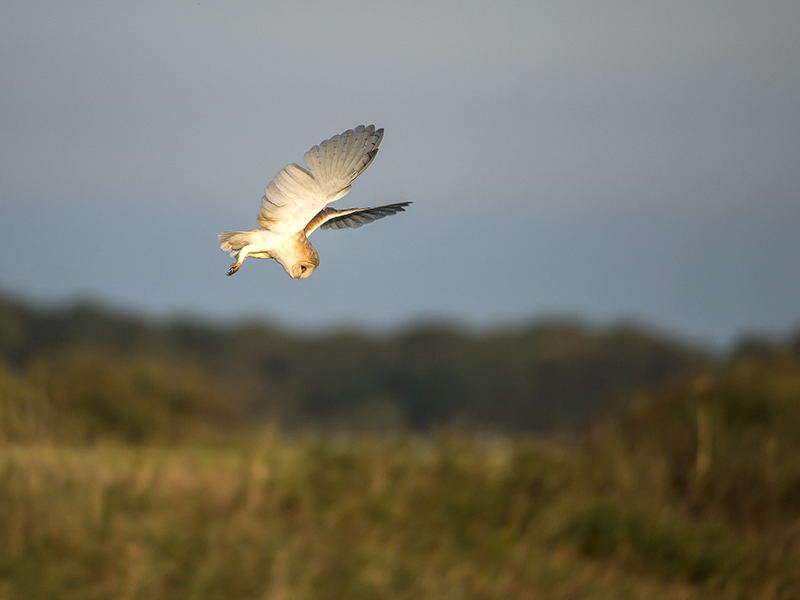
What are the biggest challenges?
Wildlife photography is 15% photography skills and 85% everything else. It's a difficult blend. You have to learn a lot of skills to start getting it right. I don't get it right all the time but I've had some success.
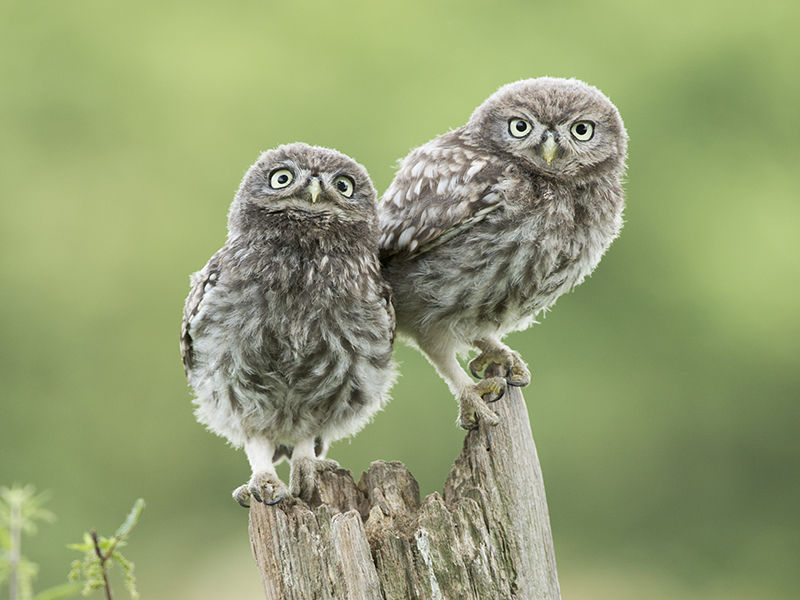
What equipment do you use, in brief?
I've recently made the switch to filming with cinema cameras rather than stills. With Parkinson's it really should be the other way round. I like a challenge.
[David was diagnosed with Parkinson's Disease in 2009 - his first book is called 7 Years of Camera Shake - he is currently working on his second book].
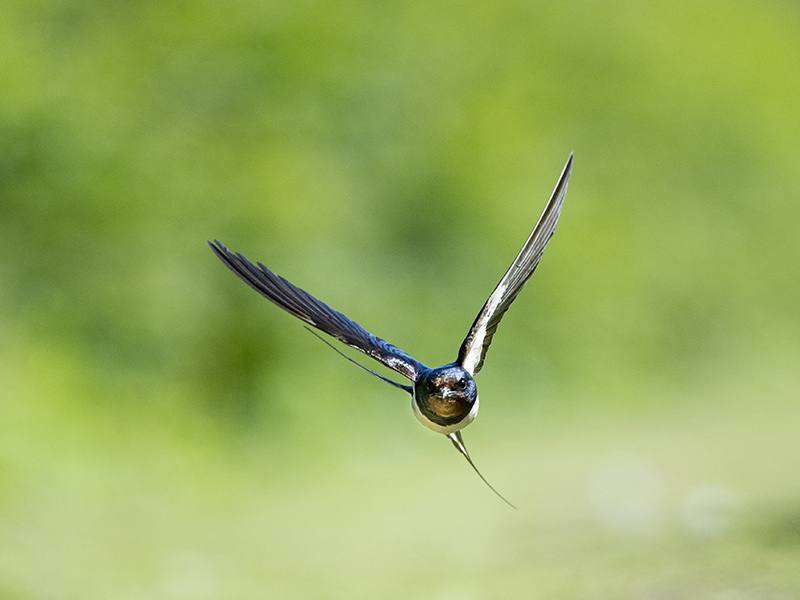
What’s your favourite shot?
A Tawny Owl.
What are you trying to communicate with your photographs?
Emotion. You need to move your viewer. It's the key to all imagery. I saw a Monet painting of a hayfield in the Rijks Museum in Amsterdam and I could hear the Skylarks singing. I got art at that moment.
Has anything unexpected happened when you’ve been out with a camera?
I've had guns put to my head in Brazil. I've been attached by an Alligator. I've had a Cobra strike at me.
Any tips?
For photography: pure dogged persistence. Choose a subject or image and take massive action to get there. I stupidly pursue the elusive, but that's how you improve your skills.
For life: you've only got the one choice of being and that should be choosing to be positive. You have no control over anything that happens in your life but you can control your reactions.
David will be giving the keynote speech at Sussex Wildlife Trust's AGM on the topic of 'Behind the Scenes of Wildlife Photography'
David is running a Beginning Nature Photography Course 1 & 2 October. More here
Find out more about David here