
April 2020 - Rye Harbour Wildlife
This month was strange under “lockdown” with mostly just very local people out and about enjoying their restricted walks and cycling in such lovely weather. Clear bright blue skies with hardly a cloud or aircraft contrail in sight. It was a very dry month which almost became a drought with the plants growing on the drier soils beginning to suffer. But a good downpour of rain on the night of 27th and then regular showers refreshed the vegetation, like this Common Storksbill.

It’s not just plants that suffered, but also birds that eat earthworms, so Black-headed Gulls have struggled to start the breeding season well. Local moth enthusiasts with light traps have been reporting unusual, very low catches and on some nights none. It should soon improve.
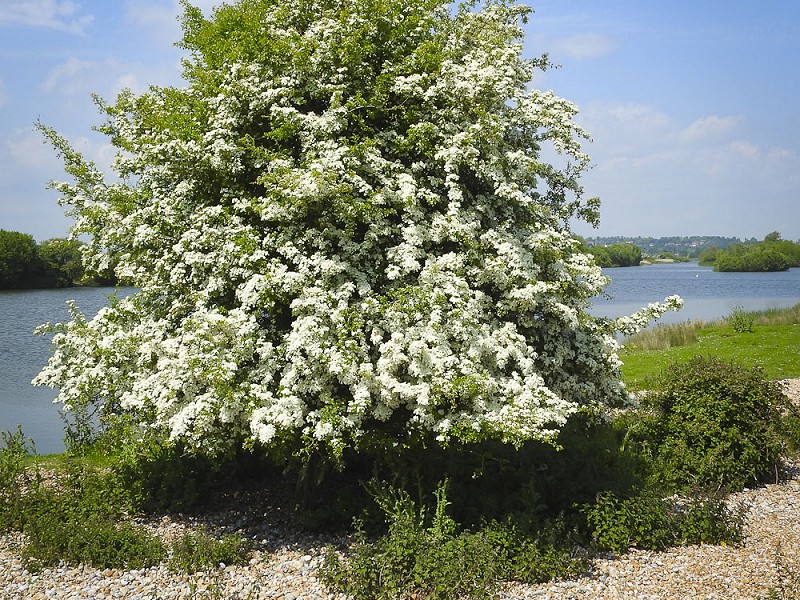
The first Hawthorn flowers had been seen on 27th March, but the main flowering was late April. The large and black Hawthorn Fly (or St Marks Fly) with its long dangling legs was common as usual in the week before and after St Mark’s Day (25th April).

Our Bee Hotels were busy with Red Mason Bees and other types, but on 24th we spotted a Crab Spider lurking in the tunnels and catching the bees! We showed how easy it is to make a Bee Hotel and it’s never too late to make one. https://sussexwildlifetrust.org.uk/news/make-a-bee-hotel

The steady stream of birds arriving from the south continued, most will have refuelled and continued further north, but some are stopping to nest here - Sedge Warblers first seen 4th, Swallow 7th, Reed Warbler and Yellow Wagtail 9th, Cuckoo 16th (photo), Common Tern 22nd, Little Tern 29th and Swifts 30th.

We joined in with the weekly SWT Back Garden Bird Race Challenge to count for an hour and living in such an amazing site, it’s no wonder we have scored the highest, even though handicapped with blindfold or ear plugs. But it’s not the winning, it’s that many people have discovered watching birds in their gardens. https://sussexwildlifetrust.org.uk/discover/go-wild-at-home/back-garden-bird-race
On our one hour cycles around the reserve it was amazing to see the variety of birds and to consider how many have colonised and nest here since the Nature Reserve was established 50 years ago – Avocet, Bearded Tit, Cetti’s Warbler, Cormorant, Little Egret, Little Ringed Plover, Marsh Harrier, Peregrine, Raven, Water Rail and booming Bittern.

First flowering dates are always worthy of note - Ivy-leaved Toadflax (photo) 4th, Sea Campion 12th, Sea Kale 19th. The Gorse had put on an amazing flowering display all month, but by the end it was going over. Spring is moving on to its next stage – May – our favourite month of the year.

If you are missing seeing our special wildlife there are many short videos to watch on our YouTube channel. https://www.youtube.com/user/RyeHarbourUK
Comments
wonderful
06 May 2020 08:10:00
Thank you 🙏🏻
06 May 2020 08:26:00
Many thanks for all the news and photos . Can’t wait to get back out to see the new Discovery Centre – as well of course as the wildlife on the reserve .
06 May 2020 22:24:00
Superb pictures and I’m so jealous :-) . Really missing not being able to visit this spring and am also missing my local nature reserves as I’d have to drive. Thank you for posting these updates to keep us in touch. I’ve just renewed my Friends subs so hope to be back in the not too distant future. PS The cuckoo and peregrine images are first class!
07 May 2020 09:35:00