
Who can help with injured wildlife?
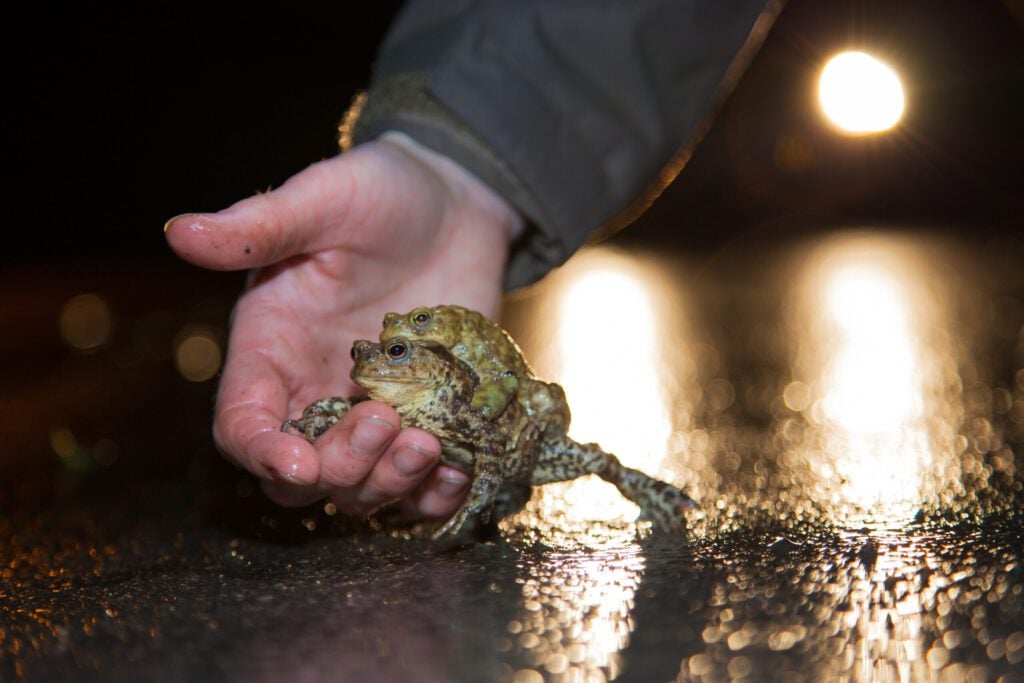 © Dave Kilbey
Have you found an injured or exhausted bat?
Call the Bat Conservation Trust National Bat Helpline (weekdays 9:30 to 4:30)
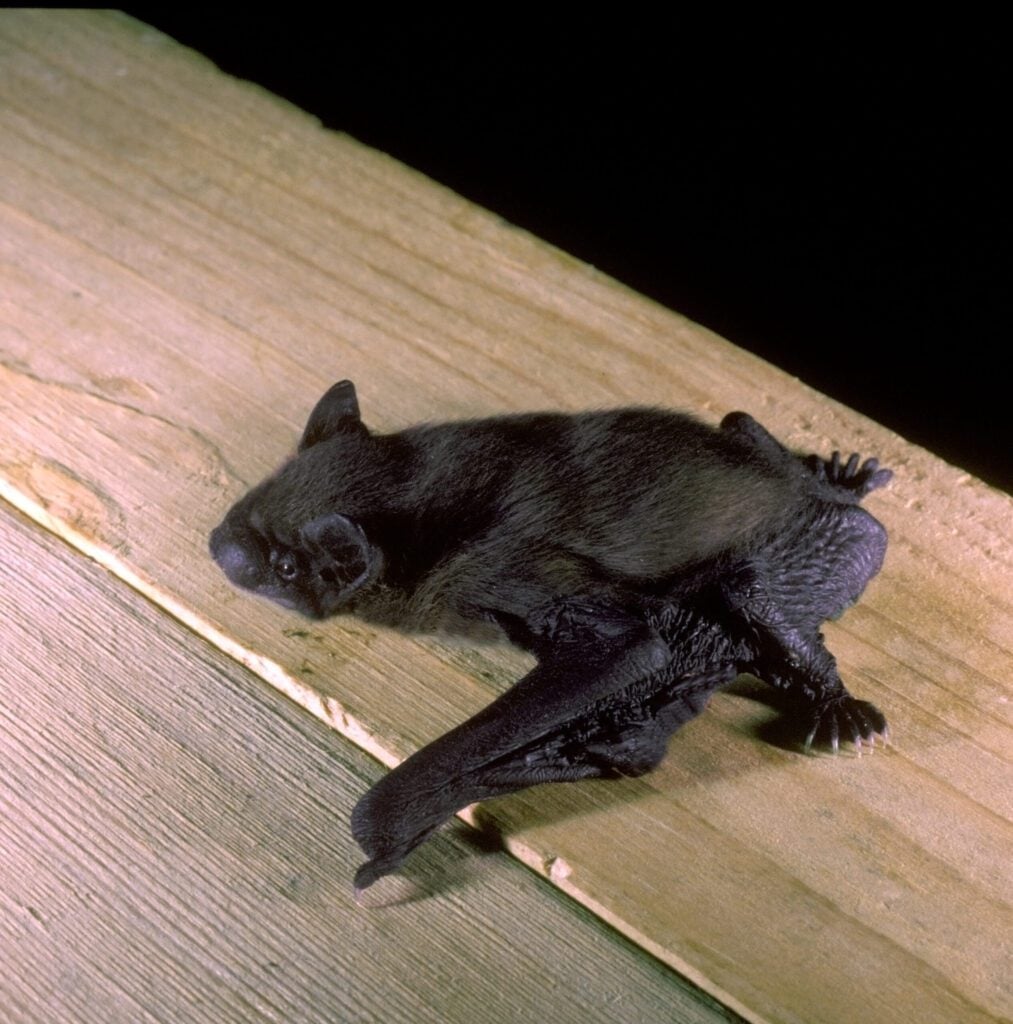 noctule bat_ Hugh Clark FRPS (5)
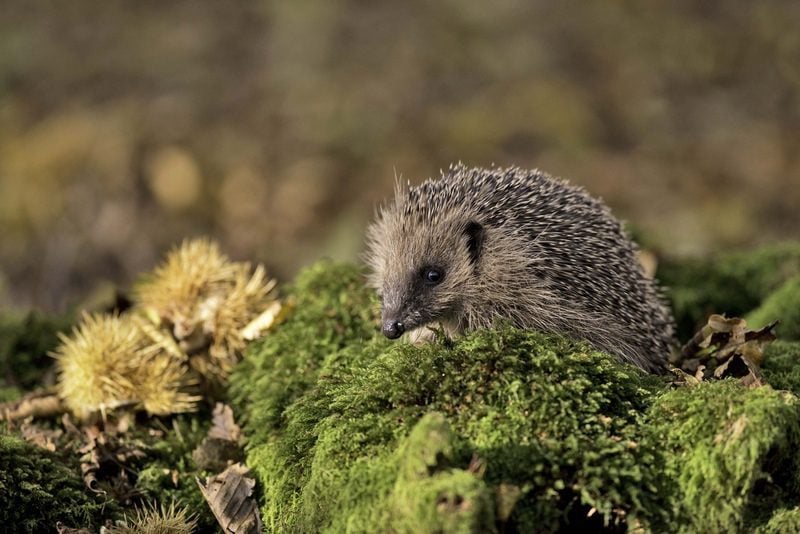 Hedgehog, Erinaceus europaeus
Species focus
Are you concerned about a Hedgehog
Hedgehogs are nocturnal, so you won’t see one in the daytime unless it is sick or injured. Hedgehogs out in the daytime will need help.
Hedgehogs hibernate through winter, usually from November to March, but this does depend on the weather. If you find a hedgehog still active in the winter months, it is likely to need help as it may be too small to survive hibernation.
 © Barry Yates
Reporting Alive Strandings (seals, dolphins & whales)
Finding a stranded animal can be distressing. Though your first instinct may be to try to help it back into the water, you should never try to do this – they have stranded for a reason and require urgent professional medical attention.
The British Divers Marine Life Rescue (BDMLR) website has comprehensive information on what to do if you find stranded marine wildlife.
To report stranded marine life:
Reporting Dead Strandings (seals, dolphins, whales & large sharks)
Coast and inland
Oiled birds and oil spills
The appropriate organisation to contact for an oil spill depends on where the spill has occurred.
For coastal incidents:
Report to the Coastguard, local numbers for the Coastguard office is nearest to you
For inland incidents:
Report to the Environment Agency on 0800 80 70 60
If there are live oiled birds, please also report to:
Oil is particularly toxic to a bird if ingested, which easily happens when they try to preen off the oil. Please do not attempt to clean birds yourself, it requires specialist equipment and expertise. Do not touch dead or sick birds.
 © Barry Yates
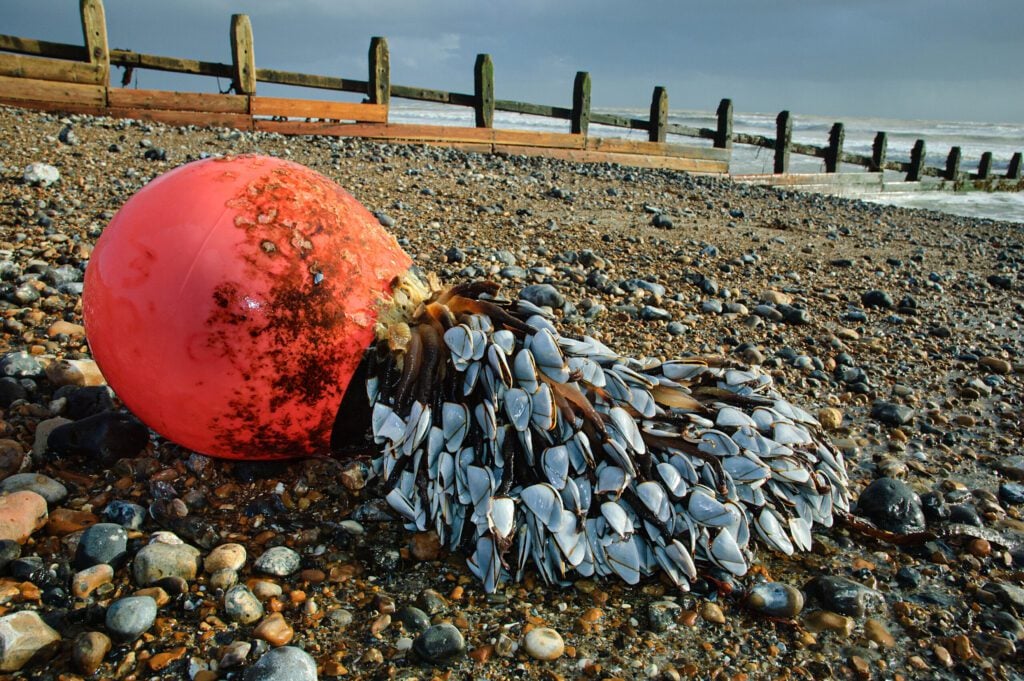 © Paul Parsons
Other marine wildlife
Jellyfish (and Jelly-like Creatures)
Jellyfish, Portuguese Man O Wars and By-The-Wind Sailors sometimes wash up on our beaches. Jellyfish often appear en masse in the summer; Portuguese Man O Wars occasionally make an appearance over winter, particularly if there has been windy conditions at sea. These creatures are drifters, so rely on ocean currents and wind to move around.
If you see these creatures washed up on the beach it’s best not to touch. Some of them are still able to sting even if they are dead.
Goose Barnacles
Goose Barnacles occasionally wash up on our shores over the winter months when the harsher weather brings flotsam to the beaches. These alien-like creatures attach to all sorts of hard surfaces including rocks, ships, ropes or flotsam floating out at sea. They’re harmless (although may get a little smelly if left out in the sun!).