Our Strategic Transformations
Achieving these ambitious goals will require Sussex Wildlife Trust to develop new ways of working. This strategy identifies four transformations in the capabilities of Sussex Wildlife Trust that are essential to achieve our strategic goals. Each transformation will require resources, time, leadership, determination and coordination to be realised. Taken together, they will not only help us achieve our goals for 2030, they will also result in a much stronger and more effective organisation for the longer term.
Including everyone
Build a stronger, more inclusive and diverse organisation
We are committed to being an inclusive and diverse organisation that reflects our local communities. We appreciate the immense value that a full range of backgrounds, experiences and perspectives bring.
Strength lies in unity and, together with our staff, volunteers, members and supporters, we will create an organisation that reflects the diversity of the county we aim to protect and leave a lasting legacy for people and wildlife.
Case study: Youth Action
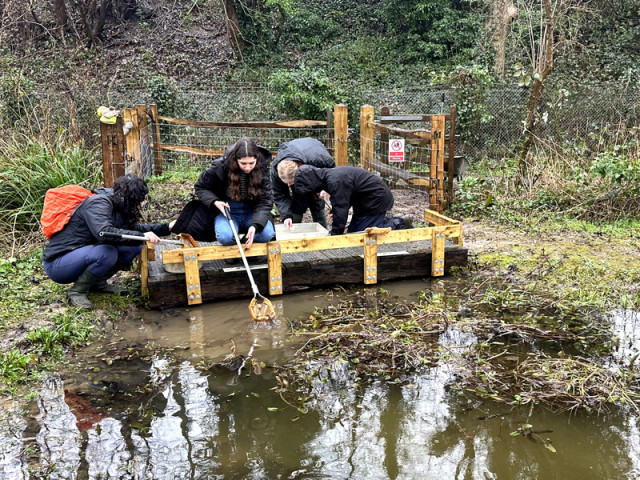
Our Wild Future is a visionary youth-led initiative. It began with Deneway’s Wild Future in Brighton, supporting young people to work with us to manage the nature reserve. We aim to give young people a voice and provide opportunities to gain valuable hands-on experience, empowering them to manage, maintain, and influence a local greenspace while developing a range of skills for the future.
Restoring nature '30 by 30'
Restore and protect at least 30% of Sussex land and sea for nature by 2030
To deliver change at the pace and scale required to bring about nature’s recovery, we must ensure at least 30% of our land and sea is well-managed for nature and protected by 2030, an ambition that reflects the targets set by governments worldwide.
We recognise our role in supporting this challenging target and we are committed to securing the future of Sussex wildlife.
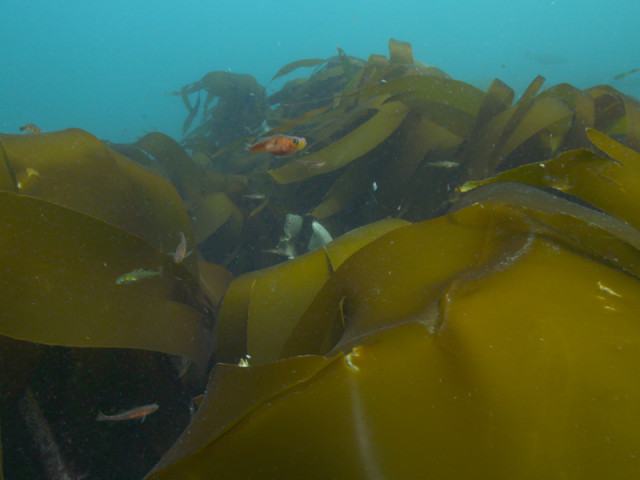
Case study: Sussex Kelp Recovery
Sussex is leading the way for marine rewilding and recovery. More than 300 square kilometres of seabed off the Sussex coast have been protected from bottom-towed trawling after the introduction of the Sussex Nearshore Trawling Byelaw in 2021.
Taking action
Connect people with nature and inspire 1 in 4 to take meaningful action for wildlife
People are the key to nature’s recovery, and we all have a part to play. Restoring wildlife depends upon the strength of connection between communities and nature, yet people are increasingly disconnected from the natural world around them.
We will inspire communities to develop a deeper relationship with nature across our diverse landscapes. This is an important foundation, as studies have shown that when people feel part of nature, they are more likely to make pro-environmental decisions and take action to protect it.
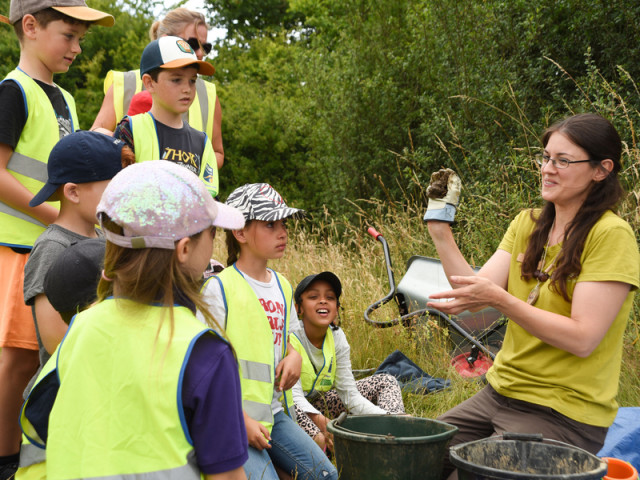
Case study: Wilder Schools
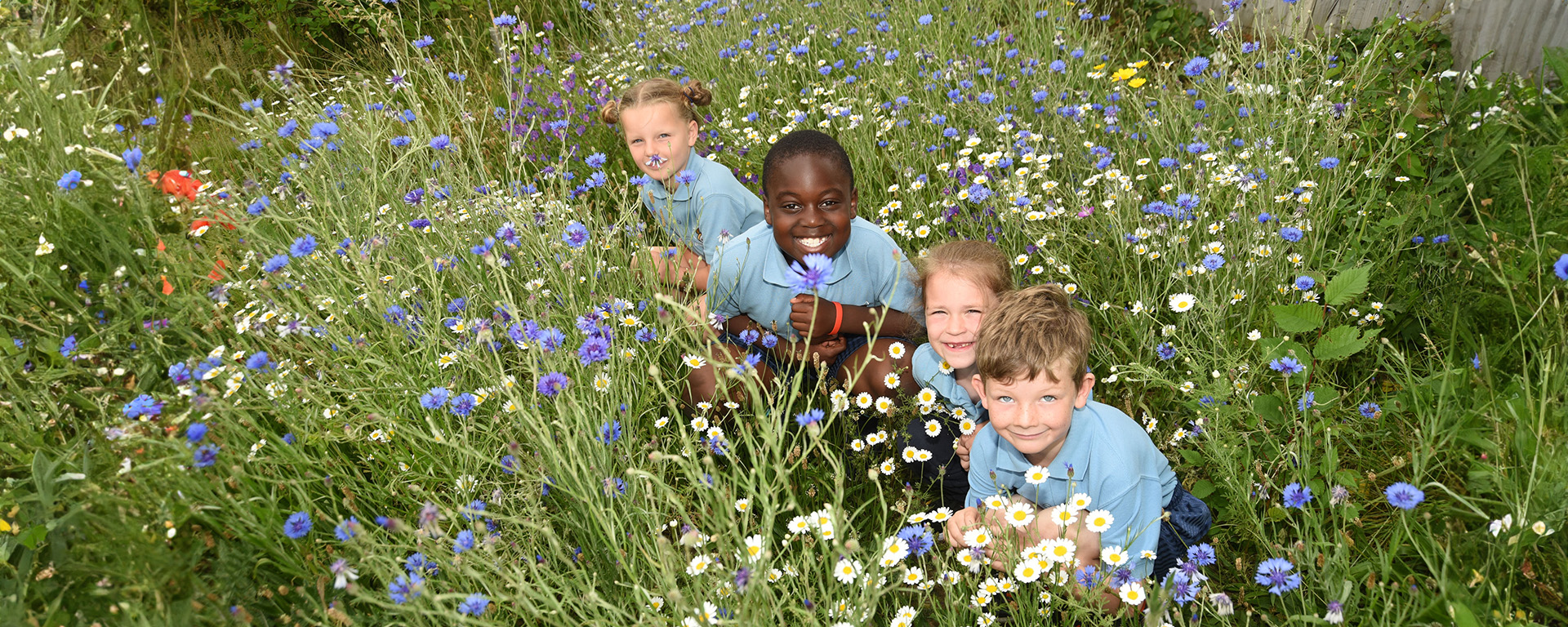
Our work with local schools aims to create a generation of environmentally conscious and inspired individuals who actively contribute to the conservation of biodiversity in their communities and beyond.
Net zero by 2030
Become a net zero and climate resilient organisation
We are committed to becoming a net zero organisation by 2030 whilst increasing our organisational resilience to climate change. We will reduce greenhouse gas emissions across our estate and operations to the lowest possible level, and offset any residual emissions. We already measure our greenhouse gas emissions annually and have prioritised actions to reduce our carbon footprint significantly.
Case study: Nature-based Solutions
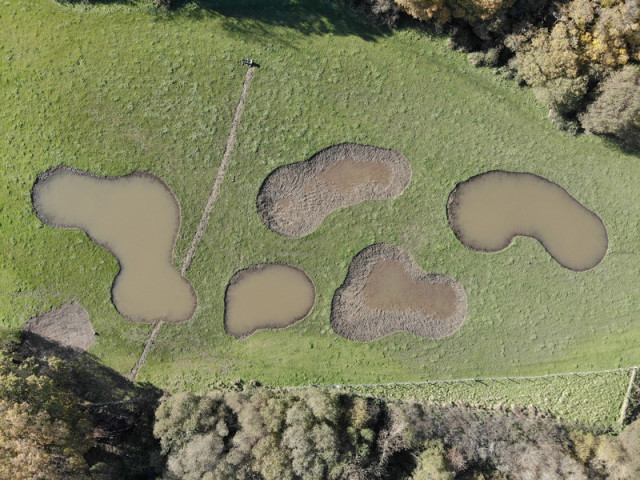
Our Sussex rivers respond quickly to rainfall events and flooding is becoming more frequent as our climate changes. Holding back water in the floodplain helps reduce the volume of water flowing downstream, protecting homes, businesses and infrastructure. We are creating new wetland habitats on the Adur floodplain in partnership with 27 landholdings covering more than 700 hectares.This forms one of the first Landscape Recovery Schemes in the UK and by restoring this stretch of degraded river, we will witness nature’s recovery at a truly significant scale.