
Yellow Meadow Ants

By Rich Black
Wilder Horsham District - Senior Land Adviser
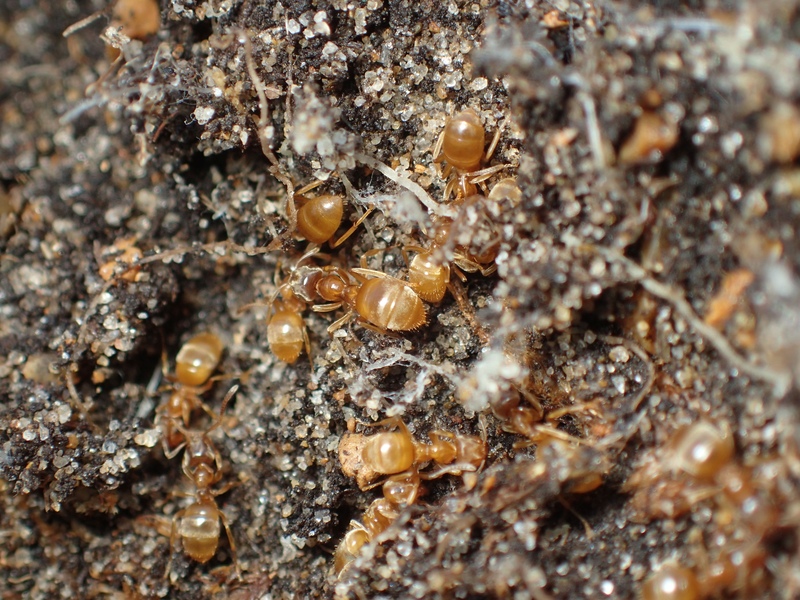
These hills are made by Yellow Meadow Ants (Lasius flavus), a widespread ant of grasslands. The mounds are built over the nest to assist with temperature regulation and get bigger over time. Some of the oldest mounds are literally centuries old. They are much rarer than they used to be as they only occur in unworked grassland.
The mounds are great for biodiversity as they create microhabitats and support a different plant community from the surrounding grassland. They are also home to many specialist invertebrates, especially aphids which the ants “farm” on grass roots for their honeydew.
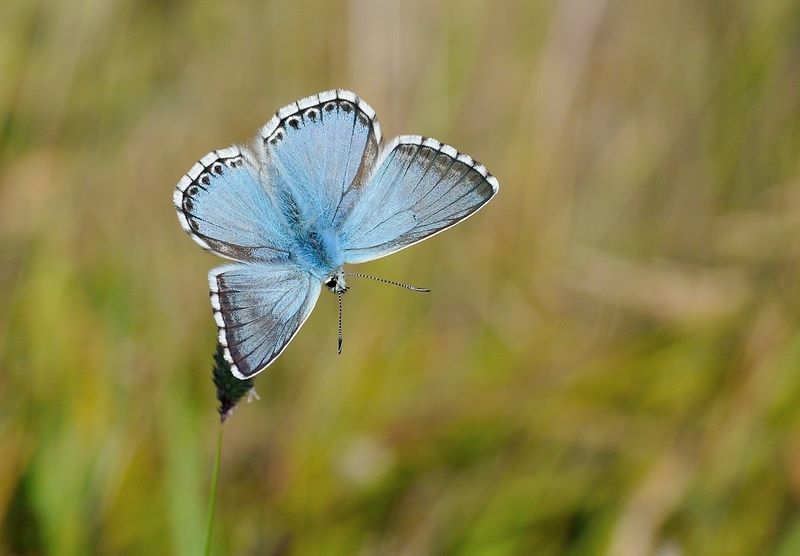
Several other invertebrate species prey on the ants or live with them. A good example on chalk grassland sites is the Chalkhill Blue Butterfly. Like the aphids this has a mutualistic relationship with the Yellow Meadow Ant which provides protection in exchange for a sugary secretion. The bare ground the ants create also allows plants to germinate and insects to oviposit (egg lay).
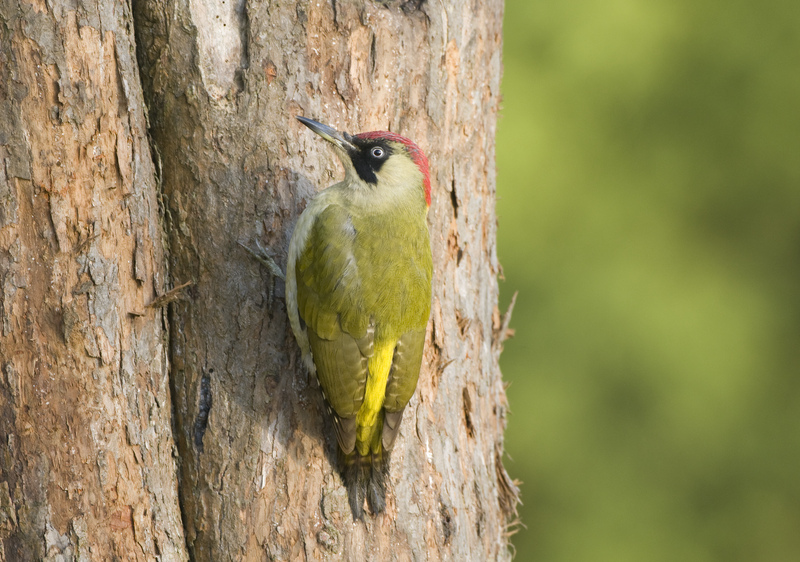
Yellow meadow ants are also a favourite food of many bird species, notably the Green Spotted Woodpecker, which can often be found perched on a mound. The ants are especially important as a source of winter food when other insects are scarce.
The ants spend most of their time underground (there are between 8000 – 40,000 ants in a nest) but nuptial flights occur in mid-July when up to 500 queens, and their attendant males, launch themselves skyward. This is later than the nuptial flights of closely related and more familiar Black Garden Ant (Lasius niger) which occur at the beginning of July.
The ants are vigorous in the defence of their nest and can both bite and spray formic acid from their abdomen. Formic acid in an ant bite is not a pleasant experience!
Comments
I have noticed that there seem to be thousand of small ants on the move at the moment. I think they are yellow meadow ants – they are small and pale in colour. Is this a result of the very hot weather, and are they distressed or just particularly active?
09 Aug 2026 17:25:00
Sussex Wildlife Trust:
Hi Alison, it's hard to say for sure but it is most likely that these are nuptial swarms. Yellow Meadow Ants are usually very subterranean but once a year, typically in late July or the early half of August the workers assist the winged queens and males to emerge from the nest and take flight. After mating the queens disperse up to three miles away to found new colonies. After the winged ants have flown the workers return underground. Yellow Meadow ants are probably coping with the heat better than most of us. They tunnel deeper than most ants and their underground complexes are very well regulated for temperature, humidity and oxygen as well as containing all the food the colony needs.