
Wildlife wellbeing: how you can help
By Kerry Williams
Communications Officer - Conservation
As spring dawns and the days get ever so slightly longer and lighter, many of us will be spending more time outside. Amphibians are emerging from under log piles, bats will soon be shaking off their hibernation, and humans start to head out for walks after work.
This seasonal shift gifts us more time to spot and connect with our local wildlife, many of which will have had a tough old winter. Here’s how you can offer a helping hand to those animals you might see as you both venture back into your gardens and outdoor spaces.
Food
There are differing thoughts on supplementary feeding when it comes to garden wildlife. One theory is that providing additional food sources limit natural behaviours, and increase risk, for example of birds’ predation by cats. On the other hand, loss of wildlife food sources is high, whether through habitat destruction or a decline in prey species, so balancing this loss could be seen as necessary. It’s really a case of getting to know your space and your wildlife.
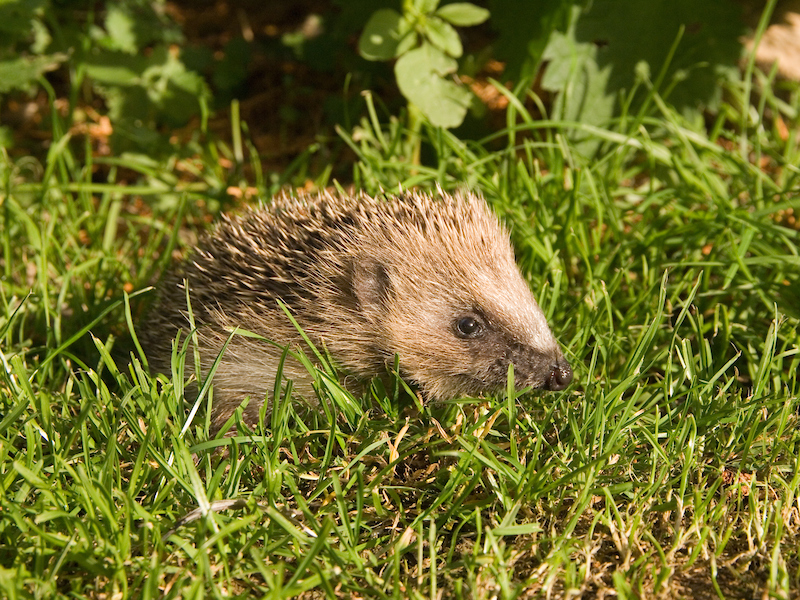
If you have resident Hedgehogs, The British Hedgehog Society recommend supplementary feeding of meaty cat or dog food, cat biscuits or meat-based Hedgehog food.
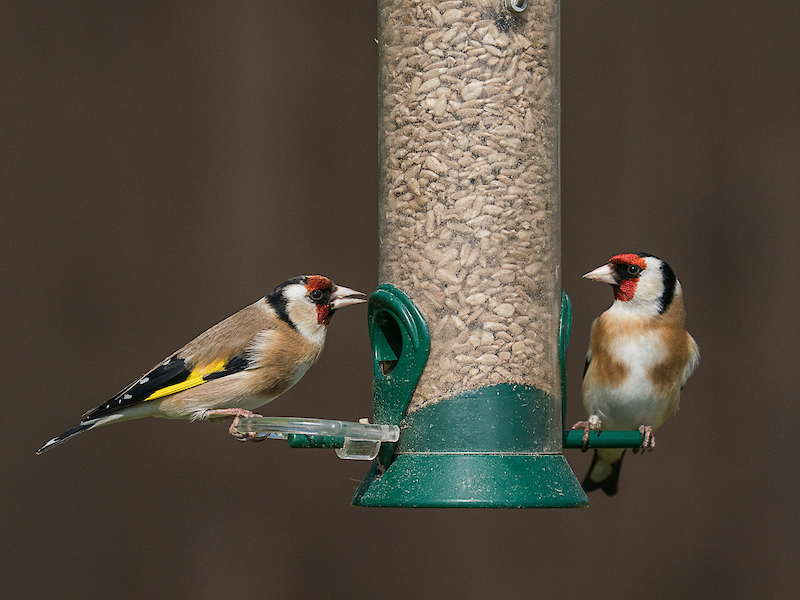
If you’re feeding birds, it’s best to use a hanging feeder as these are easier to clean than table-top feeders. Cleaning bird feeders is important to avoid the spread of Trichomonosis; a disease amongst garden birds, which especially affects Finches. It’s also relevant to consider which birds are in your garden, and therefore which foods to buy. Seeds, mealworms, and nuts will appeal to different species, and at different times of year.
Water
Providing water for wildlife is so helpful, whatever your outdoor space. Bird baths are great to offer feathered visitors a drink, and an opportunity to wash off parasites. Gardens can house ponds, whether the traditional dug-in version, a sunken washing-up bowl or a pot pond. A butterfly puddling station is also a simple option; butterflies can’t land on open water, so a shallow dish with stones and water in can provide them with a place to rest and drink. Never offer wildlife milk to drink, as many species are intolerant, and it can cause harm.
Plants
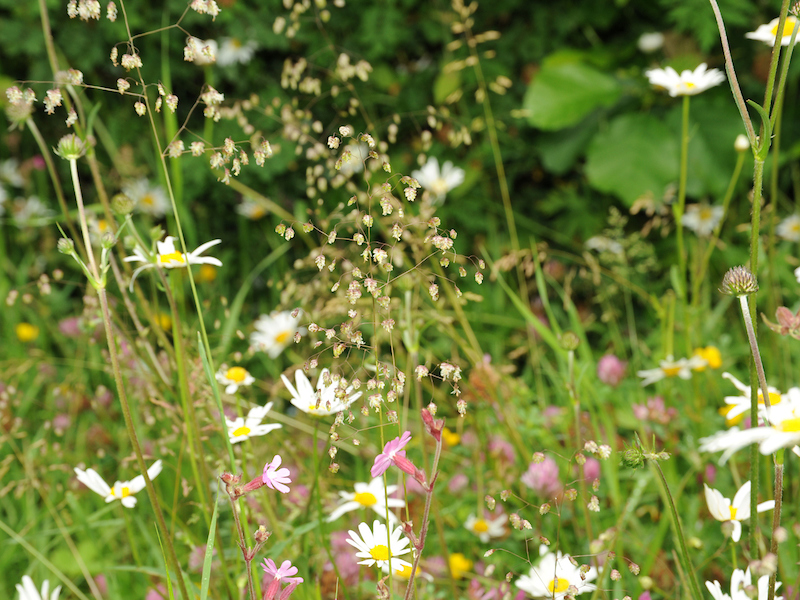
If you are lucky enough to have a garden, think about planting trees and hedges to provide shelter and nesting opportunities for birds. If it’s possible, leave a space wild and undisturbed; let go and let it grow! Balconies and patios are just as vital for wildlife; pot plants and window boxes provide a critical stopover for bees, butterflies, and other pollinators. And consider the food chain; for example, planting moth food plants can increase visitors of bats into the garden.
Accommodation
Whether it’s a bird box, a bee hotel or a Hedgehog house, providing an additional space for wildlife in your garden is a great help. Although these spaces can offer a much-needed sanctuary, it’s important to remember to supplement them if you can with natural habitat too. In an ideal world, animals wouldn’t need these man-made structures to thrive. A good middle ground is if they can use these alongside a variety of natural habitat shelter and food plants in the vicinity.
Accessibility
If you don’t see much wildlife in your garden or outdoor space, consider how accessible it is. If you have fences, consider cutting a hole. If you have walls, placement of plants can play a role in how animals can enter and exit gardens. With habitat loss at a high all over the UK, garden oases are so vital for connectivity of green spaces, and how they are accessed can make all the difference.
Every year our enquiries and WildCall staff get queries about injured wildlife in need of rescue, or how to help wildlife in your garden. Sussex Wildlife Trust do not run a wildlife rescue. However, you can find a list of incredible rescue centres in Sussex, including the RSPCA, here.
Comments
Cats should be kept inside so they’d be unable to kill the millions of birds that they do. It’s not ok for dogs to kill lambs or deer, but seems it’s ok for cats to kill threatened bird species.
06 Mar 2025 16:17:00
I have frog spawn in my pond, can they survive the heavy frosts we have had lately?
06 Mar 2025 21:18:00
Sussex Wildlife Trust:
Frog spawn can be affected by cold weather and late frosts can be a damaging factor. If a layer of ice covers spawn the top layer may not survive, but spawn further down the clump may do so. If spawning is interrupted by cold weather, sometimes a second batch of spawn may appear later on, so if this batch doesn't survive there may be more later!
I have managed to get the wide verge in Chiltington Lane designated as a wildflower verge.
07 Mar 2025 08:14:00
At last have frog spawn this week, later than other years. No sign of the hedgehog yet, but I’ll keep putting food out.
09 Mar 2025 15:52:00
Where’s the campaign information, I can’t see it from the link?
13 Mar 2025 14:02:00
Sussex Wildlife Trust:
Here's the link to information about the campaign