
Wildlife-friendly Halloween ideas
By Kerry Williams
Communications Officer - Conservation
Halloween approaches, spelling those darker evenings. This seasonal shift is a critical time for wildlife, so whether you are planning a celebration, prepping a costume, or spookifying the house, here’s a few things you can do to ensure the Halloween period isn’t a nightmare for nature.
Avoid spider webbing
Artificial webbing and similar decorations are a real danger to wildlife. Birds and bats can become entangled, and it can also disrupt spiders from making real webs. If you absolutely must use the fake stuff, do so inside to help keep your local wildlife safe from harm.
Don’t dump pumpkins
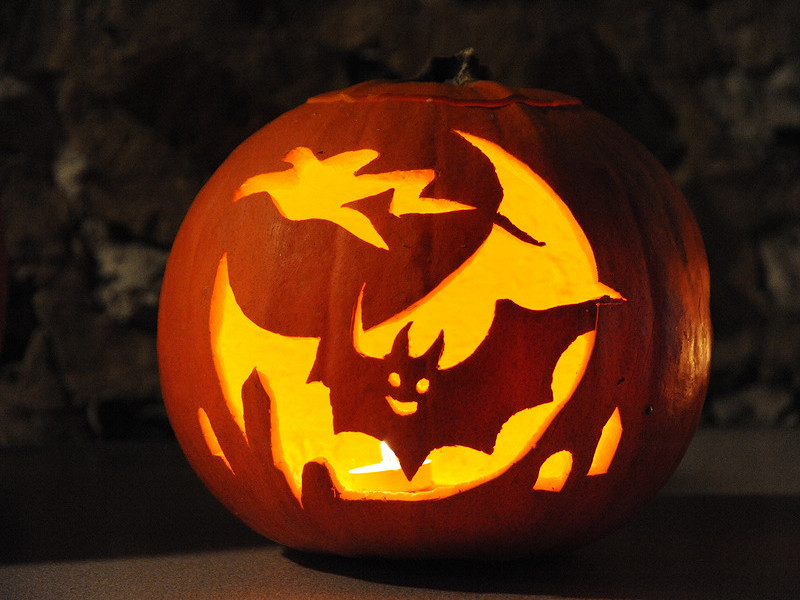
This Halloween classic can make animals unwell if eaten, so it’s not safe to dispose of these in gardens or other green areas. Instead, have a look online for tasty pumpkin recipes for soup, stock or pie. They also make for great composting or can be disposed of with your usual food waste.
Go plastic-free
As a non-biodegradable substance, plastic can do untold damage to our earth, our oceans, and to us. Take a moment when purchasing decorations and treats to check if packaging is recyclable, or better still, avoid it altogether.
DIY Decs
There are loads of original ideas online for homemade, environmentally friendly Halloween decorations. From pressed leaf bunting which can be composted after use, to fully recyclable fabric-scrap ghosts, there are plenty of options for sustainable, plastic-free festivities.
Be mindful of wildlife disturbance
Autumn is a busy time for nature. Hedgehogs and bats are feeding up for hibernation, birds are migrating, and fungi are sprouting in woodlands. At parties, try to keep outdoor noise and lighting to a minimum, stick to paths when trick-or-treating, and if foraging for decorations, leave enough for wildlife in need of shelter and food.
Re-use
Surely the easiest one to tick off – keep your decorations for next year! Not only will you save money, time and effort, you’ll be helping to avoid unnecessary energy consumption and household waste.