
Wildflower Lewes and the High Street pollinator project
We speak to Lesley Healey of Wildflower Lewes
Tell us about Wildflower Lewes
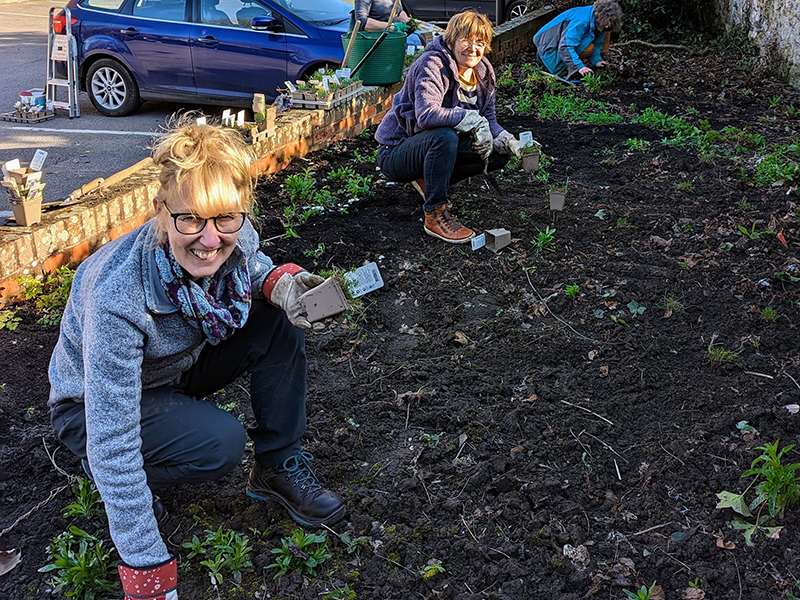
Wildflower Lewes is a community group, established in 2016, by a handful of people committed to introducing our local wildflowers to more people in Lewes. We currently have around 270 people on our list, many of whom help out with our various activities like growing, planting, and surveying chalkland wildflowers, and explaining to others why it is important. There are no membership fees, and signing up doesn’t commit you to anything except receiving our monthly newsletter and occasional extra notices. We aim to:
- Bring more wildflowers into Lewes
- Encourage all pollinators: bees, butterflies, moths and other insects
- Make a home for wildlife that lives amongst taller plants
- Provide food for birds, bats and other animals
- Give local people the opportunity to connect with nature on their doorstep
What’s the High Street pollinator project?
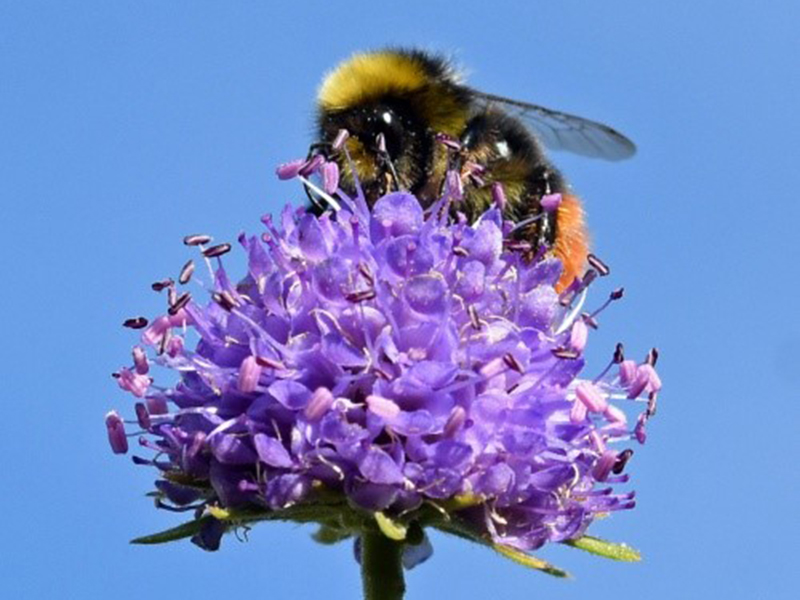
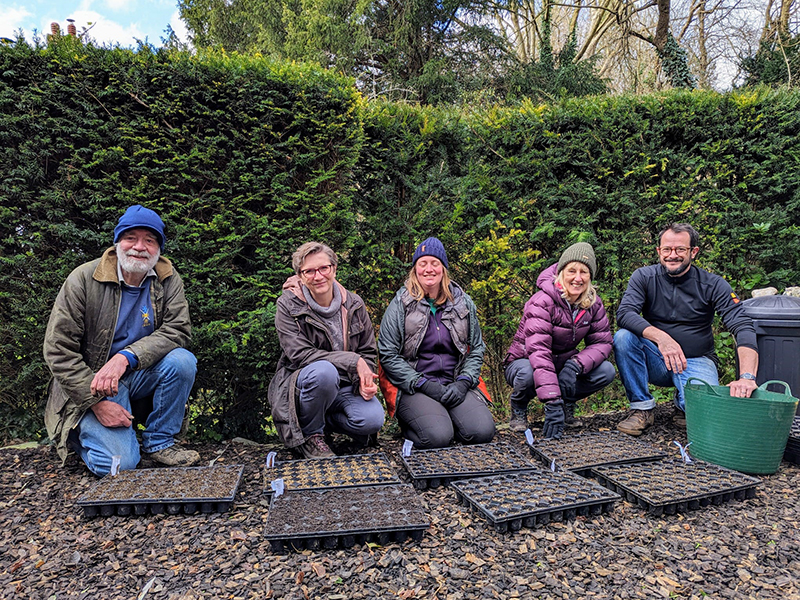
We want to encourage people living and working in the centre of Lewes to have planters, troughs, window boxes, even hanging baskets planted with wildflowers. Some properties on the High Street have gardens at the back that could grow wildflowers - they don’t need to be visible to us (though it’s lovely to see them!) as long as flying insects can see them. If we get enough patches of wildflowers, insects including pollinators can move right across Lewes using these 'stepping stones’ to feed, meet each other and mate, and find homes. To make this a reality, we need the help of as many people living or working on the High Street as possible. We have been gifted with some starter troughs for the first people that offer their help, and we are now growing wildflowers at our new Tree and Wildflower Nursery, so we can supply suitable wildflower plants that will come back year after year.
Why is this sort of thing so important?
All life depends on plants. They are at the bottom of every food chain, yet their own survival often depends on the insects that feed on them. More than half of what we eat depends on pollinators, most of which eat flower nectar or pollen or other parts of plants. Most pollination is done by flying insects like bees, butterflies, moths, flies and beetles and we’ve lost 60% of them in the last 20 years. In the last 50 years, we’ve lost more than 95% of our wildflower meadows, which once fed those insects. It is easy to understand that we must do what we can to support insect life, including pollinators. As towns have grown, bricks and concrete have broken up the corridors of flowery grasses that insects use to get around, meet each other, and reproduce. Most insects only fly a limited distance before stopping to eat. That means they can't fly across an urban centre to meet other populations.
What can people in towns and cities, with only window boxes or balconies, or tiny outdoor spaces, do to help pollinators?
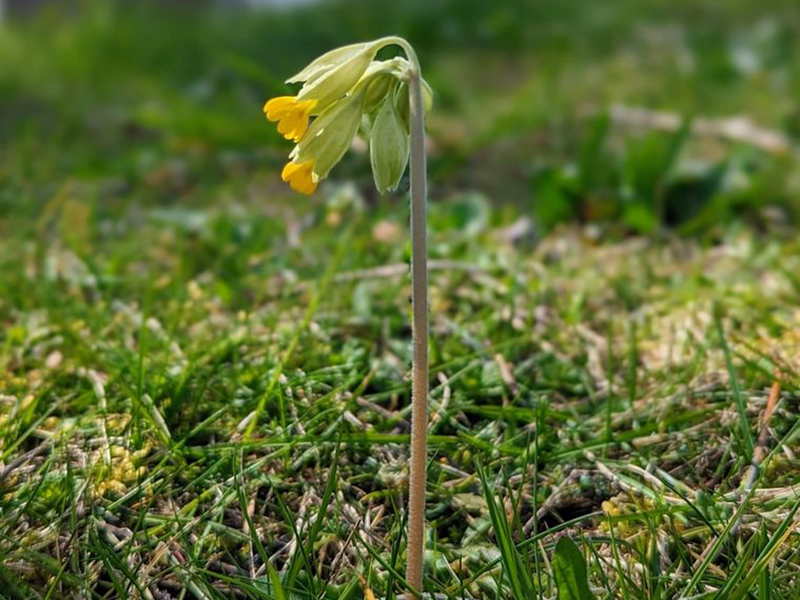
If you provide it, they will come! Planting wildflowers, or garden species that are close to their wild origin, really helps insects to find food and get around. It’s like having food trucks along a travel network. The closer flower plants are to UK native species, the more insects you’ll help, as insects have evolved to feed on naturally growing wildflowers. Many pollinators are fine living on garden plants like salvias and nepetas, but some of our most threatened species, some butterflies for example, are totally reliant on just one or two flower species to feed their caterpillars.
Without those flowers, the species becomes extinct. If we each put a bit of effort into saving our tiny animals, we’ll have a more diverse, more successful world.
Where can people find out more about what you do?
Email me [email protected] or visit our Facebook page: wildflowerlewes
Wildflower Lewes covers the town of Lewes. If you don’t live in Lewes, we can put you in touch with a local organisation.