
Why geodiversity in Sussex is so important
By Henri Brocklebank
Director Conservation Policy and Evidence
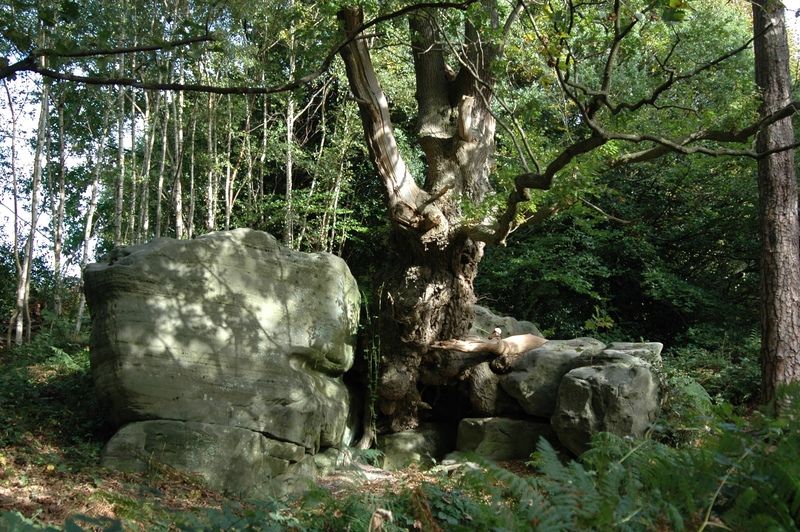
The core factor that makes the wildlife of Sussex so diverse is the fact that in our little patch of planet earth we have remarkably diverse geology. The wildlife we all love has developed over long periods of time, responding to the porosity of the soils, the Ph of the soils, the gradients and aspect and more. The chalks, clays and greensands, flints and cobbles that define our terrestrial and marine bedrocks and substrates is ours alone, and ultimately defines the distribution of our flora, fauna and fungi.
With that in mind we must appreciate that the geology of Sussex is as unique as our wildlife and understanding that geodiversity is as much of our natural history as our biodiversity.
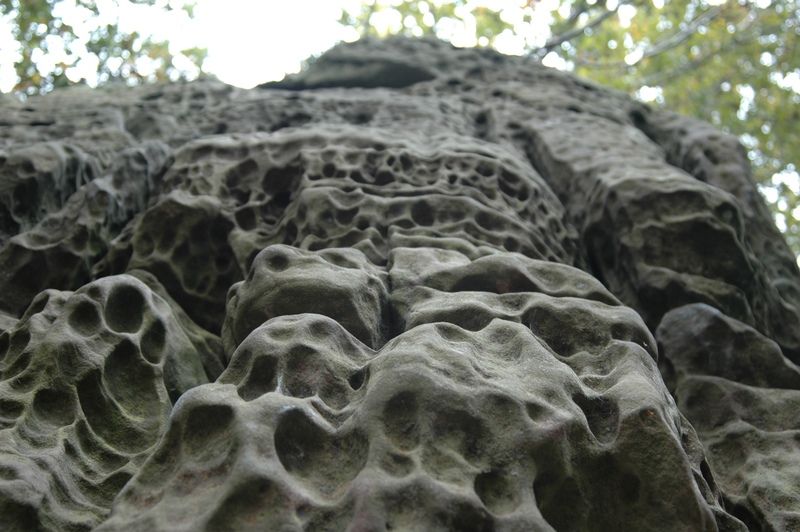
I have never met with a Sussex geologist and not come away even more fascinated with the subject, as they share nuggets of plain English geological wisdom. It is a science that is peppered with complex terms and hard to imagine timelines. Sussex Wildlife Trust is very lucky to work with the Sussex Geodiversity Partnership and have access to a wealth of passionate experts able to bring our geology to life. They share the technical science in more accessible ways so that the rest of us can understand more about our County. How did the South Downs form? Is there more than one type of chalk? How does water move through the chalk? Why is clay distributed in such a patchy way? Are there different types of clay? Where did the flint come from? How did the glacial period impact Sussex? Is there really a river bed running through the English channel? Mammoth tusks in Sussex?
Thank you to the Sussex Geodiversity Partnership for making sure that the unique geology of Sussex stays on the map.