
Why chalk grasslands are so important

By Phil Belden, campaigner for the South Downs
Probably the most diverse habitat of North West Europe is chalk grassland, the South Downs a significant part of southern England where “a few precious pockets of chalk grassland have remained unchanged for thousands of years. The light grazing by livestock maintains their rich variety of plants”.
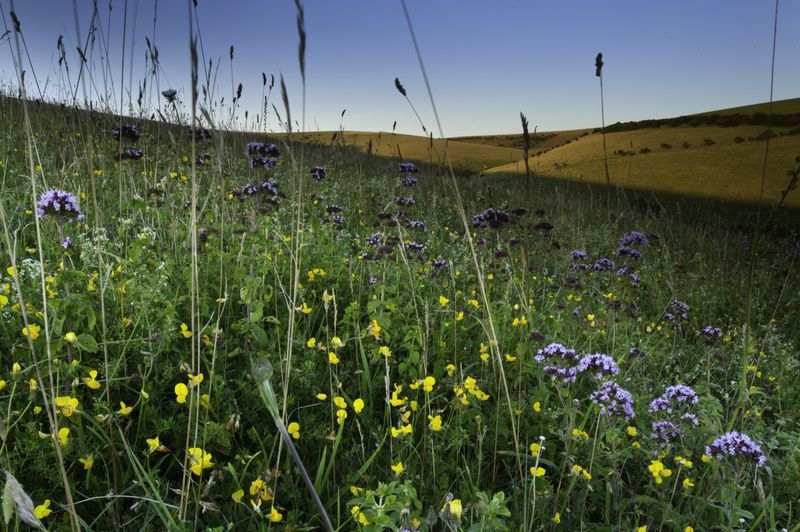
The traditional sustainable management of our chalk hills was that light grazing, mainly sheep. Over the millennia nature has co-existed with man, resulting in a colourful tapestry of wildflowers and grasses, with a rich associated fauna. Herbs, orchids, vetches and fine fescues, those precious pockets can yield up to 50 plant species in a square metre. Add to this all the insects and other animals dependent on this habitat, the blue butterflies, bees, beetles, grasshoppers, reptiles and grassland birds. Most majestically, the Skylark, rising vertically up over the downland, melodiously warbling as he hovers, a tiny speck in the sky. This truly is the richest environment.
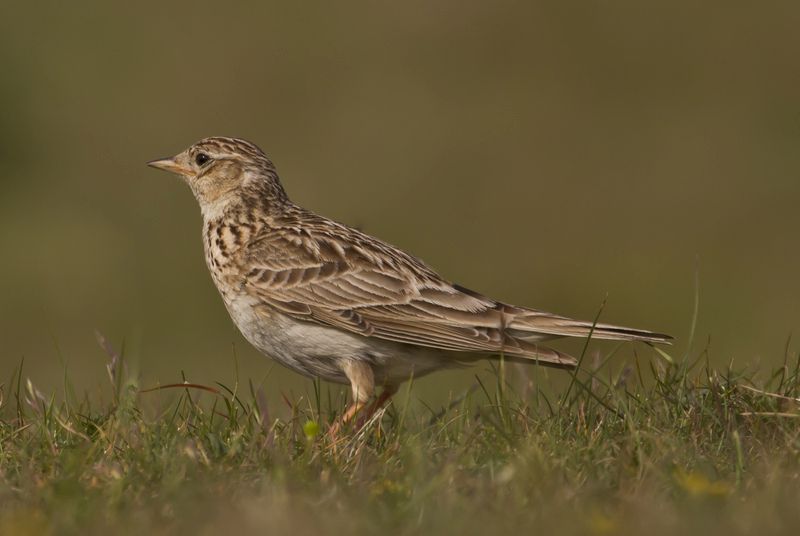
So rich, but now so rare. Chalk grassland now covers less than 4% of the South Downs. Land use change has been dramatic since the Second World War, from light extensive grazing, to intensive agriculture. Most of our ancient grasslands ploughed out for the global corn and oil-seeds markets or re-seeded with temporary grass leys. On the ever-thinning soils of the porous chalk, chemicals needed to grow the crops, much leaching into the aquifer, our water bills paying for nitrate-stripping or blending of waters to reduce concentrations until deemed safe enough to drink. Our wildlife is in decline, never more so than in this shrinking, fragmenting, vulnerable habitat.