
What's growing between the cracks in your town?
30 Days Wild - Wild in the Town
By Sim Elliott
We think of the countryside as the place where wildflowers grow; but many wildflowers grow in the cracks of the pavements and walls in our towns and cities. I went for a walk round the block where I live, in East Brighton, next to Whitehawk Hill. I walked only 300m and saw some very beautiful and interesting wildflowers.
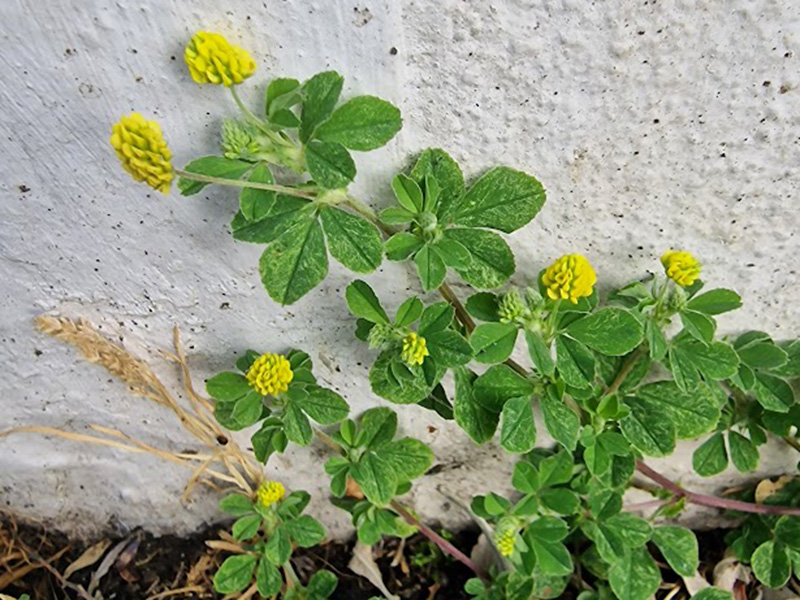
All of these flowering plants are now “wild” in the UK, but some of them are not indigenous, i.e. they came from places outside the UK, but are now naturalised in the UK.
The Botanical Society of Britain and Ireland’s Plant Atlas 2020 (published in March of this year) reports that 53% of native plants have smaller ranges now than they did in the 1950s, with climate change and agricultural practices driving this decline. Moreover, introduced plants are increasingly dominating Britain's wild areas. Of the almost 3,500 British plant species, non-native plants now outnumber native species by 51% to 49% as a result of centuries of introductions. (Natural History Museum, 10 March 2023)
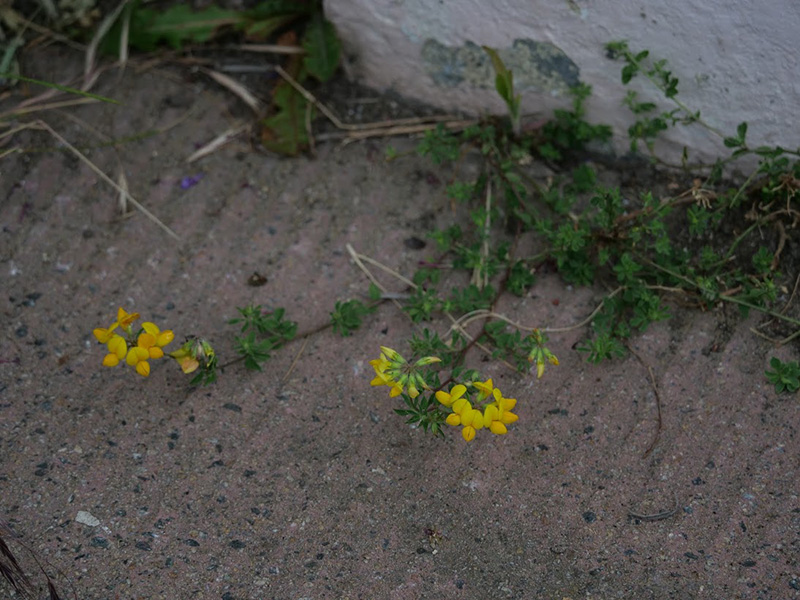
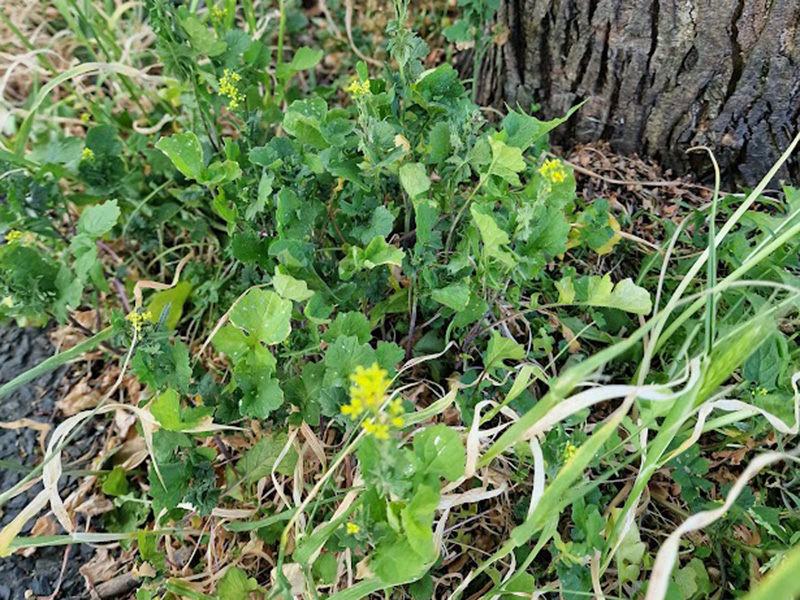
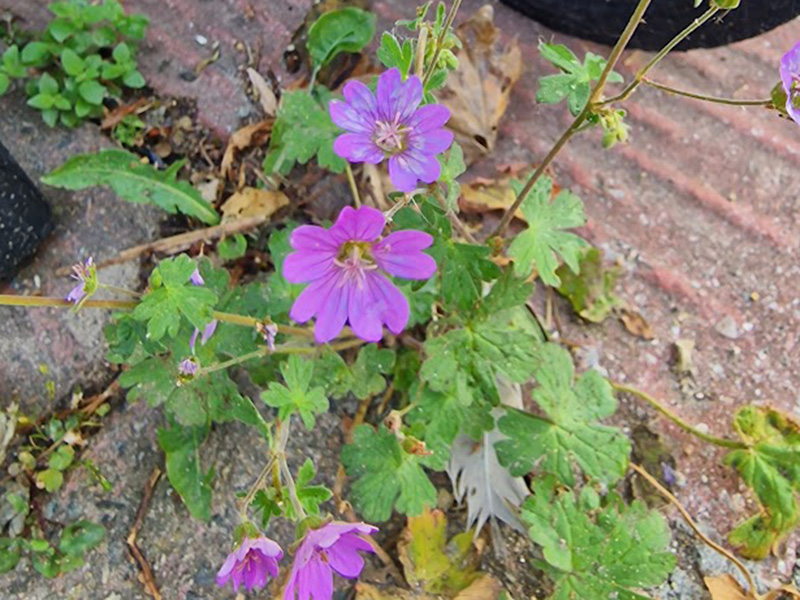
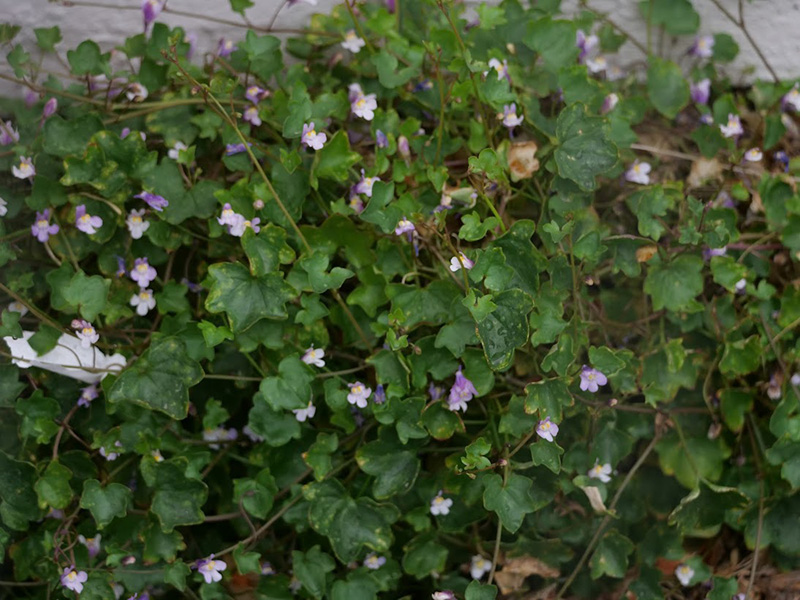
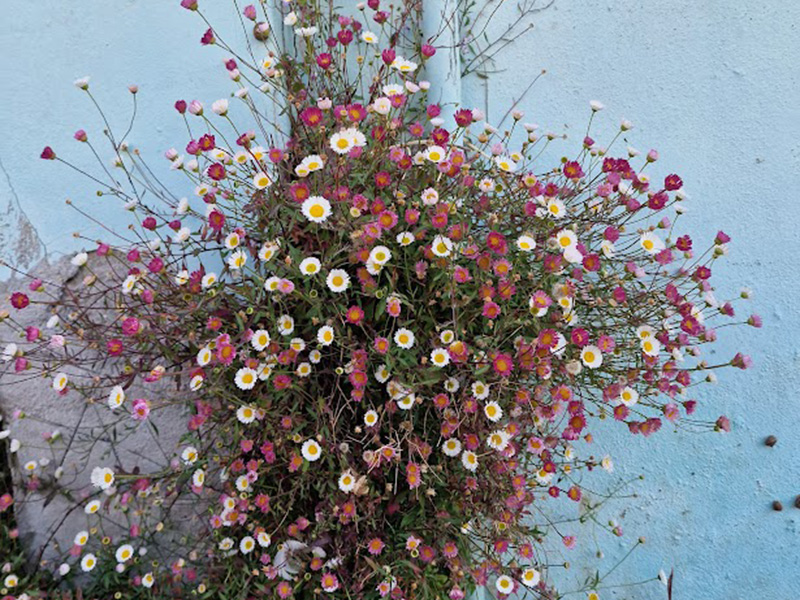
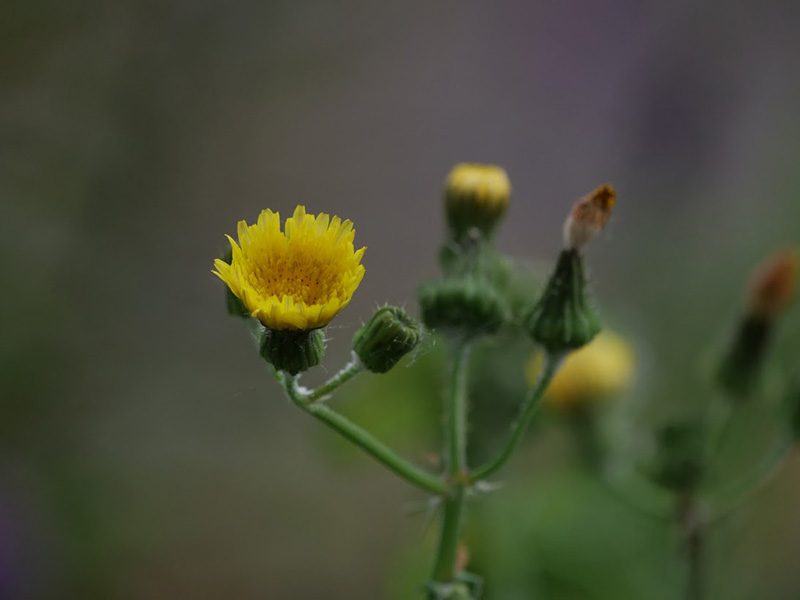
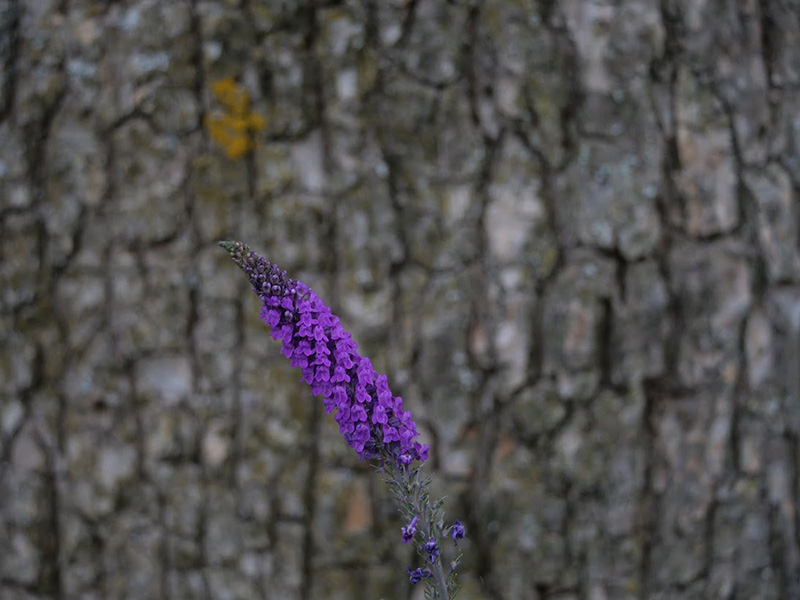
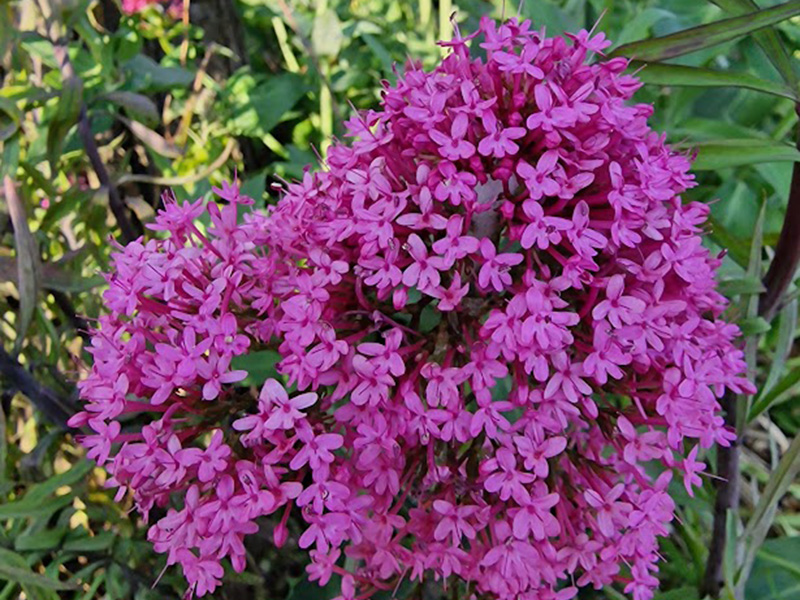
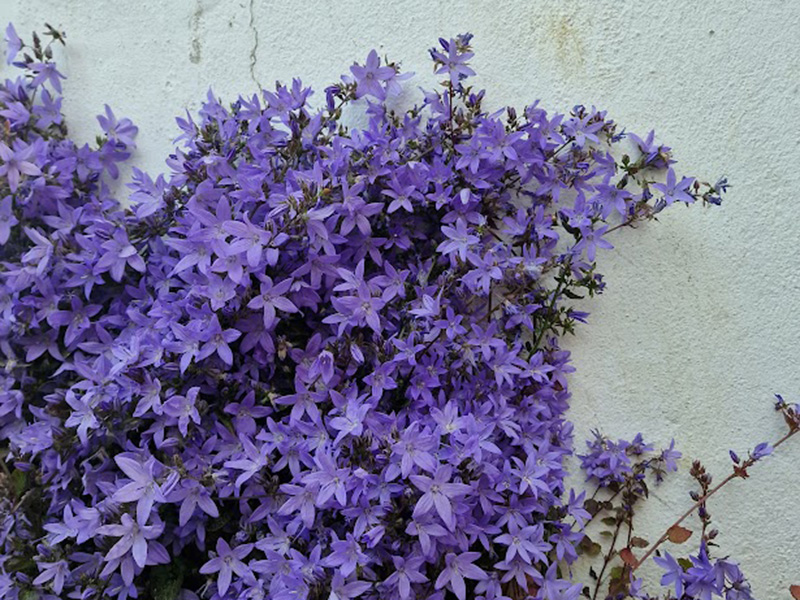
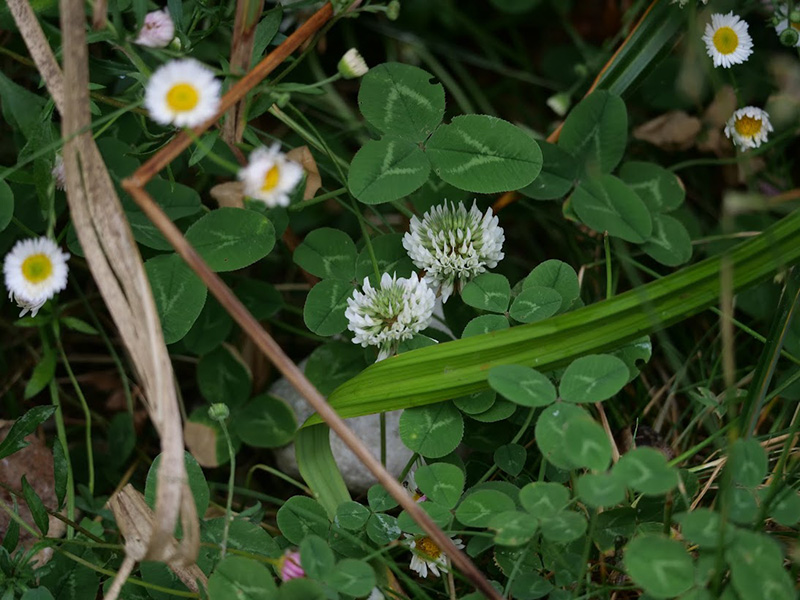
What flowering plants are round your home? If you want to find more wild things in your neighbourhood look at the trees, pavements and walls with a hand lens, and you will find many mosses (bryophytes, i.e. non-flowering plants) and lichens (stable symbiosis between fungi and algae/cyanobacteria).
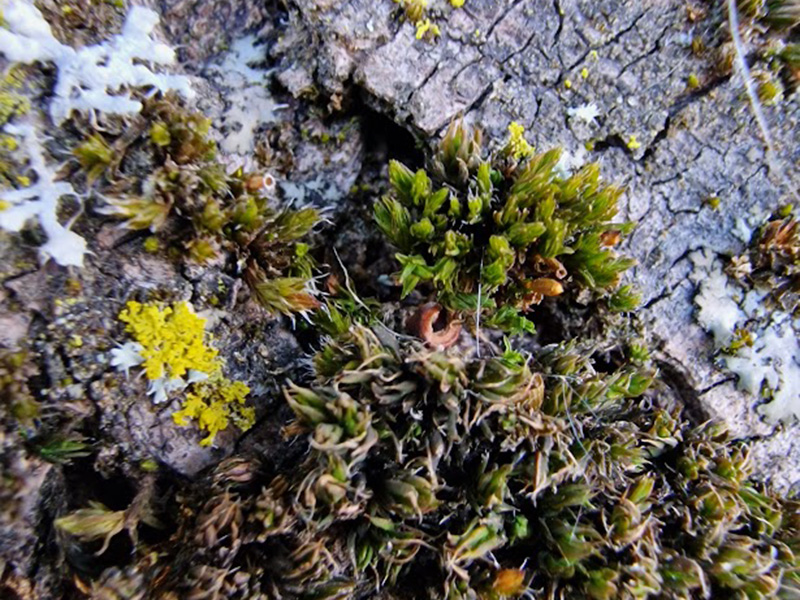
On a tree five meters from my front door, there are at least three lichens and three mosses (see main image). Get yourself a hand lens to discover what they are!
All the information on these plants comes from the Botanical Society of Britain & Ireland Plant Atlas 2020; accessible, free online
Comments
I have been interested in roadside/pavement ‘weeds’ ever since the Councils stopped clearing them. I checked out half of my road in Hollingdean and 20+ species plus grasses noted. Of note were Perforated St Johnswort, Oxalis, Ragwort (with cinnabar cats), Vervain, Nipplewort, Common Sorrel, Scarlet Pimpernel, Pineappleweed, Michaelmas Daisy and Spear Thistle. Mexican Fleabane is rampant! I have a few photos if you are interested.
05 Jul 2023 13:51:00
Excellent information.
07 May 2025 15:42:00