
What to look for in Winter
By Amanda Reeves
Communication Manager
Throughout the winter the Sussex countryside shuts down and can appear barren and lifeless but during these cold months there are still many opportunities to see some amazing wildlife.
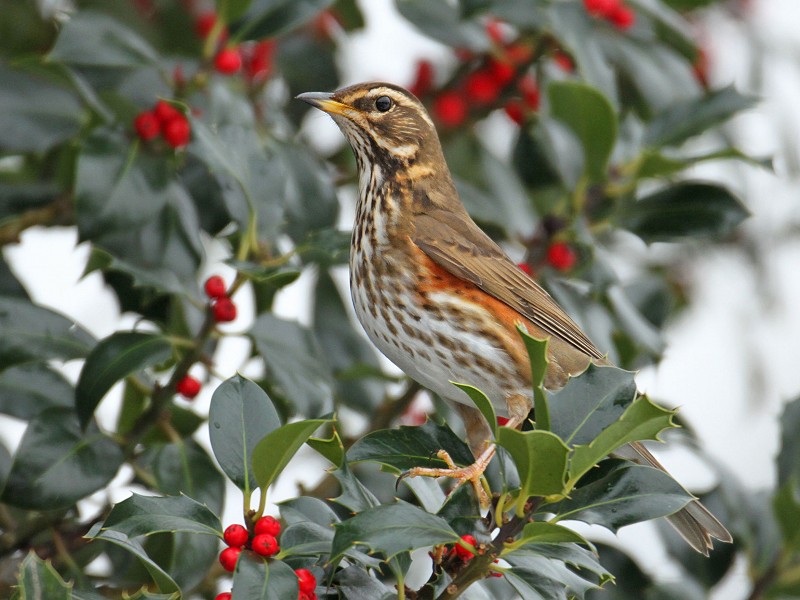
As temperatures drop in northern and eastern Europe many birds are escaping the snow and ice and heading for the relative warmth and accessible food available in southern England. So, the birds
in your back garden may be joined by others who have arrived from colder climes. You can guarantee that Redwings and Fieldfares have made a long migration to Sussex as these thrushes do not breed in the UK, but other familiar garden birds such as the Blackbird
may also have flown here from Scandinavia. One of the most memorable sights of the winter is the gathering of Starlings, a murmuration is the collective term, on Brighton’s West Pier; an incredible, hypnotic spectacle.
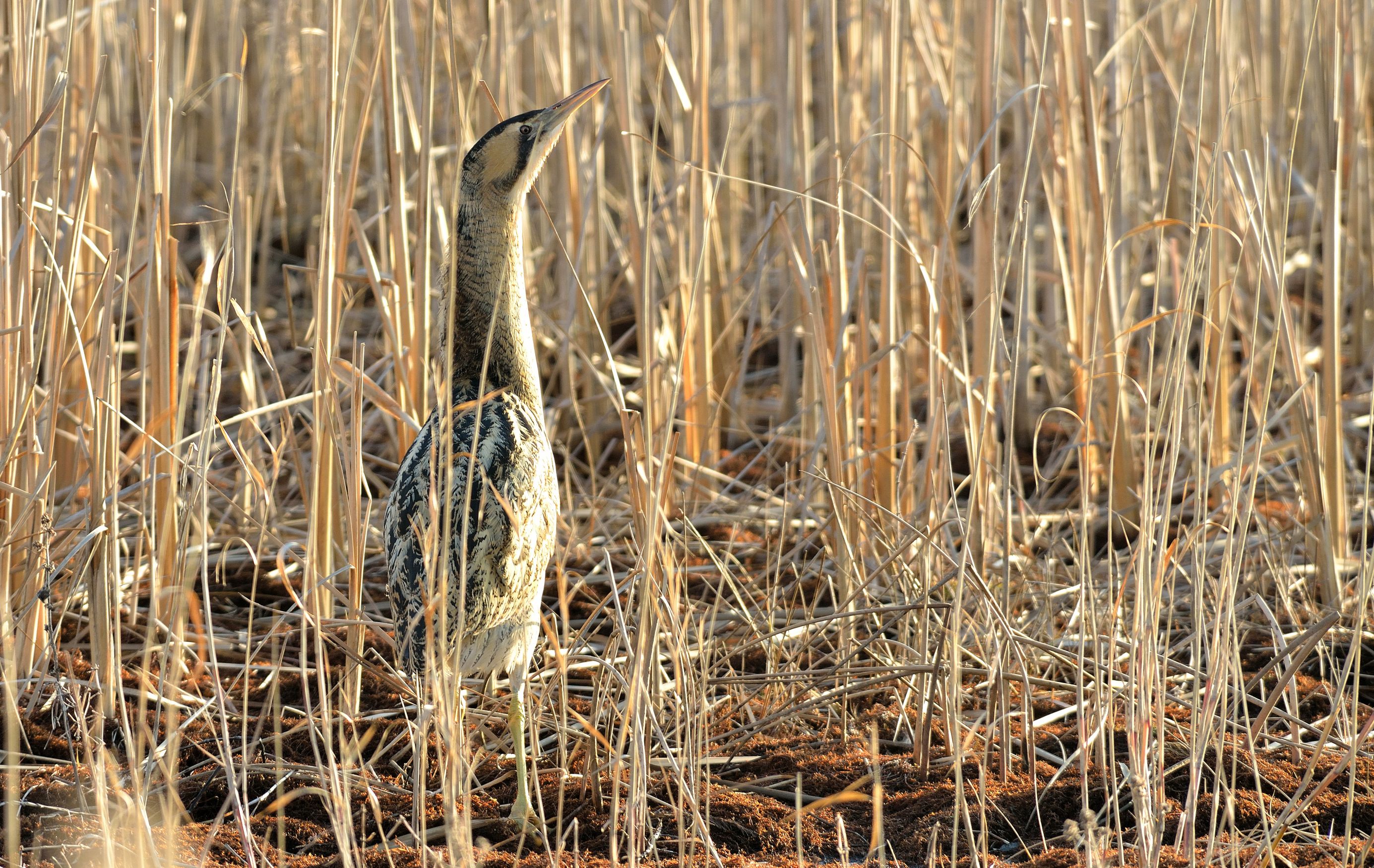
Bittern © Bob Eade
Sussex Wildlife Trust’s nature reserves are managed to provide a refuge for birds escaping the frozen north. On the wet meadows of Amberley Wildbrooks and Waltham Brooks in West Sussex you may
see Lapwings, Snipe, Wigeon and Bewick’s swans. These swans will have migrated here from arctic Russia almost 3000 km away. In East Sussex, the wader roosts at Rye Harbour Nature Reserve are impressive at this time of the year with flocks of Sanderling, Knot,
Dunlin, Ruff, Grey Plover, Lapwing and Golden Plover. If you are lucky, you may catch a glimpse of the elusive Bittern from the Castle Water hide or Bittern viewpoint platform.
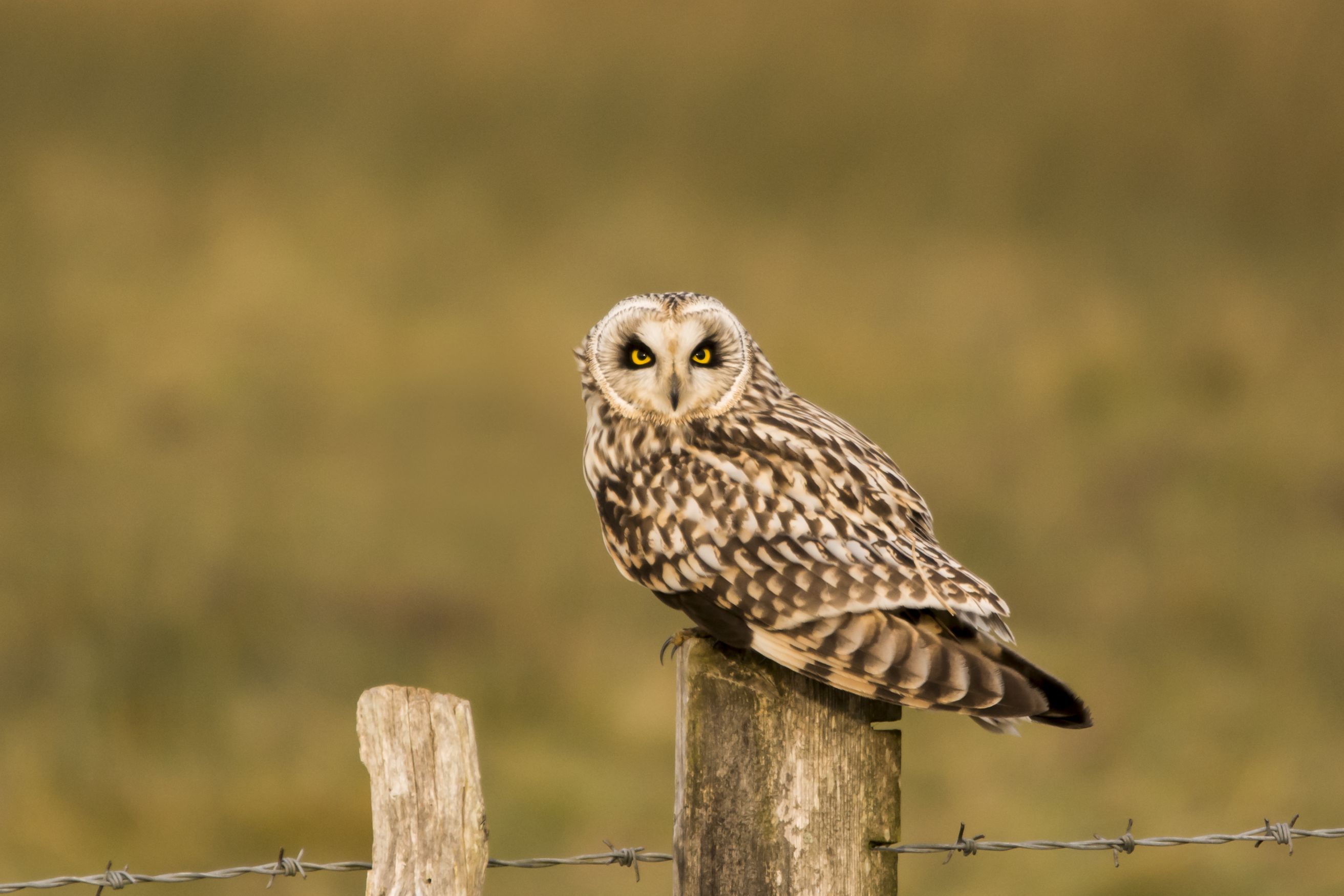
Short-eared Owl © Peter Brooks
Predators also need to feed. On the downs and along the river valleys you may be lucky and encounter Short-eared Owl or Merlin.
In some winters, Great Grey Shrikes and Hen Harriers can be seen hunting on our Iping Common Nature Reserve in West Sussex and at sites on Ashdown Forest in the east of the county.
In the early mornings, listen out for Great-spotted Woodpeckers staking out their territories. Without a song to sing, these birds will ‘drum’ on trees to make sure their rivals know they mean business. Winter is a good time to look for their smaller relative, the Lesser-spotted Woodpecker- a bird now rare in Sussex.
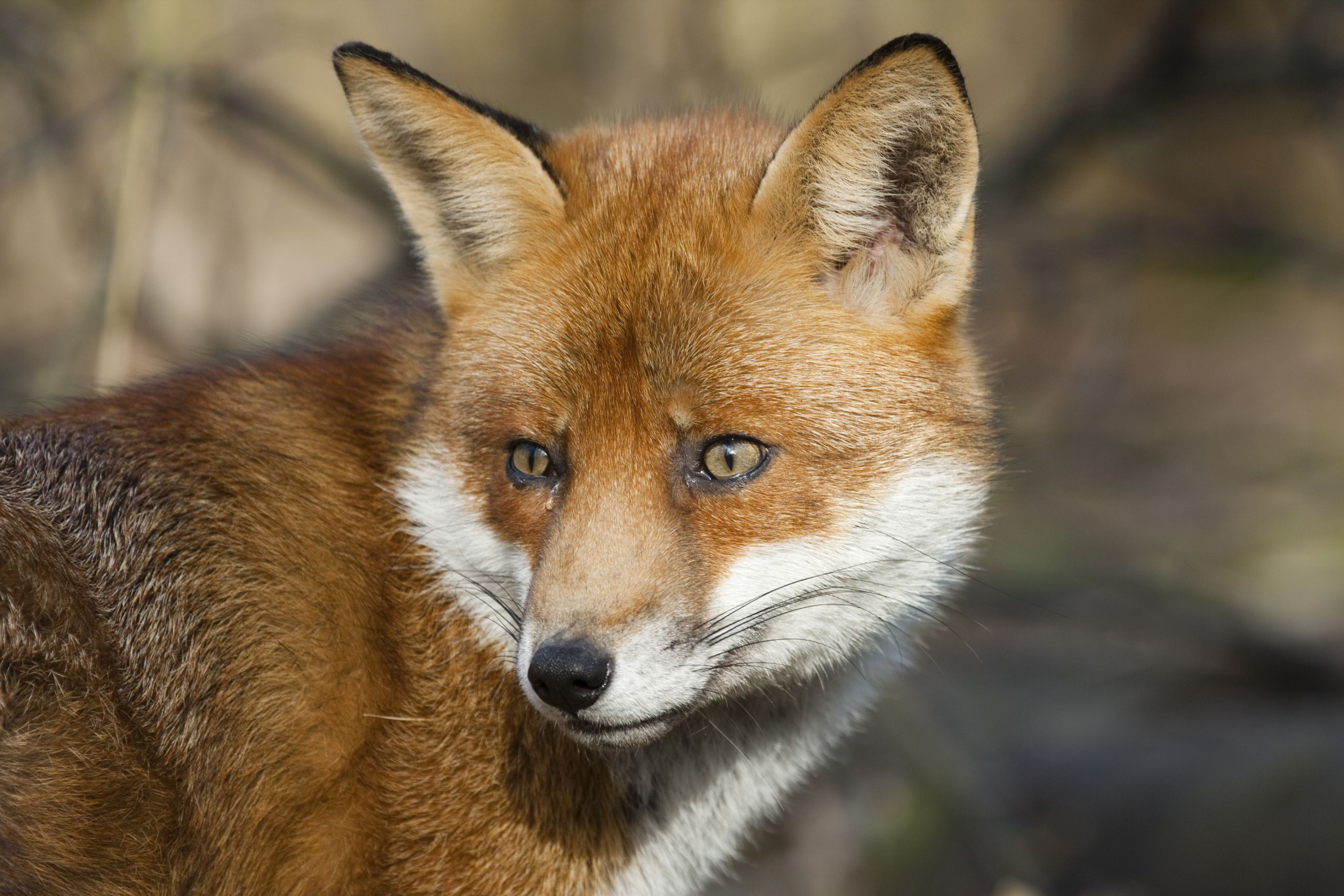
Fox © Elliot Neep
Most of our mammals keep a low profile in winter with Hedgehogs, Dormice and Bats hibernating. However, one mammal becomes very vocal. Male and female Foxes communicate on cold winter nights with barks, yelps and blood-curdling screams as their mating season begins in January. Toads, Frogs and Newts will be more visible as they emerge from under logs and leaves and start returning to the water. Look for blobby frog spawn or long ribbons of toad eggs in your pond in February and March.
On warmer days in winter a few insects may take to the air, and in recent years it has not been unusual to see red admirals flying on sunny days in January.
As we head towards spring, butterflies such as Peacock, Commas, Small Tortoiseshell and Brimstone emerge from hibernation giving us a splash of colour and a preview of what’s to come.