
WeBS @ Rye Harbour
Today I have just completed the annual chore of inputting hundreds of numbers onto the WeBS website!
On one day, every month, usually coinciding with the high spring tide, we try to count most of the wetland birds at Rye Harbour (but not gulls or terns or warblers). This is done all across Sussex and all across Britain by teams of volunteers and wardens. The national count is called the Wetland Bird Survey, or WeBS and is co-ordinated by the British Trust for Ornithology. It is a big effort, but a good way of monitoring the populations of swans, geese, ducks, herons, waders, rails and kingfisher. It is a sample, so often misses peak counts and rare species.
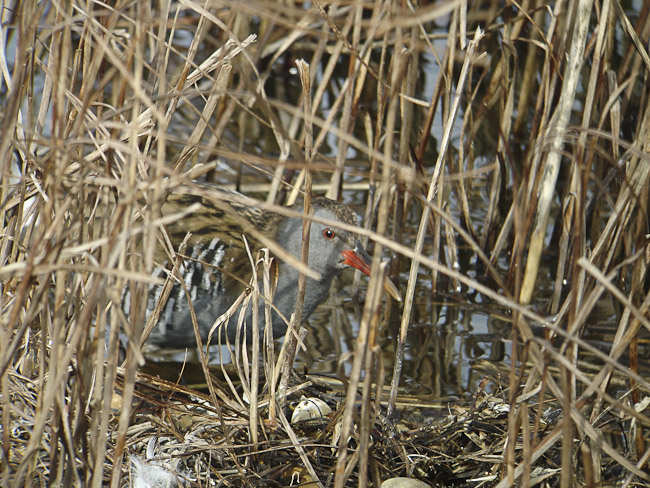
One of the problems with counting some wetland birds is that they are “invisible”, so the counts of water rail and snipe will only be a small fraction of what occur here. While others occur in such large numbers that estimates are not 100% accurate, for example counting thousands of golden plover in a tight roosting flock is impossible!

Even counting large white birds, such as little egret can be tricky because we now have hundreds of waterbodies where they can hide…

Below is a broad summary of the counts made at Rye Harbour last year (it does include birds outside of the nature reserve). Each column is a month and each colour represents one of 56 species. The most numerous species, lapwing is purple, second most numerous, wigeon is yellow and third most, coot is red.

Looking for trends over many years in these counts can be interesting…

It’s obvious that the golden plover roost which is now so familiar on the Beach Reserve only established after we invested in improvements to our predator fencing in the early 2000s.

But what I remember as a steady increase in little egret numbers from the early 1990s had a distinct dip in the 2000s that I didn’t notice until now.
Many people and organisations have worked hard together at Rye Harbour creating a wetland nature reserve for over 45 years. The habitat improvement and large scale creation projects mean we now have a great variety and concentration of wetland wildlife. But our counts feed into the National picture which informs policy decisions made by government. There is a wealth of detail about WeBS at www.bto.org/volunteer-surveys/webs . And there is information about the State of Nature at www.wildlifetrusts.org/publications#state-of-nature .
Can you see the snipe in this photo ?
