
WeBS Counts
The Wetland Bird Survey (WeBS) monitors numbers of non-breeding waterfowl in the UK. WeBS counts are carried out nationally on the same date each month, with counts ideally occurring at or around high water at coastal sites. Counts include waterfowl (ducks, geese, waders etc.) with gulls and terns optional and have been undertaken since 1947. Currently around 3000 volunteers are involved surveying almost 3000 sites! Nationally this provides data for population trends and trends in abundance and distribution which is important for monitoring the health of populations nationwide and is also important in identifying important bird sites around the UK.

The March WeBS was on the 14th and the count on the Beach Reserve/Harbour Farm and the Long and Narrow Pits turned up 1,888 individuals of 37 species, with the most abundant species being Oystercatcher, with around 400 roosting on Ternery Pool and Flat Beach, Wigeon with 380 individuals and upwards of 350 Golden Plover on Flat Beach.

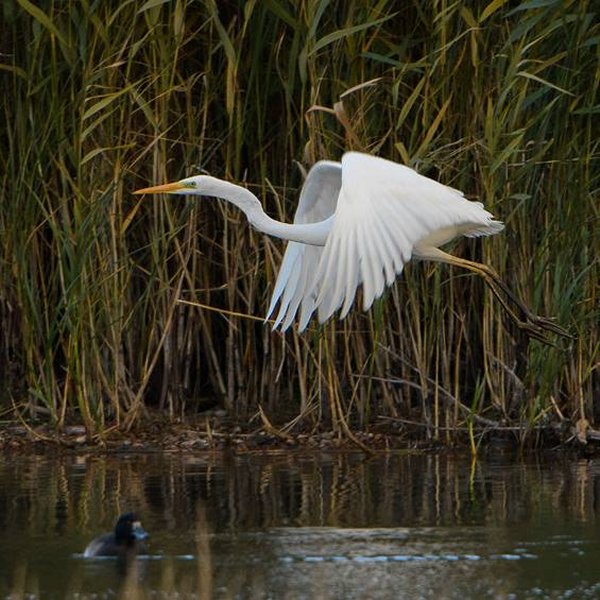
Notable species included singles of Ruff and Black-tailed Godwit, a Little Ringed Plover, around 30 Avocet and the long-staying juvenile Spoonbill. In addition, a group of five Sandwich Tern was present on Ternery Pool, my first records of the year for this species, while a count of 53 Turnstone at the River Mouth was a good count for here. The count for Castle Water/Castle Farm is not in yet, though a Great White Egret, a flock of around 20 White-fronted Goose and over 100 Shoveler were certainly present.

You can find out more about this survey that is organised by the British Trust for Ornithology by clicking here.