
We talk to David Bone, Chair of the Sussex Geodiversity Partnership

Geodiversity Day is 6 October, but what is geodiversity? Well, it is all around you in the parts of nature that aren't alive - minerals and fossils, soils and landscapes, and the natural processes that shape them. Geodiversity influences landscape, habitats and species as well as our economy, historical and cultural heritage, education, health and wellbeing.
We caught up with David Bone, Chair of the Sussex Geodiversity Partnership, to find out a bit more about it as well as the geology of Sussex
Tell us a bit about yourself
I’m retired now after a busy life with a full-time day job and an active interest in geology. Geology has been my main interest in life although I never pursued it as a career. In my late teenage years, I co-led field trips. I’ve always enjoyed making new discoveries and sharing them. I find it difficult to say ‘no’ to requests or volunteering, so over the years I have found myself teaching classes on geology, working on committees, and occasional geology consulting work.
My interest in geology always overlapped with archaeology and industrial history. This started in my early twenties when I spent many weekends on Dartmoor searching out the old mines and collecting mineral specimens. Nearer home I found an appreciation of building stones and their relationship to geology. Where did they come from, why were they chosen, how were they transported and used – all questions that relate back to the human element, whether the stone comes out of an archaeological excavation or is in a historical building. I can now read many stories into an old piece of building stone, both as education and entertainment.
What first drew you to geology?
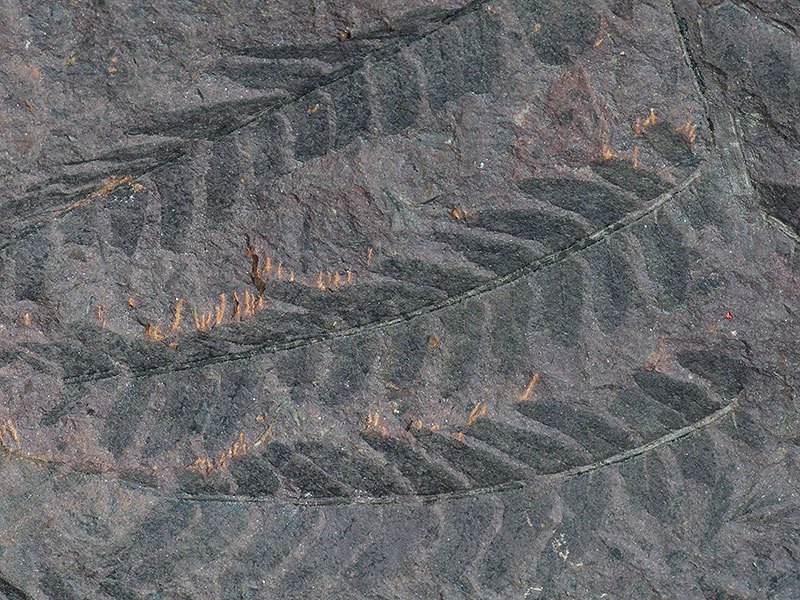
I remember my father setting me some homework on volcanoes (to give me something to do and stop being a nuisance) – I couldn’t have been very old – and discovering how interesting the study of the Earth could be. We soon progressed to family days out, which had to include places of geological interest, and fossil collecting at places like Lyme Regis. So, I think I have to say that it was the fun of searching for new fossils that first drew me to geology.
What is your favourite find?
I’ve been studying geology for over 50 years and have made many rare, unusual, or exciting finds in that time. It’s more the memory of making the discoveries than the finds themselves.
How did you come to be Chair of the Sussex Geodiversity Partnership?
My knowledge of Sussex geology gathered over 50 plus years and a good network of contacts in geology and affiliated disciplines. I’m also Chair of the Tertiary Research Group and the Friends of Fishbourne Roman Palace. I am also Treasurer for Rockwatch, the geology club for young people and serve on the Curry Fund of the Geologist’s Association..
What do you love about geology?
Being outside, appreciating the landscape and being able to share my knowledge with others are important to me and something I love to do. However, I’m always finding that there is something new to discover, even on my own doorstep. This has resulted in publication of several academic papers, particular cross-discipline with archaeology and history. There are more papers to come if I can find the time. Working with local archaeologists is also rewarding, delving into our more recent history but from the viewpoint of our geologically ancient past.
Can you tell us a few things about the geology of Sussex that we might not know?
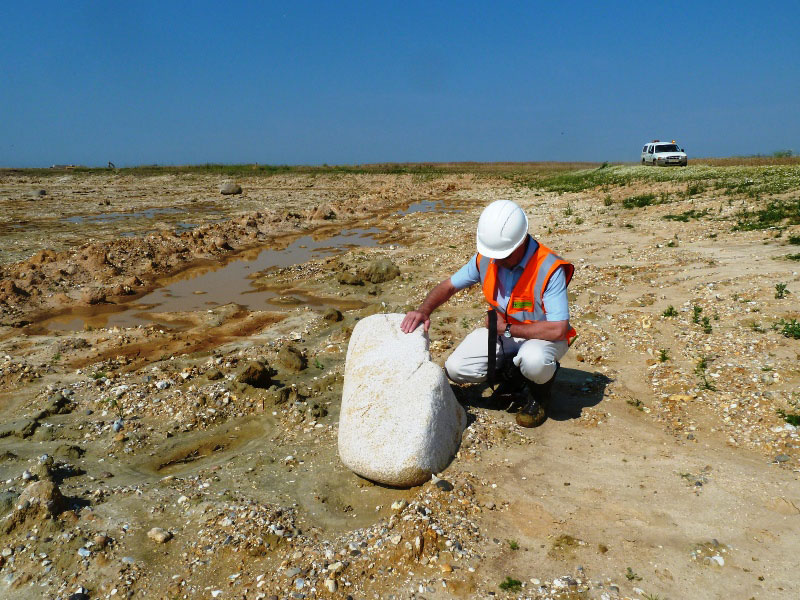
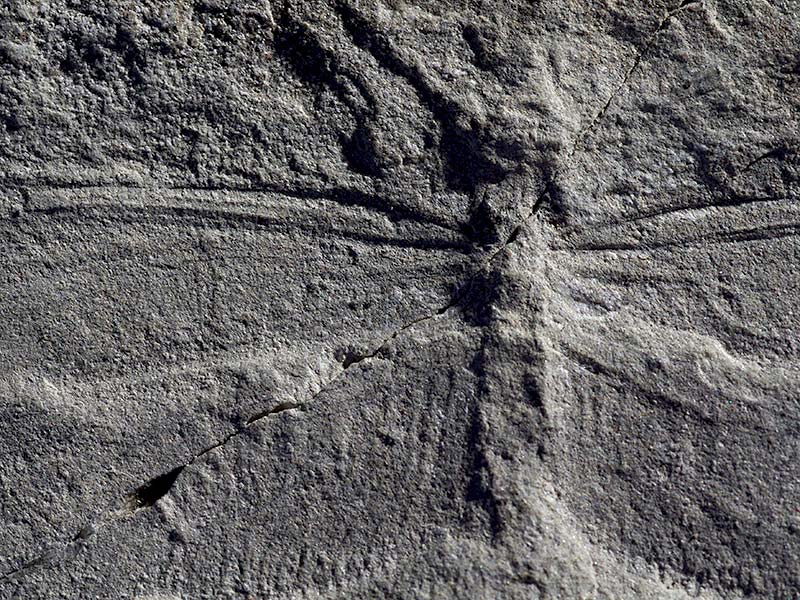
Some clayey layers in the Chalk are degraded volcanic ash from eruptions associated with the opening of the Atlantic Ocean. A local stone used in the building of Chichester Cathedral has fossil shark’s teeth in it. Fossil dragonflies are well known from the Weald Clay, often exposed in brickworks, but not known so well are the 50 million years-old fossil beetles from the shore at Bognor Regis. Some things have questions that we cannot yet answer, such as the origin of the granite boulders found on the coast that were carried here in icebergs during the Ice Age – precisely where did they come from?
Tell us a bit more about your walks and booklets
I often lead guided walks, for example to Bracklesham Bay for fossil hunts. Church walks are popular, looking at the historic building stones of the church and linking them with the geology and use of the stone. There are always stories to tell. The booklets are on sale through my website, and are about on the stones of Boxgrove Priory, and the geology and fossils of Bognor Regis, Bracklesham and Selsey, and Chichester Harbour.
More about David on his website