
We speak to Tony Hutson of the Sussex Bat Group
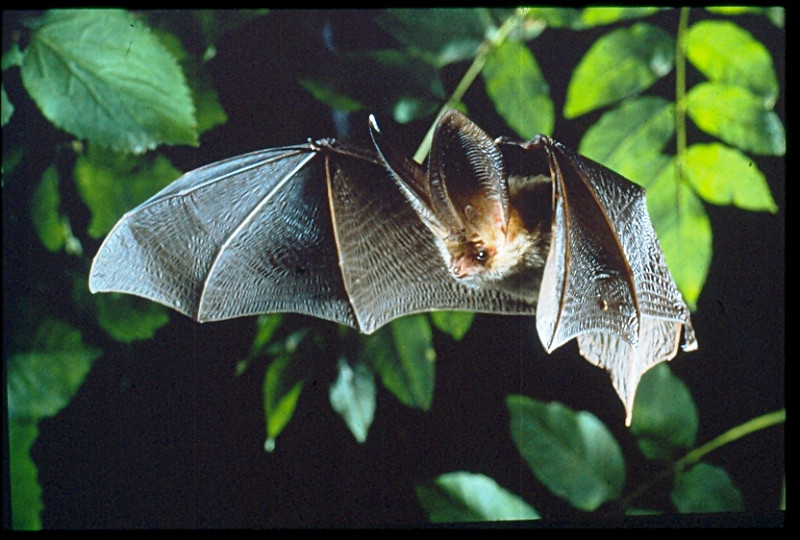
Tony Hutson is a specialist in international bat conservation. He was formerly Bat Conservation Officer with the Fauna and Flora Preservation Society and Conservation Officer for the Bat Conservation Trust.
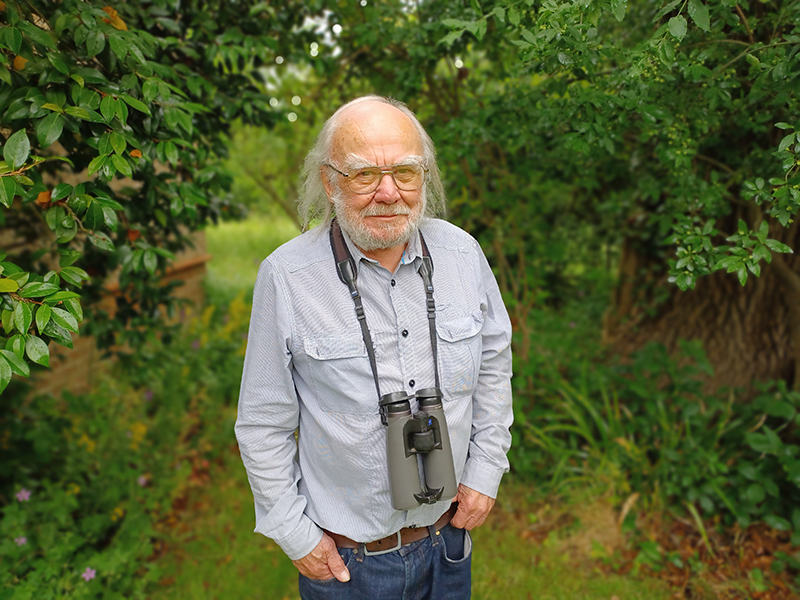
We went to his Sussex home to find out more about him, local bats and the Sussex Bat Group he co-founded in 1984.
Tell us a bit about yourself, when you became interested in bats.
I was born in South London and moved to Sussex in 1984. I was always interested in bats as a kid and it became a life's work. Very few people were doing anything to help them, but then legislation to protect bats came in 1981. We went around the country setting up local bat groups. A lot has changed over the years. Emphasis on conservation has changed. Timber treatments and other pesticides are less of a problem, but they've been replaced with new problems such as wind farms and other chemicals, and developments which lead to habitat destruction.
Tell us something about bats many people won’t know
They are very small animals, but they can live 30-40 years. They only have one baby every year or every other year. The Pipistrelle which weighs about 5g can eat 2000 little midges in a night. They can fly 2,300 km between winter sites and summer sites.
Daubenton’s Bats have big feet and claws. They can trawl or 'gaff' with their feet to grab insects from the water surface to put them in their mouths.
How can people identify what bat they have seen?
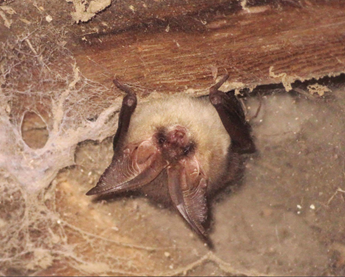
It's hard! Most of us are cautious. If you see them in their roost, you can see their habitat, check the size of ears, note the overall size of the bat, whether they have narrow or broad wings.
Daubenton's bats are the ones you see skimming over the water feeding on insects that fly up.
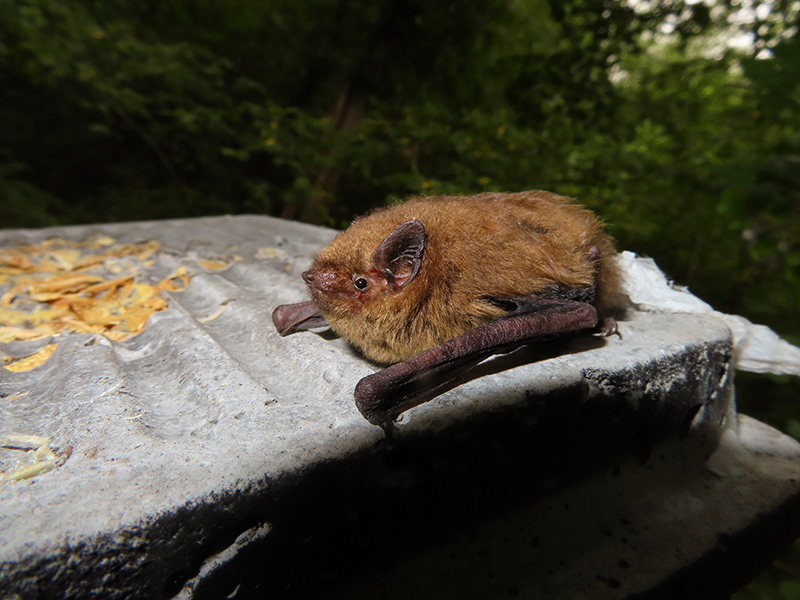
Tell us about what bats people might see and where the best places are to see them in Sussex.
Any waterway, lake or pond with a woodland edge, dawn or dusk. Wetland and woodland are the best habitats. Ebernoe Common is where the most species have been recorded. Woods Mill at dusk is another great reserve.
But you can see them anywhere - there are plenty of bats living in houses and villages. In Sussex, all the 18 UK species have been recorded, plus four others - Parti-coloured, Kuhl's Pipistrelle, Savi’s Pipistrelle and Geoffroy's.
The ones people are most likely to see are Pipistrelles, Serotine, Brown Long-eared and Daubenton's.
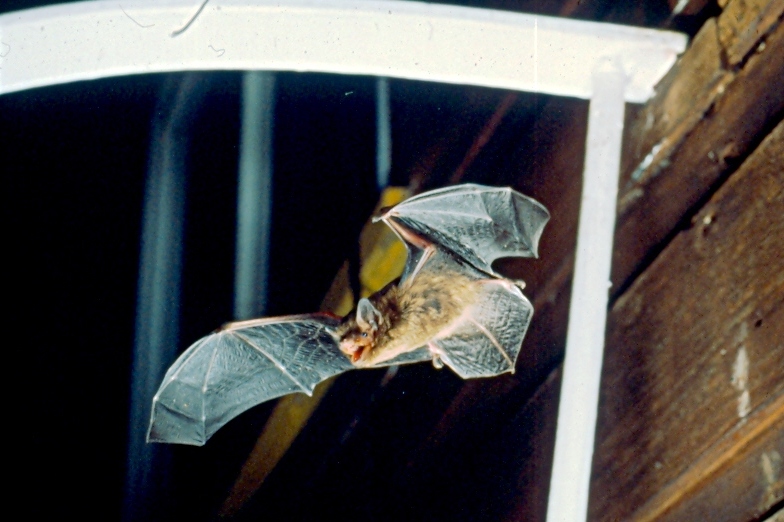
Any tips for people wanting to see them?
Bat groups and wildlife organisations organise bat walks - that means you'll be able to listen for them using bat detectors.
Do you have a favourite bat species?
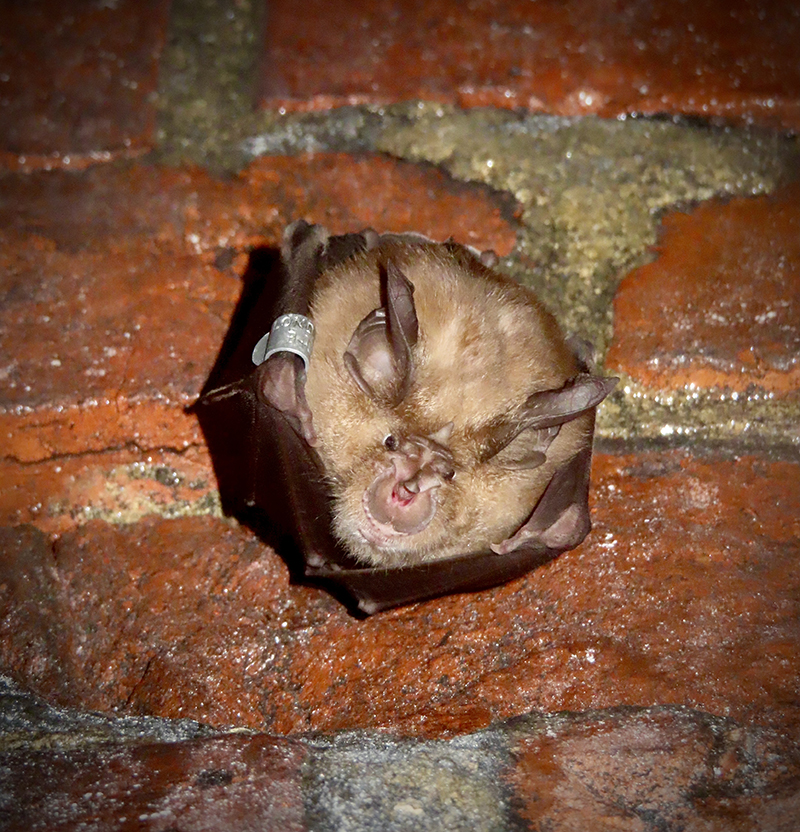
Personally, the Serotine. But for the Sussex Bat Group - the Greater Horseshoe Bat. We suddenly discovered a small breeding colony in Sussex, 100km east of previously known sites in Dorset. It's not been a species of the South East for 100 years.
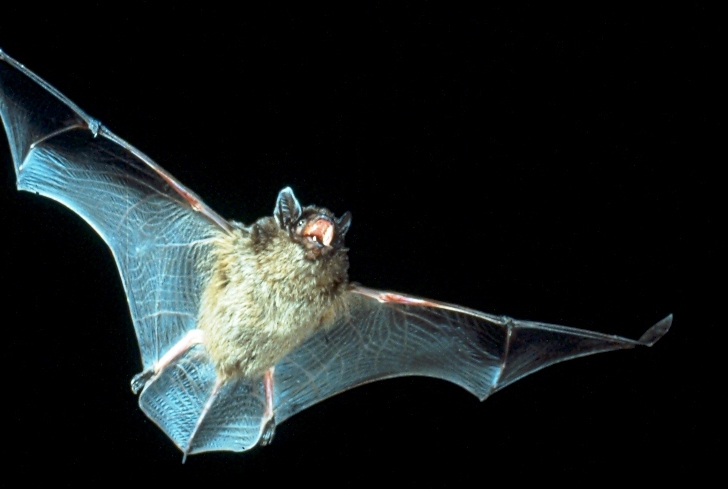
How are bats recorded?
We go around the countryside with bat detectors. We use different types. Some are cheap and simple, others are very complicated and allow you to record the sound and analyse at home. Sometimes we use trapping to confirm an ID and feed the information into the National Bat Monitoring Programme.
Is there any good news?
National Bat Monitoring Programme shows some species are recovering and some are stable.
Tell us about recording groups and what else people can do to help bats in Sussex
You can let us know where they are roosting or record it on irecord.
There is a lot of activity around sick and injured bats - if people are able to offer to pick them up to take to dedicated bat hospitals, that's very helpful.
You can put up bat boxes, but on the whole, they are best in woodland with limited natural roosts.
And everyone is welcome to join the Sussex Bat Group. You don't need to be an expert.
Find out about Tony's recent book Bats, their Biology and Behaviour here
Sussex Bat Group currently has an appeal to raise funds to renovate and enhance a site where Horseshoe Bats are breeding. For more information about this and how to join or support the Sussex Bat Group, see here
Comments
Is there anyone who could come and confirm what we are seeing at dusk are actually bats?
08 Jul 2022 09:58:00
Sussex Wildlife Trust:
You could ask the Sussex Bat Group for their advice in general - link to their website is at the bottom of the blog